

By Architectural News Desk
Published October 14, 2026
Main Facts
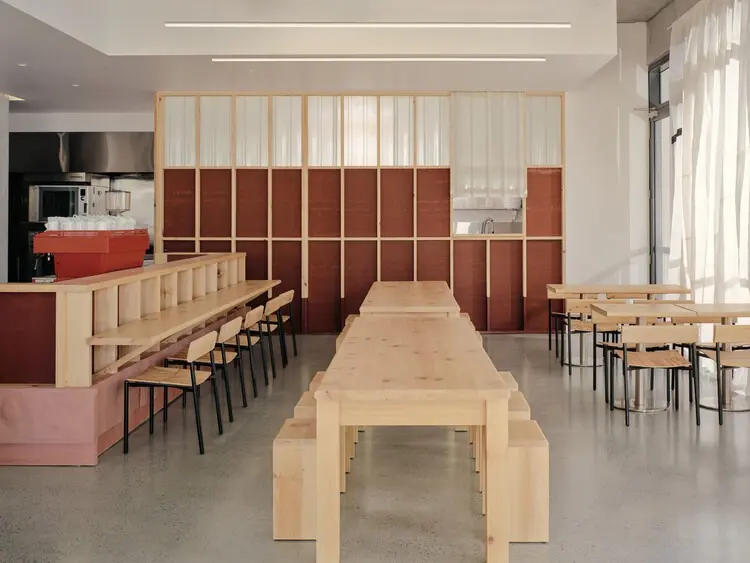
The architectural and interior design landscape of Brisbane’s dynamic bay area has a new benchmark for sustainable commercial spaces. Landing Bakery, a newly minted culinary destination, has officially captured the architectural world’s attention by taking home the prestigious Harry Marks Award for Sustainable Architecture at the 2026 regional architecture awards.
Designed and fabricated by the design-build studio Five Mile Radius in close collaboration with Matthew Reynolds, the project stands out not merely for its aesthetic appeal, but for its uncompromising commitment to material ethics. Landing Bakery is defined by its radical utilization of local, reclaimed, and renewable materials. Rather than relying on standard commercial supply chains that often incur heavy carbon footprints through material transportation and manufacturing, the design team sourced nearly every element of the bakery’s interior within an ultra-localized radius.
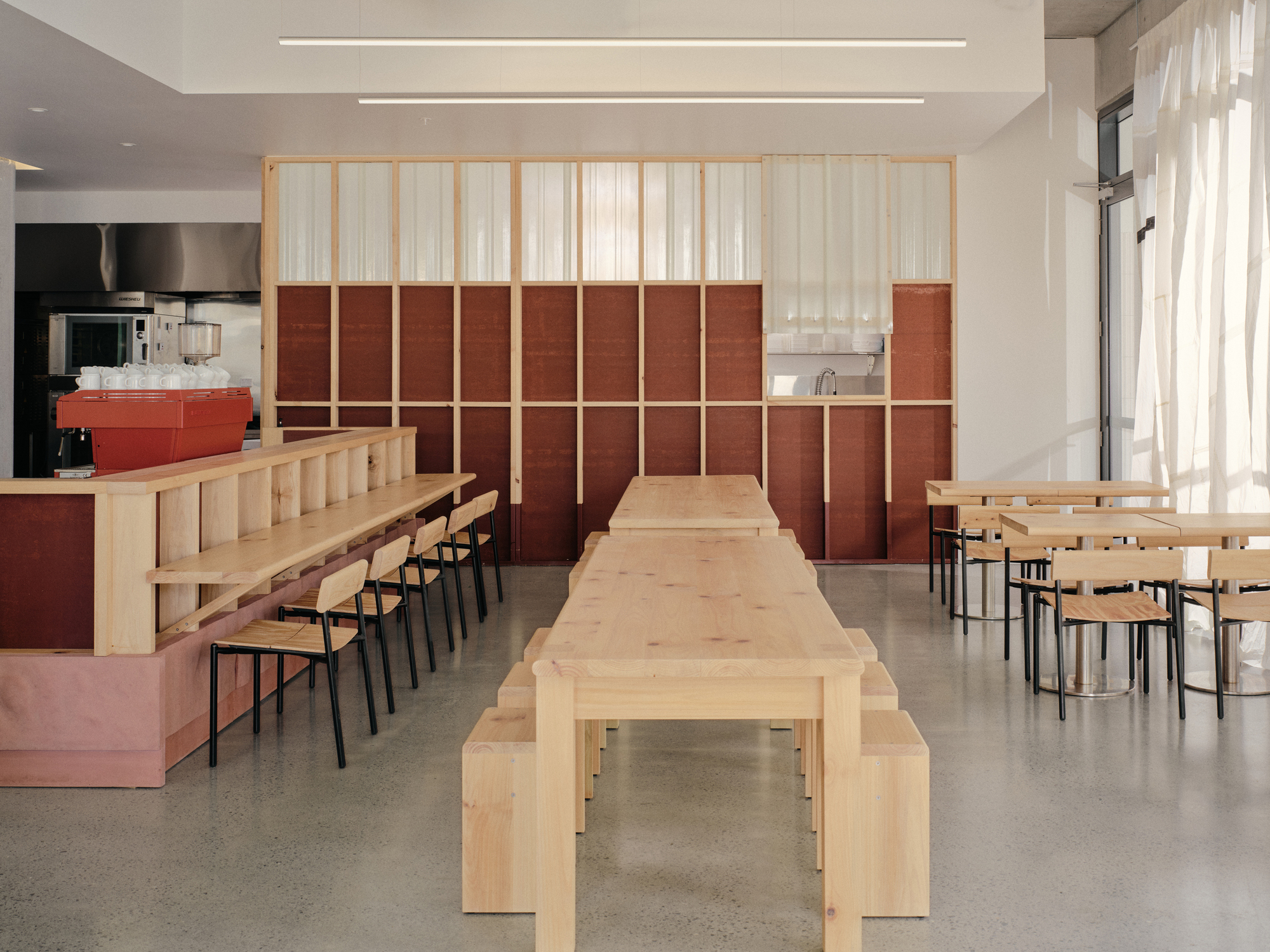
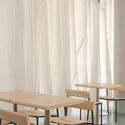
Captured expertly through the lens of architectural photographer David Chatfield, the space blends the rustic warmth of artisanal craftsmanship with a clean, contemporary commercial layout. The project demonstrates that sustainable architecture does not require sacrificing luxury, visual warmth, or spatial efficiency. Instead, it proves that working within strict local material constraints can actually unlock a uniquely authentic design language that corporate chain stores and generic franchises simply cannot replicate.
Chronology
While the grand opening of Landing Bakery has quickly made it a darling of the Brisbane food and design scene, the project’s trajectory spans years of material research, prototyping, and collaborative craftsmanship.
Phase 1: Material Research and Sourcing (2023–2024)
Long before any physical construction began, the studio behind the project—Five Mile Radius, known for their rigorous investigation into hyper-local material economies—began mapping out the latent resources available within the Brisbane region. This foundational period involved cataloging salvaged industrial elements, identifying local agricultural byproducts, and partnering with regional craftspeople who shared a vision for circular design.
Phase 2: Collaborative Design and Prototyping (2024–2025)
Teaming up with Matthew Reynolds, the design team transitioned from material sourcing to spatial prototyping. Every custom surface, fixture, and architectural element was tested for durability, structural integrity, and aesthetic cohesion. This phase bridged the gap between raw, unrefined matter and the refined, food-safe finishes required for a high-traffic retail bakery environment.
Phase 3: Fabrication and On-Site Installation (Mid-2025–Early 2026)
Unlike conventional commercial builds where prefabricated components are shipped from international or interstate factories, the construction of Landing Bakery was heavily rooted in local handcraft. Fabrication took place largely through local workshops before being assembled on-site in the bay area, drastically reducing construction-related emissions.
Phase 4: Opening and Award Recognition (Mid-2026–October 2026)
Following its successful public launch, Landing Bakery quickly garnered critical acclaim. The culmination of this praise arrived in October 2026, when the project was formally announced as the recipient of the Harry Marks Award for Sustainable Architecture, cementing its status as a watershed moment for sustainable retail design in Australia.
Supporting Data
The success of Landing Bakery is backed by a compelling set of metrics and design principles that highlight its environmental and architectural achievements:
- Project Recognition: Winner of the 2026 Harry Marks Award for Sustainable Architecture.
- Location: Brisbane Bay Area, Queensland, Australia.
- Design and Fabrication Team: Five Mile Radius in collaboration with Matthew Reynolds.
- Curatorial Oversight: Miwa Negoro.
- Photography: David Chatfield.
- Core Materiality: A hyper-localized material palette consisting of reclaimed industrial elements, locally sourced soils, renewable timbers, and regional waste streams repurposed into high-performance architectural surfaces.
- Carbon Footprint Reduction: By sourcing materials within an ultra-short radius, the project successfully minimized Scope 3 supply chain emissions associated with freight, manufacturing, and raw material extraction.
Official Responses and Curatorial Insights
The project has drawn widespread praise from architectural critics, material scientists, and industry leaders alike.
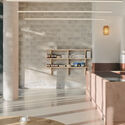
Curator Miwa Negoro, reflecting on the conceptual rigor of the project, emphasized how Landing Bakery transcends the traditional boundaries of interior architecture. "Landing Bakery transforms an unusual collection of local, reclaimed, and renewable materials into a warm, highly crafted culinary space," Negoro noted. "It bridges the gap between ecological responsibility and sensual, tactile architecture. You don’t just see the sustainability; you feel it in the textures of the walls, the grain of the timber, and the honesty of the finishes."
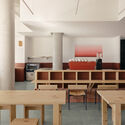
The design team at Five Mile Radius echoed these sentiments, noting that the Harry Marks Award validates years of advocating for localized material economies. In statements released following the award announcement, the studio highlighted that commercial architecture is often heavily reliant on imported tiles, synthetic laminates, and carbon-intensive metals. By flipping this paradigm on its head, Landing Bakery serves as a built manifesto for what is possible when designers view their immediate geographic surroundings not as a limitation, but as an abundant palette of creative opportunities.
Furthermore, collaborators like Matthew Reynolds played a vital role in ensuring that the experimental nature of these local materials met the rigorous standards of a commercial hospitality venue. Balancing raw, reclaimed aesthetics with the strict hygiene, durability, and ergonomic requirements of a commercial bakery required unprecedented problem-solving and cross-disciplinary teamwork.
Implications
The triumph of Landing Bakery at the 2026 architectural awards carries profound implications for the future of commercial design, retail architecture, and urban development.
1. A Paradigm Shift in Retail Interiors
For decades, high-end retail and hospitality design have relied on globalized supply chains to achieve uniform, luxury aesthetics. Marble shipped from Europe, tiles manufactured in Asia, and generic commercial fixtures have dominated high streets worldwide. Landing Bakery proves that consumers are increasingly drawn to authenticity, provenance, and storytelling. When a customer walks into a space and interacts with counters, walls, and furniture made from materials sourced just miles away, the physical environment communicates a deep-rooted sense of place that standard corporate interior design can never replicate.
2. Redefining "Sustainability" Beyond Energy Efficiency
While sustainable architecture has historically focused heavily on operational energy—such as solar panels, high-performance glazing, and HVAC efficiency—Landing Bakery shines a spotlight on embodied carbon and material circularity. The project forces architects and developers to ask critical questions: Where did this material come from? How was it extracted? What happens to it at the end of the building’s lifecycle? By demonstrating that circular, local materials can form a breathtaking commercial interior, the project raises the bar for what sustainable architecture must entail.
3. Inspiring Future Local Economies
The success of Five Mile Radius and Matthew Reynolds’ collaboration creates a viable commercial blueprint for other designers. By proving that localized material sourcing can result in award-winning architecture, Landing Bakery encourages the growth of regional micro-industries. From salvaging yards to local craftspeople and agricultural innovators, the demand for alternative materials fosters a resilient local ecosystem that benefits both the economy and the environment.
As cities across the globe grapple with the urgent need to decarbonize their built environments, projects like Landing Bakery offer a beacon of hope. They remind us that the solutions to our most complex environmental challenges are often waiting right in our own backyards—requiring only imagination, collaboration, and a profound respect for the materials at hand.

Leave a Reply