

Main Facts
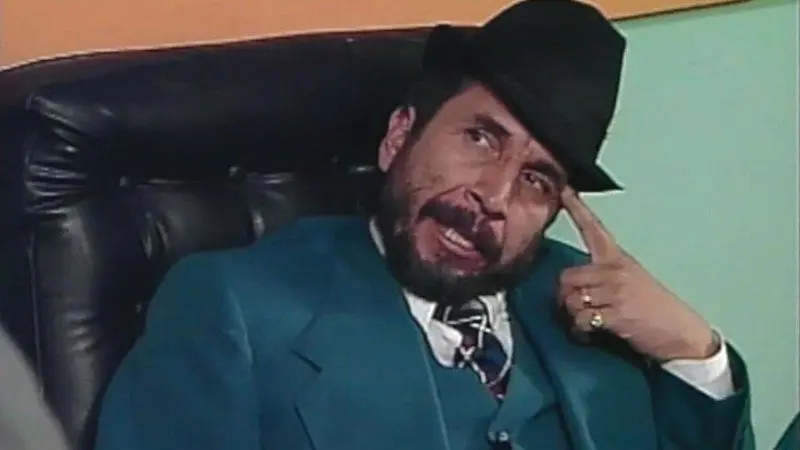
Jorge Velosa, born in the high-altitude Andean municipality of Ráquira, Boyacá, on October 6, 1949, stands as one of the most towering cultural figures in modern Colombian history. As the undisputed pioneer and patriarch of música carranguera—a vibrant, rustic, and humorous genre rooted in the traditions of the Andean peasantry—Velosa has spent over half a century chronicling the daily realities, joys, struggles, and idiosyncrasies of rural life.
Far from being merely a regional folk musician, Velosa is a polymath: a trained veterinarian turned troubadour, a celebrated television actor, a radio broadcaster, a writer, and a tireless cultural custodian. Through iconic anthems such as “La Cucharita,” “Julia, Julia, Julia,” and “La China que yo tenía,” he transformed the localized acoustic expressions of Boyacá into a national phenomenon. His artistic footprint extends far beyond the traditional confines of folklore, bridging the gap between isolated agrarian communities and the bustling urban centers of Colombia.
Today, at 77 years of age, Velosa remains an active creative force, continually releasing new material, writing literature that preserves oral traditions, and commanding a legacy that defines the very auditory landscape of Colombian identity.
Chronology of a Cultural Awakening
Early Childhood and the Seeds of Melody (1949–1960s)
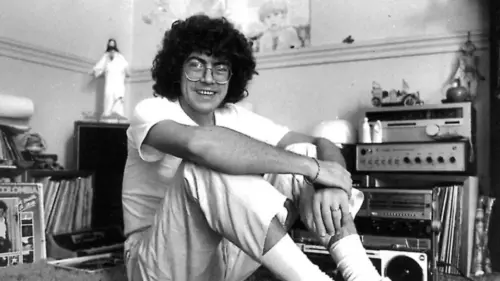
Jorge Velosa’s journey began in the rugged, clay-sculpting hills of Ráquira. Growing up immersed in the traditions, festivals, and oral lore of the Colombian high plateau, young Jorge displayed an uncanny affinity for sound from a very early age. According to accounts shared by his mother in a 1996 interview with journalist Consuelo Cepeda, Velosa was already constructing rudimentary instruments out of everyday objects by the age of five. Capadores (panpipes), maracas, and bamboo flutes were cobbled together from whatever was at hand. With childlike ingenuity, he turned play into orchestration, drafting his neighborhood friends into his impromptu musical ensembles.
Academic Pursuits and Veterinary Medicine (1960s–1970s)
Despite his deep-seated artistic inclinations, Velosa pursued formal higher education in Colombia’s capital. He moved to Bogotá and enrolled at the prestigious National University of Colombia, where he studied and ultimately graduated as a doctor of veterinary medicine.
While veterinary science offered a stable professional path, it paradoxically served as a direct conduit back to his rural roots. As he traveled through the rural provinces practicing his trade, Velosa reconnected intimately with the campesino population. He listened to their stories, absorbed their regional idioms, and immersed himself deeper into the traditional peasant music of the Andes, recognizing its immense potential as a narrative vehicle for social commentary and storytelling.
The Birth of Carranga and Los Carrangueros de Ráquira (1970s–1980s)
By the 1970s, Velosa was actively experimenting with traditional Andean genres—such as the torbellino and the rajaleña—fusing them with sharp humor, narrative structures, and rural colloquialisms. This alchemy gave birth to a fresh, rhythmically infectious genre: carranga.
In 1977, a pivotal milestone occurred when Velosa founded Los Carrangueros de Ráquira alongside José Luis “El Chato” Lagos, Jorge González, and Ramiro Zambrano. This foundational quartet revolutionized Colombian folklore. They took acoustic instruments traditionally relegated to remote village gatherings—such as the requinto (a small, high-pitched guitar), the tiple, the guacharaca, and the acoustic bass—and brought them to mainstream stages.
The group’s 1984 release, Pa’ los pies y el corazón, cemented their status as national treasures. During this era, songs like “La Cucharita” transcended simple airplay to become unofficial national anthems, capturing the imagination of Colombians across every socioeconomic divide.
Diversification into Television, Radio, and Literature (1980s–Present)
As Velosa’s musical career soared, he expanded his artistic palette. During the 1980s and 1990s, he transitioned to the small screen, charming millions of Colombian television viewers with memorable acting roles in classic national sitcoms and series such as Don Chinche and Romeo y Buseta. Simultaneously, he applied his distinct voice and wit to radio broadcasting as a host and scriptwriter.
Simultaneously, Velosa cultivated a parallel career as an author. He published several works dedicated to oral history, poetry, and narrative fiction, including La cucharita y no sé qué más, El convite de los animales, and Historiando mi cantar.
Demonstrating that his creative well is far from dry, Velosa has continued to collaborate with younger generations of musicians. In 2011, he pushed the boundaries of his genre with Carranga Sinfónica, blending rustic folk melodies with symphonic arrangements. More recently, in 2024, he partnered with Los Carrangueros del 25 to release El carrango y la carranga, proving that his signature sound remains as vital and evolving as ever.
Supporting Data and Repertoire
The enduring impact of Jorge Velosa is quantifiable through his extensive discography, literary output, and cultural milestones. Below is an overview of his core contributions:
Essential Musical Discography & Projects
- Los Carrangueros de Ráquira (1977–present): The pioneering ensemble that standardized the instrumentation and rhythmic framework of modern carranga.
- Pa’ los pies y el corazón (1984): A landmark album that solidified the commercial and cultural viability of campesino music in urban markets.
- Carranga Sinfónica (2011): An ambitious project that translated traditional folk motifs into orchestral arrangements, elevating carranga to classical performance spaces.
- El carrango y la carranga (2024): A contemporary collaboration with Los Carrangueros del 25, showcasing his continued relevance in the modern digital and streaming era.
Iconic Songs
- “La Cucharita”: The quintessential carranga song that tells the whimsical yet poignant tale of a lost wooden spoon, capturing the hearts of an entire nation.
- “Julia, Julia, Julia”: A playful, energetic track that highlights the comedic and romantic storytelling traditions of Boyacá.
- “La china que yo tenía”: A beloved staple of Colombian folkloric radio.
- Other Notable Tracks: “La gallina mellicera,” “Las diabluras,” and “El rey pobre.”
Literary Publications
- La cucharita y no sé qué más
- El convite de los animales
- Historiando mi cantar
Official Responses and Cultural Recognition
Over a career spanning more than five decades, cultural institutions, academic bodies, and government entities have repeatedly honored Jorge Velosa for his monumental contributions to Colombian heritage.
Cultural ministries and national media outlets, such as Radio Nacional de Colombia, frequently cite Velosa not merely as an entertainer, but as an essential archivist of the Colombian soul. When releases like El velorio del compadre or El carrango y la carranga debut, they are met with widespread critical acclaim and treated by cultural commentators as national events.
Academics and folklorists have formally recognized carranga—largely due to Velosa’s tireless advocacy—as a legitimate genre of resistance, historical memory, and identity. By refusing to let the traditions of the Boyacá peasantry fade into obscurity, Velosa earned the informal title of "Maestro," a moniker used respectfully by fans, peers, and presidents alike.
Institutions have praised his ability to use humor and folksy wisdom to address complex social realities, bridging the cultural divide between the rural countryside (el campo) and the metropolis. His songs are frequently integrated into educational curricula across various Colombian regions to teach students about oral tradition, regional dialects, and the preservation of indigenous and European-fused folk idioms.
Implications of Velosa’s Legacy on Modern Colombian Culture
The cultural implications of Jorge Velosa’s life and work extend deeply into contemporary discussions regarding national identity, rural rights, and the preservation of intangible heritage in Latin America.
1. Dignification of the Campesino Voice
For generations, rural populations in Colombia—the campesinos—faced systemic marginalization, economic hardship, and cultural invisibility in urban-centric media. Velosa inverted this dynamic. By bringing the speech patterns, dress codes, worries, and celebrations of the Boyacá farmer to prime-time television, national radio, and elite concert halls, he imbued the rural experience with profound dignity and pride. He proved that the stories of the countryside were universal human stories worthy of global appreciation.
2. Creation of an Indigenous Genre
Before Velosa and Los Carrangueros de Ráquira codified carranga, traditional Andean music was largely fragmented into localized rural styles with limited commercial reach. By inventing and structuring carranga—characterized by its fast-paced, cheerful rhythm, conversational lyrics, and democratic instrumentation—Velosa created a sustainable genre that continues to spawn new generations of bands across Colombia, Venezuela, and beyond. Carranga is no longer just a regional novelty; it is a pillar of Colombian folkloric architecture.
3. Environmental and Social Consciousness
Beneath the humor and lighthearted exterior of Velosa’s lyrics lies a profound ecological and social awareness. His songs frequently touch upon the protection of nature, the love for the land, community solidarity (el convite), and the preservation of water sources and local fauna. In a nation historically plagued by agrarian conflict and environmental degradation, Velosa’s musical philosophy champions a peaceful, harmonious coexistence with the natural world.
4. A Living Bridge Across Generations
At 77 years old, Velosa represents a vanishing link to an era of troubadours and oral historians. Yet, through his ongoing recordings, digital presence, and literary works, he successfully bridges the gap between analog traditions and the modern digital landscape. His enduring popularity proves that authenticity, humor, and deep cultural roots possess timeless currency.
Ultimately, Jorge Velosa’s legacy is woven into the very fabric of Colombia. Whenever a requinto is strummed in the Andean hills, or a crowd joins in to sing the chorus of “La Cucharita,” the voice of the maestro echoes on—a permanent monument to the joy, resilience, and spirit of the Colombian peasant.


Leave a Reply