

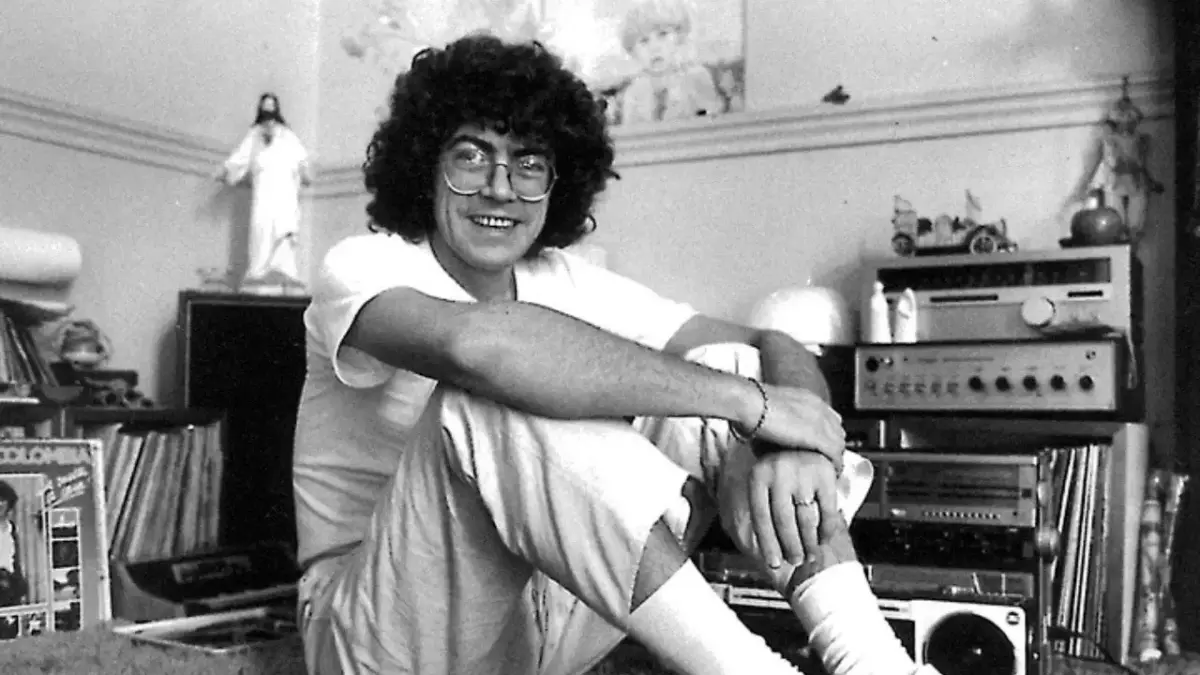
BUENOS AIRES — Latin America is in mourning following the death of Piero Antonio Franco De Benedictis, universally known simply as Piero, the iconic Italo-Argentine singer-songwriter whose poignant ballads and politically conscious anthems became the soundtrack of generations. Piero passed away on Wednesday, October 7, 2026, at the age of 81 in Buenos Aires, Argentina.
His death closes a monumental, six-decade-long chapter in popular music history—one defined by poetic depth, unwavering social commitment, and an artistic voice that seamlessly bridged the cultures of Italy, Argentina, and Colombia. According to official statements released by his family through his representatives, the artist had been battling undisclosed health issues and was hospitalized at the prestigious Hospital Italiano in Buenos Aires during his final days.
Piero leaves behind an indelible legacy. He transformed deeply personal reflections and collective political frustrations into timeless cultural touchstones. From the universal ache of paternal love immortalized in "Mi viejo" to the rousing cries for justice in "Para el pueblo lo que es del pueblo," his music transcended commercial boundaries to become part of the Latin American consciousness.
1. Main Facts: The Passing of a Cultural Giant
Piero’s passing marks the end of an era for the nueva trova and Latin American singer-songwriter movements. Born in Italy in 1945 before immigrating to Argentina as a young child, Piero grew up absorbing the turbulent political and social landscapes of the mid-20th century. These realities profoundly shaped his artistic vision.
Over a career spanning more than sixty years, Piero released over 25 studio albums and performed thousands of concerts worldwide. He was not merely a balladeer; he was a cultural chronicler who used his platform to advocate for human rights, social equity, and peace. His distinctive vocal delivery—often fragile yet piercingly resonant—gave emotional weight to lyrics that tackled everything from familial bonds to authoritarian oppression.
His bond with Colombia was particularly profound. Having lived, toured, and deeply connected with the country for decades, Piero was officially granted Colombian citizenship in 1996. To millions of Colombians, he was not just a foreign artist who visited on tour, but an adopted son of the nation whose music provided solace and inspiration through decades of national transformation.
2. Chronology: A Life Dedicated to Art and Activism
To understand Piero’s monumental impact, one must trace a timeline defined by artistic milestones, political exile, and enduring cultural relevance.
Early Beginnings and the Birth of a Star (1960s)
Piero’s journey into the arts began in the vibrant cultural milieu of Argentina during the 1960s. After cutting his teeth in various artistic circles, he made his official television debut in Argentina in 1964. However, the true turning point of his career occurred in 1968 when he crossed paths with poet and journalist José Tcherkaski.
This partnership birthed one of the most prolific creative duos in Latin American music history. Tcherkaski provided the poetic framework, while Piero infused it with haunting melodies and his signature interpretive delivery.
The Phenomenon of "Mi viejo" (1969)
In 1969, the duo released "Mi viejo," a track that would fundamentally alter Piero’s life and cement his place in music history. With Tcherkaski’s evocative lyrics and Piero’s heartfelt performance, the song struck a universal chord, exploring the complex, often unspoken love between fathers and children.
"Mi viejo" quickly became an intergenerational anthem. According to data from the prestigious Fundación Konex, the song has since been recorded in more than 500 distinct versions by artists across the globe, cementing its status as one of the most covered compositions in the Spanish-speaking world.
Exile, Social Struggle, and Expansion (1970s–1990s)
As political instability and brutal military dictatorships swept across the Southern Cone during the 1970s and 1980s, artists with progressive messages became targets of state censorship and violence. Piero’s music, which frequently championed the working class and critiqued systemic inequality—exemplified by tracks like "Para el pueblo lo que es del pueblo"—forced him into a period of political exile in Spain.
Despite displacement, his artistic output did not falter. He continued to write, record, and tour, using his platform abroad to shed light on human rights abuses in Latin America. Upon his return to South America with the restoration of democracy, his music took on new layers of reconciliation and hope.
Deepening Roots in Colombia (1996–2026)
Piero’s relationship with Colombia intensified significantly in the late 20th century. In 1996, the Colombian government granted him honorary citizenship, recognizing his profound cultural contributions to the country. Over the next three decades, he maintained a near-constant presence on Colombian stages, cementing an affectionate, lifelong dialogue with generations of Colombian fans.
3. Supporting Data: The Musical Repertoire and Discography
Piero’s catalog is vast, ranging from delicate acoustic ballads to politically charged rock and folk compositions. Beyond "Mi viejo," his discography is peppered with enduring masterpieces:
- "Llegando, llegaste"
- "Tengo la piel cansada de la tarde"
- "Pedro Nadie"
- "Para el pueblo lo que es del pueblo"
According to records kept by the Fundación Konex, Piero published over 25 original albums. His work earned him numerous accolades, including recognition as one of the definitive architects of the canción de autor (singer-songwriter genre) in Latin America. His lyrics frequently combined philosophical introspection with sharp social commentary, making him a bridge between the traditional folkloric music of the Andes and the modern protest songs of the turbulent 20th and 21st centuries.
4. Official Responses and Tributes
Following the announcement of his death by his family, cultural institutions, government bodies, and fellow artists flooded media outlets and social networks with emotional tributes.
Colleagues from across the globe remembered Piero not only as an exceptional musician, but as a deeply empathetic human being who used his art to champion the disenfranchised. Cultural ministries in Argentina, Italy, and Colombia released joint statements highlighting his unique role as a cultural ambassador who connected three distinct nations through the universal language of song.
In Colombia, where his secondary home lay, cultural centers and lifelong fans expressed profound grief. Many highlighted his humility, noting that despite decades of international acclaim, Piero always approached his audience with the warmth of a close friend sharing stories around a campfire.
5. Implications: The Final Tours and Enduring Legacy in Colombia
Piero’s final years were marked by active engagement with his audiences, particularly in Colombia, where he maintained an ambitious touring schedule well into his late seventies and early eighties.
His recent history in the country reflects a vibrant, unflagging passion for performance:
- September 2022: Piero was a celebrated performer at the inaugural edition of the Festival Cordillera in Bogotá, proving that his music resonated just as powerfully with modern indie and alternative rock crowds as it did with historical folk enthusiasts.
- Throughout 2025: He embarked on extensive tours celebrating his classic works, including memorable performances at the historic Teatro Jorge Eliécer Gaitán in Bogotá in June 2025, where he showcased pieces from La Sinfonía Inconclusa en la Mar.
- April 19, 2026: In what is now documented as his final public performance in Colombia, Piero took the stage at the Teatro Colsubsidio in Bogotá. The concerts were part of the 50th-anniversary celebrations of La Sinfonía Inconclusa en la Mar, marking a poignant, triumphant final chapter for his live career in the country he called his second home.
A Legacy That Outlives Mortality
Piero’s departure leaves a massive void in the cultural landscape of Latin America. As tributes continue to pour in from Buenos Aires to Bogotá and beyond, it is clear that his physical absence will not diminish his cultural footprint.
Through the hundreds of covers of "Mi viejo," the ideological resonance of his protest anthems, and the cherished memories of his final performances at venues like Teatro Colsubsidio and Festival Cordillera, Piero Antonio Franco De Benedictis remains immortal. He taught a continent how to look at its fathers, its societies, and its future with profound critical awareness and unconditional love. Rest in peace, maestro.


Leave a Reply