

Main Facts
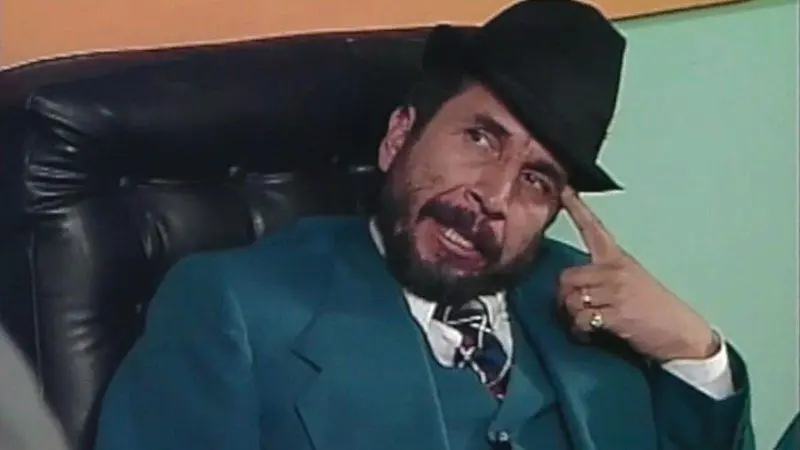
Jorge Velosa, born in the high-altitude Andean municipality of Ráquira, Boyacá, on October 6, 1949, stands as an indisputable cultural pillar of Colombia. Widely celebrated as the creator, master, and principal custodian of carranga—a lively, narrative-driven folk genre rooted in the traditions of the Colombian countryside—Velosa’s influence stretches far beyond the boundaries of traditional music. He is a multi-faceted artist whose contributions encompass songwriting, veterinary medicine, television acting, radio broadcasting, and literature.
For over five decades, Velosa has served as the chronicler of the Colombian peasant (campesino), translating the simple joys, daily hardships, and rich oral histories of rural life into unforgettable anthems. With iconic compositions such as “La cucharita,” “Julia, Julia, Julia,” and “La china que yo tenía,” he transformed regional peasant music into a national phenomenon.
Despite his academic background as a graduate in veterinary medicine from the prestigious National University of Colombia, Velosa’s calling was inextricably tied to the arts. From crafting primitive instruments out of found objects as a young boy to filling modern symphonic halls with the rustic sounds of the requinto and the tiple, Velosa has consistently bridged the gap between academic intellectualism and grassroots cultural expression. Today, at 77 years of age, he remains an active creator, writer, and performer, continually shaping the landscape of Colombian popular culture.
Chronology of a Cultural Icon
1949–1960s: Roots in Ráquira and Early Musical Inventions
Jorge Velosa was born into a family deeply connected to the customs, agricultural rhythms, and folklore of the Andean region. Growing up in Ráquira—a town renowned for its artisanal pottery and rugged landscapes—Velosa displayed an extraordinary early affinity for sound.
According to an archival interview conducted by Consuelo Cepeda in 1996 with Velosa’s mother, the young Jorge began improvising musical instruments from whatever objects he could find around him by the age of five. Capadores (panpipes), handmade maracas, and rustic flutes were crafted out of sheer curiosity. In a game of pure creativity, he recruited his childhood friends into an impromptu ensemble, subtly planting the seeds of his lifelong dedication to communal, collaborative music-making.
1970s: Academic Pursuits and the Birth of Carranga
Before dedicating his life entirely to the arts, Velosa moved to Bogotá to pursue higher education. He successfully graduated as a Doctor of Veterinary Medicine from the National University of Colombia. However, while practicing veterinary medicine and traveling through rural communities to treat livestock, he found himself increasingly immersed in the traditional peasant music of the Andes.
By the mid-1970s, Velosa was deeply engaged in exploring how these traditional sounds could be adapted to tell contemporary stories, document rural customs, and comment on the nuances of everyday life. This period of experimentation culminated in 1977 when he founded Los Carrangueros de Ráquira, alongside José Luis “El Chato” Lagos, Jorge González, and Ramiro Zambrano. This foundational group formalized the carranga genre, injecting traditional Andean rhythms with sharp rural humor, social commentary, and theatrical flair.
1980s: National Stardom and the Golden Age of the Requinto
The 1980s marked the meteoric rise of Velosa and his bandmates on the national stage. Tracks like “La cucharita” became instant classics, transcending geographic and social divides to capture the imagination of both rural farmers and urban elites in Bogotá and Medellín.
In 1984, the release of the landmark album Pa’ los pies y el corazón solidified Velosa’s status as a master songwriter. During this decade, Velosa also expanded his artistic footprint into television and radio. He charmed Colombian television audiences with memorable acting roles in iconic, critically acclaimed series such as Don Chinche and Romeo y Buseta, while also lending his distinctive voice, wit, and narrative skills to radio as a broadcaster and scriptwriter.
1990s–2010s: Literary Exploration and Symphonic Collaborations
As the decades progressed, Velosa’s creative output diversified even further. He ventured into publishing, authoring several books that captured the oral traditions, folklore, and historical evolution of carranga. Notable literary works from this period include La cucharita y no sé qué más, El convite de los animales, and Historiando mi cantar.
Musically, Velosa continued to innovate while staying true to his roots. A monumental milestone occurred in 2011 with the release of Carranga Sinfónica, an ambitious project that successfully merged rustic peasant melodies with the rich, complex arrangements of a full symphony orchestra. This project proved that carranga was not merely a regional novelty, but a sophisticated musical art form worthy of preservation and elevation on classical stages.
2020s: Contemporary Legacy and Ongoing Creation
Entering his seventies, Velosa showed no signs of slowing down. Alongside Los Carrangueros del 25, he released El carrango y la carranga in 2024, proving that his artistic vision remains as vibrant and relevant as ever. Collaborations like the release of "El velorio del compadre" alongside younger generations of musicians highlight his enduring commitment to mentoring and keeping the tradition alive. Today, Velosa continues to write, publish, and perform, standing as a living monument to Colombian folklore.
Supporting Data & Repertoire
To understand the magnitude of Jorge Velosa’s impact, one must examine the vast body of work he has produced and the specific cultural markers that define his career. His discography and literary bibliography form a comprehensive archive of rural Colombian life.
Key Musical Discography & Projects
- Los Carrangueros de Ráquira (Founded 1977): The pioneering ensemble that birthed modern carranga.
- Pa’ los pies y el corazón (1984): A seminal album that brought tracks like “Julia, Julia, Julia” and “La china que yo tenía” to nationwide prominence.
- Carranga Sinfónica (2011): A daring crossover project bridging traditional Andean folk instruments with symphonic orchestral arrangements.
- El carrango y la carranga (2024): A recent collaboration with Los Carrangueros del 25 showcasing his uninterrupted creative momentum.
Essential Track Repertoire
Velosa’s songbook reads like a sociological study of the Colombian Andes, characterized by whimsical titles, deep observation of human behavior, and profound empathy for the working class:
- “La cucharita”: The quintessential carranga anthem that tells the bittersweet story of a lost wooden spoon and symbolizes the deep nostalgia of rural loss.
- “Julia, Julia, Julia”: A lively, romantic, and rhythmically infectious piece that remains a staple of Colombian folk celebrations.
- “La gallina mellicera”: A humorous narrative showcasing Velosa’s penchant for storytelling through everyday rural anecdotes.
- “Las diabluras” & “El rey pobre”: Songs that blend moral tales with sharp peasant wit and social observations.
Literary Contributions
- La cucharita y no sé qué más – Exploring the backstory and cultural fallout of his most famous composition.
- El convite de los animales – A fable-like exploration of nature, community, and human behavior through the lens of the animal kingdom.
- Historiando mi cantar – A reflective journey through his decades in music and the evolution of the genre he created.
Official Responses and Cultural Recognition
Over a career spanning more than 50 years, Jorge Velosa has received widespread acclaim from cultural institutions, academic bodies, and government entities across Colombia.
Cultural critics and historians frequently point to Velosa as the savior of Andean folklore during a twentieth-century period dominated by imported commercial genres like rock, pop, and tropical music. The Ministry of Culture of Colombia has repeatedly honored Velosa as a "National Living Treasure," recognizing that his music successfully documented the vernacular language, idioms, and worldview of the Boyacense and Cundinamarcan peasantry.
Furthermore, academic institutions—led by the National University of Colombia, his alma mater—have celebrated how a trained veterinarian managed to heal not just animals, but the cultural identity of a nation. Folklorists emphasize that before Velosa, peasant music was often marginalized or dismissed as simplistic "música de carrilera" or unsophisticated country noise. Velosa legitimized the genre, dressing it up in rural ruana and giving it a seat at the table of high Colombian culture without ever stripping away its earthy, authentic charm.
Institutional tributes often highlight his role as an environmental advocate. Through songs that celebrate native flora, fauna, water sources, and peasant ecology, Velosa’s public persona has consistently aligned with conservation efforts, making him a revered voice in ecological and rural rights advocacy.
Implications for Colombian Culture and Future Generations
The legacy of Jorge Velosa carries profound implications for the preservation of intangible cultural heritage in Latin America. In an era of rapid globalization and digital homogenization, Velosa’s carranga stands as a resilient bastion of local identity.
1. Democratization of Folk Music
Velosa proved that folk music does not need to remain static or locked in museums to be authentic. By injecting contemporary humor, social critique, and theatrical performance into traditional structures, he made Andean folk music accessible to urban youth, coastal populations, and international listeners alike. He demonstrated that rural experiences—farming, livestock, village gossip, and mountain landscapes—possess universal human resonance.
2. Bridging the Urban-Rural Divide
For decades, Colombia suffered from a deep cultural disconnect between its bustling urban centers (Bogotá, Medellín, Cali) and its neglected rural peripheries. Velosa’s crossover into television (Don Chinche), radio, and symphonic halls acted as a cultural bridge. He humanized the campesino for urban audiences who previously viewed rural populations through lenses of prejudice or pity. Through his art, the peasant was rendered witty, wise, dignified, and central to the Colombian narrative.
3. Inspiration for Future Generations
As Velosa continues his career in his late seventies, his influence can be seen in a vibrant new wave of Andean folk and fusion artists who continue to experiment with carranga. By showing that tradition and innovation can coexist harmoniously, Velosa has ensured that the voice of the Colombian Andes will not fade into silence.
Ultimately, Jorge Velosa is much more than a musician; he is the collective memory of a nation’s highlands, set to the rhythmic, cheerful, and enduring strum of a requinto.


Leave a Reply