

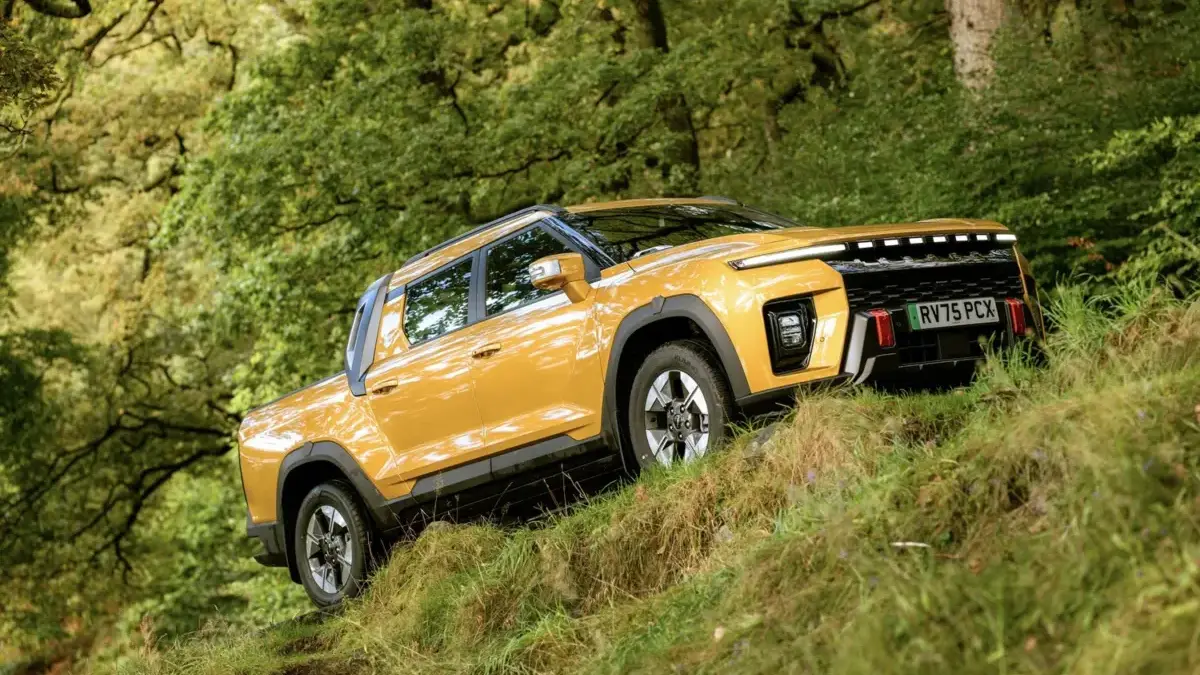
Introduction: The Evolution of the Modern Pick-up Truck
For decades, pick-up trucks served a singular, utilitarian purpose. They were the invisible workhorses of the automotive world—rugged, basic, and strictly reserved for farms, construction sites, and industrial fleets. Today, however, the landscape of mobility has radically shifted. Pick-up trucks have transcended their traditional commercial roots to become prominent lifestyle statements, dominant family haulers, and central figures in intense urban debates regarding traffic congestion, roadway safety, and environmental impact.
As these vehicles claim an ever-larger share of the global automotive market, consumer interest has surged. Potential buyers now pore over specifications that go far beyond basic horsepower and torque. The most common inquiries among prospective owners revolve around vehicle length, weight differentials, payload versus towing capacities, cabin and bed configurations, and the nuances separating light-duty from heavy-duty variants.
Simultaneously, a fierce public policy debate has erupted. Backed by alarming empirical data from major safety organizations, urban planners, and investigative journalism, critics argue that the sheer physical scale of modern trucks poses a disproportionate threat to pedestrians, cyclists, and occupants of smaller passenger cars. Rather than calling for a total ban—a measure deemed both impractical and economically disruptive—regulators, safety advocates, and urban planners are grappling with a complex web of compromise solutions designed to mitigate danger without abandoning the professionals who genuinely rely on these heavy-duty machines.
Main Facts: What Buyers Want to Know and Why Trucks Have Grown
To understand the current market obsession with pick-up trucks, one need only look at consumer inquiry trends compiled by major manufacturers like Chevrolet and Ford. When modern buyers approach a dealership showroom, their mental checklist is vastly different from that of buyers from thirty years ago.
The Buyer’s Checklist
- Dimensions and Footprint: How long is a modern pick-up truck? How much does a standard crew-cab model weigh?
- Capability Metrics: What is the technical difference between towing, trailering, and hauling? What are the maximum payload capacities of light-duty versus heavy-duty options?
- Configuration Flexibility: What are the available combinations of cab sizes (extended, crew) and bed lengths? Can a truck be custom-ordered to match specific vocational requirements?
- Advanced Driver Assistance Systems (ADAS): Which safety and driver-assistance technologies come standard, and which require expensive optional packages?
The Scale of the Problem
The core controversy centers on physical dimensions. Over the last three decades, pick-up trucks have grown taller, wider, and significantly heavier. This upward creep in physical dimensions is driven partly by consumer demand for cabin comfort and luxury features, and partly by regulatory loopholes (such as fuel economy standards that historically penalized traditional cars more severely than larger light trucks).
Modern heavy-duty trucks feature grilles and hoods that routinely surpass 55 inches (roughly 1.4 meters) in height. To put this into perspective, the front edge of a modern full-size pick-up’s hood can sit at the eye level of an elementary school child or completely obscure a pedestrian seated in a wheelchair. This creates monumental front blind spots that transform standard parking lots and urban intersections into high-risk zones.
Chronology: A Decades-Long Warning Ignored
The safety debate surrounding large pick-up trucks and oversized SUVs is far from a recent phenomenon. While public awareness has spiked following recent journalistic deep dives, automotive safety advocates have been sounding alarm bells since the late twentieth century.
The 1990s: Early Warnings
As the initial wave of consumer-focused SUVs and larger trucks began replacing traditional station wagons and sedans in driveways across North America, safety researchers noted a disturbing trend. Frontal collisions involving higher-riding vehicles consistently resulted in more severe injuries for occupants of struck vehicles and dramatically higher fatalities among pedestrians. However, these early warnings were largely sidelined by booming commercial sales and a cultural shift toward larger, imposing vehicles.
The 2010s: Empirical Data Emerges
By the mid-2010s, federal agencies and independent institutes began publishing concrete data.
- 2010s (Early): The Detroit Free Press published a landmark investigative series measuring the physical dimensions of consumer vehicles in dealership lots, confirming that hood heights and vehicle weights were scaling upward at an alarming rate without corresponding increases in driver visibility.
- 2015: The National Highway Traffic Safety Administration (NHTSA) released comprehensive literature reviews highlighting the escalated risk large vehicles posed to vulnerable road users.
- The Insurance Institute for Highway Safety (IIHS) and Consumer Reports: These institutions repeatedly stepped into the vacuum, conducting independent measurements of hood heights and crash kinematics because automotive manufacturers historically omitted forward visibility metrics from consumer marketing materials.
The 2020s: Mainstream Reckoning
The turning point for mainstream public consciousness arrived via sweeping investigative journalism—most notably an extensive analysis published by The New York Times, which estimated that large trucks and SUVs were directly responsible for hundreds of additional preventable deaths annually. The discourse quickly graduated from automotive enthusiast forums to corporate boardrooms and political arenas, drawing direct scrutiny to automotive giants like General Motors, Ford, and Stellantis.
Supporting Data: The Physics of Danger
The argument against unchecked vehicle growth is grounded in hard physics and extensive crash-test data compiled by agencies like the IIHS and NHTSA.
1. Frontal Profile and Pedestrian Kinematics
Traditional passenger cars feature low, sloped hoods designed to channel a struck pedestrian up and over the bonnet, reducing direct trauma to vital organs. Modern pick-up trucks, by contrast, present a blunt, vertical wall of steel.
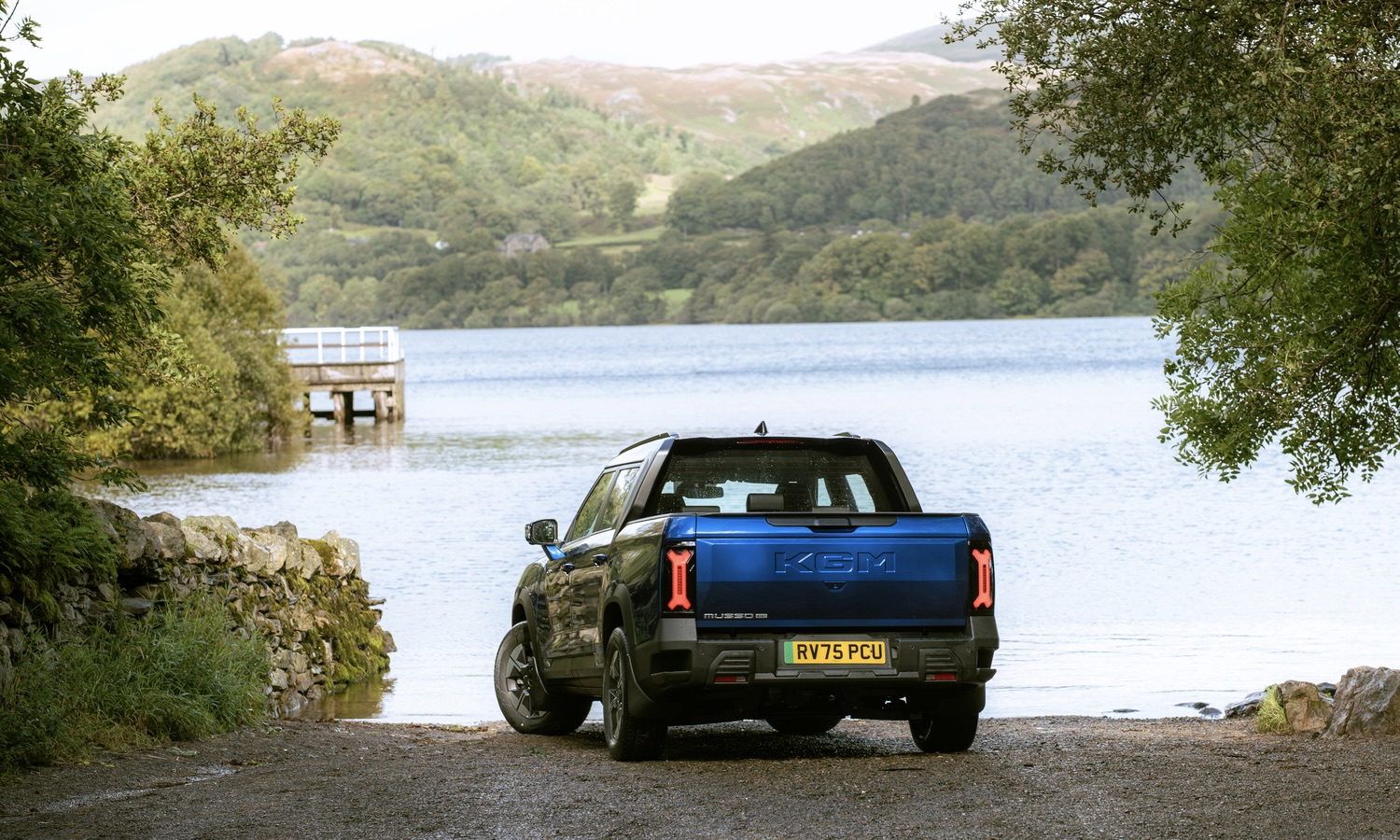
- According to IIHS findings, high-profile, square-fronted vehicles are approximately 45% more lethal to pedestrians than traditional passenger cars.
- Instead of being deflected upward, a pedestrian struck by a high-profile truck is typically thrown forward—directly under the wheels of the vehicle, drastically reducing survival rates.
2. The Statistical Toll
While estimates vary based on methodology, data analyzed by major journalistic investigations and federal regulators indicates that oversized light trucks and large SUVs contribute significantly to rising pedestrian mortality rates. Estimates suggest these massive platforms account for 200 to 400 additional deaths per year in the United States alone—a conservative figure when factoring in the proliferation of these vehicles globally.
3. Aftermarket Modifications
Compounding factory design choices is the booming aftermarket culture surrounding pick-up trucks. Suspension lift kits, leveling kits, and rigid steel bull bars or aftermarket grille guards severely exacerbate roadway hazards.
- Lift kits raise the vehicle’s center of gravity, increasing rollover risk during emergency maneuvers.
- Rigid steel accessories completely compromise factory-engineered crumple zones, transferring catastrophic crash forces directly into opposing vehicles or human bodies. While countries like the United Kingdom heavily restrict or outright ban rigid bull bars, regulatory enforcement remains fractured and lax across North American jurisdictions.
Official Responses and Regulatory Landscapes
As public pressure mounts, regulatory bodies and governments on both sides of the Atlantic are beginning to respond, albeit cautiously.
United States: Incremental Steps and Federal Action
The United States has historically lagged behind Europe in implementing stringent pedestrian-protection standards for light trucks, largely due to the immense economic and political clout of domestic manufacturers. However, incremental changes are occurring:
- The NHTSA Pedestrian Safety Rating: For the first time, the federal agency introduced a pedestrian safety classification system. However, critics note its limitations: it exists as a separate web-based metric rather than being fully integrated into the consumer-facing 5-star crash rating system seen on dealership window stickers.
- Infrastructure Investment and Jobs Act: This legislation mandated that Automatic Emergency Braking (AEB) with pedestrian detection become standard equipment on all new light-duty vehicles. While this electronic safety net helps mitigate driver reaction delays, it does not fully solve the physical limitations of massive blind spots and heavy mass.
Europe: Comprehensive Crash Testing and Urban Deterrents
In Europe, the regulatory approach is fundamentally integrated into vehicle homologation:
- Euro NCAP Ratings: Pedestrian protection has long been a core component of the overall 5-star safety rating. Vehicles with overly aggressive, high-profile front ends struggle to achieve top marks, forcing manufacturers to design softer, more pedestrian-friendly front structures even on larger platforms.
- Municipal Interventions: European cities have increasingly utilized municipal levers—such as tiered parking fees based on vehicle footprint and weight, or outright restricted access zones—to discourage the use of oversized vehicles in dense urban environments.
Implications: Finding the Balance Between Utility and Public Safety
The debate over pick-up trucks ultimately exposes a profound societal tension: how to balance the legitimate occupational needs of workers with the collective right to public safety on shared roadways.
The Vocational Necessity
Proponents of pick-up trucks are quick to point out that demonizing the entire vehicle class ignores the millions of contractors, farmers, utility workers, and outdoor professionals who genuinely require the towing capacity, four-wheel-drive systems, and cargo beds of a modern truck. For these individuals, a compact car or standard crossover is a professional dead-end.
Furthermore, public sector fleets—such as police departments, park services, and municipal maintenance crews—frequently purchase pick-up trucks and large SUVs. Critics argue that public agencies should lead by example, restricting oversized truck purchases strictly to roles where heavy hauling or off-road towing is mandatory, rather than defaulting to large trucks for administrative or standard patrol duties.
The Path Forward: Policy and Design Solutions
Experts agree that outright bans on pick-up trucks are neither politically feasible nor economically sensible. Instead, a pragmatic suite of policy and design interventions is required:
- Redesigning Front Profiles: Manufacturers must be incentivized or mandated to lower and soften hood lines, improving direct driver visibility.
- Mandatory Frontal Cameras: For existing high-profile vehicles where lowering the hood is impractical, mandating front-facing cameras and low-speed proximity sensors can eliminate immediate front blind spots.
- Regulating Aftermarket Modifications: Tightening legal restrictions on dangerous aftermarket lift kits and rigid steel bull bars will curb unnecessary secondary risks.
- Economic Disincentives: Implementing weight- and size-based registration fees, tolls, and parking rates will naturally discourage consumers from purchasing oversized vehicles purely for aesthetic or lifestyle vanity.
Conclusion
Pick-up trucks are miraculous feats of modern automotive engineering. Their capacity to haul heavy loads, traverse brutal terrain, and tow immense weights makes them indispensable tools for modern industry. However, their unchecked growth in physical scale has transformed them into mobile safety hazards on shared streets.
The ongoing debate is not an existential war against the pick-up truck itself. Rather, it is a necessary cultural and regulatory reckoning. By embracing sensible design reforms—such as lowering front profiles, enforcing stricter aftermarket modifications, expanding electronic safety aids, and rationalizing public fleet purchases—society can preserve the undeniable utility of the pick-up truck while ensuring that the safety of pedestrians, cyclists, and drivers of smaller cars is no longer compromised by the arms race of automotive size.

Leave a Reply