

Introduction: From Workhorse to Urban Contender
For decades, pick-up trucks served a singular, humble purpose: utilitarian workhorses designed for farms, construction sites, and rugged terrain, safely tucked away as niche options in automotive brochures. Today, however, these vehicles occupy an entirely different tier of the automotive landscape. They dominate sales charts, crowd suburban driveways, and sit firmly at the epicenter of intense debates regarding modern mobility, urban infrastructure, and public safety.
As consumer interest in pick-ups surges, prospective buyers are no longer just mechanics or contractors; they are urban and suburban drivers navigating tight parking structures and pedestrian-heavy streets. Consequently, consumer queries have shifted from basic utility to complex specifications: vehicle length and weight, the technical distinction between towing and hauling, cab and bed configurations, light-duty versus heavy-duty options, and maximum payload limits.
Yet, as these vehicles have grown in popularity, their physical dimensions have ballooned. This dimensional creep has ignited a fierce public debate. Influential traffic safety reports and federal agencies—particularly in the United States—have issued repeated warnings that oversized vehicles, notably pick-up trucks and large SUVs, present an exponentially higher risk of severe injury or death to pedestrians, cyclists, and occupants of smaller passenger cars.
The core of the debate is not about enacting sweeping, outright bans on pick-up trucks, which would devastate the commercial and industrial sectors that genuinely rely on them. Instead, policymakers, safety advocates, and manufacturers are grappling with pragmatic intermediate measures designed to mitigate inherent dangers without stripping working professionals of an essential tool.
Main Facts: Decoding the Modern Pick-Up Market
To understand the current friction between utility and urban safety, one must first look at what defines today’s pick-up market. Data and consumer inquiries compiled by major manufacturers like Chevrolet reveal a fascinating snapshot of buyer priorities. When consumers evaluate a potential truck purchase, their concerns run the gamut from heavy-duty classifications to safety technology.
Key Buyer Inquiries and Technical Metrics
- Physical Footprint: Buyers frequently query the exact overall length and curb weight of modern pick-ups, recognizing that parking and maneuvering these behemoths in congested cities is a constant challenge.
- Capability Terminology: Distinctions between towing (pulling a trailer via a hitch) and trailering or hauling (carrying weight directly in the truck bed, also known as payload capacity) are central to matching a vehicle to its intended workload.
- Classification Levels: Consumers carefully weigh the differences between light-duty (often more efficient, daily-driver-friendly platforms) and heavy-duty (HD) options built for extreme industrial workloads.
- Configuration Flexibility: Choices regarding cab sizes (regular, extended, crew) and bed lengths allow buyers to tailor vehicles to their precise needs, though these choices directly impact the truck’s overall physical footprint.
- Active and Passive Safety: Modern buyers increasingly demand to know which driver-assistance systems come standard versus those relegated to costly optional packages.
The Dimensional Problem
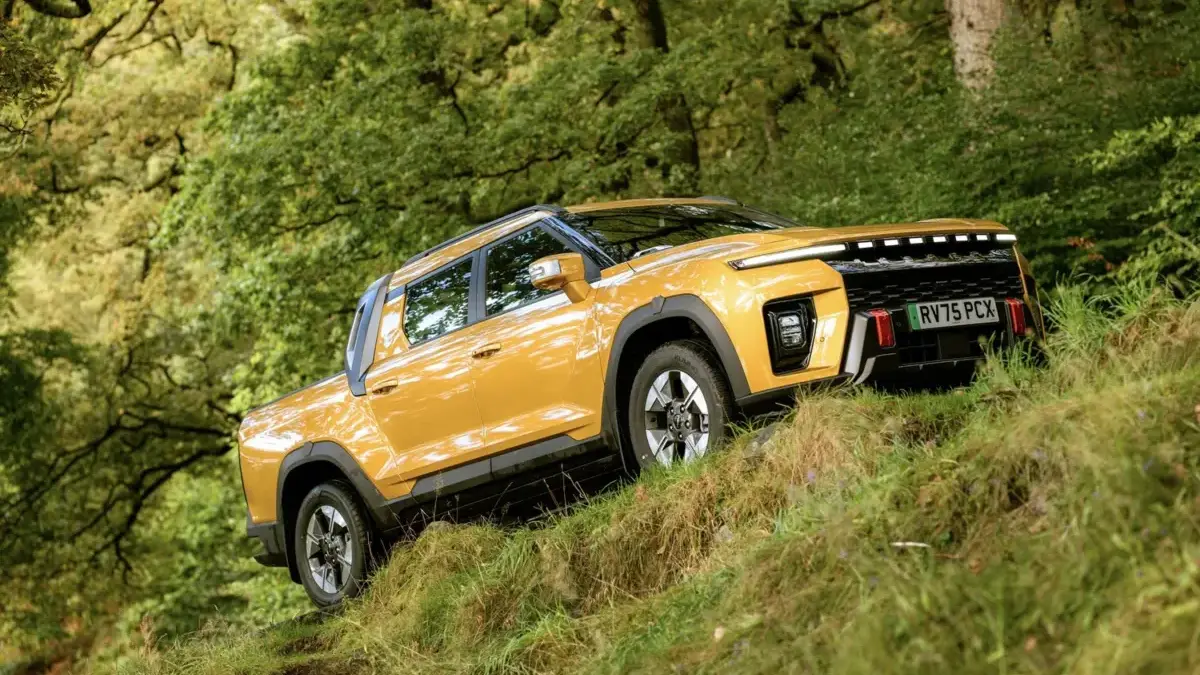
The fundamental physical characteristics of modern pick-ups have changed dramatically over the last thirty years. Front grilles and hoods have risen precipitously. In many top-selling full-size trucks, the top of the hood now sits more than 55 inches (approx. 1.4 meters) off the ground. This elevation creates massive blind spots directly in front of the vehicle—large enough to completely obscure a fourth-grader standing upright or a person in a wheelchair. In crowded parking lots and tight urban corridors, these front blind spots are no longer minor inconveniences; they are critical hazards.
Chronology: The Decades-Long Warning on Vehicle Scale
The public safety debate surrounding large vehicles is far from a knee-jerk reaction to modern electric trucks. It is the culmination of decades of research, data collection, and unheeded warnings.
The 1990s: Early Warnings and Data Gaps
As early as the 1990s, automotive safety experts and urban planners began noticing a troubling correlation between the rising popularity of light trucks (which at the time included early SUVs and compact-to-midsize pick-ups) and an increase in pedestrian fatalities. However, these early warnings were largely sidelined.
A major obstacle during this era was a severe lack of standardized data. Independent organizations like Consumer Reports were forced to manually measure vehicle hood heights with tape measures because hood geometry was not yet tracked as a standard consumer metric. When researchers physically measured vehicle grilles in dealership lots, they uncovered a disturbing trend toward taller, blunter front ends—a trend that the Detroit Free Press later analyzed with greater academic rigor in the 2000s.
The 2010s: Federal Acknowledgments
By the mid-2010s, federal safety bodies could no longer ignore the data. The U.S. National Highway Traffic Safety Administration (NHTSA) published comprehensive reviews highlighting the disproportionate risk large vehicles posed to vulnerable road users. Independent bodies, including the Insurance Institute for Highway Safety (IIHS) and Consumer Reports, repeatedly reinforced these findings, demonstrating that front-end geometry played a massive role in the lethality of collisions.
The 2020s to Present: The Global Reckoning
In recent years, deep-dive journalistic investigations—most notably a landmark analysis by The New York Times—put hard numbers to the crisis. The study calculated that large trucks and SUVs were responsible for an estimated 200 to 400 additional deaths annually compared to smaller passenger vehicles, a figure that analysts considered conservative. The controversy spilled over into corporate boardrooms and political arenas, drawing scrutiny toward automotive executives at companies like General Motors and prompting a broader global reassessment of vehicle design standards.
Supporting Data: Geometry, Lethality, and Infrastructure
The argument against oversized pick-ups is anchored in hard physics and empirical crash data. Two primary factors dictate the lethality of a modern truck in an urban environment: front-end height and frontal profile shape.
The Danger of Blunt, Elevated Front Ends
According to extensive research from the IIHS, vehicle front-end design is directly tied to pedestrian survival rates:
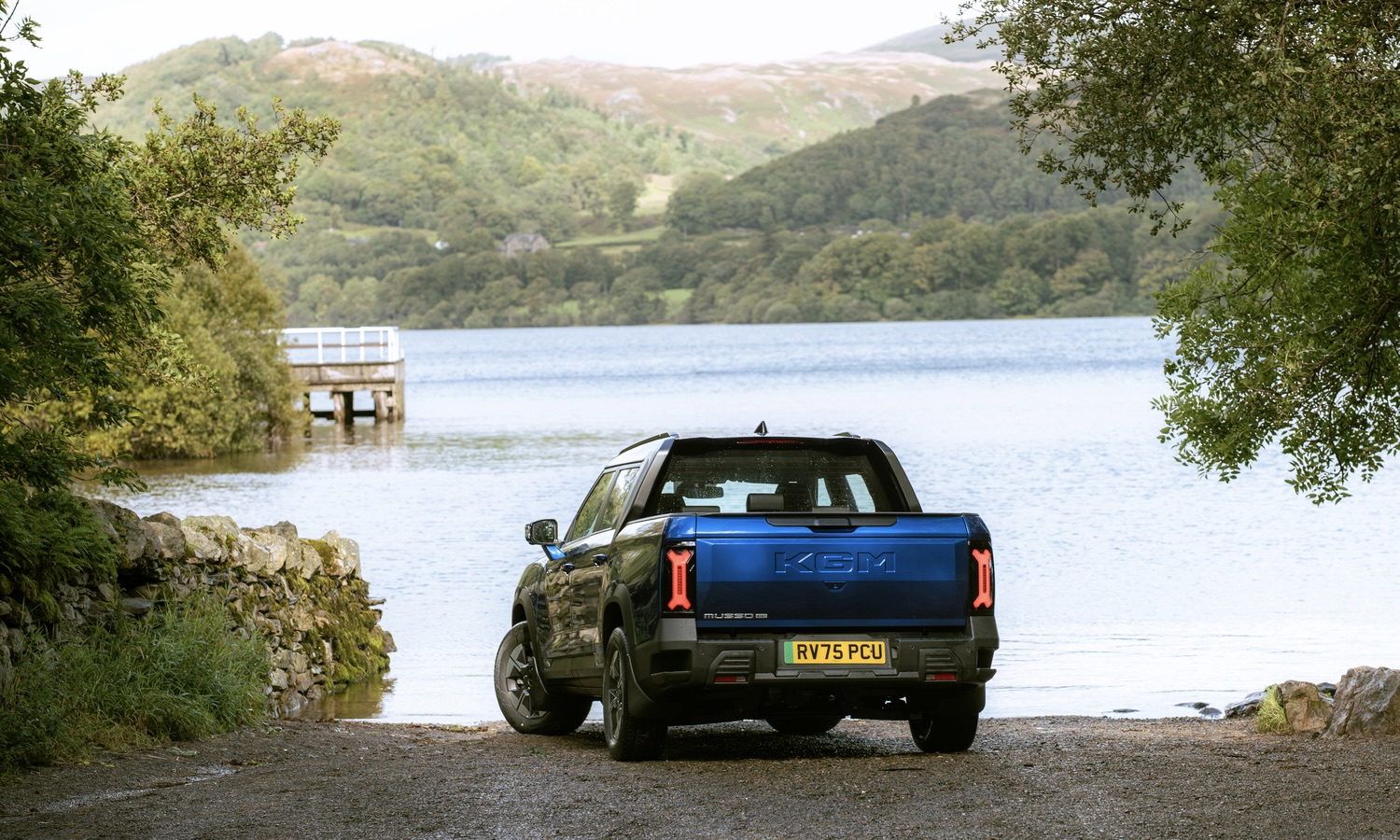
- Height of Impact: When a conventional sedan strikes a pedestrian, the point of impact is typically low, sweeping the person’s legs out from under them and onto the hood, mitigating direct trauma to vital organs. When a high-grille pick-up strikes a pedestrian, the primary point of impact is the torso or head.
- Profile Shape: Studies indicate that square, blunter front ends are roughly 45% more lethal to pedestrians than lower, more aerodynamically sloped profiles. The flat wall of a modern pick-up pushes a pedestrian forward rather than deflecting them upward, drastically increasing the likelihood of the person being run over by the front wheels.
Aftermarket Modifications: Compounding the Risk
The hazard is further compounded by consumer modifications. Aftermarket lift kits, heavy-duty suspension modifications, and rigid metal bull bars or brush guards drastically alter a vehicle’s crash dynamics.
- Center of Gravity: Raising a truck’s suspension elevates its center of gravity, significantly increasing the risk of rollovers during emergency maneuvers.
- Destruction of Crumple Zones: Rigid aftermarket bull bars completely bypass factory-engineered crumple zones. Instead of absorbing kinetic energy during a crash, these steel bars act as battering rams, transferring maximum force directly to whatever—or whoever—they hit.
Recognizing this hazard, countries like the United Kingdom have placed severe restrictions on rigid aftermarket frontal protection systems. In contrast, regulatory oversight in the United States remains highly fragmented and largely permissive, varying wildly from state to state.
Official Responses and Regulatory Landscapes
As public pressure mounts, regulatory bodies and governments on both sides of the Atlantic have begun responding, albeit with varying degrees of urgency and effectiveness.
United States: Incremental Steps and Bureaucratic Caution
The NHTSA recently introduced a dedicated pedestrian safety rating classification. While viewed as a step forward, safety advocates have criticized the implementation: the rating exists as a separate category on the agency’s website rather than being integrated directly into the famous five-star crash safety ratings displayed on window stickers at dealerships. Critics suggest this separation was a deliberate concession to major domestic manufacturers with heavily leveraged investments in lucrative pick-up lines.
On the legislative front, the U.S. infrastructure framework has introduced mandates requiring Automatic Emergency Braking (AEB) and pedestrian detection systems to come standard on all new light-duty vehicles. While this technology improves baseline safety, it does not solve the fundamental geometric problems of visibility and mass.
Furthermore, critics argue that public fleets should lead by example. Municipalities and federal agencies frequently purchase heavy-duty pick-ups and SUVs equipped with bull bars for police and park services, often driven by procurement inertia rather than genuine operational necessity. Critics contend that if municipal fleets genuinely require towing capabilities, they should be utilized strictly where needed, rather than deployed as standard-issue urban patrol units.
Europe: Integrating Pedestrian Protection
In Europe, the regulatory approach is structurally different. The Euro NCAP crash-testing framework has long integrated pedestrian protection directly into its comprehensive five-star safety rating. A vehicle cannot achieve top marks without demonstrating pedestrian-friendly front-end crumple zones and energy-absorbing hood designs.
Additionally, European cities have taken fiscal action. Urban centers across the continent have begun implementing progressive parking tariffs and weight-based registration fees, heavily penalizing oversized vehicles. The logic mirrors the debate in North America: not to enforce a blanket ban on large vehicles, but to internalize the public safety and infrastructure costs associated with driving massive automobiles in dense urban environments.
Implications: Finding a Path Forward
The debate over pick-up trucks ultimately exposes a profound cultural and industrial tension: balancing personal freedom and commercial utility against public safety and urban livability.
The solutions being discussed by safety experts are rarely dramatic or headline-grabbing. Adjusting hood heights, smoothing out aggressive front profiles, regulating aftermarket lift kits, mandating forward-facing blind-spot cameras, and adjusting municipal procurement policies lack the flash of sweeping vehicle bans. Yet, these pragmatic, incremental measures are precisely what is needed to save lives.
The future of the pick-up truck does not lie in eradication. These vehicles remain indispensable tools for agriculture, construction, emergency services, and heavy transport. However, the data makes it clear that the unchecked dimensional escalation of consumer trucks has created an unacceptable public hazard.
The central question facing automakers, regulators, and consumers is no longer whether pick-up trucks have a place on our roads—it is determining the exact point where a vehicle’s massive scale stops serving its owner and starts compromising the safety of everyone else.

Leave a Reply