

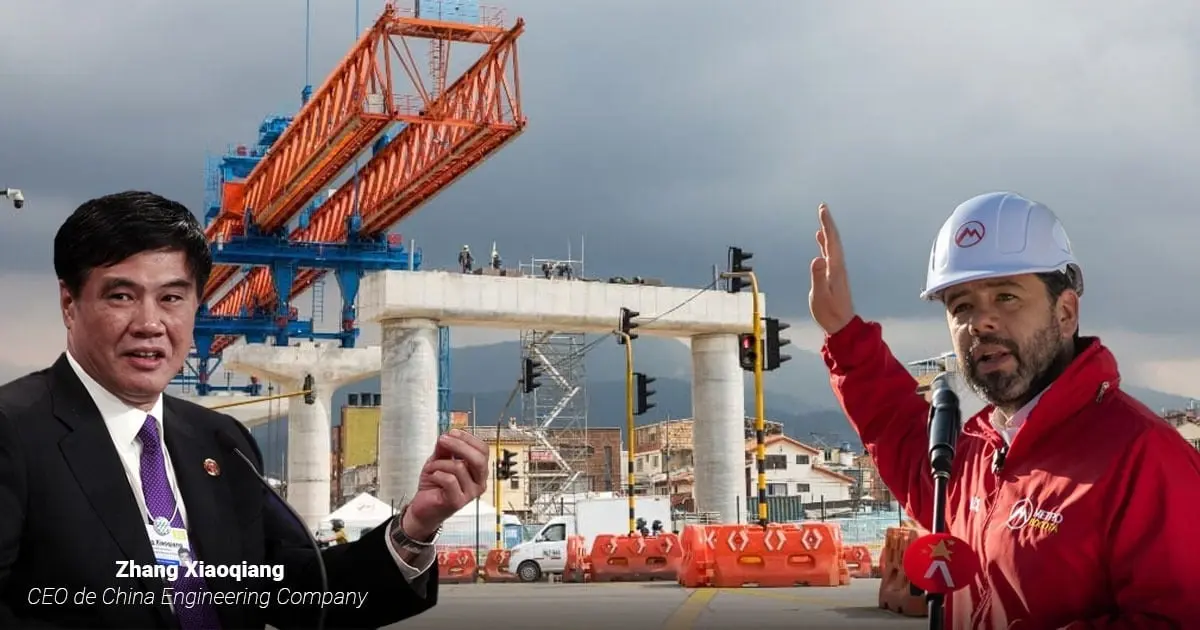
Bogota, Colombia — As September 2026 unfolds, the ambitious construction of Bogota’s First Metro Line (Plp) has reached a critical juncture. While official tallies place overall physical progress at a notable 83.73%, the final stretch of the mega-project is marred by mounting friction between local authorities and the consortium overseeing the works. What was once heralded as a seamless partnership between the District administration and international contractors has devolved into public disputes, contractual penalties, and formal legal intervention at the Bogota Chamber of Commerce.
With a fast-approaching commercial launch date scheduled for March 2028, municipal leaders and national stakeholders have sounded the alarm over critical delays in specific work fronts. The widening chasm between the Empresa Metro de Bogota (EMB) and the project’s supervisors highlights the immense logistical and administrative hurdles facing Colombia’s most important infrastructure undertaking.
Main Facts: The Core Conflict and Current Status
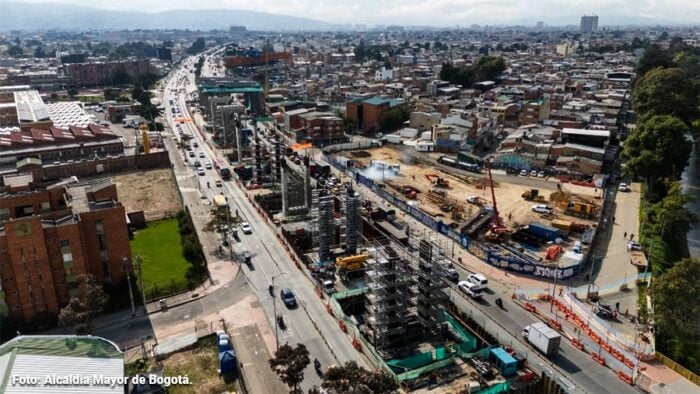
The primary bone of contention revolves around severe timeline slippages in non-structural yet vital components of the metro system. According to Bogota Mayor Carlos Fernando Galan, while structural viaducts and heavy civil engineering components maintain a steady rhythm, secondary and tertiary work fronts are lagging significantly behind schedule.
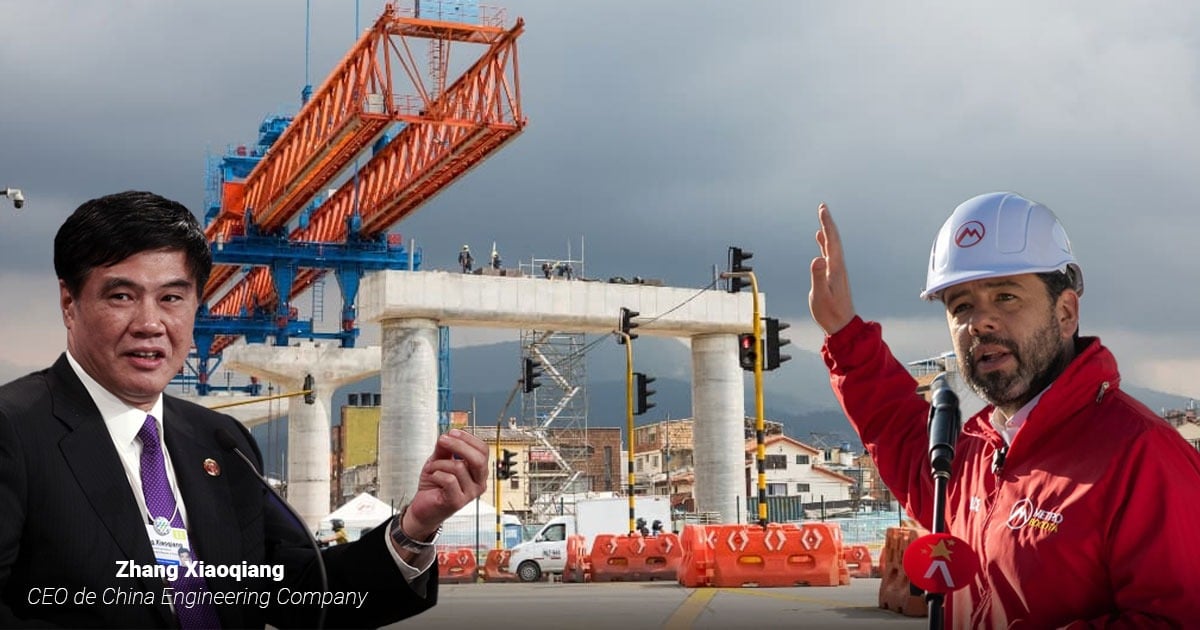
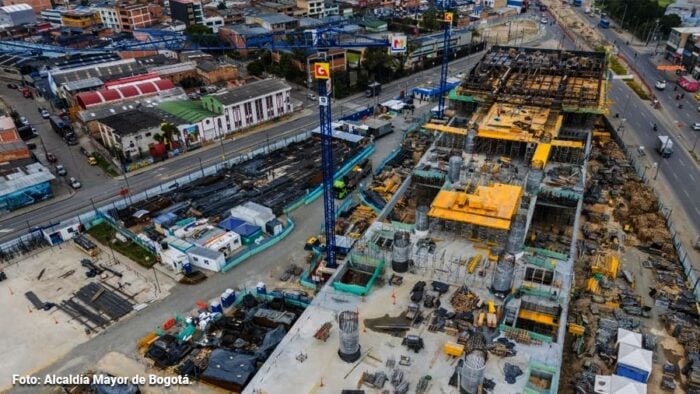
The most alarming statistics center on the rehabilitation of road networks and public space integration, which currently suffer a cumulative delay of 52%. Simultaneously, station construction projects trail by 19%, and the implementation of specialized equipment and technological systems faces an 18% lag.
These discrepancies have broken the operational harmony between the local government and the consortiums executing and supervising the works. The dispute has officially escalated beyond routine site meetings. The parties have turned to the Arbitration and Conciliation Center of the Bogota Chamber of Commerce—registered under case file 175448—to seek an "Amigable Composicion" (friendly composition), a legal mechanism designed to resolve infrastructure disputes without plunging the project into outright litigation.
Chronology of a Fractured Partnership
To understand how Bogota’s flagship transport project arrived at the doors of the Chamber of Commerce, it is necessary to trace the escalation of tensions between the District and the consortiums:

- Early Implementation Phase (2020–2023): The First Metro Line project advances through preliminary design phases, utility relocations, and land acquisition, weathering political transitions with a shared commitment from both national and district levels to modernize Bogota’s mass transit.
- Mid-2025: As heavy construction intensifies across the southern corridors of the city, early signs of friction emerge regarding coordination between civil works, utility companies, and public space management.
- July 2026: The first major punitive measure drops. The Empresa Metro de Bogota formally imposes a fine of 358 million pesos (approximately $90,000 USD) against the Consorcio Metro Linea Uno due to persistent, unaddressed delays in the execution of the Ciudad Kennedy station.
- September 2026: Overall project completion reaches 83.73%. However, Mayor Galan publicly flags profound disparities in the execution timeline, highlighting a 52% delay in road networks and public spaces.
- Late September 2026: Contractual tensions officially reach the legal sphere. An application for Amigable Composicion is filed under file 175448 at the Bogota Chamber of Commerce. The process enters the phase of sorting and designating specialized experts in public infrastructure to act as friendly arbiters.
- October 2026: Public exchanges intensify. National government liaison Clara Lucia Sandoval and Mayor Galan publicly demand that the builders and supervisors ramp up their on-site workforce to mitigate growing operational risks. The consortium responds, pointing to intense labor market competition in Bogota as the primary bottleneck.
Supporting Data: Dissecting the Delays
A deep dive into the metrics provided by the Mayor’s office reveals a complex landscape of achievements and bottlenecks. While an 83.73% overall completion rate sounds reassuring on paper, infrastructure experts warn that the remaining 16.27% represents some of the most intricate coordination challenges in urban transit construction.
| Project Component | Reported Delay / Status | Associated Risk |
|---|---|---|
| Malla Vial & Public Space | 52% cumulative delay | Urban disruption, citizen dissatisfaction, interface issues with surrounding neighborhoods. |
| Station Construction | 19% lag (exemplified by Ciudad Kennedy penalties) | Bottlenecks in interior architectural finishes, access points, and pedestrian integration. |
| Equipment & Systems | 18% lag | Potential friction during upcoming integrated test phases. |
| Overall Project Progress | 83.73% (as of September 2026) | General tracking remains high, but final-stretch micro-delays threaten testing schedules. |
The financial and operational stakes are remarkably high. The National Government funds 70% of the First Metro Line, placing immense accountability on both local and national overseers. Clara Lucia Sandoval, serving as the National Government’s manager for Bogota, has repeatedly underscored that because national taxpayers are footing the lion’s share of the bill, zero tolerance must be maintained for slippages that could jeopardize the March 2028 operational deadline.
Official Responses and Stakeholder Perspectives
The public debate has transformed into a high-stakes war of words between the District administration, national oversight figures, and the private contractors.
The Mayor’s Office: Early Warnings and Accountability
Mayor Carlos Fernando Galan has adopted a posture of preventive vigilance. While maintaining that the broader project is not yet in an irrecoverable crisis, Galan stresses that ignoring localized delays today will compound into catastrophic failures tomorrow—specifically threatening the rigorous testing phase required before commercial launch.
"We are sounding the alarm at the right time to correct these problems," Galan noted, emphasizing that spaces like roads, pedestrian corridors, and station infrastructure must advance in lockstep with the elevated viaduct.
National Oversight: The Demand for Manpower
Clara Lucia Sandoval took to social media and public forums to demand immediate operational adjustments. Utilizing her platform, Sandoval directly called upon the Consorcio Constructor de la Linea Uno to drastically increase its human capital on the ground.
"The First Metro Line is a project where the Nation contributes 70% of the resources. We must guarantee absolute compliance with the cronograma," Sandoval stated, echoing fears that insufficient manpower could push back the much-anticipated debut.
The Consortium’s Defense: Labor Market Pressures
In response to mounting pressure from the Mayor’s office and the EMB, representatives of the construction and supervisory consortia have defended their deployment strategies. They argue that they are not sparing any effort to meet structural deadlines.
Instead of accepting sole blame for the lag, the consortium attributes the slow pace on certain secondary fronts to severe labor market competitiveness within Bogota. According to the contractors, the simultaneous execution of multiple mega-projects across the capital has created a severe shortage of specialized personnel holding the precise technical profiles required for complex urban infrastructure and public space recovery.

Implications for Bogota’s Urban Future
The referral of the dispute to the Bogota Chamber of Commerce’s Arbitration and Conciliation Center marks a turning point in how public-private megaprojects are managed in Colombia.
- The Threat to Pre-Operational Testing: The most immediate danger of these localized delays is the compression of the testing window. Complex transit systems require months of rigorous, uninterrupted electrical, mechanical, and signaling trials before carrying their first paying passengers. If station infrastructure and equipment installation remain behind schedule, the target date of March 2028 for commercial operation could slip, triggering political fallout and additional economic costs.
- Precedent for Infrastructure Disputes: The outcome of file 175448 will set a crucial legal and administrative precedent. How the appointed amigables componedores navigate the friction between public expectations and private contractor realities will shape future oversight models for subsequent metro lines and major transit corridors in Colombia.
- Citizen Impact: For millions of Bogotanians enduring years of traffic congestion, dust, and disrupted routines along the primary metro corridors, the delays in public space and road network restoration (staggering at 52%) represent a direct erosion of quality of life. Restoring trust requires not only resolving legal disputes in arbitration rooms but visibly accelerating the recovery of the city’s urban landscape on the ground.
As the expert panel steps into its role at the Chamber of Commerce, all eyes remain fixed on the viaducts, stations, and street corners of Bogota. The coming months will determine whether the administration and its international partners can overcome their differences, or if the "honeymoon phase" of the First Metro Line has permanently yielded to structural friction.



Leave a Reply