

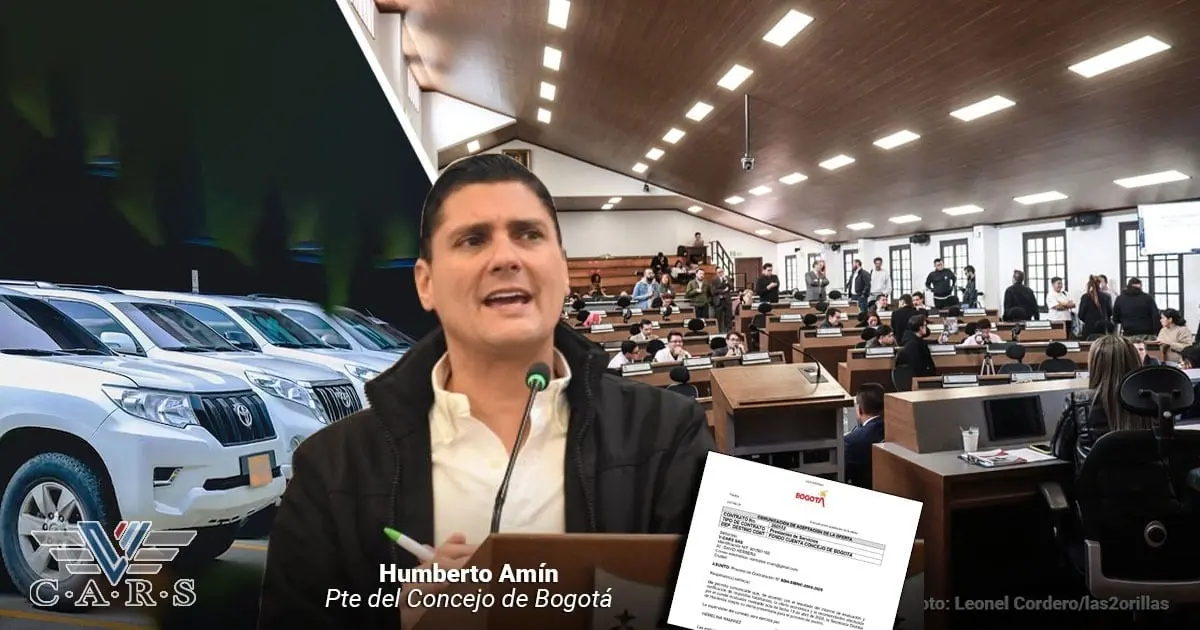
BOGOTÁ, Colombia — In a city where millions of citizens grapple with the rising costs of living, public transportation hikes, and heavy tax burdens, a seemingly minor administrative detail in the daily operations of Bogotá’s local legislature has ignited a fierce political and public debate. The Bogotá City Council (Concejo de Bogotá) is facing mounting scrutiny after it was revealed that a portion of a multi-million-peso maintenance contract allocates substantial public funds specifically for the routine exterior washing of the armored SUVs used by city council members.
While the broader contract covers essential fleet maintenance, the inclusion of luxury perks such as bi-monthly vehicle washes—funded entirely by taxpayers—has drawn sharp criticism from watchdogs, citizens, and even several members of the council itself. At a time when fiscal austerity is preached from administrative podiums, the allocation has underscored a recurring disconnect between institutional spending and the economic realities faced by average Colombians.
Main Facts
The controversy centers on a public procurement agreement signed on April 13, 2026, between the Fondo Cuenta del Concejo de Bogotá—a financial fund directly attached to the District Secretariat of Treasury—and the private automotive services firm V Car S.A.S.
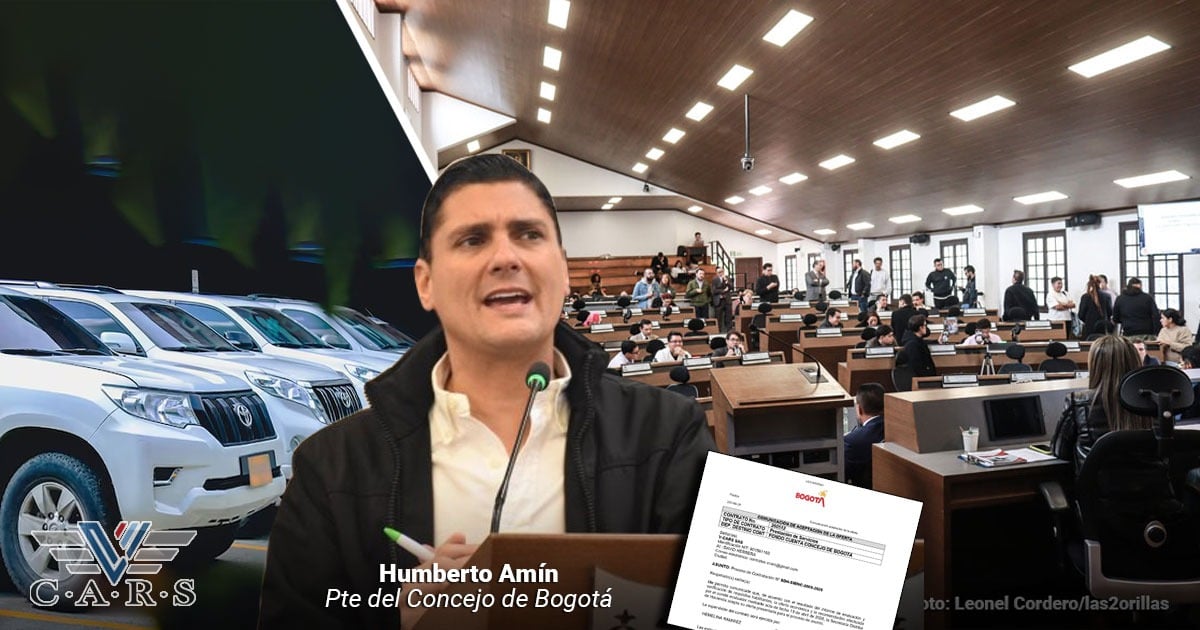
Key details of the contract include:
- Total Contract Value: $75,645,000 Colombian pesos (COP).
- Execution Period: 9 months, slated to run from April through December 31, 2026.
- Core Objective: Preventive and correct maintenance, provision of spare parts, motor oil, and technical-mechanical/gas emissions reviews for the Council’s vehicular fleet.
- The Controversial Inclusion: The agreement explicitly covers the exterior washing of high-security armored vehicles—specifically the SUVs assigned to council members via the National Protection Unit (UNP)—two times per month.
- Financial Breakdown: While the overarching contract is valued at over $75 million COP, administrative allocations specifically outline a flexible "depletable fund" (bolsa de monto agotable) for washing services, complemented by a general cleaning budget line hovering around $10 million COP for fleet upkeep and occasional servicing of the councilors’ transport.
Given that a standard commercial car wash for a large SUV in Bogotá ranges between $15,000 and $55,000 COP, and considering that individual council members earn a net monthly salary of approximately $33 million COP, the decision to subsidize these washes using public resources has been branded by critics as an unnecessary and tone-deaf luxury.
Chronology of the Controversy
The unfolding of events surrounding the V Car S.A.S. contract highlights a timeline of bureaucratic execution followed by rapid public and internal backlash:

- February 1, 2022: V Car S.A.S. is legally incorporated in Bogotá, establishing its operations in the Barrios Unidos locality (Modelo Norte neighborhood) with a commercial focus on vehicle maintenance, fleet spare parts supply, and car washing services.
- April 13, 2026: The Fondo Cuenta del Concejo de Bogotá—under the oversight of the District Secretariat of Treasury, headed by Ana María Cadena—officially signs the contract with V Car S.A.S., represented legally by Diego Fernando Guacaneme Ruge (though administrative documents for this specific signing featured representative David Herrera). The supervision of the contract is assigned to the Cabildo’s Administrative Director, Hemelina Ramírez.
- April – September 2026: The contract quietly goes into effect, dictating the maintenance schedule and routine bi-monthly wash cycles for both the administrative fleet of seven vehicles and the sprawling roster of councilors’ armored UNP units.
- Late 2026: Details of the contract leak into the public sphere, sparking immediate indignation across local media channels and social networks. Citizens question the ethical justification of public spending on luxury car detailing while municipal budgets face constraints.
- Post-Exposure: Multiple council factions mobilize, demanding that the legislative presidency halt the car-washing provisions of the contract and pivot toward genuine internal austerity measures.
Supporting Data and Financial Context
To fully understand the gravity of the public outcry, the V Car S.A.S. contract must be viewed within the broader framework of how Bogotá finances security and logistics for its legislative branch.
- The UNP Convenio: The Bogotá City Council relies heavily on a massive institutional agreement with the National Protection Unit (UNP) to lease armored transport for council members, safeguarding them against targeted threats. This primary security convenio alone costs the district roughly $11.294 billion COP per period.
- Additional District Subsidies: Beyond the UNP lease, the Mayor’s Office and District Treasury allocate an estimated $8 billion COP annually simply to sustain, fuel, and manage the fleet of armored vehicles utilized by the Cabildo members.
- The Scale of Inequality: Critics point out a glaring fiscal paradox. While Bogotá residents absorb new tax burdens—exacerbated by recent municipal and national fiscal reforms—public institutions continue to write off operational costs that individual high-income earners can easily shoulder. A council member taking home a net monthly salary of $33 million COP possesses more than enough personal capital to cover a $30,000 COP car wash, making the public subsidy appear entirely indefensible.
Furthermore, administrative defense mechanisms regarding the contract structure have done little to quell the skepticism. The Council’s Administrative Directorate clarified that the $75.6 million contract operates on a "depletable fund" model. This means funds are not handed over as a fixed lump sum for washing, but rather drawn down based on actual demand. Additionally, a separate $10 million line item exists for general cleaning services targeting administrative vehicles, which occasionally spills over to service the councilors’ rides. Yet, for the public, the technical distinction between a fixed payout and a depletable allowance matters little; the fundamental grievance remains that public coffers are bearing the cost of soap and water for luxury government SUVs.
Official Responses and Political Fallout
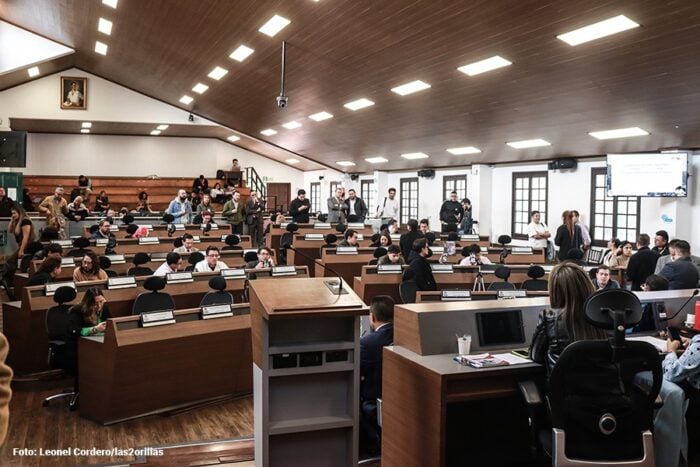
The backlash against the V Car contract has not been limited to disgruntled citizens; it has fractured the harmony within the Bogotá City Council itself, with several political parties and individual politicians publicly distancing themselves from the measure.
The Call for Austerity from the Green Alliance
Julián Espinosa, a councilman representing the Alianza Verde (Green Alliance) party, was among the first to sound the alarm. Espinosa formally requested that the President of the Corporation, Humberto Amín, immediately suspend the execution of the contract with V Car S.A.S.
"Austerity must begin at home," Espinosa declared, framing the contract as an unjustifiable drain on taxpayer resources that sends the wrong message to a struggling populace. He emphasized that elected officials should lead by example rather than passing routine personal upkeep costs onto the city budget.
The MIRA Party’s Stance on Racionalization
The political opposition and independent voices within the Cabildo also mobilized. The MIRA party bench, led by councilmen Samir Bedoya and Fabián Puentes, issued a stern statement condemning the agreement.

Bedoya and Puentes argued that institutional austerity cannot simply be a talking point used during electoral campaigns; it must manifest in concrete administrative decisions. They urged the Council’s presidency to completely strip out public-funded car-washing provisions and perform a comprehensive audit of all non-essential service contracts.
"At a time when everyday citizens of Bogotá are confronting heavier tax burdens, our institutions have a moral obligation to cut the fat, eliminate unnecessary expenditures, and safeguard every single peso of public money," the MIRA bench stated.
As of now, pressure continues to mount on the administrative leadership of the Concejo de Bogotá to address the loophole exploited in the V Car S.A.S. agreement.

Broader Implications
The controversy surrounding the $75.6 million maintenance and car-wash contract touches upon deeper structural issues within Colombian public administration:
- The Crisis of Institutional Perception: Incidents like the V Car contract erode public trust in legislative bodies. When citizens observe tax money allocated to trivial comforts—such as exterior vehicle washes for high-earning officials—it fuels a general narrative of political detachment and fiscal irresponsibility.
- Procurement Oversight: The situation raises valid questions regarding how public-private service contracts are drafted and reviewed. By bundling routine luxury services (like car detailing) into essential technical-mechanical maintenance and safety agreements, administrative offices often bypass rigorous ethical filtration.
- The Imperative of Real Austerity: As Bogotá struggles with infrastructural deficits, massive public transit revenue losses (such as TransMilenio’s daily evasion crisis costing billions annually), and social program funding gaps, the debate over the council’s car washes serves as a micro-test of political integrity.
Whether the pressure from council members like Espinosa and the MIRA bench will result in the formal modification or cancellation of the car-washing clause remains to be seen. However, the episode has firmly placed the administrative transparency and spending habits of the Bogotá City Council under an unforgiving public microscope.



Leave a Reply