

TALLAHASSEE, Fla. — Emergency management agencies across the southeastern United States, with a particular focus on the Florida peninsula and the Florida Panhandle, remain on high alert following the devastation left in the wake of Hurricane Isaías. Having made landfall as a powerful hurricane before degrading into a post-tropical storm, the weather system has left a lasting signature characterized by torrential downpours, swollen waterways, widespread structural damage, and persistent power outages affecting hundreds of thousands of residents.
While meteorological conditions are slowly beginning to stabilize in some coastal regions, state authorities emphasize that the danger has not passed. Secondary threats—chiefly delayed riverine flooding, compromised infrastructure, and road hazards—continue to pose significant risks to public safety as recovery operations grind forward under challenging conditions.
Main Facts
The aftermath of Isaías has paralyzed critical infrastructure across multiple states, though Florida has borne the brunt of the post-tropical storm’s secondary impacts.
- Massive Power Outages: At the height of the storm and its immediate aftermath, more than 800,000 homes and businesses across Florida, Alabama, and Mississippi were plunged into darkness. In Florida alone, approximately 450,000 families and business owners remain without electricity, grappling with spoiled food, lack of air conditioning, and compromised communication lines.
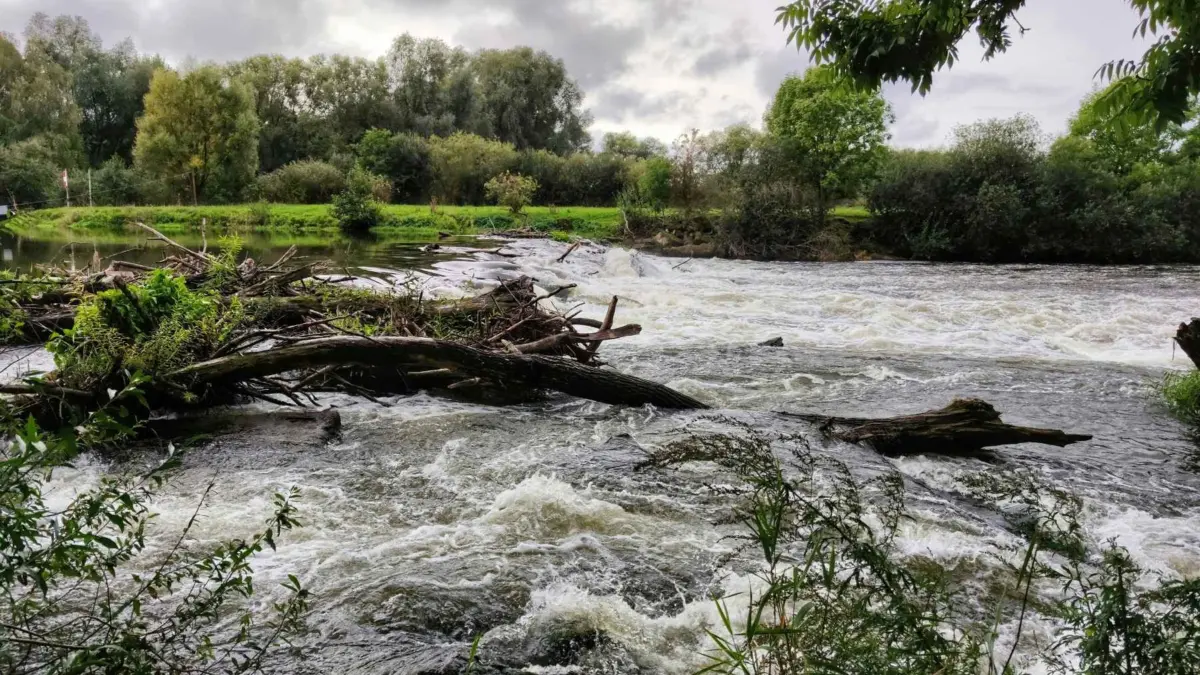
- Severe Flooding and River Rises: Heavy, continuous rainfall associated with the storm system has caused dramatic surges in water levels, particularly in the Florida Panhandle. Rivers such as the Shoal River are experiencing dangerous swelling, threatening adjacent communities with significant floodwaters that could take days to recede.
- Critical Infrastructure Obstructions: Hundreds of uprooted trees, downed utility poles, and snapped power lines continue to block streets, state roads, and vital interstate connectors. Emergency response teams are working around the clock to clear these arterial routes to allow rescue and utility vehicles passage.
- Mobilization of State Resources: The Florida Division of Emergency Management (FLERT) has deployed an extensive network of technical personnel, search-and-rescue teams, and specialized watercraft. Furthermore, the state has established eight initial distribution points for essential supplies, providing clean drinking water, non-perishable food, and sanitation products to impacted families.
Chronology of Events
To understand the scope of the current crisis, it is vital to examine how the event unfolded over the course of the weekend and into the early workweek:
1. Landfall and Initial Impact
Hurricane Isaías tracked toward the southeastern coastline, bringing destructive winds, coastal storm surges, and intense squalls. As the system made landfall, its powerful outer bands swept across Florida, Alabama, and Mississippi, tearing roofs from homes, uprooting massive centuries-old trees, and immediately devastating the regional electrical grid.
2. Transition to a Post-Tropical System
Upon moving further inland, Isaías officially transitioned into a post-tropical storm. While its maximum sustained winds decreased, its forward momentum slowed considerably, allowing the system to dump prodigious amounts of rainfall over already saturated soils. This set the stage for the secondary crisis: catastrophic inland flooding.
3. Weekend Warnings and Governor’s Briefing
Late Saturday evening, Florida Governor Ron DeSantis held an emergency press briefing. He cautioned the public that the transition of the storm did not signal an end to the danger. Drawing on historical storm responses, the governor warned that river levels would continue to rise days after the rain stopped, catching many unprepared residents off guard. He immediately authorized the deployment of additional high-water vehicles, rescue boats, and personnel to the Panhandle.
4. Current Phase: Recovery and Monitoring
At present, the state is locked in a complex recovery phase. While utility crews race to restore power to the remaining 450,000 households, emergency managers are utilizing advanced technology—including drones and specialized hydrological sensors—to monitor riverbanks and flood zones in real time. Distribution centers have opened their doors, and rescue teams remain poised to assist anyone trapped by rising waters.
Supporting Data and Meteorological Context
The sheer volume of water dropped by the post-tropical remnant of Isaías has overwhelmed natural drainage basins and localized stormwater systems. Meteorological data indicates that certain areas of the Florida Panhandle received upwards of several inches of rain in a matter of hours, compounding the saturation caused by earlier seasonal weather patterns.
+--------------------------------------------------------------------------+
|                       ISAÍAS IMPACT AT A GLANCE                          |
+--------------------------------------------------------------------------+
| Region Affected          | Florida, Alabama, Mississippi                 |
| Peak Outages (Regional)  | > 800,000 households                          |
| Current Outages (FL)     | ~ 450,000 families                            |
| Primary Hazards          | Riverine flooding, downed power lines, debris |
| Relief Points Opened     | 8 initial distribution sites (Panhandle/North)|
+--------------------------------------------------------------------------+
The electrical grid has proven particularly vulnerable. The combination of saturated soil—which loosens root systems—and gale-force wind gusts resulted in a domino effect of falling trees taking down primary and secondary distribution lines. Utility companies have noted that many lines are tangled in dense foliage or submerged in standing water, forcing technicians to wait for water levels to drop or specialized equipment to arrive before repairs can safely begin.
Hydrologists are keeping a close watch on the Shoal River basin and surrounding waterways in the northwest sector of the state. Because river systems accumulate runoff from vast geographic areas, cresting often occurs long after the parent storm has dissipated over the horizon. This delayed cresting phenomenon is precisely what prompted state officials to maintain high-level emergency declarations even as blue skies began to appear overhead in some southern counties.
Official Responses and Government Action
The response from state and local authorities has been swift, multi-layered, and heavily focused on public safety and resource allocation.
The State Response
The Florida Division of Emergency Management (FLERT) has assumed the central coordinating role, directing personnel from various state agencies, private sector utility partners, and volunteer organizations. In a statement released Sunday, FLERT leadership urged citizens to exercise extreme patience. Clearing the staggering volume of debris and safely re-energizing substations is an undertaking that will span several days, if not longer, in the hardest-hit zones.
Governor DeSantis emphasized the lessons learned from past meteorological disasters, noting that the visible wind damage immediately following a storm often masks the hidden dangers developing elsewhere.
"Ya he vivido estas tormentas en las que ves las consecuencias y dices: ‘Bueno, ya sabemos cuáles son los daños’, y dos días después te enteras de gente con más de 70 centímetros de agua en sus hogares," Governor DeSantis remarked, underscoring the deceptive nature of post-tropical flood events.
Localized Relief Operations
To directly alleviate the suffering of displaced and stranded citizens, the state government officially opened eight initial distribution points. These centers are strategically located to serve the most heavily impacted populations in the following communities:
- Bonifay
- Cantonment
- DeFuniak Springs
- Freeport
- Santa Rosa Beach
- Vernon
- Two separate sites in Pensacola
At these locations, residents can acquire cases of bottled water, shelf-stable foods, ice, and basic hygiene kits. State officials have indicated that additional sites will be brought online immediately should demand outpace current capacity or if surrounding counties require supplementary logistical support.
Furthermore, state law enforcement and transportation departments have reiterated strict safety protocols regarding roadways. Transport officials have deployed signage and barricades near low-lying bridges and flood-prone intersections, reinforcing the universal emergency mantra: "Turn Around, Don’t Drown."
Implications for the Region
The prolonged fallout from the remnants of Hurricane Isaías carries significant social, economic, and logistical implications for Florida and the wider southeastern region.
Economic and Infrastructure Strain
The financial toll of repairing damaged electrical grids, clearing state highways, and repairing municipal water systems will place a temporary burden on local and state budgets. Furthermore, small businesses caught in multi-day blackouts face inventory losses, particularly restaurants and grocers reliant on continuous refrigeration. The agricultural sector in the Panhandle is also assessing potential crop damage resulting from prolonged root saturation and standing floodwaters in low-lying fields.
Long-Term Preparedness and Climate Resilience
Events like the transformation of Isaías into a destructive inland flood producer highlight an ongoing challenge for disaster planners: the increasing lethality of secondary storm effects. As atmospheric temperatures and sea surface temperatures fluctuate, storms are increasingly capable of delivering extreme rainfall totals far inland, long after losing their tropical characteristics.
Emergency management agencies are responding by integrating advanced technologies into their monitoring frameworks. The deployment of drones, real-time hydrological sensors, and GIS-mapped evacuation corridors represents a modernizing approach to disaster response in an era of heightened climate volatility.
Public Safety Advice
As the recovery period continues, state authorities continue to broadcast vital safety directives to all residents in affected zones:
- Avoid Floodwaters: Never walk, swim, or drive through standing or moving water. Floodwaters often conceal washed-out roadbeds, hidden sharp debris, downed electrical currents, and biological contaminants.
- Treat Downed Lines as Live: Assume every downed wire on a fence, tree, or street is energized and extremely dangerous. Report them immediately to local utility providers or emergency services.
- Monitor Official Channels: Residents are encouraged to consult official state resources—such as the Florida Disaster web portal—for real-time updates regarding road closures, utility restoration timelines, and the opening of new supply distribution centers.
As Florida works to rebuild and restore a sense of normalcy, the resilience of its communities combined with a coordinated, multi-agency governmental response remains the linchpin in overcoming the enduring scars left by Isaías.



Leave a Reply