

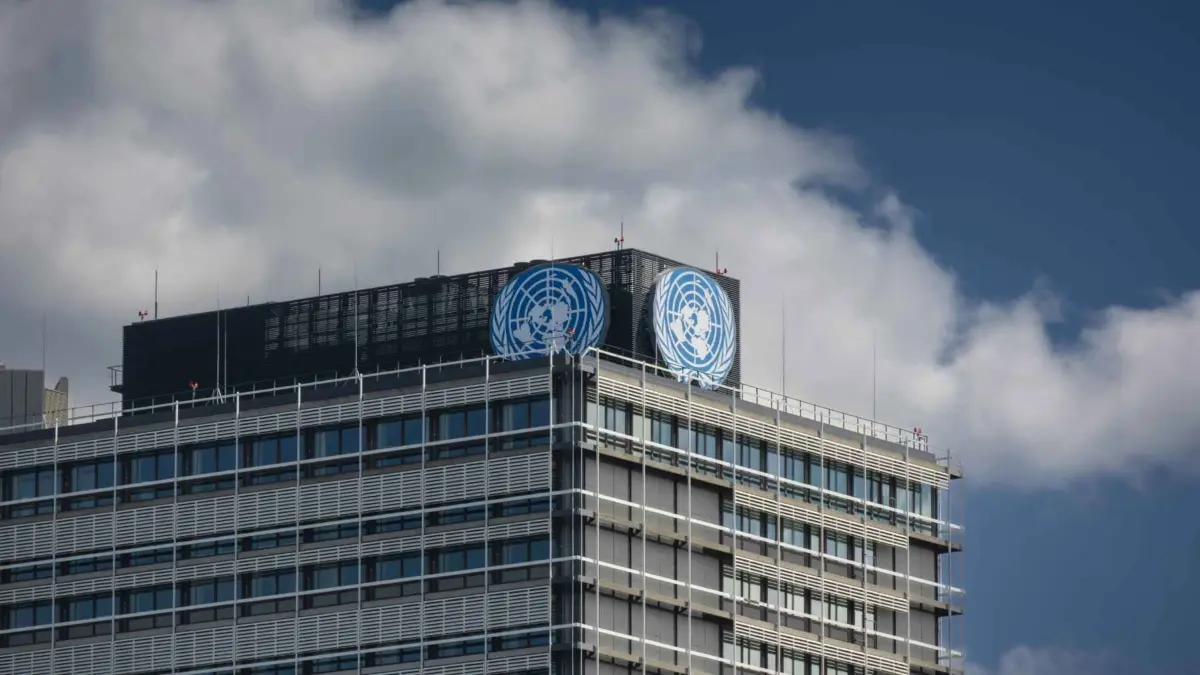
NEW YORK — The curtain fell on the United Nations General Assembly with a resonant and unified cry from the developing world: climate change is no longer a distant environmental hypothesis, but an immediate existential threat tearing at the fabric of global economic stability. Across multiple high-level addresses, leaders from climate-vulnerable nations rejected the framework of international "charity," demanding instead a radical overhaul of global climate finance, systemic economic collaboration, and a renewed commitment to international peace and security.
As delegates packed up their briefcases at UN Headquarters, the dual specters of ecological collapse and unyielding geopolitical conflict dominated the closing days of the session. The message delivered to the global North was unequivocal: the current mechanisms for funding climate resilience are outdated, insufficient, and fundamentally unjust.
Main Facts
- The Core Demand: Developing nations collectively rejected traditional international aid models, framing climate finance as an obligation of development and disaster resilience rather than voluntary philanthropy or "charity."
- Economic Reality: Global leaders emphasized that climate change has transitioned from an environmental crisis into a direct threat to macroeconomic stability, food security, and human health.
- Ecosystem Degradation: Representatives highlighted widespread biodiversity loss, severe ecosystem degradation, and escalating water crises across multiple continents.
- Geopolitical Friction: The closure of the Assembly heavily featured demands for a more active, transparent, and effective UN Security Council capable of addressing devastating conflicts in Sudan, Gaza, and the broader Middle East.
- Institutional Reform: Nations such as New Zealand and Denmark spearheaded calls to overhaul multilateral security apparatuses to ensure strict adherence to the UN Charter.
Chronology of the Closing Sessions
The trajectory of the General Assembly’s final week revealed a deliberate convergence of environmental urgency and geopolitical disillusionment.
Early Week: The Escalation of the Climate Threat
As the high-level general debate progressed into its final sessions, small island developing states (SIDS) and Latin American delegations shifted the conversation away from distant emission targets and toward immediate adaptation realities. The discourse crystallized around the tangible economic losses already being absorbed by nations with the lowest historical carbon footprints.
Mid-Week: The Rejection of "Limosnas" (Alms)
By Wednesday, the rhetoric sharpened. Representatives took to the podium to dismantle the semantics of international aid. The frustration was palpable as delegates pointed out that pledges made at previous Conferences of the Parties (COPs) had largely materialized as high-interest loans rather than grant-based adaptation funds, plunging vulnerable economies further into debt while climate disasters multiplied.
Late Week: Geopolitical Crises Intersect with Ecological Realities
In the final hours of the Assembly, the agenda broadened to encompass the human cost of ongoing global conflicts. Speakers demonstrated how war and environmental degradation form a vicious feedback loop—destroying arable land, triggering mass displacements, and draining resources that should otherwise be dedicated to green transitions. The juxtaposition of climate catastrophe and active warfare provided a grim backdrop to the Assembly’s closing resolutions.
Supporting Data and Regional Realities
The urgency expressed during the sessions is anchored in mounting scientific and economic data. According to reports cited by various delegations during the debates, the economic cost of extreme weather events in the Global South has risen exponentially over the past decade.
- The SIDS Vulnerability Index: Small island nations, which contribute negligibly to global greenhouse gas emissions, continue to absorb the highest per capita economic shocks from sea-level rise and intensifying tropical cyclones.
- Water and Food Security: Costa Rican representatives underscored that water scarcity and ecosystem degradation are no longer localized issues. They represent systemic threats capable of destabilizing regional agricultural markets and threatening the nutritional security of millions.
- The Financing Gap: Despite repeated promises by developed nations to mobilize $100 billion annually—and subsequent discussions regarding trillions for the New Collective Quantified Goal (NCQG)—disbursements remain heavily skewed toward mitigation in industrialized nations, leaving adaptation and loss-and-damage mechanisms critically underfunded in the developing world.
Official Responses and Key Stakeholder Positions
The ideological battle lines of the closing Assembly were defined not by East versus West, but by the stark divergence in priorities between the nations driving the climate crisis and those bearing its worst consequences.
Vanuatu: Redefining Climate Finance
Odo Tevi, Permanent Representative of Vanuatu to the United Nations, delivered one of the most blistering critiques of current international financial architecture. Tevi insisted that terminology matters.
"When we speak of climate finance, we are talking about development funding and disaster resilience financing. We are not asking for alms," Tevi stated.
His intervention underscored the indignity felt by frontline nations that are forced to beg for resources to rebuild societies fractured by crises they did not create. Vanuatu, like many Pacific nations, demands unconditional, direct-access funding mechanisms that bypass bureaucratic red tape imposed by multilateral development banks.
Costa Rica: The Multi-Dimensional Crisis
Boris Basir Marchegiani of Costa Rica brought a Latin American perspective to the podium, expanding the definition of the climate crisis to include its cascading socio-economic impacts. Marchegiani stressed that biodiversity collapse and hydrological stress have matured into comprehensive global threats.
"This has already transformed into a global crisis that directly compromises food security, public health, and the foundational development of millions of human beings," Marchegiani warned, calling for an integrated policy response that treats environmental protection as an economic prerequisite rather than an optional luxury.
New Zealand and Denmark: Demanding UN Security Council Reform
Beyond the ecological sphere, the Assembly’s closing moments laid bare deep frustrations with the paralysis of the international security system. Representatives from New Zealand and Denmark issued joint, albeit independent, calls for structural reform within the UN Security Council.
Facing continuous gridlock over the civil war in Sudan, the humanitarian catastrophe in Gaza, and escalating hostilities across the Middle East, these nations demanded a more transparent, accountable, and interventionist security apparatus. They argued that the preventative mandates outlined in the original UN Charter are being systematically ignored due to geopolitical posturing by permanent members.
Implications for the Global Order
The closing of this UN General Assembly marks a potential turning point in international diplomacy. The convergence of climate despair and geopolitical fatigue has created a volatile diplomatic landscape, with several profound implications:
1. The Death of the "Charity" Paradigm
The unequivocal rejection of charity by nations like Vanuatu signals that future climate negotiations—such as the upcoming COP summits—will face fiercer, more organized resistance from the Global South. Developing nations are moving away from cooperative compliance and shifting toward a rights-based framework of climate reparations and legal accountability. If industrialized nations fail to deliver structural financial reforms, multilateral climate processes risk losing their remaining legitimacy in the eyes of the developing world.
2. Economic Sovereignty Under Siege
As climate-induced economic shocks drain national treasuries, the capacity of developing countries to invest in education, healthcare, and infrastructure is severely compromised. The insistence that climate finance be integrated into broader development frameworks highlights an uncomfortable truth: without debt relief and massive capital injections, the Sustainable Development Goals (SDGs) will remain entirely out of reach.
3. The Erosion of Multilateral Credibility
The inability of the UN Security Council to enforce lasting peaces in Gaza, Sudan, and the Middle East—combined with the slow pace of climate action—has exposed the structural weaknesses of post-WWII multilateral institutions. When mid-sized powers like Denmark and New Zealand openly demand structural overhauls, it reflects a growing consensus that the current global governance model is unfit to navigate twenty-first-century crises.
Looking Ahead
As delegates disperse back to their respective capitals, the mandate from the UN General Assembly is stark. The era of empty promises, greenwashing, and treating climate resilience as a charitable endeavor is drawing to a hostile close. The international community is being placed on notice: true global security—both environmental and geopolitical—will require not just dialogue, but systemic financial equity, institutional transparency, and an absolute commitment to justice over charity.


Leave a Reply