

By Global Sports & Urban Development Desk
Updated: October 2024
Main Facts
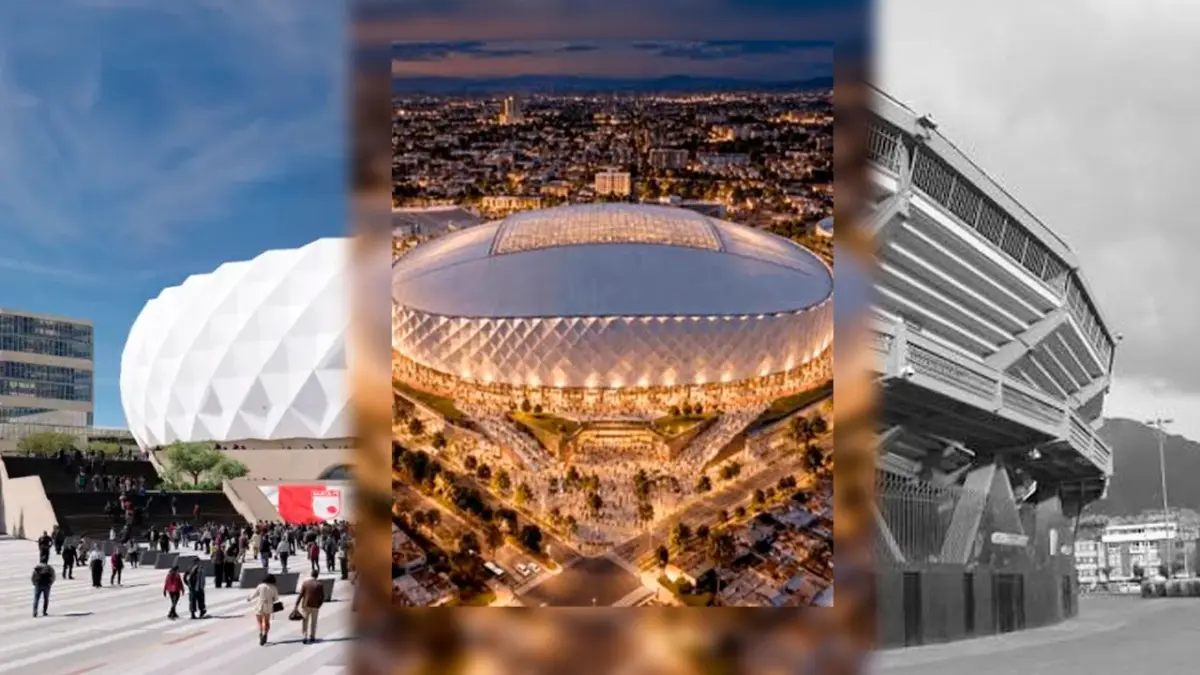
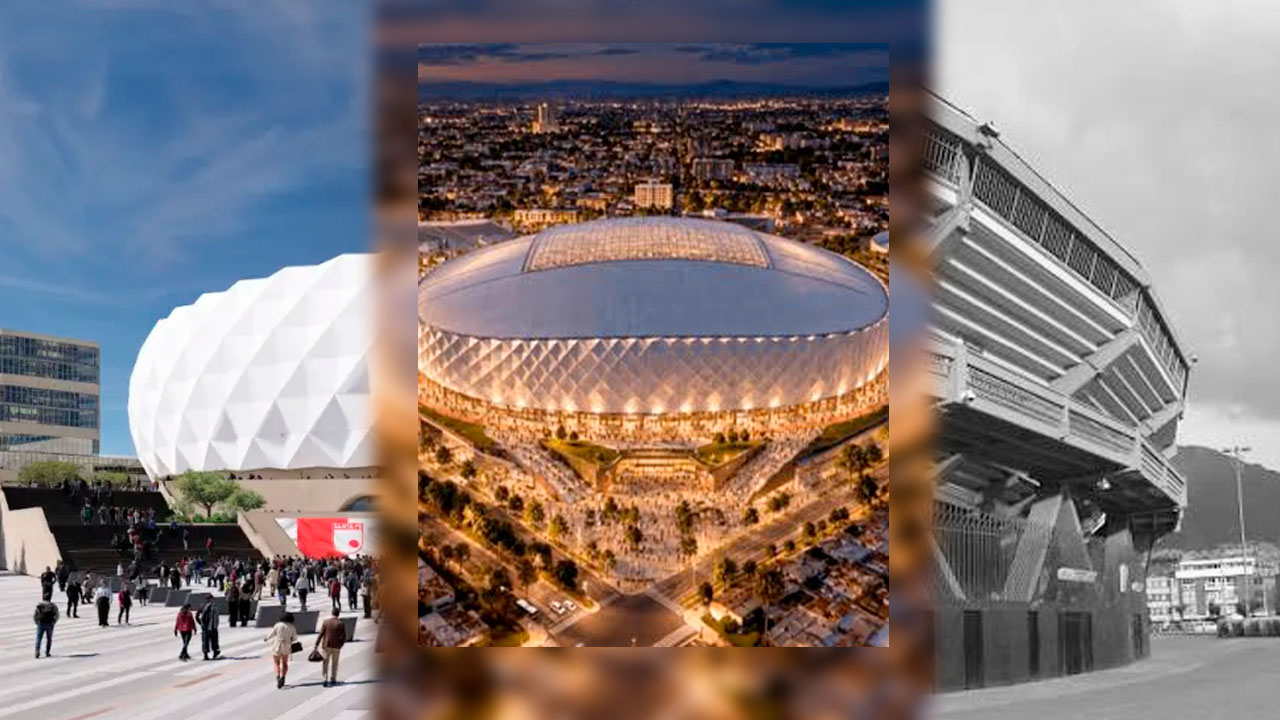
Bogotá is poised for a monumental architectural and cultural transformation. With an official ceremonial kick-off led by Mayor Carlos Fernando Galán, construction is officially underway for the New El Campín Stadium (Nuevo Estadio El Campín). Slated to open its doors by the end of 2028, this state-of-the-art multi-purpose arena is designed to catapult Colombia’s capital into the elite tier of global entertainment and sports venue architecture.
The ambitious mega-project will feature a massive expansion, pushing the stadium’s capacity to over 60,000 spectators. Engineered to host both world-class football matches and major international music concerts, the venue aims to redefine the urban and cultural landscape of Latin America.
Among its headline-grabbing features are:
- A fully retractable roof designed to protect the playing surface and adapt the venue to any weather condition.
- An innovative automatic retractable southern grandstand (gradería sur) to seamlessly transition the stadium from a football pitch to a massive concert hall.
- The largest LED screen in Colombia, spanning approximately 400 square meters on the stadium’s exterior façade.
- FIFA Class A compliance, featuring optimized isoptics that will dramatically improve sightlines from every seat in the house.
This massive undertaking seeks not only to modernize a beloved historical landmark but also to establish a new benchmark for security, sustainability, and technological integration in South American sports infrastructure.
Chronology: The Journey to a Modern Colosseum
The Historical Roots (1938–2020s)
El Campín has long served as the heartbeat of Bogotá’s sporting life. Originally inaugurated in August 1938 for the Bolivarian Games, the stadium has witnessed decades of historic moments for local clubs like Millonarios and Santa Fe, as well as the Colombian National Team. Over the years, minor face-lifts and expansions kept it functional, but the aging infrastructure increasingly fell short of modern international standards for multi-use entertainment and elite sports.
Conception and Concession Approval (2022–2023)
Recognizing the urgent need for a world-class arena, city planners and private stakeholders developed an ambitious public-private partnership (PPP) model. The project moved past conceptual phases as architectural renderings were finalized, promising a sweeping overhaul not just of the stadium bowl, but of the surrounding multi-use complex, which will include cultural spaces, commercial zones, and enhanced public parks.
The Groundbreaking Ceremony (Late 2024)
The project achieved its most significant milestone to date when Mayor Carlos Fernando Galán struck the ceremonial first ball on the pitch, officially signaling the commencement of construction works. Concurrently, initial logistical shifts began, including the temporary relocation of traditional local vendors—such as those from the iconic Palacio del Colesterol—to ensure their historical integration into the final commercial master plan.
The Horizon: 2028 Completion
With heavy construction now underway, the timeline projects a four-year delivery window. The grand opening is officially targeted for the end of 2028, setting the stage for Bogotá to aggressively bid for major continental finals, international summits, and global concert tours that historically bypassed Colombia due to infrastructure limitations.
Supporting Data & Technological Specifications
The New El Campín is not merely an aesthetic upgrade; it is a masterclass in modern engineering, safety, and acoustic architecture. The project’s technical specifications highlight a commitment to cutting-edge innovation:
Structural and Architectural Metrics
- Capacity: Over 60,000 attendees.
- Vertical Expansion: The interior height of the venue will scale dramatically from the current 27 meters up to 70 meters, allowing ample vertical clearance for complex arena-rock concert rigging and lighting arrays.
- Sightlines (Isoptics): The design guarantees an unobstructed, crystal-clear view of the pitch from all localities. The line of vision (línea de visión) will jump from the current 52 millimeters to a superior 90 millimeters, meeting strict FIFA Class A international guidelines.
- Acoustic Engineering: The combination of the new towering structure and the retractable roof is engineered to reduce noise propagation to the surrounding neighborhoods by up to 30%, addressing long-standing community concerns regarding concert volumes.
Cutting-Edge Security and Smart Stadium Tech
El Campín will leverage data analytics and digital security measures to ensure a safe, frictionless experience for fans:
- AI-Powered Surveillance: Over 800 artificial intelligence-enabled cameras will monitor the premises in real-time to preemptively detect security threats or crowd disturbances.
- Biometric Access: More than 200 turnstiles featuring facial recognition technology will streamline entry and eliminate ticket fraud.
- Connectivity: The venue is engineered to support simultaneous Wi-Fi and 5G network connectivity for up to 90,000 active devices simultaneously, alongside 1,500 dedicated access points.
- Audio-Visual Overhaul: The public address system will scale from 32 legacy speakers to 185 high-fidelity altavoces (speakers), complemented by the aforementioned 400-square-meter exterior LED display.
Hospitality and Premium Amenities
- Luxury Suites: The stadium will introduce 225 high-end suites, catering to corporate sponsors and VIP clientele.
- Camerinos (Player Dressing Rooms): The athlete facilities will expand significantly, featuring over 600 square meters of exclusive, recovery-oriented space per team locker room.
- Social Protection Spaces: In a progressive move for Latin American sports architecture, the stadium will house dedicated support, guidance, and attention centers designed specifically to prevent and manage situations of harassment or gender-based violence within the venue.
Official Responses and Stakeholder Perspectives
The unveiling of the New El Campín has generated widespread commentary from municipal leaders, urban planners, and cultural icons, all emphasizing the transformative socio-economic impact of the initiative.
Mayor Carlos Fernando Galán on Urban Vision
During the groundbreaking ceremony, Mayor Carlos Fernando Galán emphasized that the stadium is part of a broader vision to revitalize Bogotá’s public spaces and cement its status as a cultural capital.
"This project goes beyond football. It is about creating a dynamic, safe, and technologically advanced space that positions Bogotá on the global map for major cultural and sporting events. We are building a legacy that respects our past while boldly embracing the future," Galán stated.
Preserving Heritage: The Palacio del Colesterol
Urban development projects of this scale often threaten local micro-economies and traditional culinary hubs. However, city officials and project developers have consciously integrated the historic Palacio del Colesterol into the master plan.
During the construction phase, affected merchants have been relocated to temporary, designated locations with the full support of municipal formalization programs. Once construction concludes, these traditional food vendors will be permanently integrated into the new modern culinary complex within the stadium’s perimeter, ensuring that the authentic flavors of Bogotá’s stadium culture are preserved for future generations.
Implications for Bogotá and Colombian Sports
The completion of the New El Campín by 2028 carries profound economic, cultural, and athletic implications for both the city and the nation at large.
Economic and Tourism Catalysts
By expanding capacity to over 60,000 seats and incorporating a retractable roof and automated southern grandstands, Bogotá removes the logistical bottlenecks that previously hindered its ability to compete with cities like Buenos Aires, São Paulo, or Mexico City for massive global stadium tours.
The integration of 225 corporate suites, vast commercial zones, and advanced tech infrastructure will generate thousands of direct and indirect jobs throughout the construction phase and during subsequent event operations. Hospitality, tourism, and local transport sectors are anticipated to experience a substantial financial surge as international visitors flock to the capital.
Elevating Colombian Football
For domestic powerhouses like Millonarios and Santa Fe, playing in a FIFA Class A facility will fundamentally elevate the matchday experience. The state-of-the-art locker rooms, superior pitch protection systems, and optimized viewing angles align local infrastructure with European standards. Furthermore, enhanced safety measures—such as AI monitoring and facial recognition—aim to curb football-related violence, fostering a more family-friendly stadium culture across Colombian professional leagues.
A New Era for Live Entertainment
The synergy between the acoustic dampening architecture, the swift transformation capabilities of the automated grandstands, and the weather-proof retractable roof means Bogotá will no longer have to worry about rain delays ruining concerts or muddy pitches canceling football fixtures. The New El Campín is engineered to be a 365-day-a-year powerhouse of culture, sport, and community engagement—marking a definitive milestone in the modernization of South America’s urban landscape.




Leave a Reply