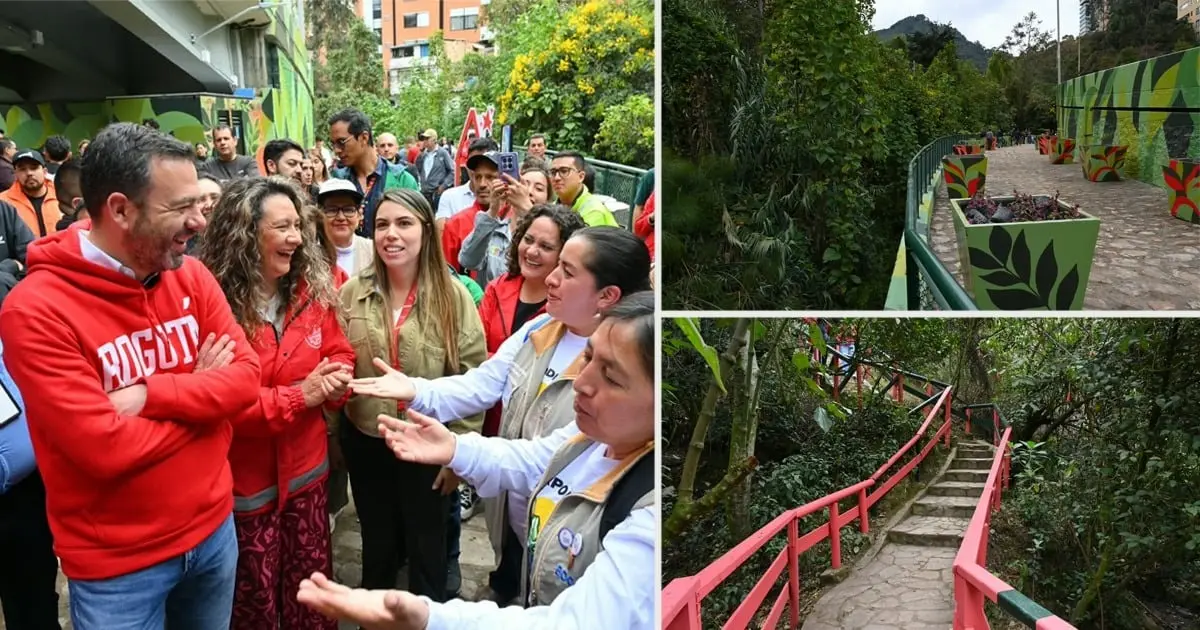
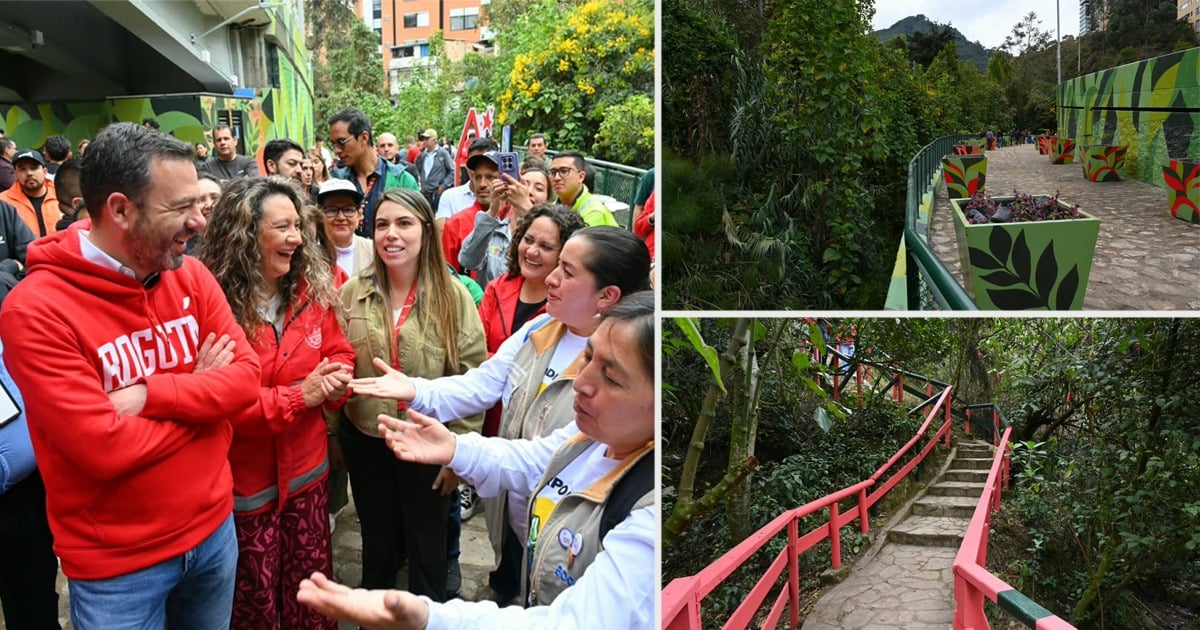
BOGOTA, Colombia — Cascading down the verdant slopes of the Eastern Hills, the historic Las Delicias stream in the upscale locality of Chapinero has shed years of deterioration and neglect. Following a comprehensive, multi-agency urban and environmental intervention spearheaded by the District Administration under Mayor Carlos Fernando Galán, this vital ecological corridor has reopened to the public, offering a harmonious blend of restored nature, modern infrastructure, and community recreation.
Spanning more than 20,700 square meters of public space between Streets 60 and 60A, the recently concluded revitalization project represents a significant milestone in Bogota’s ongoing efforts to reclaim its natural mountain treasures. With a financial investment exceeding 610 million Colombian pesos (COP) managed through the District Department for the Defense of Public Space (DADEP), the initiative has transformed a once-vulnerable transit corridor into a vibrant ecotourism destination, complete with improved pathways, sophisticated architectural lighting, specialized bird-watching stations, and robust environmental protections.
Main Facts: The Scope of the Las Delicias Revitalization
The transformation of Las Delicias is not merely cosmetic; it is a profound structural and ecological rescue operation. Years of environmental degradation had turned sections of the stream into unsafe zones, discouraging residents and visitors from enjoying the natural water source that feeds into the urban ecosystem.
The recent intervention comprehensively addressed these challenges through several key components:
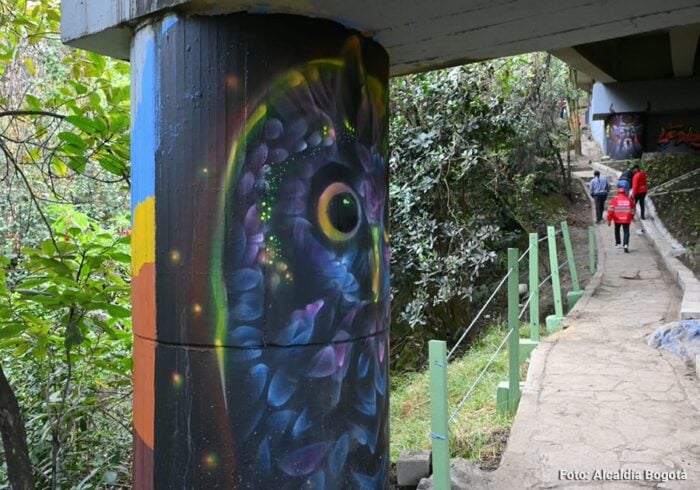
Public Space Restoration: Over 20,700 square meters of public space were entirely overhauled, including structural repairs to the bridge infrastructure (marking the fifth bajo puente or under-bridge space successfully recovered by the current administration in Bogota).
Infrastructure and Amenities: The project introduced new pedestrian access points, architectural lighting to enhance night and early-morning safety, modern urban furniture, comprehensive environmental signage, and dedicated landscaping.
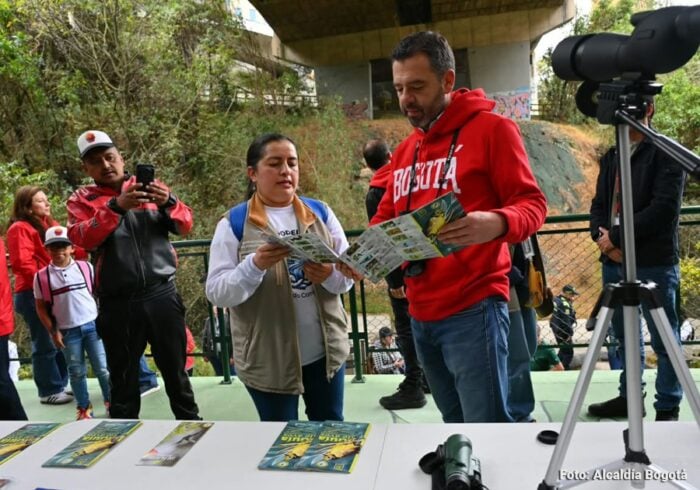
Ecological Wealth: The corridor serves as a critical refuge within the Eastern Hills (Cerros Orientales). It currently houses approximately 8,500 native and established trees and plays host to more than 50 distinct bird species, making it one of the premier urban bird-watching spots in the capital.
Accessibility and Schedule: The trail is open to the general public free of charge on Saturdays, Sundays, and official holidays from 7:00 a.m. to 12:00 p.m. Registration for walks is administered by the Bogotá Aqueduct and Sewer Company (EAAB).
Chronology: A 15-Year Journey from Abandonment to Renewal
The rebirth of the Las Delicias stream did not happen overnight; it is the culmination of a decade-and-a-half-long evolution driven by successive municipal administrations, grassroots community organizing, and academic participation.
Phase 1: Inception and Early Recognition (2009–2015)
The foundational process to rescue the Las Delicias stream began in 2009 during the administration of former Mayor Samuel Moreno. Recognizing the ecological and historical value of the water source flowing down from the Chapinero mountains, the District began identifying the area as a potential site for passive recreation and environmental education. However, progress during this initial period was slow, hampered by informal settlements, lack of lighting, and persistent security issues that kept the general public away.
Phase 2: Formalizing Ecotourism and Community Guardianship (2016–2019)
During the mayoralty of Enrique Peñalosa, the vision for Las Delicias took a more structured shape. Between 2016 and 2019, the District formally habilitated counter-current walking paths and constructed dedicated viewing platforms. Crucially, this period marked the integration of community stakeholders into the management of the trail. Local organizations—most notably CorpoDelicias and local action boards (Juntas de Acción Comunal)—stepped up to provide environmental guides and "green guardians," establishing a framework of community-led stewardship that ensured the trail could be safely opened for organized ecological hikes.
Phase 3: Comprehensive Inter-Institutional Rescue and Modernization (2020–Present)
Under the current administration of Mayor Carlos Fernando Galán, the project received a decisive financial and logistical push. Recognizing that fragmented efforts were insufficient to solve the area’s security and environmental decline, the District mobilized a massive inter-institutional task force. Backed by a dedicated DADEP investment of over 610 million pesos, the administration modernized the infrastructure, illuminated the under-bridge sectors, and solidified an operational network involving nearly a dozen public and private entities to protect, maintain, and promote the natural reserve.
Supporting Data: A Collaborative District Effort
The sheer scale of the Las Delicias revitalization required an unprecedented level of coordination across municipal government agencies, private utilities, local businesses, and educational institutions. No single entity could have achieved the transformation alone.
The institutional framework that brought the project to life includes:
The District Administration & DADEP: Led the strategic planning and financed the primary infrastructure upgrades with a targeted investment of more than $610 million pesos.
The Urban Development Institute (IDU): Oversaw structural engineering aspects, particularly concerning walkways and paving.
The Special Administrative Unit for Public Services (UAESP): Managed waste integration and cleanliness around the perimeter of the trail.
The Bogota Aqueduct and Sewer Company (EAAB): Manages the vital water flow of the stream and oversees the official visitor registration database for hikers.
Enel Colombia: Partnered to install modern, energy-efficient lighting solutions across the trail and beneath bridge structures, dramatically improving night-time safety and visibility.
The Botanical Garden and the Secretariat of Environment: Provided crucial scientific oversight for landscaping, native flora preservation, and ecosystem management.
Social and Security Agencies: The Secretariats of Social Integration, Education, and Security, alongside the local Mayor’s Office of Chapinero and the Metropolitan Police, collaborated to secure the perimeter, prevent illicit occupation, and integrate local youth programs.
Civil Society and Academia:CorpoDelicias, the Bosque Calderón Action Board (Junta de Acción Comunal), and the Simón Rodríguez School actively participated in hands-on recovery efforts, reinforcing the bond between the neighborhood and its natural surroundings.
Official Responses and Stakeholder Perspectives
Local authorities and community leaders have emphasized that the revitalization of Las Delicias is much more than an environmental project—it is an exercise in reclaiming urban citizenship and fostering sustainable coexistence between the city and its mountainous geography.
"The intervention in Las Delicias reflects our firm commitment to returning public spaces to the citizens, ensuring that Bogota’s natural wealth is protected, valued, and enjoyed safely," noted representatives from the District Department for the Defense of Public Space (DADEP). “By investing in modern infrastructure, lighting, and environmental management, we are transforming vulnerable zones into centers of community pride and ecotourism.”
Environmental advocates and local educational institutions, such as the Simón Rodríguez School, have underscored the pedagogical value of having an outdoor ecological laboratory just blocks away from urban commercial centers. Students and neighborhood residents now have direct access to a living classroom where they can study native flora, observe avian biodiversity, and learn about the importance of water conservation in the Andean ecosystem.
Furthermore, local business associations in Chapinero have welcomed the project as a catalyst for economic reactivation. By positioning Las Delicias as a premier destination for weekend hikers, fitness enthusiasts, and nature photographers, the initiative drives sustainable tourism traffic to the locality, benefiting local commerce, guides, and artisanal vendors.
Implications for Bogota: A Blueprint for Urban Conservation
The successful reopening of the Las Delicias stream carries profound implications for the future urban planning of Colombia’s capital.
As Bogota continues to grapple with the pressures of urban expansion, climate change, and the need for safe recreational spaces, the multi-agency model tested in Chapinero offers a replicable blueprint. By combining municipal financing, utility modernization, strict environmental enforcement, and active community participation, the District has demonstrated that neglected ecological corridors can be successfully integrated into the daily life of the city without compromising their ecological integrity.
Moreover, the recovery of Las Delicias—marking the fifth under-bridge space successfully rescued by the current administration—signals a shift in how Bogota treats its neglected transitional zones. Spaces that were once viewed as urban dead-ends or security hazards are being reimagined as vibrant connectors between the urban grid and the majestic Eastern Hills.
For the thousands of Bogotanos who visit the trail each weekend, Las Delicias stands as a testament to what can be achieved when civic stewardship meets decisive public policy: a place where the rush of the city fades away, replaced by the rush of water, the rustle of 8,500 trees, and the silent flight of the mountains’ native birds.