


Main Facts: The Paradigm Shift in Women’s Health
For generations, the narrative surrounding menopause was defined by stoic endurance. Hot flashes, debilitating insomnia, erratic mood swings, and vaginal dryness were routinely dismissed as inevitable burdens of aging—crosses that women were simply expected to bear in silence. Today, however, that cultural and medical script is being decisively rewritten.
The change is not merely psychological; it represents a fundamental pivot in clinical practice. "Fifteen years ago, receiving a consultation focused explicitly on menopause symptoms was entirely anecdotal," explains Dr. Cristina García Casals, a gynecologist at the Maternal and Child Hospital of A Coruña, in an interview with La Voz de Salud. Today, the reality inside the consulting room looks vastly different. A growing wave of women is actively seeking out medical guidance, refusing to let symptoms quietly erode their daily functioning, professional performance, and personal well-being. They are coming to clinics armed with questions, demanding tailored options, and rejecting the outdated notion that aging must equal physical decline.
Medically defined as the point when a woman has gone 12 consecutive months without menstruation, menopause is preceded by a transitional phase known as perimenopause. This prelude can span several turbulent years, during which hormonal fluctuations trigger an array of systemic effects. While the physical and emotional toll varies wildly from person to person—some women navigate the transition with minimal disruption, while others suffer for years—the medical community is finally acknowledging the profound impact this life stage has on overall quality of life.
Chronology of a Taboo: From Silent Suffering to Clinical Visibility
To understand the magnitude of today’s shift, it is essential to examine how society and medicine have historically handled the female climacteric.
- The Mid-20th Century (The Medicalization and Minimization Era): As modern pharmacology developed, menopause was frequently viewed through a pathological lens, yet treatment options remained blunt. Women were often prescribed sedatives for anxiety or early forms of estrogen replacement without nuanced risk stratification, leading to widespread confusion and fear.
- The Early 2000s (The Hormone Therapy Scare): A critical turning point occurred in 2002 with the publication of the Women’s Health Initiative (WHI) study. The initial, sweeping interpretation of the data suggested that hormone replacement therapy (HRT) carried severe risks of breast cancer and cardiovascular events. This triggered a massive panic, causing millions of women to abruptly stop HRT and doctors to abandon prescribing it. For over a decade, fear eclipsed nuance, and menopausal symptoms were largely pushed back into the shadows of "things you just have to live with."
- The 2010s (Re-evaluating the Evidence): As researchers conducted deeper, more granular analyses of the WHI data and subsequent studies, medical consensus evolved. Experts realized that the risks had been generalized and that for younger women (or those within ten years of onset), the benefits of hormone therapy often vastly outweighed the risks. However, the cultural stigma remained largely intact.
- The Present Day (The Era of Empowerment and Personalization): Today, a combination of digital health platforms, public advocacy by women in the public eye, and a new generation of proactive medical professionals has dismantled the taboo. Women in their 40s and 50s are refusing to accept professional burnout or declining quality of life as inevitable. They are demanding specialized care, personalized medical interventions, and evidence-based lifestyle strategies to protect their long-term health.
Supporting Data: The Scale and Impact of Menopausal Symptoms
The biological engine driving these changes is the systemic decline of estrogen, a hormone that influences everything from the thermoregulatory center in the brain to bone density, cardiovascular health, and cognitive function.
According to clinical data compiled by the North American Menopause Society (NAMS):

- 8 out of 10 women will experience vasomotor symptoms—specifically hot flashes and night sweats—at some point during the perimenopausal and menopausal transition. For many, these episodes are not fleeting inconveniences but severe disruptions that trigger chronic sleep deprivation, anxiety, and impaired concentration at work.
- Beyond vasomotor events, clinical literature highlights a constellation of secondary symptoms:
- Insomnia and Sleep Disturbances: Driven by night sweats and declining melatonin/estrogen synergy.
- Genitourinary Syndrome of Menopause (GSM): Encompassing vaginal dryness, dyspareunia (painful intercourse), and urinary urgency, which affects up to 50% of postmenopausal women if left untreated.
- Metabolic and Body Composition Shifts: A natural tendency toward visceral fat accumulation, reduced insulin sensitivity, and accelerated bone mineral density loss.
Recent research underscores the urgency of addressing these symptoms beyond immediate comfort. A systematic review and meta-analysis published in Maturitas (Armeni et al., 2023) highlights the intricate links between persistent vasomotor symptoms and long-term cardiovascular disease risk in peri- and postmenopausal women, emphasizing that treating these symptoms is a matter of holistic, preventive medicine rather than mere cosmetic comfort.
Official Responses and Medical Protocols: Individualization is Key
As clinical demand surges, medical boards and gynecology departments are overhauling how they approach patient care. The one-size-fits-all model of the past has been permanently discarded.
"These treatments have to be administered in a strictly individualized manner," Dr. García Casals stresses. "Not every woman going through menopause requires medical treatment."
Modern gynecological protocols dictate a comprehensive risk-benefit analysis before any therapeutic path is chosen. Healthcare providers must evaluate a wide array of personal variables:
- Age and Time from Menopause Onset: The "window of opportunity" concept dictates that hormone therapy is safest and most effective when initiated in women under 60 or within 10 years of their final menstrual period.
- Symptom Severity and Daily Impact: Distinguishing between mild inconveniences manageable via lifestyle adjustments and severe, disabling symptoms that compromise mental health and occupational function.
- Medical and Family History: Careful screening for personal or familial risks of breast cancer, cardiovascular disease, liver dysfunction, and thromboembolic events (blood clots).
When hormone therapy is indicated, modern bioidentical hormones delivered transdermally (via patches or gels) offer a safer risk profile compared to older oral formulations, minimizing hepatic strain and clotting risks. For localized issues like vaginal dryness, low-dose local estrogen therapies provide targeted relief without systemic absorption. Meanwhile, non-hormonal prescription options—such as certain SSRIs, SNRIs, or emerging neurokinin 3 (NK3) receptor antagonists—offer viable alternatives for women who cannot or choose not to use hormones.
Implications: The Prescription Beyond the Pharmacy—Muscle, Bone, and Lifestyle
Perhaps the most empowering realization in contemporary women’s health is that managing menopause successfully requires a dual approach: clinical interventions when necessary, paired with proactive, non-pharmacological lifestyle strategies that build long-term resilience.
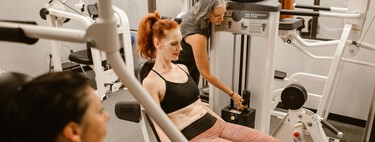
When asked about the most critical habits for this life stage, Dr. García Casals points directly to two pillars that cannot be found in a pill bottle: nutrition and strength training.
The Science of Strength After 40
The precipitous drop in estrogen directly accelerates the loss of muscle mass (sarcopenia) and bone mineral density (osteopenia and osteoporosis). Historically, women were advised to stick to light aerobic exercises like walking or gentle yoga. Today, sports medicine and gynecology are aligned on a far more rigorous prescription: heavy resistance and strength training.
Lifting weights or performing progressive resistance exercises does not magically eliminate hot flashes, but it acts as a powerful prophylactic against the physical degradation associated with aging.
- Bone Remodeling: Mechanical loading through resistance training stimulates osteoblasts (bone-forming cells), signaling the skeletal system to maintain or increase bone mineral density, thereby mitigating the risk of debilitating fractures later in life.
- Metabolic Health: Muscle tissue is metabolically active. Preserving and building lean muscle mass counters the metabolic slowdown and visceral fat gain typical of the menopausal transition, improving insulin sensitivity and reducing type 2 diabetes risk.
- Functional Independence: Maintaining robust musculature ensures physical autonomy, balance, and joint integrity well into advanced age.
A New Standard of Care
Ultimately, the modern medical consensus is clear. Not every woman needs medication, and not every symptom requires a pharmaceutical solution. Some women find adequate relief through targeted dietary shifts, stress management, sleep hygiene, and exercise. Others benefit immensely from tailored medical therapies.
What is no longer acceptable, however, is the cultural normalization of silent suffering. Women should not be expected to endure years of physiological disruption that impairs their sleep, sexual health, professional capabilities, and overall joy of living. By bridging advanced clinical personalization with empowering lifestyle medicine, modern healthcare is finally ensuring that the menopausal transition is treated not as an affliction to be endured, but as a natural life stage to be navigated with strength, science, and dignity.
References
- Armeni, E., Lambrinoudaki, I., Ceausu, I., Depypere, H., Mueck, A., Pérez-López, F. R., Schenck-Gustafsson, K., Simoncini, T., Tremollieres, F., & Rees, M. (2023). Vasomotor symptoms and risk of cardiovascular disease in peri- and postmenopausal women: A systematic review and meta-analysis. Maturitas, 171, 13–20. https://doi.org/10.1016/j.maturitas.2023.02.004
- La Voz de Salud. (2026). Entrevista a la ginecóloga Cristina García Casals: "Hace quince años era anecdótico recibir una consulta por síntomas de la menopausia".
- The North American Menopause Society (NAMS). Patient Education and Clinical Guidelines on Menopause Symptoms.




Leave a Reply