

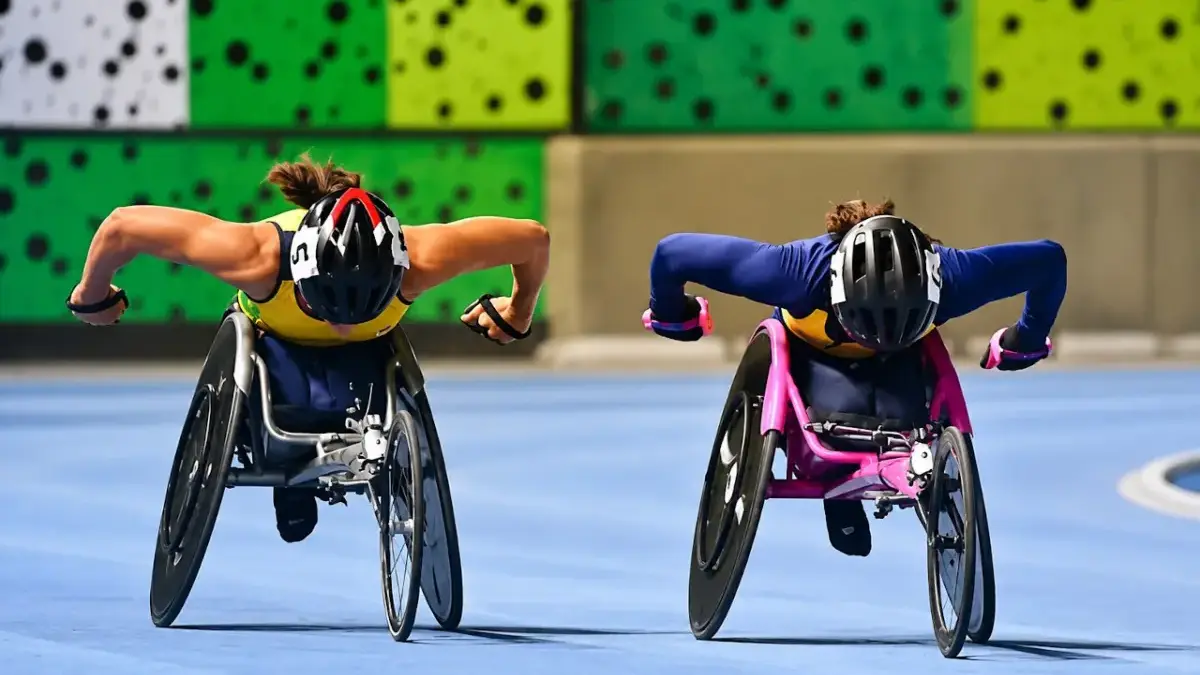
CALI, COLOMBIA — The vibrant capital of the Valle del Cauca department, affectionately known as La Sucursal del Cielo (The Branch of Heaven), has once again transformed into the epicenter of global para-athletics. From Thursday, September 17, through Sunday, September 20, 2026, the historic Pedro Grajales Athletics Stadium serves as the stage for the prestigious World Para Athletics Cali Grand Prix 2026.
Bringing together more than 330 para-athletes alongside 36 dedicated guides, this international spectacle features delegations from 25 nations representing four continents. Beyond the fierce athletic competition, the event stands as a powerful testament to resilience, community recovery, and world-class athletic excellence.
Main Facts
The 2026 edition of the Cali Grand Prix marks the second time Colombia has hosted this high-caliber stop on the international para-athletics circuit. Following a rigorous three-day classification process for physical and visual impairments held from September 14 to 16, the competition officially kicked off with daily schedules running from 3:00 p.m. to 8:00 p.m. Local time.
Athletes are competing across an average of 53 events per day, pushing the boundaries of human potential in disciplines that span track and field. The competition categories are broad and inclusive, welcoming athletes with physical, intellectual, and visual impairments, as well as those with cerebral palsy. Events range from high-speed sprints (100m, 200m, 400m) and middle-to-long-distance races (1,500m and 5,000m) to complex technical field events, including javelin, discus, and club throw, shot put, and both long and high jumps.
A Historic Gathering of Nations
While Latin American powerhouses such as Mexico, Ecuador, the Dominican Republic, Brazil, and Puerto Rico boast some of the largest squads outside the host country, the global footprint of the 2026 Grand Prix is undeniable. Competitors have traveled from the United States, Kenya, Slovenia, Poland, Russia, Turkey, Bosnia and Herzegovina, and—making its historic debut at the Cali tournament—Grenada.
Team Colombia: A Blend of Experience and Rising Stars
The host nation fields a formidable delegation of 66 para-athletes (45 men and 21 women) hailing from 11 different regions across the country, including Valle del Cauca, Tolima, Quindío, Meta, Córdoba, Cauca, Caldas, Bolívar, Bogotá, Atlántico, and Antioquia. Of the 66 competitors, 38 are slated for track events, while 28 will showcase their talents in field disciplines.
The roster features elite, internationally recognized names who have previously flown the Colombian flag high on the global stage, including:
- Karen Palomeque
- Levin Moreno Denis
- Angie Nicoll Mejía
- Francisco Sanclemente
- Angie Pabón
Simultaneously, the event serves as a crucial incubator for a dynamic new generation of Colombian para-athletics talent. Emerging competitors looking to make their mark include Fabio Andrés Londoño, Yessica Muñoz, Eric Castro, Juan Sebastián Gómez, Xiomara Saldarriaga, Tomás Felipe Soto, Julián Acosta, Karol Michell Bastidas, Luis Fernando Lara, Vileidy Toro, and Yeferson Suárez.
Chronology of Events
The Buildup and Classification: September 14 – 16
Before a single starting pistol fired, the days leading up to the Grand Prix were marked by meticulous administrative and medical procedures. From September 14 through September 16, international classifiers conducted comprehensive physical and visual evaluations. This mandatory classification process ensures fair competition and proper functional grouping, a foundational pillar of the paralytic sports movement.
Concurrently, local organizing committees finalized the logistical preparations at the Pedro Grajales stadium, ensuring that all technical specifications required by World Para Athletics were fully satisfied.
Day 1 & 2: Opening Sprints and Field Finals (September 17 – 18)
The competition roared to life on Thursday afternoon, September 17. The cool evening temperatures of Cali provided optimal conditions for the track events as the 3:00 p.m. to 8:00 p.m. block commenced. Early highlights included blistering qualifying heats in the 100m and 400m sprints, alongside intense battles in the seated throwing events. Day two, Friday, September 18, saw the first wave of medal ceremonies, with international visitors and home-country favorites trading podium spots amid roaring applause from local spectators.
The Climax and Closing: September 19 – 20
As the weekend progresses into Saturday and Sunday, the competition reaches its crescendo. The final sessions on Sunday, September 20, will feature the concluding relays, longer endurance races, and high-stakes technical field finals. Following the last event on Sunday evening, an official closing ceremony will honor the champions, celebrate broken records, and officially bid farewell to the international delegations until the next global gathering.
Supporting Data and Historical Context
The 2026 Cali Grand Prix does not exist in a vacuum; it builds directly upon the phenomenal success of its inaugural predecessor. During the 2025 Cali Grand Prix, the event shattered expectations by yielding seven international records, comprising four world records and three continental records.
Encouraged by these historical breakthroughs, the event organizers, in coordination with national sports authorities, have reintroduced financial incentives for any athlete who manages to establish a new world record during the 2026 competition. These cash bonuses aim to elevate the competitive intensity and reward elite athletes for pushing past previously accepted physiological limitations.
Financial and Governmental Backing
The realization of a tournament of this magnitude requires robust financial planning. The Colombian Ministry of the Interior and Sport stepped forward with a vital investment of 310 million pesos, earmarked specifically to underwrite the operational costs of the Grand Prix and to subsidize the comprehensive training and participation of the national delegation.
Official Responses and Perspectives
Hosting an international sports event of this scale is a massive undertaking, made even more remarkable by the context in which it occurs. On August 10, a significant earthquake struck the region, causing infrastructure damage throughout parts of Cali, including localized impacts within the Unidad Deportiva Panamericana.
Overcoming Adversity: The Restoration of Pedro Grajales Stadium
In the wake of the seismic event, the Secretariat of Sport and Recreation of Cali, working hand-in-hand with the Colombian Federation of Para-Athletics (Federación Colombiana de Para Atletismo), initiated a race against time. Extensive repair, maintenance, and structural safety checks were carried out on the Pedro Grajales stadium to guarantee absolute safety for athletes, coaches, and fans.
"To see our stadium restored and filled with international flags just weeks after the earthquake is a testament to the indomitable spirit of Cali," noted a local sports official during the opening ceremonies. "This Grand Prix is not merely a sports tournament; it is a declaration that our city stands tall, ready to welcome the world with open arms."
Economic Reactivation and Social Integration
Beyond its athletic merit, the 2026 World Para Athletics Cali Grand Prix is intentionally designed to serve as an economic catalyst. Municipal authorities have emphasized that the influx of over 360 international visitors—comprising athletes, coaches, medical staff, classifiers, and international media—provides an immediate, much-needed boost to local sectors heavily reliant on tourism. Hotels, transport companies, gastronomic hotspots, and local commerce are all experiencing a welcomed resurgence.
Furthermore, organizers integrated a profound social recovery element into the event footprint. Within the stadium grounds, a dedicated commercial zone and special artisan marketplace have been established. This space exclusively highlights local entrepreneurs and small businesses whose livelihoods were disrupted by the August 10 earthquake, offering them a high-visibility platform to sell their goods to an international audience.
Implications and the Road to Los Angeles 2028
The significance of the World Para Athletics Cali Grand Prix 2026 extends far beyond the medals handed out under the stadium lights this weekend. For the hundreds of participating para-athletes, this competition represents a critical stepping stone in the long, arduous multi-year cycle leading toward the ultimate global pinnacle: the Paralympic Games of Los Angeles 2028.
Accumulating ranking points at World Para Athletics Grand Prix events is essential for athletes seeking direct qualification slots, seeding advantages, and international classification continuity. For young, emerging Colombian talents like Fabio Andrés Londoño and Xiomara Saldarriaga, rubbing shoulders with seasoned world champions and competing against international elite fields provides invaluable psychological and tactical experience.
As the competition draws to its conclusion on Sunday, September 20, Cali will once again cement its reputation as a premier capital for adaptive sports in the Americas. By demonstrating superior organizational capacity in the face of natural adversity, the city has proven that passion, infrastructure, and human willpower can overcome any obstacle—paving a bright, record-breaking path toward the future of global para-athletics.


Leave a Reply