By Architectural Review Desk Published: September 30, 2026
Main Facts
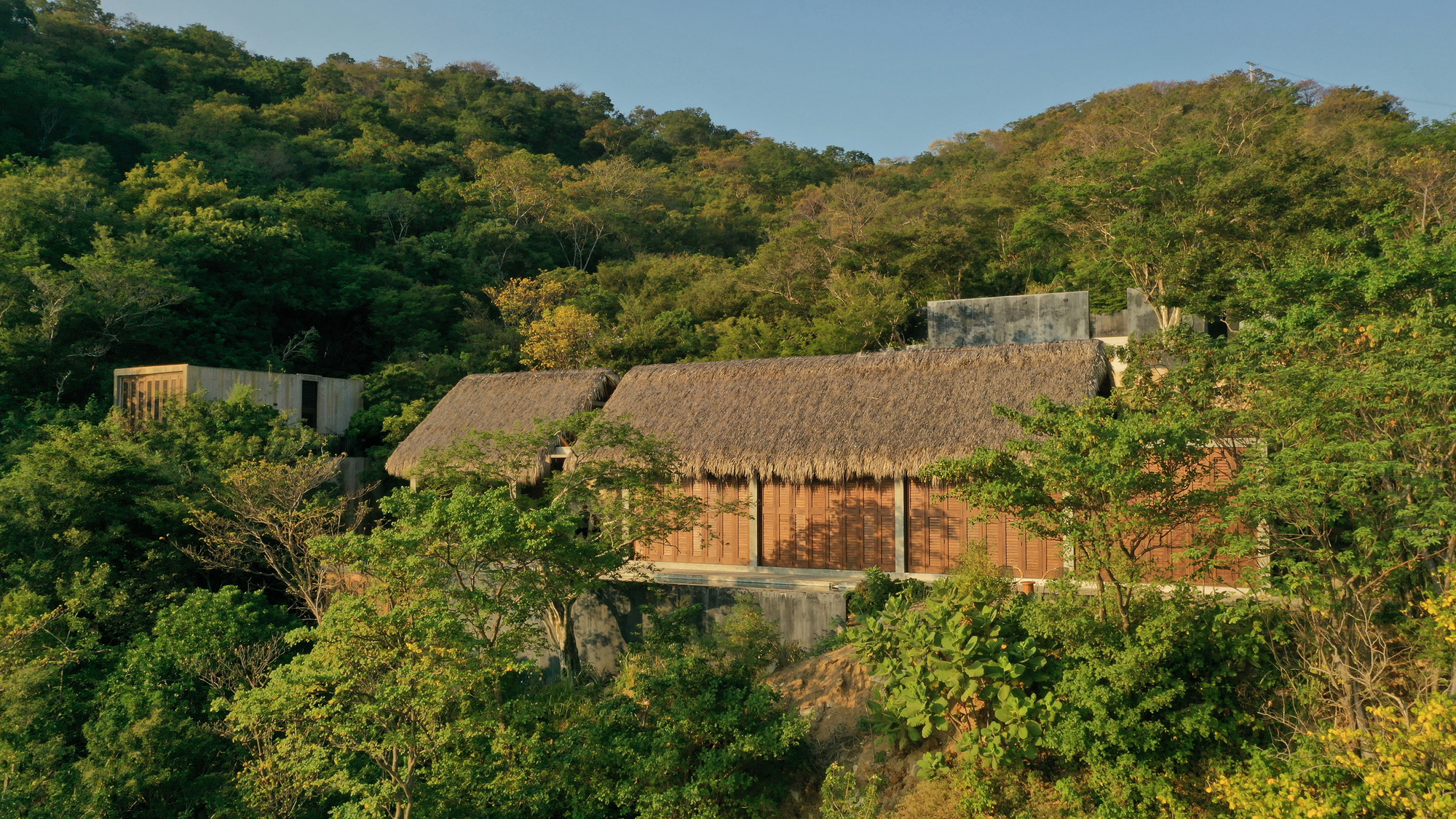
In the realm of contemporary residential architecture, few projects manage to achieve a seamless dialogue with their natural topography quite like Casa Yuu’ Kee’, designed by the visionary team at em-estudio. Curated and brought to public prominence through platforms like ArchDaily, this striking architectural project takes its evocative name from the Zapotec language, where Yuu’ Kee’ translates directly to "stone stream."
True to its nomenclature, the architectural concept of the residence is fundamentally dictated by a natural watercourse that cuts directly through the property. Rather than altering, piping, or overriding the natural topography—a common yet ecologically disruptive practice in modern real estate development—em-estudio chose to embrace the stream as the organizing principle of the design.
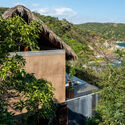
The water divides the residence into two distinct physical zones: a bustling, open social wing on one side, and a quiet, introspective private wing on the other. Spanning this natural geological and hydrological divide is a thoughtfully engineered bridge, transforming a logistical constraint into a daily poetic ritual for the inhabitants. Photographed extensively by architectural photographers Ivan Esqueda Martínez and Nin Solis, Casa Yuu’ Kee’ stands as a monument to regional identity, sustainable land integration, and structural transparency.
Chronology
The realization of Casa Yuu’ Kee’ represents the culmination of years of careful planning, site analysis, and contextual design execution by em-estudio. While architectural milestones unfold gradually, the timeline of the project highlights a meticulous approach to modern construction in harmony with nature:
Phase 1: Site Acquisition and Topographical Analysis (Early Planning Years): The project began with the identification of a challenging, heavily sloped plot defined by dense native flora and the defining stone stream. Instead of standardizing the land through aggressive grading, em-estudio mapped the hydrological flows, seasonal water level changes, and the exact positioning of mature trees to preserve the ecosystem.
Phase 2: Conceptual Design and Cultural Integration (Pre-Construction): The architects integrated local Zapotec heritage into the programmatic layout. The naming of the house (Yuu’ Kee’) set a philosophical tone that honored indigenous geography. During this phase, the split-pavilion layout—separating public and private domains across the water—was finalized.
Phase 3: Structural Engineering and Foundation Work: Building near and over a natural stream required specialized civil and structural engineering. Pier foundations and careful drainage systems were installed to prevent erosion while ensuring that the architectural footprint remained lightweight and minimally invasive.
Phase 4: Material Sourcing and Assembly: Emphasizing regional materiality, the team sourced stone, timber, and local building elements that would weather gracefully under the elements. The assembly of the bridging structure became the critical path of the construction schedule.
Phase 5: Completion and Exterior/Interior Documentation: Photographers Ivan Esqueda Martínez and Nin Solis captured the completed project, highlighting the interplay of shadow, timber framing, stonework, and the continuous sound of running water.
Phase 6: Public Release and Critical Acclaim (September 30, 2026): Casa Yuu’ Kee’ was officially published and curated by Valentina Díaz, entering the global architectural discourse as a benchmark for sustainable, topography-driven tropical and regional design.
Supporting Data
To fully appreciate the scope of Casa Yuu’ Kee’, architectural analysts look closely at the spatial metrics, material choices, and environmental performance indicators that define em-estudio’s portfolio:
Nomenclature Origin: Zapotec language (Yuu’ Kee’ = stone stream).
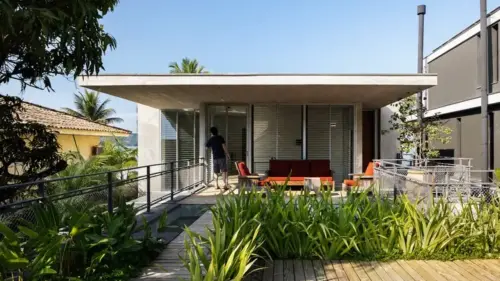
Zoning Strategy: Bifurcated layout featuring a dedicated social pavilion and a private residential wing.
Connecting Element: A structural architectural bridge crossing the natural water stream.
Visual Documentation: Over 37 high-resolution frames captured by renowned architectural lensmen Ivan Esqueda Martínez and Nin Solis.
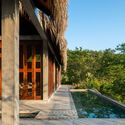
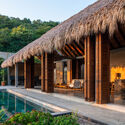
Key Materials: Heavy reliance on natural stone (echoing the "stone stream" concept), exposed wooden beams, and expansive glass panels that dissolve boundaries between interior and exterior spaces.
Spatial Typology: Single-family residential architecture integrated into a rural or semi-rural natural landscape, prioritizing micro-climate ventilation and natural lighting.
Official Responses and Design Philosophy
The creative minds behind em-estudio have consistently advocated for an architecture that listens to its environment rather than shouting over it. In design statements released by the studio, the team emphasized that Casa Yuu’ Kee’ was born out of a profound respect for the topography of the land.
"When you encounter a site marked by water, stone, and indigenous history, your first instinct as an architect should not be to conquer it, but to converse with it," notes the project description provided by em-estudio. "The stone stream was not a barrier to our design; it was the author of it. By separating the social and private spaces across this natural fissure, we forced the inhabitants to engage with the elements—the sound of water, the change of seasons, the crossing of the bridge—every single day."
Curator Valentina Díaz, reflecting on the inclusion of the project in international architectural channels, emphasized its emotional resonance: "Casa Yuu’ Kee’ moves past the sterile modernism that dominates urban centers. It re-establishes a tactile, sensory connection to the earth. The timber joinery, the heavy stone foundations, and the constant presence of the stream create a living ecosystem inside a home."
Implications for Modern Architecture
The completion and critical reception of Casa Yuu’ Kee’ carry wide-ranging implications for contemporary architectural practice, particularly in regions grappling with rapid urbanization, environmental degradation, and the loss of vernacular identity.
1. Redefining Site Interaction
For decades, modern development has relied on heavy earthmoving equipment to flatten terrains, redirect natural water channels, and pour massive concrete slabs over living topographies. Casa Yuu’ Kee’ serves as a counter-narrative. By working around and with the natural water stream, em-estudio demonstrates that respectful, low-impact site integration can yield more dramatic, aesthetically superior, and emotionally rewarding spaces than total landscape domination.
2. The Revival of Regional Narrative
Architecture is increasingly seeking ways to ground itself in local culture. By utilizing a Zapotec phrase for the home’s title and drawing aesthetic inspiration from the native stones and timbers of the region, em-estudio bridges the gap between global modern design standards and local cultural heritage. This prevents architecture from becoming placeless and anonymous.
3. Biophilic Design as a Structural Necessity
While biophilic design is often reduced to adding potted plants or indoor water features to corporate offices, Casa Yuu’ Kee’ treats biophilia as a fundamental structural framework. The stream is not an ornament; it is the spatial separator that defines how people move, gather, sleep, and live. This sets a high bar for future residential projects aiming to achieve true ecological harmony without sacrificing luxury, comfort, or structural integrity.
As urban sprawl continues to consume natural landscapes, works like Casa Yuu’ Kee’ offer a hopeful blueprint: a vision of the built environment where human habitation and natural ecosystems do not compete, but instead flow together—much like a stone stream crossed by a quiet bridge.



Leave a Reply