
BOGOTÁ, Colombia — In a stunning display of administrative failure and logistical mismanagement, the much-anticipated Liga BetPlay encounter between Millonarios and Once Caldas was abruptly canceled by the División Mayor del Fútbol Colombiano (Dimayor) mere minutes before its scheduled kickoff on Tuesday, October 13, 2026. The match, which was set to begin at 8:30 p.m. at the historic Estadio Nemesio Camacho El Campín, never took place. Instead, players from both squads stood bewildered in the tunnels, and thousands of fans were left stranded or staring in disbelief at their screens as official word broke that the pitch was entirely unplayable.
The decision—taken at the eleventh hour—was framed by tournament organizers as an absolute necessity to protect the physical integrity and professional safety of the athletes. However, the ripple effects of this fiasco extend far beyond a postponed fixture. The unfolding scandal has thrust the stadium’s private administrator, Sencia, into the eye of a legal and political storm, prompting a fierce reprimand from Bogotá Mayor Carlos Fernando Galán and placing the viability of multi-purpose venue management under intense public microscope.
Main Facts: A Fixture Aborted at the Eleventh Hour
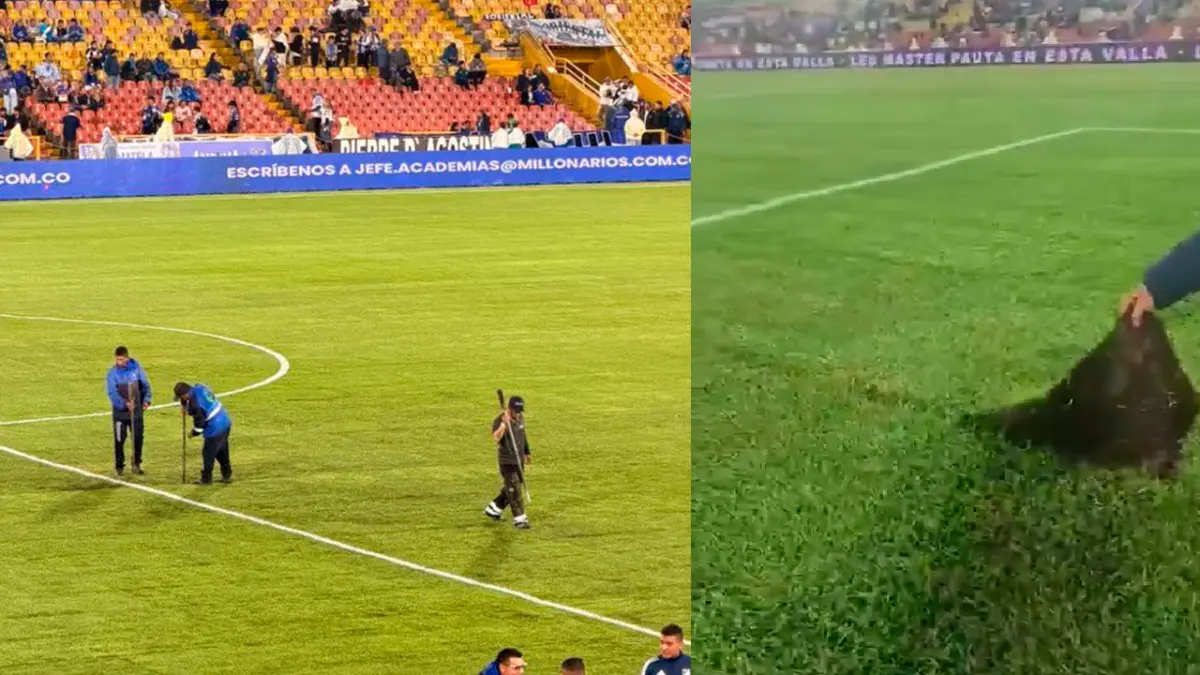
The core of the crisis centers on the state of the pitch at El Campín on the evening of October 13. According to official statements released by Dimayor, pitch inspectors and match officials walked the turf shortly before the teams were due to take the field for warm-ups. What they found was a severely compromised playing surface that posed an unacceptable risk of injury.
- The Match: Millonarios vs. Once Caldas, regular-season fixture of Colombian professional soccer.
- The Location: Estadio Nemesio Camacho El Campín, Bogotá.
- The Scheduled Time: Tuesday, October 13, 2026, at 8:30 p.m.
- The Decision: Total cancellation moments before kickoff, enacted by Dimayor officials.
- The Primary Reason: Severe degradation of the grass surface, deemed a direct hazard to player safety.
- The Responsible Party (Concessionaire): Sencia, the private consortium tasked with the administration, upkeep, and logistical operations of the stadium.
Dimayor officials labeled the pitch conditions “lamentable,” noting that despite the teams being fully dressed, warmed up mentally, and present inside the venue, the risk profile of the turf forced their hand. To allow professional athletes to compete on a fragmented, unstable, or improperly rooted surface would have represented a gross dereliction of duty regarding player safety. Consequently, the referee crew, in consultation with Dimayor delegates, pulled the plug on the match.
Chronology of Events: From Global Concerts to Pitch Collapse
To fully understand how a premier South American soccer stadium became unfit for a professional league match, one must trace the timeline of events leading up to the fateful night of October 13. The deterioration of El Campín’s turf was not an overnight anomaly; rather, it was the culmination of heavy logistical pressures and unmet agronomic promises.
Early October: The Mega-Concerts
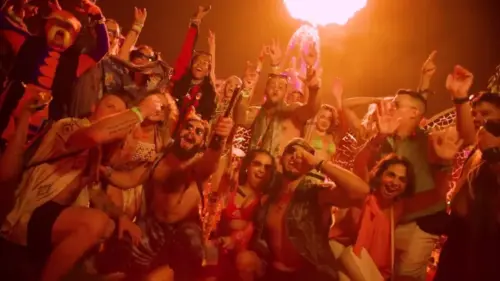
Days prior to the scheduled match, El Campín served as the epicenter of a massive cultural event, hosting the globally renowned pop phenomenon BTS for two consecutive nights on October 2 and October 3, 2026. While hosting international artists brings significant cultural prestige and economic revenue to Bogotá, it invariably places an immense mechanical and physical toll on the stadium’s infrastructure, particularly the natural grass playing surface. Thousands of fans on the floor, heavy staging equipment, lighting rigs, and prolonged periods of sunlight deprivation routinely suffocate and damage stadium turf.
The Post-Concert Window
Following the final notes of the BTS residency on October 3, Sencia took control of the venue to execute rapid turnaround operations. The concessionaire initiated emergency turf replacement protocols and agronomic interventions. The objective was clear: strip away the damaged upper layers, lay down fresh sod where necessary, treat the soil, and ensure the pitch was fully knitted, stable, and ready to host elite-level soccer exactly ten days later, on October 13.
Public Reassurances
In the days leading up to the Millonarios vs. Once Caldas fixture, public concern grew regarding the feasibility of such a rapid recovery. Sencia, however, moved aggressively to quell doubts. Company representatives and operational spokespeople issued statements assuring club executives, sports journalists, and the general public that the agronomic recovery plan was running ahead of schedule. Sencia explicitly guaranteed that the gramilla (turf) would be fully installed, rooted, and in pristine, professional-grade condition by the evening of Tuesday, October 13. Trusting these assurances, Dimayor, Millonarios, and Once Caldas proceeded with travel and match-day preparations.
Match Day: October 13, 2026 (8:00 p.m. – 8:30 p.m.)
As players arrived at El Campín and began their evening routines, the reality of the turf’s condition became impossible to ignore. Visual inspections revealed that the newly laid or hastily treated sod lacked the structural root depth and firmness required for professional soccer. Chunks of turf were visibly loose, and the surface presented uneven bounce patterns and soft spots capable of causing severe ankle, knee, and ligament injuries.
With cameras rolling and fans seated, Dimayor officials made the executive call. At approximately 8:15 p.m., word leaked that the match was off. By 8:30 p.m.—the exact hour the ball should have been kicked—the cancellation was official. The stadium lights shone down on an empty, scarred field, marking a dark chapter for local sports logistics.
Supporting Data and Contractual Context: The Sencia Concession
The unfolding scandal has thrust Sencia into an uncompromising spotlight. Sencia is the private consortium that secured the lucrative concession to modernize, manage, and maintain the El Campín complex. This public-private partnership (PPP) model was designed precisely to relieve the District of Bogotá from the financial and operational burdens of stadium upkeep while driving commercial revenues through concerts, events, and sports entertainment.
However, the core tension of any multi-purpose stadium concession lies in the friction between commercial rentability and sporting utility.
- Revenue vs. Maintenance: Mega-concerts like BTS generate immense short-term profits for concessionaires through venue rental fees. Yet, they impose catastrophic wear-and-tear on natural turf.
- The "Obligación de Resultado": Under Colombian contract law and specific clauses governing municipal concessions, companies like Sencia operate under an obligación de resultado (obligation of result). They are not merely tasked with trying to keep the pitch in good condition; they are legally bound to deliver a playable, top-tier surface as an absolute contractual outcome.
- The Agronomic Deficit: Modern sports agronomy requires specific curing times, root establishment phases, and light/moisture balances. Attempting to host a massive stage-heavy concert on October 3 and expecting a flawless FIFA-standard soccer pitch on October 13 violates basic horticultural timelines, unless state-of-the-art hybrid turf systems or rapid modular grass-tray technologies are employed—systems whose implementation has faced persistent delays and budgetary debates in South American venues.
By failing to deliver a playable surface after explicitly promising one, Sencia crossed a red line, shifting the narrative from a simple scheduling mishap to a potential breach of contract with the city of Bogotá.
Official Responses: Swift Political Condemnation
The public backlash was swift, led forcefully by the highest levels of local government. Bogotá Mayor Carlos Fernando Galán did not mince words following the cancellation. Recognizing the embarrassment inflicted upon the city and the frustration of thousands of match-going fans, Galán took to social media and official channels to demand immediate accountability.
Mayor Carlos Fernando Galán’s Ultimatum
In a strongly worded statement published via his official X (formerly Twitter) account, Mayor Galán declared the situation completely untenable:
"Las condiciones de la grama del Campín son inaceptables. Le pido al IDRD que se inicie un proceso por posible incumplimiento de Sencia, en lo relativo a la obligación de mantener la grama del estadio en óptimas condiciones para garantizar la realizacion de los partidos de fútbol. No admitiremos más excusas por parte del concesionario, esta es una obligación de resultado con la cual deben cumplir."
(“The conditions of the turf at El Campín are unacceptable. I am asking the IDRD to initiate a process regarding a possible breach of contract by Sencia, concerning their obligation to maintain the stadium’s turf in optimal conditions to guarantee the realization of soccer matches. We will not admit any more excuses from the concessionaire; this is an obligation of result which they must fulfill.”)
Galán’s direct directive to the Instituto Distrital de Recreación y Deporte (IDRD)—the district entity that oversees public sports infrastructure and monitors municipal concessions—marks a significant escalation. The mayor explicitly rejected the concept of excuses, signaling that the District administration is prepared to levy heavy administrative penalties, financial fines, or pursue legal remedies if Sencia is found to have violated the terms of its operational contract.
Dimayor’s Stance
Dimayor echoed the sentiment of frustration while emphasizing that player protection remains non-negotiable. In its official communications, the entity described the conditions as "lamentables" and defended the decision to cancel the game at the eleventh hour. Dimayor underscored that putting athletes at risk on a substandard surface was a risk they were entirely unwilling to take, regardless of the logistical nightmares associated with mid-season fixture congestion.
Broader Implications: What Lies Ahead for El Campín, Millonarios, and Once Caldas?
The cancellation of the Millonarios vs. Once Caldas match triggers a cascade of secondary consequences that will impact the remainder of the Liga BetPlay season, the financial stability of the clubs, and the future governance of Bogotá’s sports venues.
1. The Sporting Dilemma: When Will They Play?
As of press time, Dimayor has not yet announced a rescheduled date for the fixture. Finding a vacant slot in the heavily congested Colombian football calendar is a logistical labyrinth. Both Millonarios and Once Caldas face packed schedules involving domestic league play, cup matches (Copa Colombia), and potential international commitments.
Furthermore, Dimayor has made it clear that no new date will be finalized until Sencia and the district provide definitive, verifiable proof that El Campín’s turf has been fully repaired and meets rigorous safety standards. Until then, Millonarios faces the immediate and damaging prospect of being temporarily homeless, forced to seek alternative venues outside Bogotá if the home stadium remains closed.
2. Legal and Financial Fallout for Sencia
The IDRD-led investigation into Sencia’s potential contractual breach could have severe financial repercussions for the concessionaire. If found liable for breach of contract, Sencia could face substantial economic sanctions. More importantly, this public relations disaster damages their standing with the District of Bogotá, potentially complicating future phases of the ambitious El Campín Master Plan—a multi-million-dollar modernization project meant to transform the stadium zone into a modern cultural, commercial, and sporting hub.
3. The Multi-Purpose Venue Debate
The crisis in Bogotá highlights a broader, continental challenge facing modern sports architecture across Latin America. As historic stadiums seek to diversify their income streams by hosting massive international concerts (such as Karol G, Taylor Swift, Coldplay, and BTS tours), stadium operators are caught in a financial trap. Concerts pay premium rental fees that subsidize stadium upgrades, but they simultaneously destroy the delicate natural turf required by professional soccer leagues.
Without investing heavily in advanced agronomic technologies—such as retractable pitch systems, high-spec hybrid grass reinforcement (like Desso GrassMaster), or modular cassette systems used in European and North American arenas—cities like Bogotá will continue to witness these embarrassing collisions between pop culture and national sport.
4. Fan Frustration and Institutional Trust
Ultimately, the greatest casualties of this fiasco are the fans. Thousands of Millonarios and Once Caldas supporters purchased tickets, rearranged their work schedules, braved Bogotá’s notorious evening traffic, and filled the stands only to be told that the game could not be played. This erodes trust not only in private concessionaires like Sencia but in the broader governance of Colombian professional soccer.
As the IDRD begins its formal review and Sencia scrambles to fix the ailing turf, the football community in Bogotá waits with bated breath. October 13, 2026, will long be remembered as the night administrative overconfidence and inadequate turf management collided under the lights of El Campín, leaving a stadium dark, fans empty-handed, and politicians demanding accountability.