

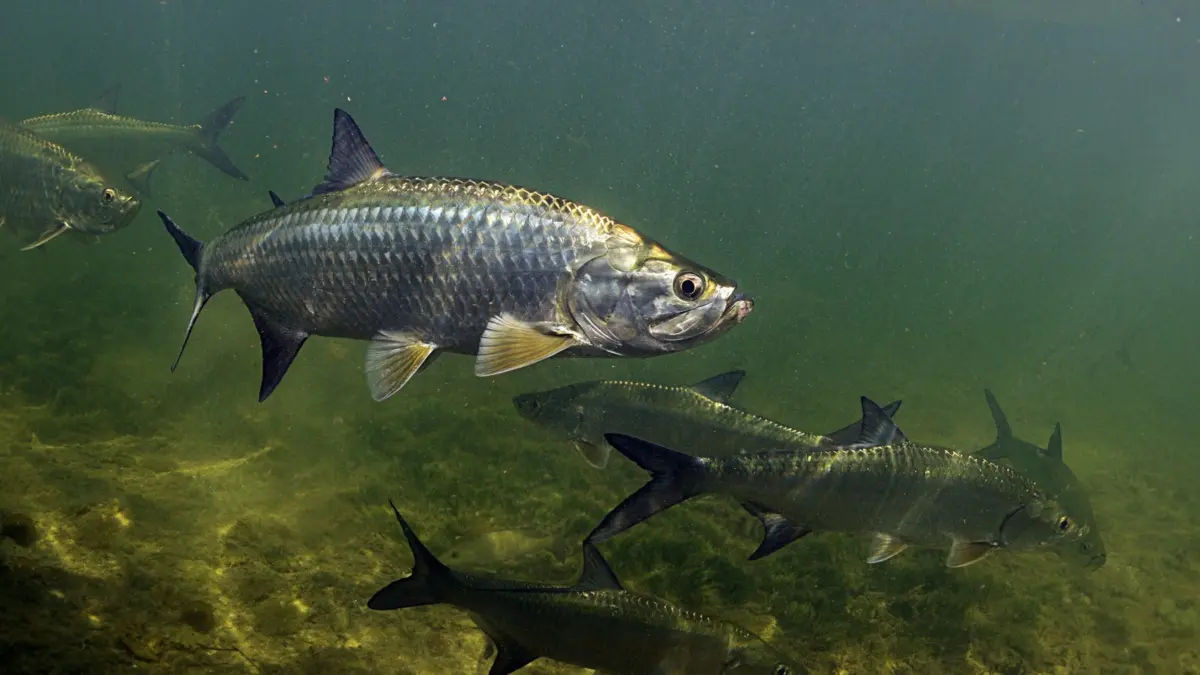
WASHINGTON — Amid mounting ecological alarm, a bipartisan coalition of congressional lawmakers from the Great Lakes region is pressing the federal government for immediate assurances regarding the future of the Brandon Road Interbasin Project. Designed to halt the relentless northward march of invasive carp toward Lake Michigan, the multi-billion-dollar infrastructure initiative has become the focal point of a high-stakes battle between environmental preservation, regional economics, and federal administrative delays.
With juvenile invasive carp discovered dangerously close to the lake, senators from Illinois, Michigan, and Wisconsin are demanding urgent talks with the administration of President Donald Trump. Their mission is clear: ensure the uninterrupted continuation of a critical barrier designed to protect a fragile aquatic ecosystem and a thriving multi-billion-dollar commercial and recreational fishing industry.
Main Facts: The Imminent Threat at Brandon Road
At the heart of the crisis is the imminent danger posed by several species of invasive carp—specifically the silver, bighead, black, and grass carp—collectively known as invasive carp. These voracious filter-feeders consume immense quantities of phytoplankton daily, starving native fish species of essential nutrients and fundamentally altering the food web of the Great Lakes.
The Brandon Road Interbasin Project, situated along the Des Plaines River in Illinois, serves as the ultimate line of defense. Authorized by Congress in 2020 with a staggering price tag of $1.15 billion, the project aims to construct a comprehensive technological and physical barrier. This fortification combines electric barriers, acoustic deterrents, air bubble curtains, and complex lock-and-dam modifications to prevent aquatic species from migrating from the Mississippi River basin into the Great Lakes watershed.
However, the path to completing this vital engineering feat has been fraught with bureaucratic hurdles, funding pauses, and scheduling disruptions. Lawmakers argue that any further delay could spell ecological catastrophe for North America’s largest freshwater system.
Chronology of an Ecological Incursion: From Aquaculture to the Brink of the Great Lakes
To understand the urgency driving regional legislators today, one must trace the timeline of how these foreign species established a foothold in North American waterways.
Late 20th Century: Introduction and Escape
- The 1970s: Invasive carp species were intentionally imported from Asia into the United States and introduced to southern aquaculture farms and municipal wastewater treatment facilities. Their primary purpose was natural vegetation and algae control.
- The 1990s: Severe flooding along the Mississippi River basin allowed these resilient fish to breach containment facilities, escaping into open river systems. They rapidly adapted, reproducing exponentially and expanding their territory northward up the Mississippi, Illinois, and Des Plaines river systems.
2010–2020: Escalating Warnings and Congressional Action
- 2010–2015: As carp populations surged toward the Chicago Area Waterway System—the artificial connection linking the Mississippi River basin to Lake Michigan—environmental groups, state agencies, and scientists ramped up warnings. Temporary electric barriers established near Romeoville, Illinois, proved insufficient as a long-term deterrent.
- 2020: Recognizing the existential threat to the Great Lakes, the U.S. Congress officially authorized the Brandon Road Interbasin Project, securing an initial federal and state cost-sharing framework estimated at $1.15 billion.
2023–Present: Construction Starts, Stops, and New Alarms
- Spring 2024: Initial preparatory construction phases for the Brandon Road project officially commenced, offering hope to conservationists.
- July 2024: Without clear public justification, project timelines experienced sudden administrative pauses and slowdowns, fueling frustration among regional stakeholders.
- September 2, 2024: Work officially resumed, yet lingering questions regarding long-term administrative commitment persisted.
- Recent Months: Field surveys confirmed the discovery of juvenile invasive carp just 80 river miles downstream from Lake Michigan—the closest documented approach in history. This milestone prompted a sharp escalation in political pressure from lawmakers.
Supporting Data: The Scale of the Ecological and Economic Threat
The urgency expressed by scientists and politicians is backed by stark metrics regarding both the biological adaptability of the carp and the vast economic footprint of the Great Lakes.
- $7,000,000,000: The estimated annual economic value of the Great Lakes fishing, boating, and tourism industries, which support tens of thousands of jobs across Illinois, Michigan, Wisconsin, Indiana, Ohio, Minnesota, Pennsylvania, and New York.
- 80 Miles: The record-breaking proximity of young invasive carp to Lake Michigan, which experts characterize as a "significant and alarming step in the invasion process."
- 10 Pairs: According to marine biologists cited by regional lawmakers, the introduction of as few as 10 reproductive pairs of invasive carp into Lake Michigan could establish a self-sustaining breeding population, causing irreversible damage to the ecosystem.
- Weight and Appetite: Silver carp can grow up to 60 pounds and possess a terrifying defensive reflex: when startled by boat motors, they leap up to 10 feet into the air, posing severe physical hazards to recreational boaters while consuming up to 20% of their body weight in plankton daily.
According to the Watershed Council, invasive carp have consistently demonstrated the capacity to outcompete native species, eventually dominating aquatic environments and displacing economically vital species such as yellow perch, walleye, whitefish, and trout.
Official Responses: A Bipartisan Demand for Accountability
The legislative pushback is led by a powerful bloc of senators representing the Great Lakes states most vulnerable to the invasion. The formal inquiry and meeting request directed at D. Lee Forsgren, the acting principal deputy assistant secretary of the Army for Civil Works, was spearheaded by Senators Richard Durbin (D-IL), Gary Peters (D-MI), Tammy Baldwin (D-WI), Elissa Slotkin (D-MI), and Tammy Duckworth (D-IL).
In their joint correspondence, the lawmakers expressed deep frustration over the erratic pacing of the Brandon Road project:
"The time is of the essence, and we simply do not have the luxury of time for the Trump administration to interfere in the project by suspending it arbitrarily and without clear explanation," the lawmakers wrote.
Highlighting the recent fisheries data showing juvenile carp within striking distance of Lake Michigan, the senators emphasized that procrastination is no longer an option. They noted that past statements by President Donald Trump acknowledging the necessity of combating aquatic invasive species must now be matched by unyielding administrative execution.
"Research has demonstrated that the stakes are too high for half-measures," the letter continued. "We are calling on the federal government to provide firm guarantees that construction will proceed without further administrative bottlenecks or funding interruptions."
Implications: What Hangs in the Balance
The standoff over the Brandon Road Interbasin Project carries profound implications that stretch far beyond the immediate geography of the Des Plaines River.
1. Ecological Integrity
If invasive carp successfully breach Lake Michigan, reversing the invasion will be biologically impossible. Conservationists warn that the ecological domino effect could decimate native food webs, clear the water column of essential nutrients in ways that promote toxic algal blooms, and permanently alter the natural heritage of the region.
2. Economic Stability
The Great Lakes basin is not only an ecological treasure but an economic engine. A collapse in sport and commercial fisheries would trigger devastating ripple effects through coastal communities, impacting hospitality, charter fishing, marine equipment sales, and local tax revenues that rely on a healthy, biodiverse aquatic ecosystem.
3. Federal-State Relations and Infrastructure Credibility
The delays at Brandon Road expose friction points between federal project management and regional stakeholders. For Congress, which authorized substantial funding under strict bipartisan consensus, the situation tests the federal government’s ability to execute complex, long-term environmental infrastructure projects efficiently.
As winter approaches and administrative discussions loom, the eyes of the entire Great Lakes basin remain fixed on Washington. For lawmakers, conservationists, and commercial fishers alike, the message is unequivocal: the window to secure the locks, deploy the barriers, and save Lake Michigan is closing rapidly.


Leave a Reply