

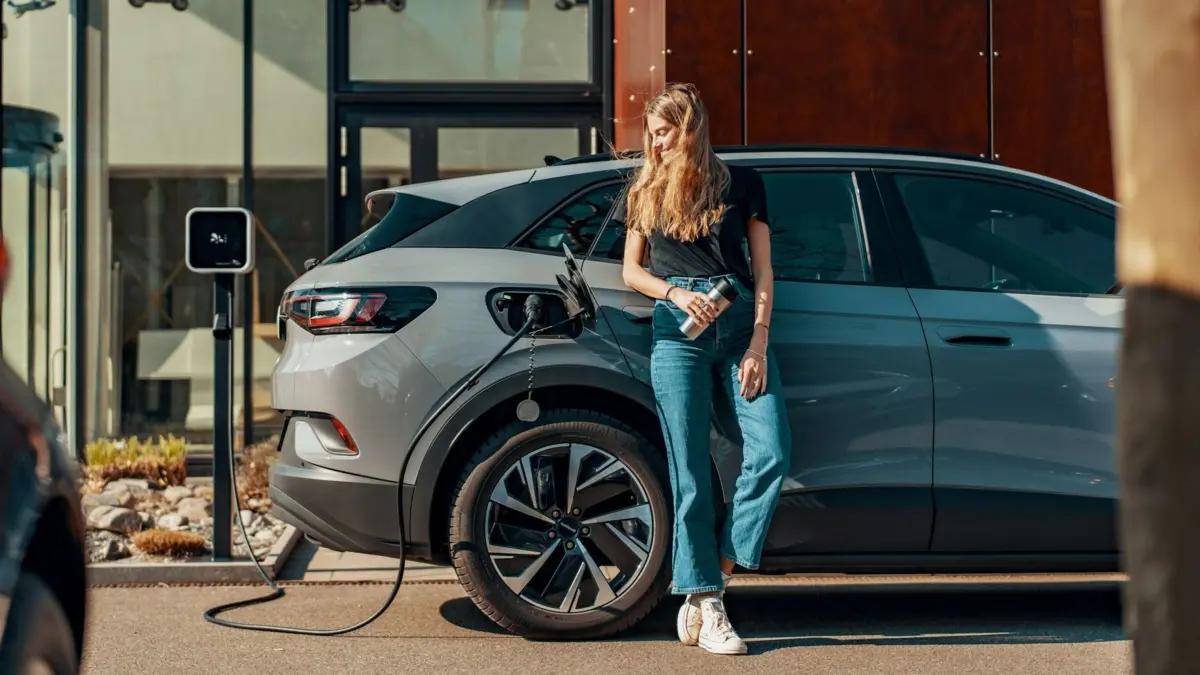
NEW YORK — In an era defined by the urgent need to combat climate change while modernizing urban and rural infrastructure, New York State has emerged as a national leader in the transition toward sustainable transportation. Driven by comprehensive policy frameworks, strategic investments, and forward-thinking initiatives spearheaded by the New York State Energy Research and Development Authority (NYSERDA), the Empire State is rapidly transforming its mobility landscape.
Recent milestones highlight a profound shift in how New York moves people and goods. By combining substantial financial incentives for everyday consumers, aggressively expanding charging infrastructure from rural highways to dense urban centers, and electrifying heavy-duty transit and school bus fleets, the state is proving that environmental stewardship and economic growth can travel down the same road.
Main Facts: The State of New York’s EV Revolution
The transition to clean transportation in New York is no longer a distant policy goal; it is a measurable, accelerating reality. According to comprehensive data released by NYSERDA detailing achievements through 2025, the state has firmly established a foothold for electric vehicles (EVs) within the mainstream automotive market.
At the heart of this growth is an impressive surge in EV adoption. New York now boasts 322,000 registered electric vehicles, capturing approximately 10% of all new vehicle sales across the state’s automotive market. This milestone is deeply intertwined with direct financial incentives. Through targeted point-of-sale rebates, the state has successfully subsidized the purchase or lease of more than 230,000 electric and plug-in hybrid vehicles.
The financial commitment from the state is substantial. Under the flagship Drive Clean Rebate program, NYSERDA has distributed $197.4 million in total rebates. This figure breaks down into:
- 150,980 rebates for pure battery-electric vehicles (BEVs).
- 74,360 rebates for plug-in hybrid electric vehicles (PHEVs).
Beyond passenger cars, the state’s strategy tackles the harder-to-abate sectors of transportation: heavy-duty commercial trucks and mass transit. Through initiatives like the NY Truck Voucher Incentive Program, the state has injected nearly $52 million into the deployment of medium- and heavy-duty electric trucks. Furthermore, public transit and education sectors are seeing unprecedented green investments, highlighted by dozens of newly operating electric transit buses and zero-emission school buses rolling out across dozens of school districts.
Chronology of a Transformation: Key Milestones in New York’s Clean Transit Journey
The path to New York’s 2025 transportation milestone was forged through years of deliberate legislative actions, regulatory frameworks, and infrastructural rollouts. Understanding how the state arrived at its current success requires looking back at the strategic timeline of its green transition:
- The Foundation (Pre-2020): New York establishes aggressive greenhouse gas reduction targets, setting the stage for long-term transportation electrification. Early discussions center on reducing emissions from the transportation sector, which traditionally accounts for the largest share of the state’s carbon footprint.
- The Launch of Drive Clean (2017–2020): NYSERDA introduces the Drive Clean Rebate, offering point-of-sale incentives of up to $2,000 for residents purchasing or leasing clean vehicles. This period lays the groundwork for consumer adoption by lowering the upfront financial barrier to entry.
- Tackling Range Anxiety (2021–2023): Recognizing that vehicle sales depend heavily on infrastructure availability, the state ramps up funding for public charging stations. Programs targeting highway corridors and workplace charging begin to take shape, addressing the psychological barrier of "range anxiety" for long-distance drivers.
- Urban and Commercial Expansion (2024): The state broadens its scope beyond passenger cars. Programs like Charge Ready NY focus heavily on multifamily dwellings, workplaces, and urban commercial hubs. Concurrently, heavy-duty vehicle programs launch to clean up freight corridors and municipal bus fleets.
- The 2025 Milestone: NYSERDA publishes comprehensive data revealing that EVs represent 10% of new vehicle sales, total registered EVs surpass 320,000, and cumulative public-private investments yield billions in consumer energy savings and drastically reduced emissions.
Supporting Data and Infrastructure Growth
A successful transition to electric mobility relies entirely on the underlying ecosystem. Without robust, reliable, and accessible charging infrastructure, even the most generous vehicle rebates will fail to shift consumer behavior permanently. New York’s strategy has therefore placed equal emphasis on building out the physical grid required to support hundreds of thousands of electric motors.
Overcoming Highway Range Anxiety
One of the primary historical deterrents for prospective EV buyers has been the fear of running out of power during long interstate or cross-state journeys. To dismantle this barrier, NYSERDA and its partners have prioritized high-traffic highway corridors.
Recent reports confirm the establishment of 472 fast-charging stations distributed across 70 strategic zones, effectively blanketing 10 distinct regions of New York State. These high-speed chargers allow motorists to replenish their vehicle batteries rapidly, transforming long-distance regional travel into a seamless experience comparable to traditional gasoline-powered road trips.
Urban Charging and the "Charge Ready" Network
While highway chargers solve long-distance travel, urban areas present a different set of challenges. City dwellers frequently rely on street parking or apartment complexes lacking private garages, making overnight home charging difficult.
To address this urban dilemma, the Charge Ready initiative has successfully deployed approximately 6,716 charging ports across workplaces, multi-family residential buildings, and hospitality venues (such as hotels). Backed by a $23.7 million investment, these urban ports ensure that residents without dedicated home garages still have reliable access to overnight and workday charging.
Interestingly, this push toward urban charging coincides with evolving municipal policies regarding micro-mobility. With recent stricter regulations and controls placed on electric bicycles and scooters in certain urban zones, many commuters are reconsidering their transit options, making accessible four-wheel EV infrastructure even more critical for city-dwellers.
Electrifying Heavy-Duty Transport and Public Fleets
Passenger vehicles tell only part of the story. In a densely populated, high-traffic hub like New York, commercial trucks and public buses contribute disproportionately to urban air pollution.
To combat this, the state has leveraged targeted funding:
- Commercial Trucks: The NY Truck Voucher Incentive Program has channeled nearly $52 million into helping fleet operators transition to medium- and heavy-duty electric trucks. This partnership with the logistics and freight industry aims to green the supply chain while boosting operational efficiency.
- Public Transit Buses: Public mass transit—a lifeline for millions of New Yorkers—is undergoing a profound green makeover. The state currently operates 37 electric buses, with another 8 units actively in the pipeline for integration into public routes.
- School Buses: Recognizing the importance of protecting children from diesel exhaust, New York has introduced 73 electric school buses spread across 21 distinct school districts, marking a major triumph for municipal health and safety.
Official Responses and Stakeholder Perspectives
The sweeping transformation of New York’s transportation sector has garnered widespread praise from environmental regulators, industry stakeholders, and public officials alike.
Leadership at NYSERDA emphasizes that the state’s strategy is designed not just to meet environmental quotas, but to deliver tangible, everyday benefits to ordinary citizens. In official communications regarding the 2025 milestones, agency spokespersons highlighted that the ultimate objective is to make clean mobility the most convenient, logical, and cost-effective choice for all New Yorkers.
"The data demonstrates that when you remove financial barriers and build reliable infrastructure, consumers are more than ready to embrace the future of clean transportation," noted a policy analyst closely tracking the state’s energy initiatives. "New York is proving that ambitious climate policies can go hand-in-hand with economic practicality."
Industry partners within the automotive and clean-energy sectors have similarly lauded the state’s multi-pronged approach. Representatives from major charging network operators point out that New York’s proactive stance on funding both highway fast-chargers and urban multi-family ports has created a stable, predictable market for private infrastructure development.
Furthermore, educational administrators in districts that have received zero-emission school buses report overwhelming community support. Parents and local health advocates have praised the removal of toxic diesel fumes from neighborhoods and school drop-off zones, noting immediate improvements in local air quality.
Implications: Economic, Environmental, and Social Impact
The widespread adoption of electric vehicles and the modernization of New York’s transit networks carry profound implications that extend far beyond reduced tailpipe emissions.
Economic Windfalls for Consumers
While the upfront purchase of an electric vehicle has historically carried a higher price tag than an internal combustion engine vehicle, state rebates and long-term operational savings completely alter the financial equation. State incentives—totaling nearly $200 million for light-duty vehicles alone—have made EVs accessible to a broader demographic of buyers.
More importantly, the financial relief continues long after the vehicle leaves the dealership. State data reveals that New Yorkers collectively save more than $2.3 billion annually on their overall energy and fuel expenses thanks to the shift toward efficient electric mobility and public charging systems. Electricity as a vehicular fuel remains significantly cheaper and more price-stable than petroleum, shielding drivers from the volatile price spikes traditionally associated with the global oil market.
Environmental and Public Health Benefits
From an ecological standpoint, transforming the transportation sector is indispensable to New York’s broader climate goals. Transportation remains one of the largest emitters of greenhouse gases in the United States. By electrifying hundreds of thousands of passenger cars, alongside heavy freight trucks, municipal transit buses, and school fleets, the state is directly curbing millions of tons of carbon dioxide emissions.
Equally vital is the localized public health impact. Tailpipe emissions from diesel and gasoline engines release particulate matter, nitrogen oxides, and volatile organic compounds that contribute heavily to respiratory illnesses, asthma, and cardiovascular diseases, particularly in densely populated urban centers. Transitioning buses, delivery trucks, and cars to zero-emission electric alternatives directly cleans the air in urban neighborhoods, protecting vulnerable populations such as children and the elderly.
A Blueprint for the Nation
New York’s comprehensive methodology serves as a compelling blueprint for other states and metropolitan regions striving to modernize their infrastructure. By refusing to treat clean transportation as an isolated environmental crusade—and instead treating it as an integrated economic, infrastructural, and public health opportunity—the state has created a resilient framework for the future.
As the state looks beyond 2025, the momentum behind its clean mobility initiatives shows no signs of slowing down. With continuous technological advancements, expanding charging grids, and a citizenry increasingly attuned to the financial and environmental rewards of going electric, New York is successfully driving toward a cleaner, greener, and more prosperous tomorrow.


Leave a Reply