

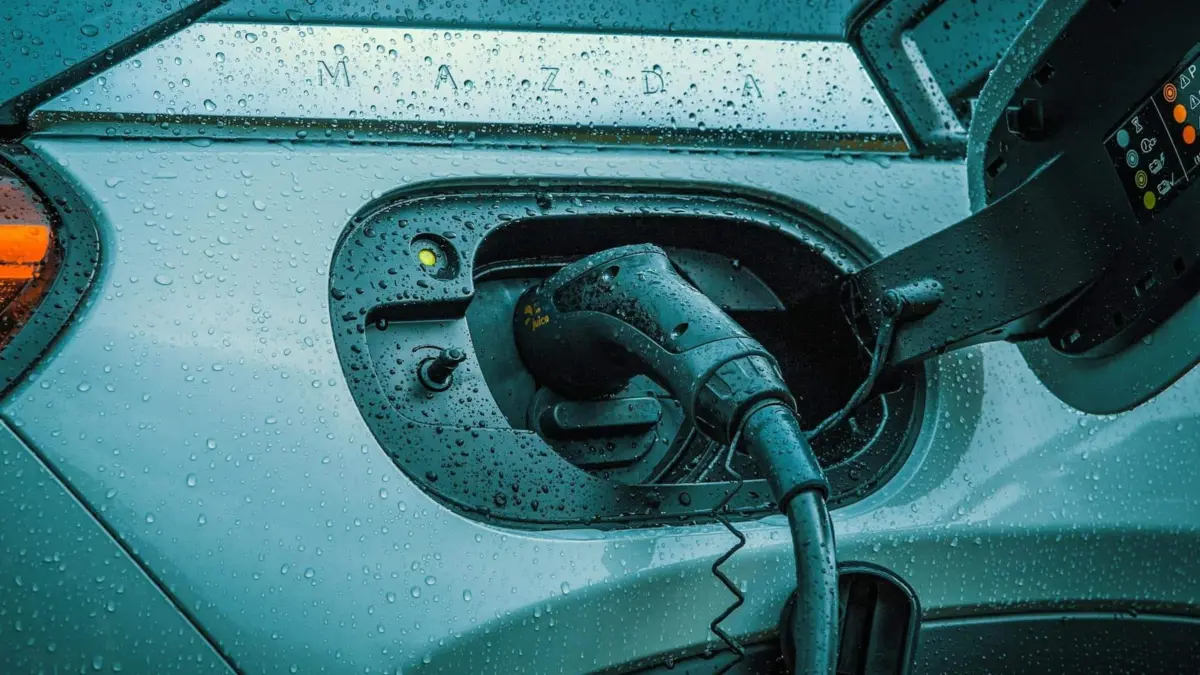
RALEIGH, N.C. — In a significant milestone for the state’s transportation network and clean energy transition, the North Carolina Department of Transportation (NCDOT) has officially announced the allocation of $14.4 million in federal funding. This capital injection is earmarked for the aggressive expansion of the state’s electric vehicle (EV) charging infrastructure and the modernization of existing power grids to support surging public demand.
Sourced directly from the federal National Electric Vehicle Infrastructure (NEVI) formula program, this financial rollout represents a pivotal step in creating a robust network of fast-charging stations. These new installations will be strategically positioned along major commercial corridors, metropolitan areas, and local communities, fundamentally transforming how residents and travelers navigate the state behind the wheel of an electric vehicle.
Main Facts: Powering the Grid and Expanding Access
The $14.4 million funding award is not merely a localized infrastructure upgrade; it is part of a meticulously coordinated state and federal blueprint designed to eliminate "range anxiety" and future-proof North Carolina’s roadways.
Key elements of this latest funding phase include:
- Strategic Locations: The grants have been awarded to eight distinct private-sector companies tasked with constructing and operating EV charging stations across 14 strategically chosen locations.
- Geographic Reach: The selected sites span a diverse array of municipalities and regions, including Asheboro, Columbus, High Point, Kinston, Raleigh, Wadesboro, and Weaverville.
- Comprehensive Integration: These 14 newly funded sites will build directly upon five previous charging hubs funded under the 2024 NEVI cycle, steadily weaving a reliable safety net for long-distance drivers.
- Public-Private Partnership: The federal subsidies act as a vital economic catalyst, reimbursing participating companies for high-cost expenditures, including the procurement of cutting-edge ultra-fast charging hardware, heavy electrical grid upgrades, and ongoing daily operations.
As electric vehicle registration numbers climb steadily across North Carolina, the demand for accessible, reliable, and lightning-fast public charging points has reached a critical juncture. The state’s strategy relies heavily on matching federal capital with private operational expertise to ensure high standards of maintenance and uptime for consumers.
Chronology: The Path to Electrifying North Carolina’s Corridors
The rollout of North Carolina’s modern EV network is the result of years of legislative planning, federal allocations, and phased execution.
- The Baseline Investment: The journey began when the NCDOT was allocated a monumental $109 million total through the federal NEVI program, established under the Bipartisan Infrastructure Law. This foundational funding laid the groundwork for long-term collaboration between state transportation officials and private energy infrastructure developers.
- The 2024 Initial Wave: Earlier funding cycles initiated the construction of the first wave of NEVI-backed charging stations, targeting critical interstate corridors to establish basic connectivity for cross-state travelers.
- The Current Phase (Late 2024 / 2025): The recent announcement of the $14.4 million allocation marks the second major phase of implementation. By vetting and selecting eight private contractors for 14 new strategic locations, the state has accelerated its deployment timeline.
- The Three-Year Horizon: State transportation planners project that the primary network of EV charging corridors supported by the current NEVI funding framework will be fully designed, constructed, and operational within the next three years.
- Beyond the Highways (Future Phases): Following the completion of major commercial and interstate corridors, subsequent phases of the state’s master plan will shift focus toward rural electrification and remote community access.
Supporting Data: Meeting the Demands of a Growing EV Market
The urgency behind North Carolina’s massive infrastructure investment is underscored by compelling market trends and economic data points.
- The $109 Million Federal Backing: North Carolina’s total allotment of $109 million under the NEVI formula program ranks it among the top states nationwide in terms of federal support for electromobility, reflecting the state’s strategic importance as a freight, logistics, and tourism hub on the U.S. East Coast.
- The 14-to-8 Ratio: The current funding cycle leverages eight specialized private-sector partners to manage 14 distinct hubs. This competitive, multi-vendor approach prevents monopolies, drives down operational costs, and ensures technological redundancy and consumer choice.
- The Three-Year Timeline: With a strict 36-month window for full deployment of this funding phase, the state is signaling an urgent, construction-ready posture designed to keep pace with the exponential growth of EV adoption rates in the Southeast.
- Traffic Density Metrics: The selected towns and cities—such as Raleigh and High Point—represent critical nodes where commuter traffic intersects with major interstate freight corridors, maximizing the daily utilization rate of each newly installed charger.
Official Responses: What State Leadership is Saying
The transition to zero-emission transportation requires close alignment between government agencies, energy providers, and private industry. State leaders have emphasized that these investments are designed to democratize clean travel and stimulate regional economic development.
Heather Hildebrandt, who serves as the statewide initiatives manager for the North Carolina Department of Transportation, encapsulated the core philosophy driving the project:
"By expanding the electric vehicle charging network, we are making it easier than ever for anyone to travel with confidence throughout the entire state."
Hildebrandt and other transportation officials have repeatedly stressed that the psychological barrier of range anxiety is one of the final remaining hurdles preventing mass market adoption of electric vehicles. By placing fast chargers at regular, predictable intervals along high-volume roadways, the state aims to normalize EV travel to the point where planning a road trip requires no more forethought than finding a traditional gasoline station.
Furthermore, private-sector partners selected for the project have voiced enthusiasm over the public-private partnership model. Industry executives note that federal cost-share programs alleviate the massive upfront capital expenditures required for heavy-duty grid interconnections, allowing smaller and mid-sized operators to scale their networks faster and more efficiently.
Implications: Bridging the Urban-Rural Divide and Looking Ahead
The long-term implications of North Carolina’s $14.4 million NEVI investment extend far beyond the immediate convenience of EV owners. They touch upon environmental policy, regional economic equity, and the future of America’s energy grid.
Uninterrupted Corridors and Logistics
The immediate goal of the current phase is the creation of seamless, uninterrupted transit corridors. For decades, drivers of alternative-fuel vehicles faced the daunting prospect of planning trips strictly around the availability of compatible chargers. By systematically plugging the gaps between major population centers—such as the Triangle region, the Triad, and Western North Carolina—the state is knitting together a cohesive economic zone where green logistics can thrive. Commercial fleets, delivery services, and everyday commuters will all benefit from the reliability of these rapid-charging installations.
The Rural Integration Strategy
While the initial wave of funding leans heavily toward high-traffic interstate arteries, NCDOT officials have built a broader, more inclusive roadmap for the future. The agency has formally committed to directing subsequent phases of the program toward remote and rural communities.
For rural towns, the arrival of public EV charging stations represents more than just an environmental perk; it is a vital economic development tool. As electric vehicle adoption grows, travelers naturally gravitate toward towns and businesses where they can plug in while dining, shopping, or resting. Ensuring that rural and historically underserved communities are not left behind in the green energy transition is a cornerstone of North Carolina’s long-term energy equity goals.
A Sustainable Foundation for Tomorrow
As North Carolina presses forward with its three-year implementation timeline, the state is establishing a scalable model for sustainable travel. The convergence of federal funding, state oversight, and private-sector ingenuity is transforming the highway landscape.
Ultimately, these initiatives ensure that North Carolina remains at the forefront of the modern transportation revolution—proving that infrastructure investments can simultaneously reduce carbon emissions, boost local economies, and grant every citizen the freedom to explore the state with absolute confidence.




Leave a Reply