

By Global Motorsport Desk
Published: September 2026
Main Facts: The 2030 Formula 1 Technical Overhaul
Even as the motorsport world prepares for the impending, heavily scrutinized regulation changes slated for 2026, Formula 1 management and the Fédération Internationale de l’Automobile (FIA) are already casting their gaze toward the horizon. Behind closed doors in Geneva and London, preliminary technical frameworks for the 2030 Formula 1 World Championship are rapidly taking shape.
The core objective of this next-generation rulebook is clear, ambitious, and deeply nostalgic: to course-correct against the most persistent criticisms leveled at the modern hybrid era. Specifically, lawmakers are targeting three major pain points that have frustrated fans, drivers, and engineers alike:
- Ballooning vehicle weight, which has turned modern F1 cars into heavy, cumbersome machines reminiscent of endurance racers.
- Excessive technological and power-unit complexity, which has driven development costs sky-high and discouraged new manufacturer entry.
- The loss of acoustic drama, with the iconic, spine-chilling roar of combustion engines largely replaced by subdued, vacuum-like tones.
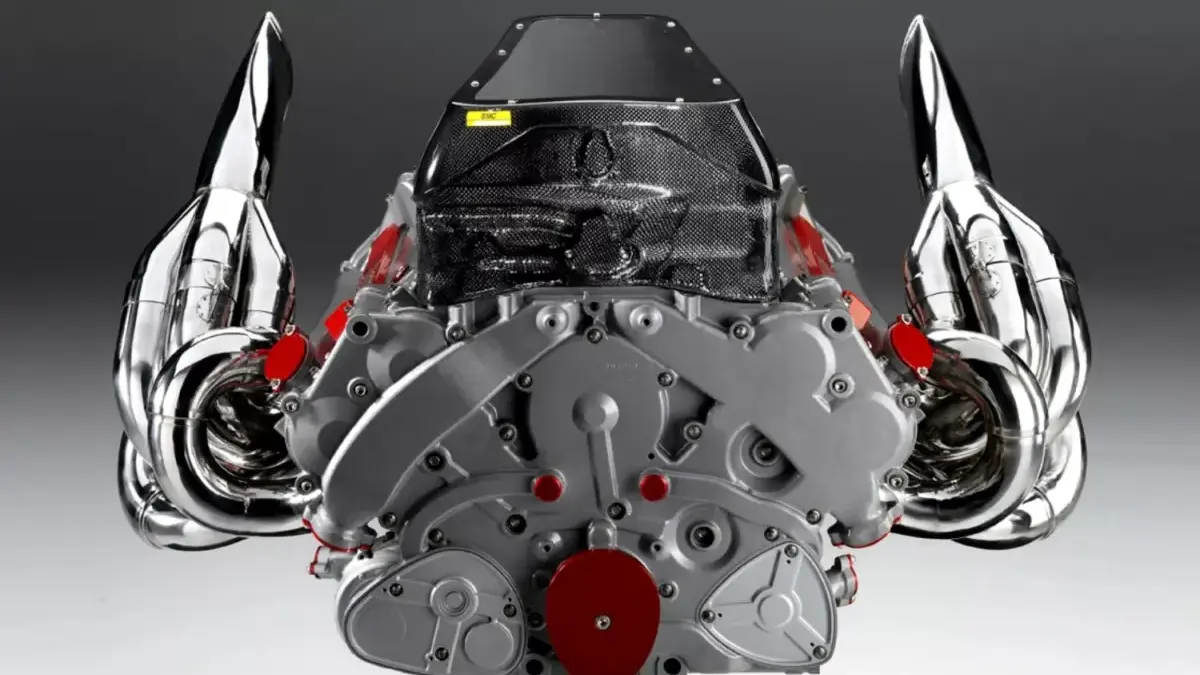
To solve these issues, the FIA and F1 commercial rights holders are evaluating a radical package for 2030. At the center of this proposal is a potential return to V8 internal combustion engines, paired with 100% sustainable, carbon-neutral synthetic fuels, a targeted weight reduction of up to 50 kilograms, and the introduction of a strategic "Push-to-Pass" energy deployment system.
Chronology: The Evolution of F1 Regulations (2014–2030)
To understand why the sport is pivoting toward a 2030 reset, it is vital to trace the historical progression of F1 power units over the last two decades:
- 2014 – The Dawn of the Hybrid Era: F1 abandoned its screaming 2.4-liter V8 engines in favor of 1.6-liter turbocharged V6 hybrid power units featuring sophisticated energy recovery systems (MGU-K and MGU-H). While groundbreaking from an efficiency standpoint, the changes drew immediate criticism for muted engine notes and skyrocketing development expenses.
- 2017–2021 – The Wider, Faster Generation: Aerodynamic regulations created the fastest cornering speeds in F1 history, but cars grew significantly wider and heavier, making wheel-to-wheel racing increasingly difficult on traditional circuits.
- 2022 – Ground Effect Era: The return of ground-effect aerodynamics aimed to ease turbulent wake and promote overtaking, but cars continued to pack on weight, crossing the 798-kg minimum threshold.
- 2026 – The Near-Term Transition: Set to introduce a 50:50 power split between internal combustion and electrical energy, alongside active aerodynamics and sustainable fuels. However, industry insiders acknowledge that the 2026 cars will remain heavy due to the sheer mass of next-generation battery packs.
- 2030 and Beyond – The Lightweight Horizon: Envisioned as a clean-break regulatory era designed to strip away technological bloat, reintroduce lightweight agility, and restore raw acoustic theater.
Supporting Data: Breaking Down the Numbers
The proposed 2030 regulations are built upon hard performance metrics and engineering data aimed at improving both the show and the sport’s global relevance.
1. The Weight Crisis and the 50-Kg Diet
Modern Formula 1 cars have steadily piled on mass due to safety structures, heavier power units, and complex hybrid systems. A 2026-spec car with driver, fuel, and equipment pushes past 800 kilograms—nearly 200 kg heavier than the iconic V10-era cars of the early 2000s.
- The 2030 Target: Engineers aim to shave approximately 50 kilograms off the minimum weight limit.
- The Impact: A lighter chassis translates directly into sharper directional changes, reduced mechanical stress through high-speed corners, and significantly lower Pirelli tire degradation, which in turn opens up broader strategic windows for multi-stop races.
2. The Power Unit: V8 Architecture Meets E-Fuels
While the 2026 regulations lean heavily into electrical power (nearing a 50% split), the 2030 proposals suggest dialing back the complexity of the electrical harvesting systems while retaining environmental consciousness through chemistry.
- The Engine: A simplified, high-revving V8 internal combustion engine layout.
- The Fuel: 100% advanced sustainable synthetic fuels (e-fuels), proving that internal combustion can survive in a net-zero carbon future without burning fossil crude.
3. The "Push-to-Pass" Tactical Mechanism
To maintain strategic racing and overtaking opportunities without relying on heavy hybrid recuperation systems, the 2030 blueprint introduces a localized "Push-to-Pass" button. This system will allow drivers to tap into a temporary reserve of stored electrical energy on demand, creating distinct tactical windows for defense and attack during Grand Prix weekends.
Official Responses and Industry Reactions
The early circulation of the 2030 technical concepts has elicited strong reactions from key stakeholders across the paddock.
The FIA and Formula Management
FIA leadership has maintained a pragmatic stance, emphasizing that while the 2026 regulations are locked in and heavily backed by automotive manufacturers like Audi, Honda, Ford, and Renault, the governing body must remain responsive to long-term fan feedback.
"We must always look ahead, listening closely to what our global audience demands," noted an anonymous FIA technical insider. "Sustainability is non-negotiable, but entertainment, sound, and driver-focused agility are equally critical to the soul of Formula 1."
Teams and Power Unit Manufacturers
Reactions from engine manufacturers are mixed but cautiously optimistic. Traditional power-unit developers acknowledge that simplifying the architecture could lower R&D overhead, making it far more cost-effective for independent manufacturers to enter the sport. However, brands heavily invested in electric road-car technology continue to advocate for relevant hybrid road-car tech transfer.
Drivers
Unsurprisingly, the sport’s drivers have been among the most vocal advocates for lighter, more agile cars. Grand Prix drivers have frequently complained that modern F1 cars feel more like "boats" during low-speed cornering and qualifying fuel loads. The prospect of a 50-kg weight reduction paired with the raw throttle response of a V8 engine has been met with universal enthusiasm within the drivers’ briefing room.
Implications: What the 2030 Vision Means for the Future of F1
If the FIA and Formula One Management successfully steer the championship toward this 2030 vision, the long-term implications for the sport will be profound:
- A Resurgence in Acoustic Appeal: The return of a high-revving V8 engine note addresses one of the most common nostalgic complaints from live spectators, immediately elevating the sensory experience at Grand Prix circuits worldwide.
- Enhanced Racing Quality: Lighter cars create smaller braking zones, less turbulent wake, and shorter stopping distances. Combined with the tactical deployment of "Push-to-Pass," wheel-to-wheel battles are expected to become sharper and more frequent.
- A Blueprint for Global Automotive Relevance: By proving that high-performance internal combustion engines can run entirely on net-zero carbon synthetic fuels, F1 can position itself as a vital laboratory for sustainable road-transportation solutions, preserving the ICE without compromising environmental commitments.
As the 2026 season approaches and teams finalize their current development cycles, the groundwork for 2030 will quietly continue behind closed doors. If executed correctly, the next decade could usher in a golden era for Formula 1—one that successfully bridges the gap between modern ecological responsibility and the raw, unadulterated thrill of motorsport.



Leave a Reply