

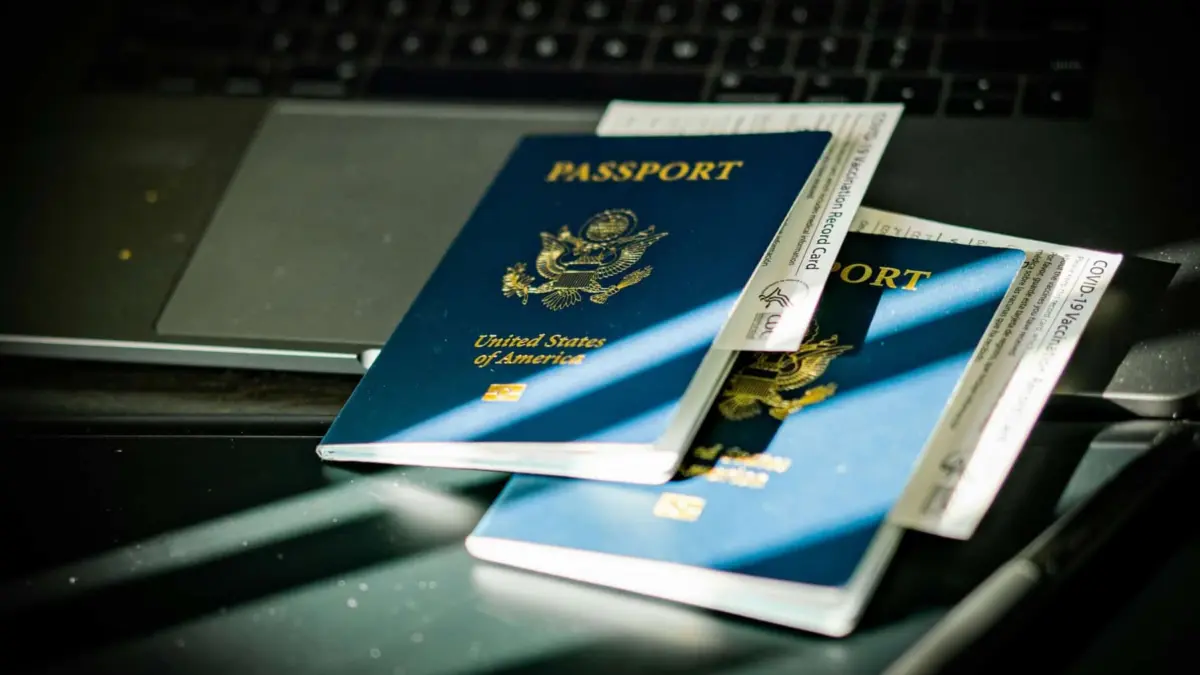
WASHINGTON — In a sweeping display of hardline immigration enforcement under the banner of "Make America Great Again," the United States Department of State (DOS) has officially confirmed the mass revocation of approximately 175,000 visas. The unprecedented move marks a cornerstone of the administration’s aggressive strategy to target foreign nationals accused of criminal activity, immigration fraud, and actions deemed threatening to national security.
Led by Secretary of State Marco Rubio, the department has signaled a radical departure from past immigration management norms, framing the issuance of a U.S. visa not as a right, but as an exclusive privilege reserved for individuals who uphold the highest standards of civic and legal conduct. With mounting geopolitical tensions and a renewed domestic focus on public safety, the federal government is moving swiftly to purge non-citizens who breach the terms of their legal status.
Main Facts
The ongoing crackdown represents one of the most significant administrative actions against foreign visa holders in modern U.S. history. According to official disclosures released by the Department of State, roughly 175,000 visas have been revoked or invalidated since the commencement of the current presidential term.
The policy is underpinned by a strict "zero-tolerance" framework targeting individuals who engage in unlawful behavior while residing on American soil. While a U.S. visa is initially granted after rigorous vetting—which typically includes background checks, proof of employment, and demonstrated ties to a home country—the federal government maintains the legal authority to revoke these documents retroactively.
The sweeping revocations are not limited to violent offenses; they encompass a broad spectrum of infractions. Among the primary drivers for visa cancellations are:
- Violent Crimes and Public Safety Threats: Including sexual assault, child abuse, domestic violence, and physical battery.
- Substance-Related Offenses: Such as driving under the influence (DUI) and drug trafficking or possession.
- Financial Crimes and Fraud: Including massive Medicaid fraud schemes and corporate embezzlement.
- National Security Violations: Encompassing espionage, foreign influence operations, and public incitement of violence against U.S. citizens or government officials.
The State Department has emphasized that legal entry into the United States comes with an ongoing obligation to respect local laws and national sovereignty. Officials maintain that any breach of this social contract forfeits the individual’s right to remain in the country.
Chronology of the Crackdown
The escalation of visa revocations did not happen overnight; it represents the culmination of a systematic tightening of immigration protocols and enforcement mechanisms over several months.
- Early Campaign Phase: During the electoral cycle, the promise of total border security and the removal of criminal aliens formed a central pillar of the administration’s platform. Upon taking office, executive orders swiftly directed federal agencies to prioritize the identification and removal of foreign nationals with questionable legal standing or criminal records.
- Expansion of Vetting Protocols: In the weeks following the inauguration, the Department of State began re-evaluating active visa databases, cross-referencing federal, state, and local law enforcement records to flag non-citizens with recent arrests or active investigations.
- High-Profile Incidents and Public Catalysts: The enforcement campaign gained additional momentum following several high-profile public controversies. Cases involving foreign nationals celebrating domestic political violence, coupled with massive healthcare fraud investigations, created intense public pressure for administrative action.
- Recent Policy Tightening: In the most recent phase of the campaign, the administration instituted two major policy safeguards. First, it ordered an increase in entry bond requirements, raising the threshold to $250,000 for specific categories of high-risk applicants. Second, it codified the permanent status of the zero-tolerance doctrine, ensuring that any historical or ongoing criminal activity serves as immediate grounds for exclusion or deportation.
Supporting Data and Case Profiles
To justify the scale of the revocations, the Department of State has highlighted specific case profiles that illustrate the diverse nature of the threats allegedly neutralized by the policy.
Financial Fraud and Public Resource Abuse
Among the most financially damaging cases cited by federal authorities is a massive fraud scheme targeting Medicaid. According to the DOS, a foreign national operating under the guise of running a legitimate medical care enterprise orchestrated a multi-million-dollar scam. The individual billed federal programs over $5 million for phantom medical services purportedly rendered to vulnerable patients, abusing a system designed to protect health equity.
Espionage and Foreign Influence Operations
Amid heightened global friction, counterintelligence operations have increasingly intersected with immigration enforcement. The State Department pointed to several targeted actions against foreign agents and operatives:
- A Cuban national explicitly tied to an influence and intelligence operation directed by the communist government in Havana.
- Iranian nationals with documented, active operational links to the regime in Tehran.
- A Kuwaiti citizen who openly expressed a desire for violence against the U.S. President, explicitly labeling American citizens as "enemies."
Domestic Incitement and Violent Rhetoric
The Department of State also cast a wide net regarding public speech that crosses the threshold into the incitement of violence or the celebration of targeted killings. Federal investigators flagged multiple foreign nationals who publicly rejoiced over the high-profile assassination of conservative political figure Charlie Kirk. Among the documented statements used to justify visa revocations were comments such as "when fascists die, Democrats don’t complain" and assertions that his death occurred "too late."
Furthermore, the government highlighted the case of a Laos-born sexual offender whose criminal background was brought back into the spotlight, alongside various other instances of reckless endangerment, sexual misconduct, and repeated driving under the influence (DUI) infractions.
Official Responses and Political Reactions
The aggressive enforcement strategy has triggered intense debate across the political spectrum, drawing sharp contrasts between national security priorities and humanitarian concerns.
The Administration’s Stance
Defending the sweeping measures, representatives from the State Department and the broader administration have adopted an unyielding tone. In its official statements, the agency reiterated its core philosophy: "United States is our home, and we will not tolerate that violent foreigners invade it."
Secretary of State Marco Rubio and allied lawmakers argue that the mass revocation of visas is a necessary exercise of national sovereignty. From this perspective, immigration is a privilege managed entirely at the discretion of the host nation, and failing to purge criminal elements compromises the safety of American communities. Proponents maintain that robust enforcement restores integrity to a legal immigration system that has allegedly been abused by bad actors for too long.
Criticisms and Global Repercussions
Conversely, human rights organizations, legal advocacy groups, and international observers have voiced severe criticism regarding the breadth and execution of the policy. Critics argue that the administration is utilizing broad, ambiguous criteria—such as subjective interpretations of speech or political expression—to strip legal status from individuals without adequate due process.
Legal scholars have raised concerns over the retroactive nature of certain revocations, warning that expanding the definition of threats to national security to include offensive speech or political commentary sets a dangerous precedent. Civil liberties advocates caution that sweeping measures risk ensnaring individuals whose offenses may be minor or whose political opinions, however controversial, are protected under broader democratic principles of free expression. Furthermore, international allies have expressed unease over the potential chilling effect these policies may have on academic exchanges, tourism, and legal economic migration.
Implications for the Future of U.S. Immigration
The revocation of 175,000 visas and the implementation of stricter entry bonds ($250,000) signal a fundamental paradigm shift in how the United States manages its foreign population.
- Deterrence and Compliance: The primary goal of the administration is to create a powerful deterrent effect. By demonstrating that legal status can be revoked swiftly for criminal infractions, fraud, or anti-American rhetoric, the government hopes to compel strict compliance among the millions of foreign nationals currently residing in the country.
- Administrative Backlog and Legal Battles: As federal agencies ramp up enforcement, the judicial system is expected to face a surge of litigation. Civil rights attorneys and affected visa holders are likely to challenge the legality of sweeping revocations, particularly in cases where individuals argue they were stripped of their documents without a proper administrative hearing.
- Geopolitical Strain: The targeted scrutiny of nationals from specific adversarial nations—such as Iran, Cuba, and others—may accelerate diplomatic friction, potentially leading to retaliatory measures against American citizens abroad or complicating international diplomatic negotiations.
- The Economic Impact: While the administration champions these policies as vital for public safety, economists and business leaders remain divided. The heightened financial barriers—such as the massive increase in entry bonds—alongside a climate of heightened uncertainty, could discourage skilled workers, international students, and foreign investors from choosing the United States as a destination for talent and capital.
As the Department of State continues its aggressive vetting campaign, the debate over where to draw the line between national security and civil liberties remains one of the most contentious battlegrounds in contemporary American politics. For now, the administration’s message is unequivocal: the privileges of legal residency in the United States are entirely contingent upon absolute adherence to American law and respect for national sovereignty.



Leave a Reply