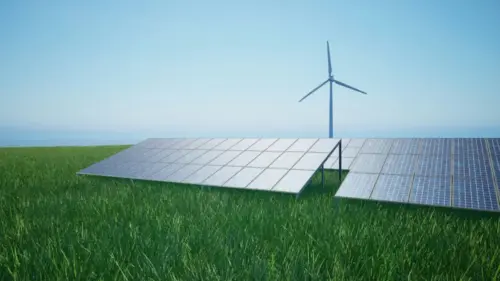

WASHINGTON — Driven by an unprecedented surge in electricity demand—fueled heavily by the rapid expansion of artificial intelligence (AI) data centers and nationwide electrification—the United States energy landscape is undergoing a monumental transformation. According to a recent assessment by the Electric Power Supply Association (EPSA), energy providers across the country are aggressively ramping up investments in new generation projects. These initiatives span a diverse technological spectrum, incorporating utility-scale solar installations, advanced wind farms, cutting-edge natural gas turbines, and critical energy storage systems.
While the backbone of the American energy grid has historically relied on fossil fuels, recent geopolitical tensions and surging consumption rates have underscored the critical need to diversify the national energy matrix. Today, private sector investments are not only plugging potential energy bottlenecks and fortifying grid reliability, but they are also injecting billions of dollars into local economies, creating thousands of high-paying jobs, and reshaping the future of American energy sovereignty.
1. Main Facts: The Drivers Behind the Energy Boom
The current paradigm shift in the U.S. power sector is defined by a convergence of technological, economic, and geopolitical factors.
- The AI Data Center Explosion: The exponential growth of generative artificial intelligence and cloud computing requires vast, continuous amounts of electricity. Data center campuses, particularly concentrated in regions like Texas and the Pacific Northwest, demand round-the-clock power supplies that strain existing grid infrastructures.
- Diversification and Resilience: While traditional fossil fuels—particularly oil and natural gas—continue to play a dominant role in U.S. energy policies, the private sector is increasingly hedging its bets. By integrating solar, wind, and nuclear assets, energy companies are seeking to mitigate vulnerabilities associated with global supply chain disruptions and geopolitical conflicts.
- Economic Stimulus and Job Creation: Far from being purely an environmental or infrastructure endeavor, the transition is serving as a major economic engine. Billions in capital are flowing directly into regional and rural communities, funding infrastructure, supporting local tax bases, and generating employment opportunities in both construction and long-term operations.
- Technological Hybridization: To balance intermittent renewable sources like solar and wind with the relentless demands of AI, energy firms are simultaneously investing in high-efficiency natural gas peaker plants and advanced battery storage facilities. This multi-pronged approach ensures zero downtime for critical digital infrastructure while gradually lowering carbon intensity.
2. Chronology of Events and Project Milestones
The acceleration of these energy projects highlights a fast-paced response from the private sector to meet looming capacity shortfalls. While regulatory pathways and political administrations have historically fluctuated in their support for green energy versus traditional hydrocarbons, corporate momentum has remained steadfast.
- Early to Mid-2023: As generative AI tools gain mainstream adoption, tech giants begin aggressively securing real estate for massive data center hubs, primarily in states with deregulated energy markets like Texas and regions with abundant cheap power like Washington State.
- Late 2023: Regional power grids issue warnings regarding potential capacity shortages. In response, independent power producers (IPPs) begin drafting comprehensive capital expenditure plans to upgrade transmission networks and build new generation facilities.
- Throughout 2024: Private energy firms break ground on several landmark projects. Companies like Invenergy and NRG Energy accelerate timelines for utility-scale developments, transitioning from the planning phase to active construction.
- Recent Months: EPSA releases a comprehensive review detailing the scope of these private investments. The report highlights how projects ranging from West Texas wind farms to Washington solar fields are officially coming online or entering advanced construction phases, proving that market demand is successfully driving infrastructure expansion independent of federal legislative mandates.
3. Supporting Data and Regional Case Studies
The macro-level trend of energy expansion translates into concrete, localized economic impacts across multiple states. Two major projects spotlighted by EPSA illustrate the sheer scale of investment currently flowing into American communities.
The Quincy Solar Energy Center (Washington State)
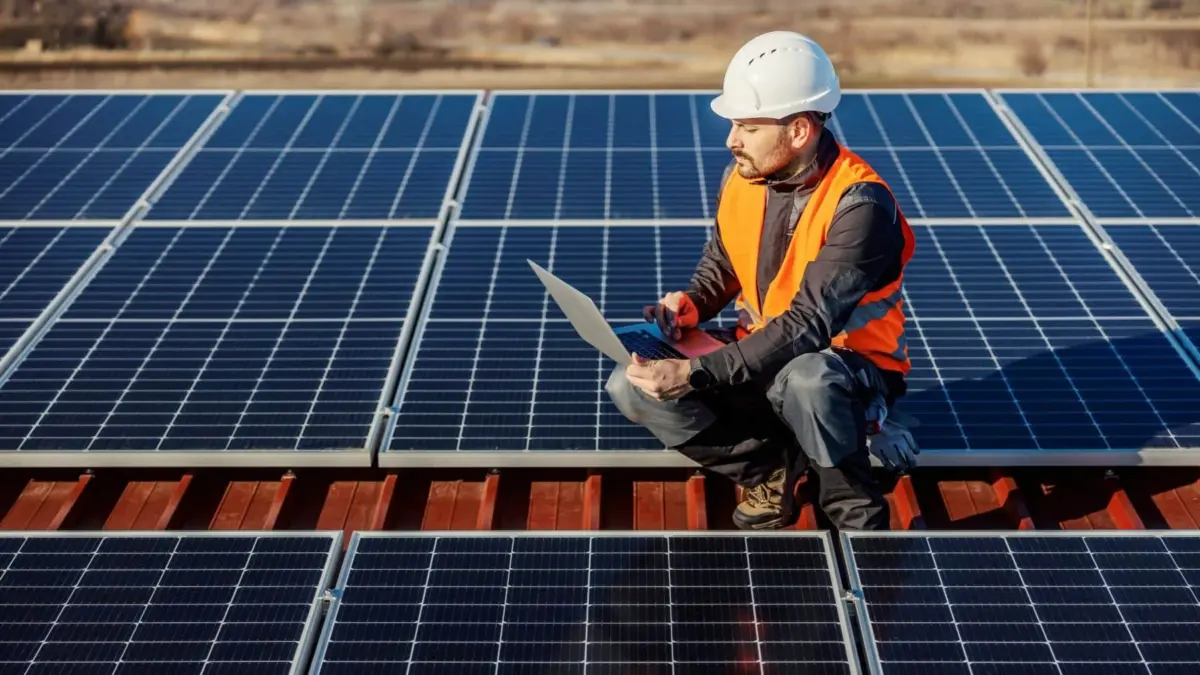
Developed by Invenergy, the Quincy Solar Energy Center represents a major milestone for renewable energy in the Pacific Northwest.
- Generation Capacity: The facility is slated to produce up to 120 megawatts (MW) of clean electricity—enough to reliably power approximately 25,000 American households.
- Employment Impact: The construction phase alone is projected to create 200 skilled jobs, injecting immediate wages into the regional economy.
- Long-Term Economic Contribution: Over its operational lifespan, the project will contribute more than $27 million directly to the local economy through land lease payments to local agricultural landowners and vital tax revenues for public services.
- Community Philanthropy: During the groundbreaking ceremony, Invenergy reinforced its commitment to social responsibility by committing funds to the Grant PUD Share the Light program, which assists low-income families in managing their utility bills. This follows the company’s recent launch of the Lazbuddie Wind Energy Center in Parmer County, Texas, where it also provided vital financial support to local volunteer firefighters.
NRG Energy’s Natural Gas Initiative (Texas)
To meet the staggering energy loads demanded by the state’s booming AI technology sector, NRG Energy is spearheading the construction of a massive, state-of-the-art natural gas facility in Texas.
- Capacity and Purpose: The new plant will boast a generation capacity of 1.2 gigawatts (GW), engineered specifically to deliver uninterrupted, high-reliability power to regional AI data center campuses.
- Job Creation: The ambitious construction project is set to create approximately 1,400 well-paying jobs, offering substantial wages for regional trade workers and contractors.
- Fiscal Benefits: Local municipalities will receive significant tax revenues generated by the facility, funds that local governments plan to channel into public education, infrastructure maintenance, and community development.
4. Official Responses and Industry Perspectives
The energy industry’s trade groups and corporate leaders have been vocal about the broader societal implications of these developments. Far from viewing the current grid demands as a crisis, industry stakeholders are framing the surge as a historic opportunity for modernization and wealth generation.
In its official evaluation of current utility plans, the Electric Power Supply Association (EPSA) emphasized that the benefits of these private capital investments extend far beyond mere kilowatt-hours.
“These investments offer benefits that go well beyond the capacity of generation (…) They support jobs, millions of dollars in local economic activity, and investments in the communities where the most competitive power-generating companies operate,” the organization stated in its review.
EPSA’s analysis underscores the reality that competitive energy markets are uniquely positioned to solve modern infrastructure challenges. Without relying entirely on taxpayer-funded government mandates, private enterprises are deploying risk capital to prevent grid bottlenecks, stabilize pricing, and ensure that the digital revolution does not outpace physical infrastructure.
Furthermore, local government officials in host communities have largely welcomed the influx of capital. Mayors and county commissioners in regions like Grant County, Washington, and rural Texas have praised energy developers for creating a symbiotic relationship where technological progress directly uplifts blue-collar workers and municipal budgets.
5. Broader Implications for the Future
As the United States navigates a complex political landscape—where current and upcoming federal administrations may oscillate between prioritizing fossil fuel extraction and promoting green transitions—the underlying market forces remain clear. The intersection of artificial intelligence, digital infrastructure, and population growth has created an insatiable appetite for power.
Energy Sovereignty and National Security
The push toward a diversified energy portfolio carries profound geopolitical weight. By expanding domestic solar, wind, nuclear, and advanced natural gas capabilities, the U.S. insulates its critical infrastructure from international supply shocks. Unlike finite global commodities whose transport can be choked by overseas conflicts, domestic renewable resources and localized natural gas reserves provide a predictable, secure baseline for national security.
The Path to Decarbonization
While natural gas continues to serve as an indispensable bridge fuel capable of providing the immediate, high-density baseload power required by AI data centers, the simultaneous deployment of solar and wind projects ensures that the U.S. continues making strides toward long-term decarbonization. Energy storage innovations—increasingly integrated into these new projects—help solve the historical Achilles’ heel of renewables: intermittency.
A Blueprint for Economic Growth
Ultimately, the current energy boom serves as a blueprint for how infrastructure modernization can drive broad-based prosperity. By turning the challenge of record-high electricity demand into an engine for job creation, community investment, and technological innovation, the American energy sector is proving that economic growth and modern grid resilience can go hand in hand. As these multi-million-dollar solar arrays, wind farms, and power plants come online over the coming years, they will lay the indispensable foundation upon which the nation’s digital and economic future will be built.