

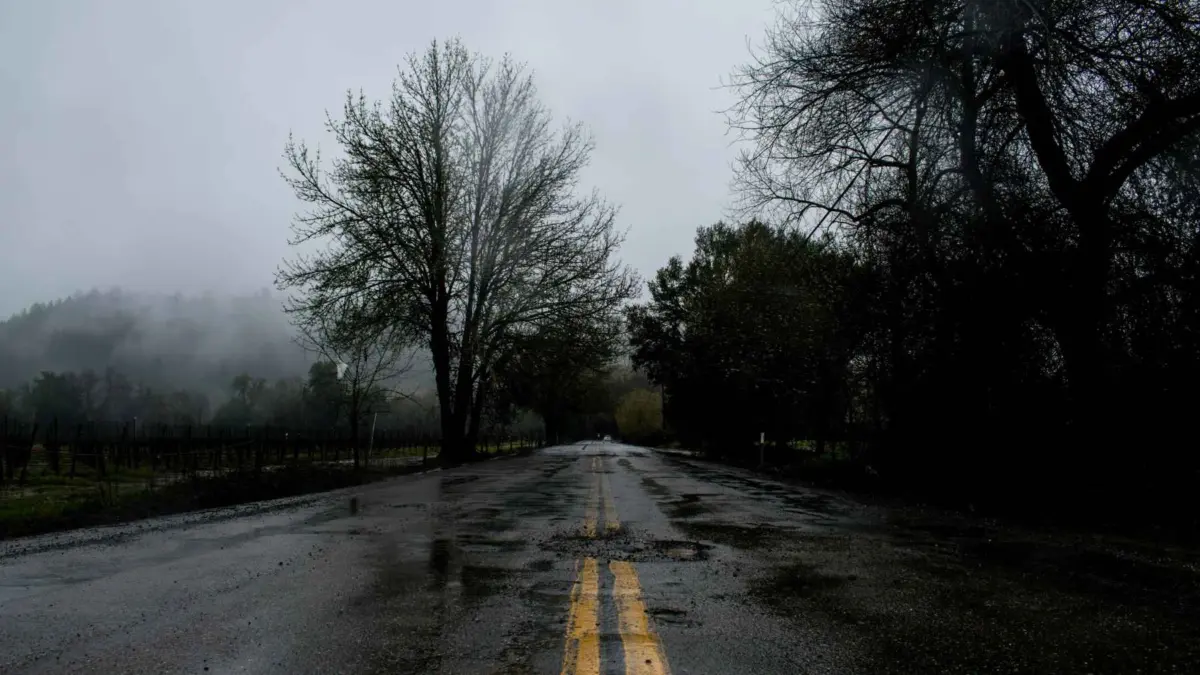
SACRAMENTO, Calif. — Facing the looming threat of a meteorological event of unprecedented proportions, California Governor Gavin Newsom officially declared a state of emergency. The move is designed to fast-track resource allocation, streamline inter-agency coordination, and fortify local communities ahead of what scientists and forecasters project to be a historically severe winter.
Driven by a fully established and rapidly intensifying El Niño cycle—further supercharged by decades of global climate change—the state is bracing for a punishing onslaught of torrential downpours, severe coastal erosion, catastrophic flooding, and unprecedented mountain snowpacks. With federal climate policy remaining a contentious battleground, state and local leaders are taking matters into their own hands, mobilizing an all-government response to safeguard nearly 40 million residents.
1. Main Facts: The Anatomy of an Extreme El Niño
The decision to declare a state of emergency is rooted in dire warnings issued by domestic and international scientific authorities. According to recent reports from the World Meteorological Organization (WMO) and the National Oceanic and Atmospheric Administration (NOAA), the current El Niño phenomenon has transitioned into a mature, highly potent phase.
Unlike typical cycles that occur every two to seven years, contemporary climate dynamics are pushing this event into uncharted territory. Research published in the peer-reviewed journal Science reveals that modern El Niño events are roughly 36% stronger than those recorded prior to the industrial era—a worrying trend that has accelerated significantly over the past four decades due to rising global temperatures.
Key Impacts Projected for California:
- Catastrophic Precipitation: Forecasters predict rainfall totals that could rival or exceed historical anomalies, elevating the risk of flash floods and mudslides in burn scars left by previous wildfires.
- Severe Coastal Damage: High tides combined with powerful storm surges threaten beachfront infrastructure, piers, and coastal highways.
- Unprecedented Snowpacks: Mountainous regions face the dual threat of heavy snow loads disrupting transit and triggering rapid spring melt runoff.
- Critical Infrastructure Strain: Transportation networks, power grids, and water management systems face extreme stress from sustained weather anomalies.
2. Chronology of Events: From Global Warnings to Local Action
The path toward California’s state of emergency declaration has unfolded through a rapid succession of scientific alerts and political decisions:
- Early 2025: Climate monitoring agencies, including NOAA and the WMO, begin tracking anomalous sea-surface temperatures in the equatorial Pacific, signaling the formation of a robust El Niño event.
- Mid-2025: Scientific projections solidify, indicating that global warming factors will exacerbate the phenomenon, turning it into a hyper-active climate driver for the latter half of the year.
- September 21, 2025: Recognizing the urgency of the long-range weather models, Governor Gavin Newsom formally announces a state of emergency via his official social media channels, unleashing state-level legislative and financial tools.
- Late September 2025: The California Governor’s Office of Emergency Services (Cal OES) activates state operations centers, launching immediate coordination with regional partners, county emergency managers, and first responders.
- October 2025 and Beyond: Meteorologists, including Scott Handel of NOAA’s Climate Prediction Center, issue warnings of an unusually wet October, marking the official kickoff of what is anticipated to be a grueling winter storm season.
3. Supporting Data and Historical Context
To understand the gravity of the current situation, meteorologists are looking back at historical milestones. The benchmark for catastrophic El Niño winters in California remains the historic season of 1997–1998. During that period, severe storms made February 1998 the wettest month in the state’s recorded history, dropping nearly 37 centimeters (approx. 14.5 inches) of rain in localized regions, causing billions of dollars in infrastructure damage, and claiming numerous lives.
The Science Behind the Storms
El Niño is characterized by the warming of ocean surface temperatures in the central and eastern tropical Pacific Ocean. This warming alters the jet stream, typically pushing it southward across the United States. For California, a shifted, energized jet stream acts as a literal "fire hose" of atmospheric rivers—long, narrow bands of concentrated moisture in the atmosphere that drop immense volumes of rain and snow upon landfall.
[Equatorial Pacific Warming]
       │
       ▼
[Jet Stream Disruption & Southern Shift]
       │
       ▼
[Atmospheric Rivers Form]
       │
       ▼
[California Impact: Floods, Snow, & Landslides]
When combined with global temperature increases—which allow the atmosphere to hold significantly more moisture—these atmospheric rivers transform from seasonal weather patterns into devastating natural hazards.
4. Official Responses and Leadership Actions
The state’s emergency proclamation is far more than symbolic; it acts as a legal and logistical catalyst. By bypassing traditional bureaucratic red tape, the declaration grants state agencies sweeping powers to deploy funds, procure emergency equipment, and preposition personnel in high-risk zones.
Governor Gavin Newsom’s Address
Announcing the decision via X (formerly Twitter), Governor Newsom emphasized the necessity of a proactive posture:
"With greater risks of heavy rains, flooding, and landslides over the next several months, we are launching an all-government effort to protect Californians. We are preparing with anticipation because all citizens deserve to be safe when severe weather strikes."
The Role of Cal OES
Following the Governor’s directive, the California Governor’s Office of Emergency Services underscored that preparedness efforts would focus heavily on vulnerable communities, aging flood-control infrastructure, and regions recovering past wildfire damage.
Local governments and first responders are being equipped with mobile command units, sandbagging supplies, and advanced early-warning telemetry systems. These tools are designed to give communities crucial lead time before flash floods or mudslides materialize.
5. Implications: Political, Environmental, and Socioeconomic Realities
The state of emergency highlights a broader, ongoing friction within the United States regarding climate policy and disaster preparedness.
The Federal-State Dynamic
While federal agencies like NOAA and NASA provide the foundational scientific data required to predict these disasters, direct mitigation strategies often fall squarely on the shoulders of local and state governments. This decentralized approach has grown more pronounced under political administrations—such as that of Donald Trump—which have historically maintained skeptical or antagonistic stances toward climate change frameworks and federal green initiatives. Consequently, progressive states like California are forced to self-fund and independently pioneer climate adaptation strategies.
Economic and Infrastructure Vulnerabilities
The socioeconomic implications of a historic El Niño winter are profound. California’s agriculture, real estate, transportation, and tourism sectors all hang in the balance:
- Agriculture: While heavy rain can help replenish depleted reservoirs following prolonged droughts, excessive saturation and flooding can drown crops, rot roots, and devastate multi-billion-dollar farming operations in the Central Valley.
- Housing and Real Estate: Coastal properties face severe erosion threats, while hillside communities in Southern and Northern California face catastrophic risks from mudslides. Insurance markets in California, already stressed by wildfire liabilities, could face further turmoil.
- Supply Chain and Logistics: Major transport arteries—including key interstate highways and freight rail corridors—are susceptible to washouts, threatening national supply chains originating from California’s massive port complexes.
Conclusion: A Test of Resilience
As the autumn rains begin to fall and winter approaches, California stands at a critical juncture. The state of emergency declared by Governor Newsom represents a race against time—an aggressive attempt to leverage science, data, and coordinated governance to mitigate the worst impacts of a hyper-charged natural phenomenon. Whether these proactive measures will successfully prevent a repeat of historical disasters like 1998 remains to be seen, but the message from Sacramento is unequivocally clear: California is preparing for the worst, hoping for the best, and leaving nothing to chance.




Leave a Reply