


Gastronomy & Lifestyle Desk
Whether they form the centerpiece of a casual weekend aperitif, serve as a quick mid-afternoon snack, or accompany a warm summer backyard barbecue, cured meats and artisan cheeses are staples of culinary enjoyment. From savory chorizo and delicate jamón to aged manchego and creamy gouda, these foods elevate simple gatherings into memorable culinary experiences.
However, anyone who has ever stared into the refrigerator at a plate of rubbery cheese or dried-out, curled chorizo slices knows the fundamental kitchen dilemma: once these products are sliced, their clock starts ticking. Preserving their texture, aroma, and delicate flavors requires more than simply shoving them back onto a shelf. In this comprehensive guide, we examine the science of food preservation, practical kitchen habits, and expert tips to ensure your favorite charcuterie stays as delicious as the moment it was sliced.
Main Facts: The Vulnerability of Sliced Charcuterie and Cheese
The core challenge of storing cured meats (such as jamón, chorizo, salchichón, and lomo) and various cheeses lies in their exposure to their ultimate culinary enemy: oxygen.
When purchased whole, these products are typically protected by their natural casings, rinds, or factory vacuum-sealed packages. These barriers effectively shield the inner moisture and delicate fats from the drying effects of circulating air and the proliferation of unwanted airborne microorganisms. The moment a knife cuts through that protective barrier, the chemical degradation begins. Fats oxidize, moisture evaporates, and the rich, complex aromas begin to dissipate into the surrounding environment.
Furthermore, improper storage leads to cross-contamination of flavors. Strong-smelling cheeses can easily impart their pungent profiles onto delicate, fatty ham, completely altering the intended taste profile of both products. Understanding how to manage temperature, humidity, and atmospheric exposure is the key to minimizing food waste and maximizing flavor retention.
Chronology of a Mistake: How We Usually Handle Leftovers
To understand where proper preservation begins, it helps to look at the typical lifecycle of a charcuterie board in a standard household. Tracing these chronological steps reveals the common pitfalls that compromise food quality.
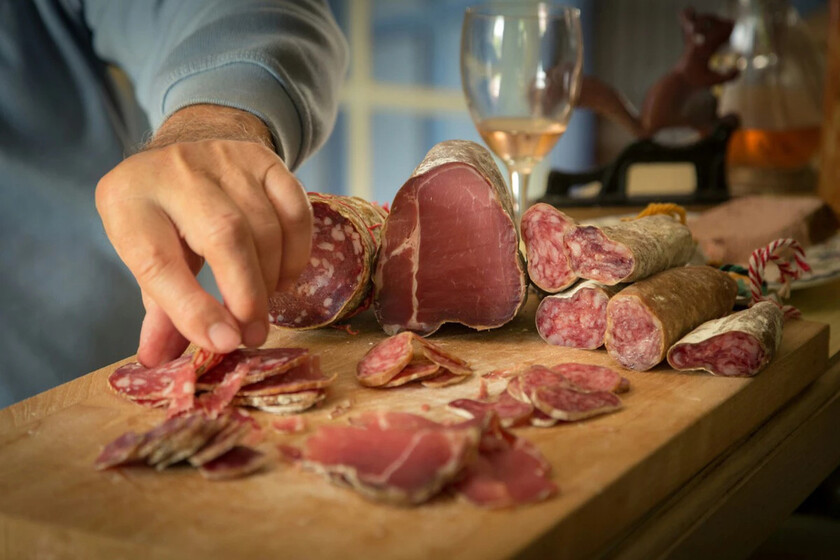
Phase 1: The Preparation Trap
The process usually begins well before anyone takes a bite. When preparing an appetizer spread, hosts frequently commit one of the most common culinary errors: cutting far more food than the guests or family can possibly consume in a single sitting. While the motivation is sheer convenience—ensuring plates remain full without requiring frequent trips back to the kitchen—this sets off a chain reaction of food degradation. Once sliced, the surface area exposed to ambient air increases exponentially.
Phase 2: The Casual Storage Habit
Once the gathering winds down, the remaining slices are inevitably gathered up. Too often, people resort to the path of least resistance: leaving the cold cuts on a ceramic plate covered loosely with a sheet of plastic wrap, or tossing a handful of mixed cheeses and assorted meats together into a single, overcrowded Tupperware container.
Phase 3: The Reopening Cycle
Over the next twenty-four to forty-heures, family members return to the refrigerator repeatedly. Every time the plastic wrap is peeled back or the container lid is popped open to grab a quick single slice for breakfast, lunch, or a midnight snack, fresh oxygen floods the container. This continuous cycle of environmental exposure accelerates the drying process, hardens the edges of the cheese, and causes the cured meats to lose their supple, oily sheen.
Supporting Data and Best Practices for Optimal Storage
Fortunately, modern kitchen techniques and smart habits can drastically extend the lifespan of sliced cheeses and embutidos. Depending on how quickly you plan to consume your leftovers, several methods stand out as superior alternatives to simple plastic wrap.
1. Prevention is the Best Cure
The golden rule of charcuterie management is simple: only slice what you intend to eat immediately. If you find yourself running low during a meal, slicing a fresh batch takes mere minutes and guarantees that your leftovers remain pristine inside their original, protective packaging. Whole or factory-sealed portions should be kept in cool, dark, and dry environments—ideally the refrigerator’s crisper drawer or dedicated meat-storage compartments, where temperature fluctuations are minimized.
2. Rethinking the Plate and the Tupperware
If you already have leftovers that need storing, location and container choice matter immensely:
- The Temperature Zone: Place your leftover meats and cheeses in the least cold part of the refrigerator. Excessive, freezing temperatures can alter the delicate structure of animal fats and ruin the creamy texture of artisan cheeses.
- Avoid Mixed Containers: While tossing everything into a single plastic container seems tidy, it is a sensory disaster. Volatile aromatic compounds easily cross-contaminate. The robust aroma of a mature blue cheese or a spicy paprika-laden chorizo will inevitably invade milder cheeses and delicate hams. Always use individual containers for distinct products.
- Minimize Air Pockets: If you must use standard containers or plastic wrap, ensure the wrap makes direct contact with the surface of the food to block as much air as possible, though be prepared for some degradation if kept for more than a day or two.
3. Vacuum Sealing: The Gold Standard
For culinary enthusiasts who frequently buy specialty items or slice large quantities at once, the investment in a home vacuum-sealing machine pays for itself rapidly.

Vacuum sealers extract the air directly from specialized storage bags, creating an airtight environment that halts oxidation in its tracks.
- Short-Term Storage (Up to 5 Days): If you plan to finish your sliced meats and cheeses within a week, vacuum-seal them individually and store them in the lower compartment of your refrigerator (maintained at a stable 4°C to 5°C / 39°F to 41°F). This method keeps the products as fresh as the day they were sliced, preserving their natural moisture and distinct flavor notes.
- Long-Term Storage (Months): For quantities that will not be consumed within a few days, vacuum sealing combined with freezing offers a reliable preservation path. While freezing can slightly alter the texture of certain delicate cheeses, vacuum-sealed cured meats handle freezing remarkably well when thawed slowly in the refrigerator before consumption.
Official Responses and Culinary Expert Perspectives
Food safety authorities and professional chefs consistently emphasize that proper handling of ready-to-eat protein products is critical not only for sensory enjoyment, but also for preventing foodborne illness.
According to culinary institutes and food science experts, sliced cured meats—while preserved through traditional curing, salting, and drying processes—lose much of their natural microbiological stability once sliced. The introduction of handling via hands or unsterilized knives transfers bacteria to the moist surface of the meat.
Chefs recommend treating opened charcuterie with the same vigilance applied to fresh poultry or fish:
- Always use clean utensils when handling leftovers.
- Never leave cured meats or cheeses sitting at room temperature for more than two hours during warm weather or indoor gatherings.
- Pay close attention to visual and olfactory cues; any sign of sliminess, unusual discoloration, or off-odors means the product should be discarded immediately, regardless of how it was stored.
Implications: Reducing Food Waste and Elevating the Culinary Experience
The ways in which we store our food carry significant implications for both household economies and global sustainability goals. Food waste remains a pressing modern challenge, and perishable luxury items like artisanal cheeses and high-end cured meats are disproportionately represented in household trash bins simply due to improper storage mismanagement.
By adopting mindful preparation habits—such as portion control before cutting—and investing in effective preservation methods like vacuum sealing, consumers can dramatically reduce unnecessary waste. Beyond the financial savings, mastering these storage techniques ensures that every bite retains its intended integrity.
Ultimately, treating cured meats and cheeses with the respect they deserve transforms a simple leftover snack into an ongoing culinary pleasure. Whether you are enjoying a midnight slice of jamón or preparing a sophisticated board for unexpected guests, keeping your ingredients fresh guarantees that flavor is never compromised by convenience.




Leave a Reply