

WASHINGTON — In the landscape of modern energy economics, a quiet revolution is taking place across the United States. Driven by an unprecedented surge in electricity demand from power-hungry artificial intelligence models, hyperscale data centers, and emerging technological innovations, the U.S. power grid is facing mounting pressure. Traditional generation assets and baseline capacities are being tested like never before, leading to localized tariff increases and intense strain on global and domestic energy matrices.
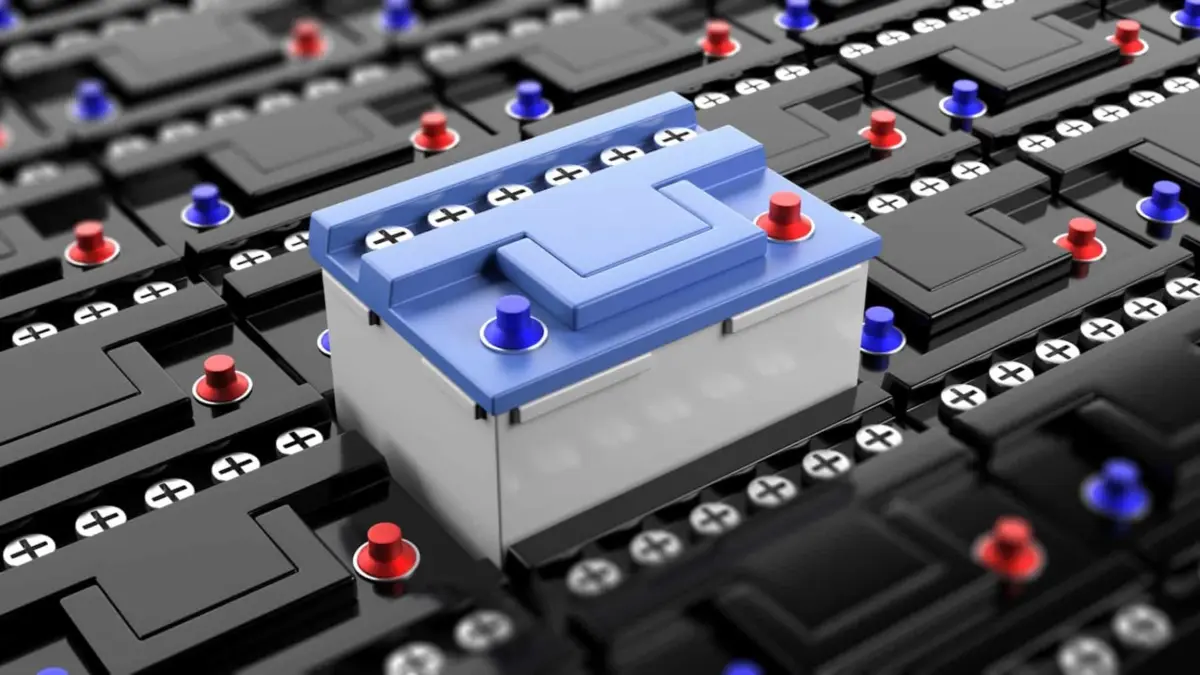
Yet, as the nation hurtles toward a high-consumption digital future, a powerful counterweight has emerged: utility-scale battery energy storage systems (BESS). Once viewed as an expensive and marginally reliable novelty, advanced battery technology has rapidly evolved into the foundational pillar of modern electrical infrastructure. By bridging the gap between intermittent renewable generation and relentless consumer demand, the American battery industry is cementing its role as the ultimate savior of grid stability.
According to data from the U.S. Energy Information Administration (EIA), the deployment of battery storage is expanding at a breakneck, historically unprecedented pace. Over the past three years alone, annual grid-scale battery storage capacity in the United States has skyrocketed by an astonishing 70%. This explosive growth is transforming the energy sector, offering a viable, highly responsive solution to manage peak loads, prevent blackouts, and provide the operational security necessary to integrate massive volumes of wind and solar power seamlessly.
Main Facts
The transformation of the U.S. electrical grid through energy storage is quantified by staggering growth metrics that highlight a paradigm shift in how electricity is managed, stored, and distributed.
- Exponential Growth Rate: Over the last three years, the nation’s annual capacity for battery energy storage has expanded by 70%, reflecting an aggressive shift in utility capital allocation toward storage assets.
- Current Operational Capacity: By the close of 2025, public utilities and independent power producers across the United States registered an impressive 43.6 gigawatts (GW) of operational battery storage capacity.
- Rapid 2026 Expansion: This momentum continued unabated into the first half of 2026. During the initial six months of the year, operators added 8.3 GW of new storage, pushing the total national capacity to nearly 52 GW.
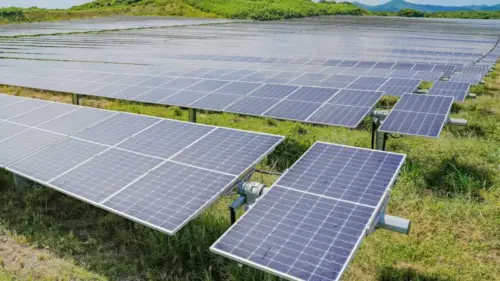
- The Solar-Storage Symbiosis: The vast majority of this newly deployed storage capacity is co-located with utility-scale solar photovoltaic (PV) facilities. This pairing allows operators to capture excess solar generation during peak daylight hours and dispatch it during evening demand peaks.
- Arbitrage and Market Flexibility: Battery storage allows operators to store electricity when wholesale market prices are low—or even negative during periods of over-generation—and sell it back to the grid when prices peak, creating a lucrative economic model that enhances overall market efficiency.
- Near-Term Projections: According to the EIA, the expansion is far from slowing down. The U.S. is projected to incorporate an additional 54 GW of battery storage capacity over the next two and a half years.
Chronology of the Storage Revolution
To understand how battery storage became the fastest-growing sector of the American energy economy, it is necessary to examine the rapid evolutionary timeline that brought the technology from experimental pilot projects to mainstream grid dominance.
The Era of Skepticism and Limitations (Pre-2020)
For decades, the Achilles’ heel of renewable energy was its intermittency. When the sun stopped shining or the wind stopped blowing, grid operators had to rely on fast-ramping fossil-fuel peaker plants—typically natural gas turbines—to balance supply and demand. During this period, electrochemical battery systems, primarily lithium-ion, were plagued by high capital costs, safety concerns, thermal management issues, and relatively short discharge durations (often limited to one or two hours). Consequently, utilities viewed batteries as too expensive and unreliable to serve as a cornerstone for baseload or mid-merit grid operations.
The Turning Point and Policy Catalysts (2021–2023)
As lithium-ion manufacturing matured, largely driven by the electric vehicle (EV) revolution, prices for battery cells began a dramatic downward trajectory. Simultaneously, federal policy shifts—culminating in landmark legislation such as the Inflation Reduction Act (IRA)—introduced transformative investment tax credits (ITCs) specifically for standalone energy storage. Utilities and independent developers began recognizing that pairing storage with renewables was no longer just an environmental goal, but a fiscal necessity. During these years, annual storage installations began posting record-breaking quarters, establishing a 70% cumulative annual growth trajectory.
The California Milestone and Regional Pioneers (2024–2025)
State-level mandates and aggressive decarbonization goals accelerated adoption in forward-thinking regions. California, facing the notorious "duck curve"—where solar overproduction during the day drops off sharply just as residential demand peaks in the evening—became the epicenter of the storage boom. By pioneering massive utility-scale installations, California shattered previous energy storage records, proving that an electrical grid could run reliably with high penetrations of variable renewables backed by multi-hour battery fleets. By the close of 2025, total operational public utility storage capacity nationwide officially touched 43.6 GW.
The 2026 Surge and Modern Integration
Entering 2026, the convergence of surging data center energy demands and aggressive grid interconnection reforms catalyzed a new wave of deployment. In just the first six months of 2026, a staggering 8.3 GW of new storage was successfully synchronized to the grid, elevating the national inventory to nearly 52 GW. Batteries evolved from simple load-shifting devices into sophisticated, software-managed assets capable of providing essential grid services, such as frequency regulation, voltage support, and synthetic inertia.
Supporting Data and Future Projections
The trajectory of the U.S. battery storage market is supported by rigorous data models provided by federal energy agencies and market analysts. The EIA’s short- and medium-term outlooks illustrate an industry operating at maximum velocity.
Breakdown of Projected Additions (2026–2028)
Federal forecasts indicate that the pace of battery integration will accelerate even further as supply chains stabilize and interconnection queues are cleared. The EIA estimates that the United States will add approximately 54 GW of new battery storage capacity over the next 30 months, broken down across the following timelines:
- Late 2026: An additional 14 GW slated for commissioning before the calendar year closes, driven by developers rushing to meet regulatory and tax deadlines.
- Full Year 2027: A massive expansion of 26 GW expected to come online, representing the single largest annual influx of energy storage in American history.
- Full Year 2028: An anticipated 14 GW added as the market begins to achieve structural saturation in specific regional transmission organizations (RTOs), though still maintaining high baseline growth.
Economic Mechanics: Energy Arbitrage
Beyond reliability, the financial viability of battery storage relies heavily on energy arbitrage. Historically, electricity prices followed a predictable diurnal curve: low at night, moderate in the morning, high in the late afternoon and early evening.
Today, with massive influxes of cheap midday solar power, wholesale electricity prices frequently plummet to zero or enter negative territory during peak sunlight hours. Batteries allow owners to absorb this virtually free, overabundant solar power and hold it until dusk, when solar generation fades and residential and commercial demand spikes. By discharging power during these high-priced intervals, storage asset owners maximize revenues while simultaneously shaving peak load demand off the grid, lowering wholesale prices for consumers overall.
Official Responses and Industry Perspectives
Energy regulators, utility executives, and policy architects have increasingly coalesced around the view that energy storage is no longer optional, but existential for grid survival.
The Regulatory Perspective (EIA and FERC)
Federal regulators have pointed out that the traditional paradigm of electricity generation—where power plants ramp up and down mechanically to match load—is ill-suited for the 21st-century digital economy. Officials from the EIA have emphasized that the rapid deployment of battery storage directly addresses the vulnerabilities exposed by extreme weather events and surging industrial demand.
In official statements, energy analysts noted:
"The expansion in capacity by battery storage continues as a long-term trend. As technology, data centers, and energy needs grow, batteries serve as the stabilizing backbone that the power grid requires to prevent catastrophic imbalances."
Utility Operators and Risk Mitigation
Major utility operators, once deeply conservative regarding unproven grid tech, are now among the most aggressive proponents of BESS integration. Industry executives frequently cite "preventative resilience" as the primary driver behind their capital expenditure shifts. With regional grid operators—such as PJM Interconnection, ERCOT, and CAISO—issuing warnings regarding tightening reserve margins, utilities view multi-hour battery installations as the fastest-deploying insurance policy available against rolling blackouts and capacity shortfalls.
Furthermore, state-level energy commissions have echoed these sentiments. Regulators in states like Texas, Arizona, and New York have streamlined permitting processes for standalone and hybrid storage projects, recognizing that bureaucratic delays directly jeopardize local economic development, particularly the multi-billion-dollar investments being poured into regional data center hubs.
Implications for the Future
The massive pivot toward battery storage carries profound implications for the geopolitical, economic, and environmental landscape of the United States.
1. The Tech-Energy Nexus and AI Growth
The meteoric rise of generative artificial intelligence and the proliferation of hyperscale data centers managed by tech giants (such as Microsoft, Google, Amazon, and Meta) have fundamentally altered load forecasts. These facilities require 24/7 uninterrupted power (baseload) with virtually zero tolerance for downtime. While nuclear and geothermal energy are being explored to power these hubs, the immediate speed-to-market of wind and solar paired with massive utility-scale battery banks makes storage the indispensable bridge enabling the AI revolution without causing grid collapse.
2. Environmental and Climate Stabilization
By providing firming capacity to variable renewable sources, batteries effectively dismantle the primary technical argument historically used by fossil-fuel advocates against deep decarbonization. When wind and solar can be stored and dispatched on demand, fossil-fuel peaker plants lose their economic and operational justification. This accelerates the retirement of aging coal and gas infrastructure, driving steep reductions in greenhouse gas emissions across the power sector.
3. Supply Chain and Geopolitical Vulnerabilities
Despite the bullish market outlook, the rapid expansion of the U.S. battery industry is not without hurdles. The heavy reliance on lithium-ion technology exposes the domestic supply chain to vulnerabilities regarding critical mineral sourcing—specifically lithium, cobalt, nickel, and graphite. While domestic mining, processing, and recycling initiatives (bolstered by federal manufacturing incentives) are scaling up, geopolitical dependencies and trade dynamics remain a central concern for long-term price stability and national security.
4. A Permanent Paradigm Shift
Ultimately, the American electrical grid is undergoing a permanent structural metamorphosis. The days of a purely centralized, unidirectional power flow—from massive coal or gas plants down to passive consumers—are gone. In their place stands a decentralized, highly dynamic, bidirectional network where energy storage acts as the grand equalizer. As the numbers from the EIA clearly demonstrate, the battery storage revolution is not a temporary fad, but the indispensable engineering foundation upon which the future of American energy security will be built.


Leave a Reply