

By Global Environmental Desk
Published in partnership with environmental policy trackers
Main Facts
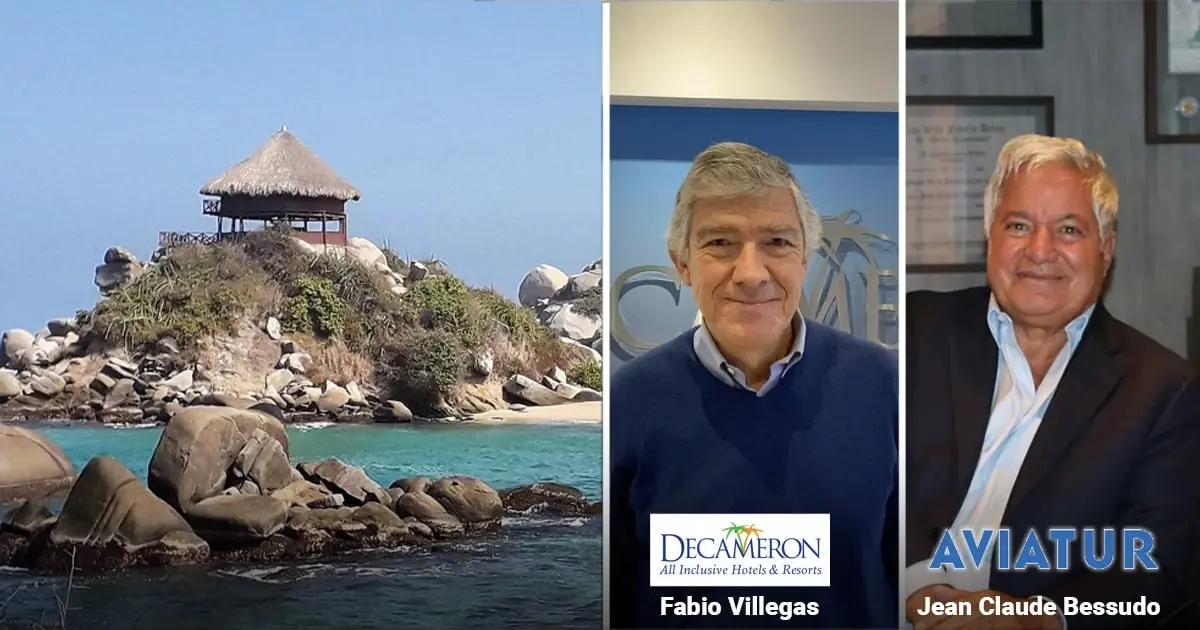
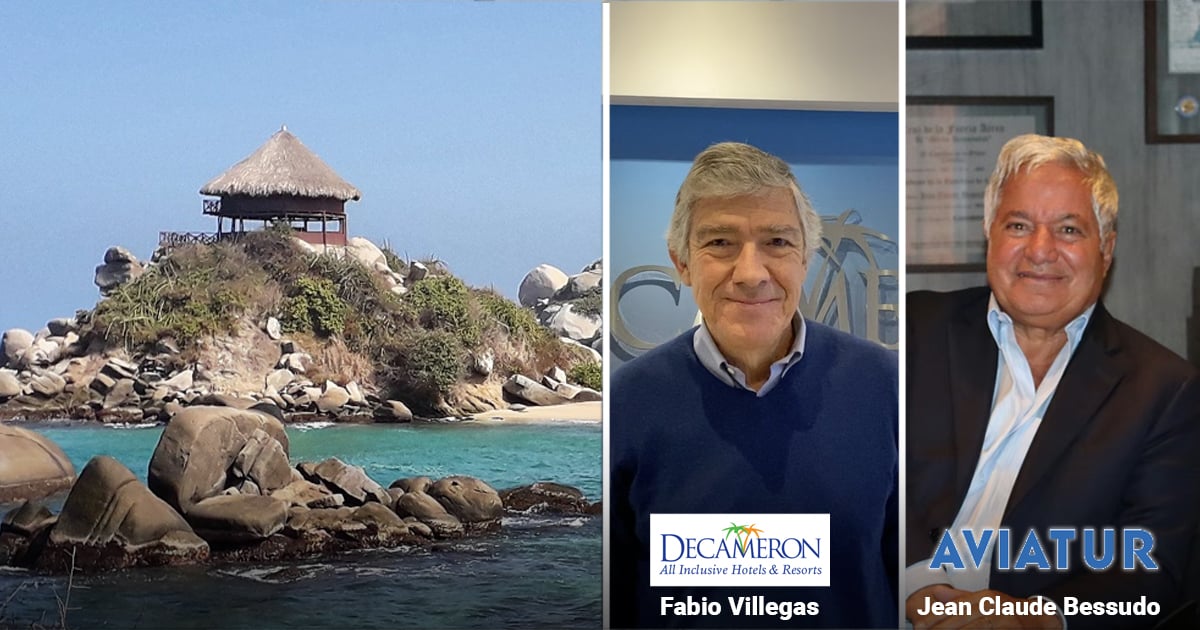
For decades, the sprawling national parks of Colombia—from the glacial peaks of the Andes to the dense Amazonian jungles and pristine Caribbean beaches—were viewed through a purely corporate lens. Large-scale tourism conglomerates and heavy-hitting capital investments dictated how visitors experienced the nation’s most sacred natural treasures. Names like Aviatur and Decameron dominated the administration of lucrative ecotourism concessions, managing everything from upscale lodges to guided excursions.
Today, that landscape has fundamentally shifted. The administration of Colombia’s premier national natural parks (Parques Nacionales Naturales de Colombia, or PNN) is no longer a playground for heavyweight corporate capital. Instead, a grassroots revolution has taken root. Small-scale entrepreneurs, regional cooperatives, and indigenous and local communities now manage ecotourism services in iconic reserves such as Los Nevados, Gorgona, Tayrona, and Amacayacu.
This transformation represents one of the most significant structural shifts in modern Latin American conservation management. Rather than prioritizing bottom lines dictated by corporate boardrooms in Bogotá or Cali, the new custodianship anchors economic benefits directly into the hands of local populations. From the Unión Temporal Operación Nevados (UTON) in the high Andes to community-led initiatives in the Amazon like San Martín de Amacayacu and Mocagua, local stewardship has proved that protecting fragile ecosystems and fostering local enterprise can go hand in hand.
At the helm of this delicate balance stands Sandra Bessudo, a renowned marine biologist appointed as the general director of PNN. Tasked with overseeing 66 protected areas, Bessudo’s leadership merges corporate historical memory—as the daughter of Aviatur pioneer Jean Claude Bessudo—with a lifelong commitment to hardline environmental preservation. Alongside Minister of Environment and Sustainable Development Fabio Arjona, the new administration is championing the "ABC" framework: Agua, Biodiversidad y Comunidades (Water, Biodiversity, and Communities).
As Colombia’s ecotourism sector surges—surpassing 1.3 million visitors annually in protected areas—the central challenge remains balancing commercial accessibility with ecological preservation. National parks are not luxury resorts or private beaches; their long-term survival depends on keeping water tables pure, protecting endangered wildlife habitats, and ensuring that the financial rewards of tourism remain anchored in the regions that protect them.

Chronology: The Evolution of PNN Concessions
To understand how Colombia’s national parks shifted from corporate-led enclaves to community-driven hubs, one must trace a two-decade timeline defined by policy reforms, security crises, and grassroots mobilization.
- 2004 (The Foundation of Concessions): Following the issuance of the Conpes 3296 policy document in 2004, the Colombian state formally established a concession model for national parks. Under this framework, private companies were contracted to operate tourism infrastructure—including lodging, catering, transport, and guide services—while PNN retained strict environmental authority. Initial contracts were awarded to heavyweights like Hoteles Decameron Colombia, Aviatur, and Cielos Abiertos.
- 2005 (The Ecotourism Community Program): Concurrently, PNN launched a parallel ecotourism community program designed to slowly integrate local populations into the management and economic benefits of nearby protected areas.
- November 2014 (The Turning Point in Gorgona): A violent FARC attack on the Gorgona Island National Natural Park on November 22 resulted in the tragic assassination of Lieutenant John Álvaro Suárez Carvajal. The security crisis dealt a severe blow to tourism operations, prompting the eventual termination of major private operations on the island.
- December 2015 (Corporate Exodus): By the end of 2015, out of the initial six corporate concessions structured by PNN, only the Tayrona National Park contract remained active. The premature departure of major tourism corporations opened a vacuum that regional operators and local communities steadily filled.
- 2018 (End of Caldas Guides Contract): In Los Nevados, a three-year community tourism contract with the Caldense Association of Tourism Guides (Asociación Caldense de Guías de Turismo) concluded after a seven-year foundational period, setting the stage for broader regional consolidation.
- November 29, 2019 (Birth of UTON): Eight local ecotourism operators from Caldas and Risaralda united to form the Unión Temporal Operación Nevados (UTON). They successfully secured a landmark 15-year concession contract to manage visitor access, reservations, guiding, transport, lodging, food services, and retail inside Los Nevados.
- August 25, 2024 (A New Direction for PNN): Biologist and conservationist Sandra Bessudo assumed office as the general director of PNN, ushering in an era prioritizing community-led conservation and the "ABC" agenda alongside Environment Minister Fabio Arjona.
- 2026 (Global Recognition and Current Landscape): Driven by decades of conservation work by leaders like Bessudo—culminating in Malpelo Island’s designation as a UNESCO Natural World Heritage site—and fueled by over 1.3 million annual visitors, the park system stands as a decentralized model where local actors outpace national conglomerates.
Supporting Data & Economic Metrics
The financial and operational metrics underpinning Colombia’s national parks reveal a stark divergence between the corporate-dominated past and the community-empowered present.
- 66 Protected Areas: The total portfolio of conservation zones under the direct jurisdiction of Parques Nacionales Naturales de Colombia, spanning diverse biomes from alpine paramos to deep rainforests and marine reserves.
- 1.3+ Million Visitors: The annual visitor volume recorded across Colombia’s ecotourism-vocation parks, highlighting a massive, expanding market that requires sophisticated yet sustainable crowd management.
- 61,388 Hectares: The vast ecological footprint of the Los Nevados National Natural Park, distributed across four departments in the Central Cordillera of the Andes. Its high-altitude paramos account for 84% of its area, providing vital water supplies to millions of residents across the Coffee Triangle (Eje Cafetero).
- 100,000+ Annual Visitors: The visitor traffic successfully handled by the Unión Temporal Operación Nevados (UTON) through its coalition of eight regional entrepreneurial ventures.
- 30 Direct Jobs: The baseline employment generated by UTON’s initial operational rollout in Los Nevados, which subsequently catalyzed secondary and indirect job creation throughout adjacent rural communities.
- 15-Year Concession Terms: The extended structural timeline granted to modern community-backed consortia like UTON, designed to provide long-term economic stability and prevent short-term ecological exploitation.
Official Responses and Perspectives
The friction and subsequent synergy between corporate tourism and community stewardship have elicited strong reactions from institutional leaders, environmentalists, and policymakers.

Sandra Bessudo, General Director of PNN:
Upon taking office, Bessudo emphasized that national parks must transcend their identity as mere vacation destinations. Drawing from her decades of marine conservation experience—particularly her work founding the Malpelo Foundation—she noted:
"Our roadmap is clear and summarized in three essential words: Water, Biodiversity, and Communities. We must allow sustainable tourism without turning our protected areas into commercial hubs, ensuring that the economic value generated remains with the people who guard these lands."
Fabio Arjona, Minister of Environment and Sustainable Development:
During Bessudo’s inauguration, Minister Arjona underscored the irreplaceable value of frontline park rangers and local cooperatives in safeguarding Colombia’s natural capital. His recent visit to Gorgona Island—marking the first time a sitting environment minister has visited the remote Pacific outpost in 20 years, coinciding with the inauguration of the Pacific Scientific Station—signals a governmental pivot toward hands-on, science-driven, and community-integrated park management.

Regional Cooperatives and Community Leaders:
Representatives from organizations such as the Asociación Comunitaria Yarumo-Blanco in Otún Quimbaya and the Corporación Comunitaria Mano Cambiada in Utría have consistently voiced that local management ensures a protective cultural barrier around conservation zones. For these groups, managing ecotourism is not merely a business opportunity, but an act of territorial defense against ecological degradation and illicit encroachment.
Implications for the Future of Conservation
The ousting of corporate tourism giants by local cooperatives and regional entrepreneurs carries profound implications for the future of environmental management in Colombia and across the broader Neotropical region.
1. Decentralization vs. Corporate Efficiency
While early corporate concessions under conglomerates like Aviatur and Decameron brought significant financial muscle and standardized hospitality infrastructure to initial park projects, they often struggled to build deep, trust-based relationships with local populations. Furthermore, when security crises—such as the 2014 FARC attack on Gorgona—or market fluctuations occurred, corporate entities were quick to withdraw. Local cooperatives, by contrast, possess nowhere else to go; their social fabric is inextricably linked to the health of the park, ensuring unwavering resilience during crises.

2. The Ecological Imperative Over Commercial Yield
National parks are ecologically fragile nodes in a warming world. A luxury hotel model relies on high resource consumption—water, energy, and waste generation—that can heavily tax delicate ecosystems like high-altitude paramos or coral reefs. Community-based ecotourism models, while scaling up to handle over a million annual visitors, inherently lean toward low-impact, educational, and culturally immersive experiences. Visitors to Los Nevados or Amacayacu are increasingly greeted not by corporate resort staff, but by local guides whose ancestral or regional knowledge instills a deeper respect for biodiversity.
3. Economic Justice and Territorial Peace
By routing revenues directly into regional associations—such as the eight local enterprises comprising UTON—ecotourism acts as an engine for rural economic justice. In regions historically battered by the armed conflict, substituting illicit economies or corporate extraction with community-led conservation provides a viable, sustainable peace dividend.
As Sandra Bessudo and Minister Fabio Arjona navigate the next chapter of Colombia’s environmental policy, the legacy of the great green handover will serve as a global case study. It proves that when local communities are given the keys to their natural heritage, conservation ceases to be an imposed restriction and becomes a shared, profitable, and enduring way of life.




Leave a Reply