

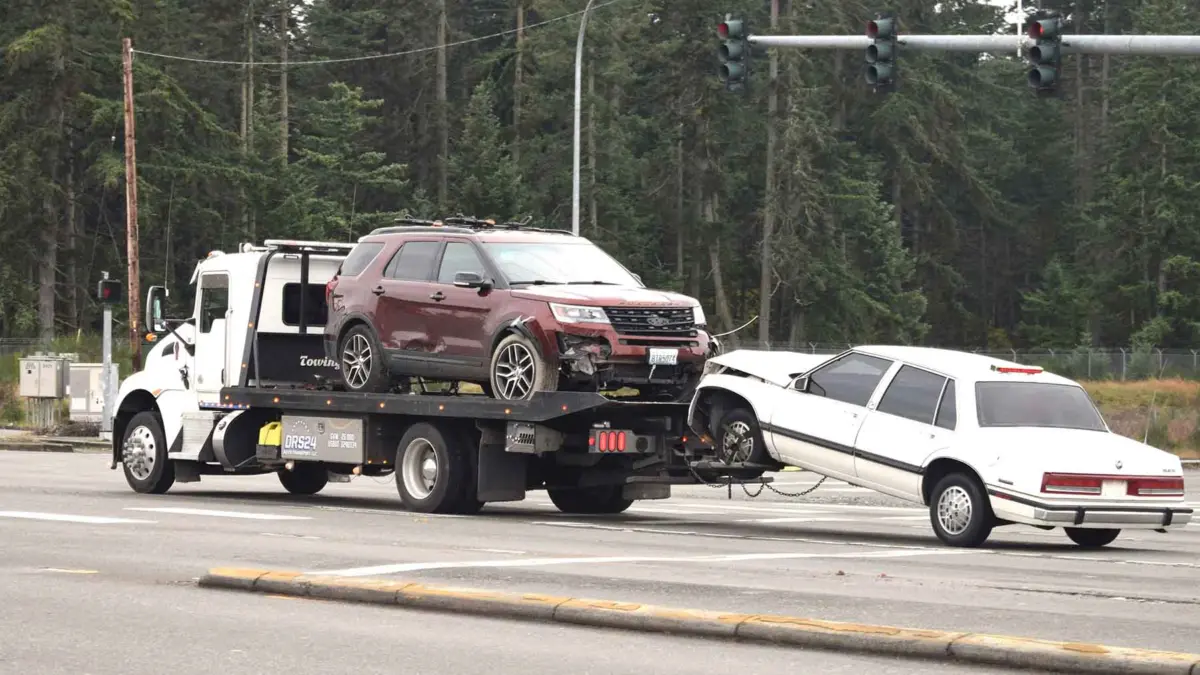
NEW YORK — What begins as a petty attempt to save a few dollars on a highway toll can ultimately result in the total forfeiture of your vehicle. This was the hard lesson learned by hundreds of motorists during a sweeping, multi-agency enforcement operation on the New York State Thruway.
What started as a routine initiative to capture toll violators quickly escalated into a massive, high-tech dragnet resulting in more than 1,000 traffic tickets, hundreds of seized vehicles, and the exposure of widespread motor vehicle fraud. While state authorities set out to punish drivers dodging electronic tolls, the operation uncovered a subterranean world of "ghost plates," forged documents, suspended licenses, and uninsured vehicles operating with impunity on some of the busiest thoroughfares in the United States.
Main Facts: The Anatomy of a High-Stakes Toll Evasion Crackdown
The recent coordinated enforcement sweeps conducted by the New York State Police and the New York State Thruway Authority laid bare the staggering scale of deliberate toll evasion and registration fraud.
Operating under the premise that toll evasion is not a victimless misdemeanor—but rather a financial burden shifted onto law-abiding drivers who pay their fair share—authorities deployed advanced automated license plate readers (ALPRs) alongside strategic highway checkpoints.
The primary targets were vehicles bearing "ghost plates." This modern phenomenon involves obscured, altered, counterfeit, or entirely fabricated license plates designed specifically to evade electronic toll-collection gantries and elude law enforcement identification. However, once motorists were pulled to the side of the road, the scope of the operations expanded dramatically. Troopers and inspectors did not limit their inquiries to toll bills; they conducted thorough safety inspections and document verifications.
The statistical footprint of the crackdown underscores the severity of the operation:
- Total Citations Issued: 1,155 traffic tickets for various infractions.
- Total Vehicles Seized: 214 automobiles removed from the roadway.
- Plate-Related Violations: 515 tickets specifically issued for license plate alterations, concealment, or falsification.
- Toll-Specific Seizures: Only 38 of the 214 vehicles were seized directly due to outstanding toll debt.
- Financial Recovery: More than $70,000 successfully recovered through immediate payment agreements and targeted collection efforts by the Thruway Authority.
Chronology: From Electronic Evasion to Roadside Realities
To understand how a simple toll avoidance trick snowballed into vehicle confiscations and criminal charges, one must examine the timeline and mechanics of modern toll evasion on New York’s highways.
Phase 1: The Electronic Dodge
The method used by many of the targeted motorists was deceptively simple, relying on physics and deception to beat the state’s modern toll infrastructure. As a vehicle approached an electronic toll-collection point, the driver would employ specialized mechanical flipping devices, apply reflective plastic laminates, smudge the characters with dirt or grime, or physically remove the rear license plate entirely. The objective was singular: blind the overhead cameras so the system could not log the vehicle’s identity.
Phase 2: The Tactical Trap
For months, these drivers operated under the assumption that automated cameras were easily fooled and that human law enforcement rarely intervened specifically for toll infractions. That calculation proved fatal to their travel plans during the coordinated sweeps.
Downstream from the toll gantries, New York State Troopers established tactical checkpoints. Equipped with mobile automated license plate readers, law enforcement officers bypassed the manual visual checks of the past. The technology instantly scanned passing traffic, cross-referencing plates against databases of registered vehicles, suspended licenses, and persistent toll violators. Vehicles with hidden or altered plates flagged instantly, directing troopers to pull the drivers over en masse.
Phase 3: The Comprehensive Audit
Once a vehicle was safely directed to the roadside, the nature of the stop fundamentally transformed. What began as a toll-evasion inquiry quickly widened into a comprehensive audit of vehicle compliance. Troopers checked insurance statuses, inspection stickers, driver’s license validity, and safety equipment.
It was during this phase that the true scale of lawbreaking was revealed. Drivers who thought they were merely dealing with a toll ticket suddenly found themselves facing suspended registrations, uninspected automobiles, outstanding warrants, and, ultimately, the tow truck hauling away their cars.
Supporting Data: Unpacking the Numbers Behind the Seizures
A deeper analysis of the enforcement data reveals surprising insights into the psychological and criminal profiles of those targeted. The numbers tell a story that goes far beyond unpaid turnpike fees.
The Myth vs. Reality of Toll Debt
When public officials announce crackdowns on toll cheats, the public naturally assumes that every vehicle towed is drowning in thousands of dollars of unpaid tolls. Yet, the data tells a different story. Out of the 214 vehicles impounded during the operations, only 38 were seized directly because of chronic, severe toll debt.
These specific offenders represented the worst of the worst—motorists who had accumulated years of unpaid tolls, administrative fees, and interest with the New York State Thruway Authority. Their cumulative debts ran into the thousands of dollars per driver, making asset seizure the only viable option to compel payment or recover state revenue.
The Hidden 176: Broader Criminality on the Asphalt
This leaves a critical question: What happened to the other 176 vehicles that were towed?
Those automobiles were removed from circulation due to infractions far more dangerous than failing to pay a highway fee. The roadside inspections revealed widespread, systemic disregard for basic traffic and vehicle safety laws:
- Suspended Registrations: Many vehicles were being driven long after their registrations had been revoked by the Department of Motor Vehicles due to lack of insurance or safety lapses.
- Expired or Cancelled Insurance: A significant percentage of drivers had let their mandatory liability insurance lapse, posing a catastrophic financial and physical risk to other motorists in the event of an accident.
- Fraudulent and Stolen Documentation: Hundreds of citations were handed out for counterfeit inspection certificates, fictitious temporary tags, and stolen license plates swapped between unrelated vehicles.
Furthermore, ancillary safety violations were rampant. Troopers issued citations for distracted driving (cell phone use behind the wheel), excessive speeding, failure to wear seatbelts, and severe mechanical defects on commercial and passenger vehicles alike.
Official Responses: Government and Law Enforcement Perspectives
The crackdown has drawn strong praise from state leaders and transportation officials, who view the enforcement operations as a crucial step toward restoring fairness, accountability, and safety on public roadways.
The Governor’s Office and Thruway Authority
In announcements detailing the results of the operations, Governor Kathy Hochul and representatives from the New York State Thruway Authority emphasized that toll evasion is not a victimless crime. Electronic tolling systems rely on user fees to fund critical infrastructure maintenance, bridge repairs, snow removal, and highway safety patrols. When individuals cheat the system, the financial burden inevitably falls back on honest, compliant motorists.
"Driving with ghost plates, altering your license plate, or systematically dodging tolls is illegal, deceptive, and unfair to the millions of honest drivers who pay what they owe," state transportation officials noted in operational summaries. "These joint enforcement actions send a clear, unmistakable message: if you try to cheat the system, you will be caught, your vehicle will be towed, and you will face the full weight of the law."
Law Enforcement Leadership
The New York State Police echoed these sentiments, highlighting the danger that scofflaw drivers pose to overall highway safety. Troopers pointed out that individuals willing to commit forgery, use fake plates, and drive without insurance are often prone to other dangerous driving behaviors.
Law enforcement agencies have pledged to continue utilizing advanced surveillance technology, mobile ALPR units, and multi-agency sweeps to root out fraudulent plates wherever they appear. The message from the badge is uniform: anonymity on the highway is officially a thing of the past.
Implications: The End of Anonymity and the Future of Roadway Surveillance
The success of New York’s targeted enforcement operations carries profound implications for motorists, transportation agencies, and civil liberties watchdogs across the United States.
1. The Obsolescence of Evasion Tactics
For years, rogue drivers believed they could outsmart electronic tolling systems with low-tech solutions like plastic covers, flip brackets, or missing plates. The integration of mobile automated license plate readers with coordinated police checkpoints proves that physical evasion tactics are increasingly futile. As artificial intelligence and optical character recognition software improve, the window for motorists to slip past electronic tolls undetected is closing rapidly.
2. The Ripple Effect on Insurance and Public Safety
By transforming routine toll stops into comprehensive vehicle audits, law enforcement has uncovered a vital nexus between toll evasion and uninsured driving. Vehicles operating with ghost plates are frequently unregistered, uninsured, and mechanically unsafe. By removing these vehicles from public roads, the operations directly reduce the number of uninsured hazards threatening innocent drivers.
3. Financial Recovery and Policy Shifts
With tens of thousands of dollars recovered in immediate settlements—and countless more projected as scofflaws realize the futility of their actions—transportation authorities have found a self-funding mechanism to police toll fraud. The financial deterrent is clear: attempting to save a $5 toll can now trigger towing fees, storage costs, court fines, and the potential loss of the vehicle entirely.
Conclusion
New York’s aggressive stance on ghost plates and toll cheats serves as a warning to motorists everywhere. The pursuit of a minor shortcut can unleash the full, unforgiving force of the legal and financial system. On modern highways, anonymity is an illusion, and the true cost of trying to beat the system is simply too high to pay.




Leave a Reply