

By Global Environmental Desk
Published: October 2023
Main Facts: The "30×30" Blueprint to Save Earth’s Biosphere
In a historic and unprecedented global commitment, nearly 200 nations have formally endorsed the "30×30" initiative—a binding pledge to protect at least 30% of the world’s terrestrial and marine ecosystems by the year 2030. Ratified during the landmark United Nations Biodiversity Conference (COP15), this grand bargain is anchored within the Kunming-Montreal Global Biodiversity Framework (GBF).
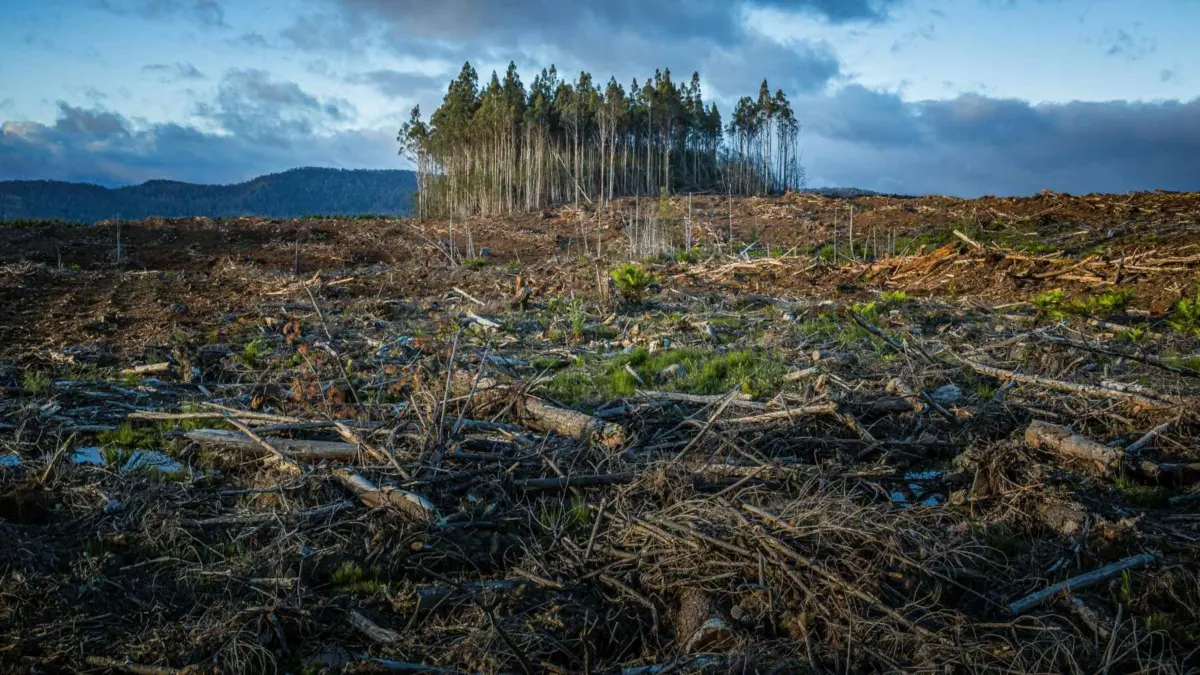
Often hailed by scientists, policymakers, and environmental economists as the "Paris Agreement for Nature," the framework targets the catastrophic loss of global biodiversity and the systemic degradation of natural habitats driven by decades of unchecked human industrial activity, overexploitation, and climate change.
The core objectives of the 30×30 target are as ambitious as they are necessary:
- Terrestrial Expansion: To dramatically scale up the protection of the world’s forests, wetlands, grasslands, and arid lands, doubling current land-conservation metrics.
- Marine Protection: To triple the current surface area of protected marine environments, creating vast ocean sanctuaries that safeguard critical fisheries and fragile underwater habitats.
- Financial Mechanisms: To mobilize tens of billions of dollars annually in international climate and biodiversity finance to empower developing nations—who often house the planet’s richest biodiversity hotspots—to execute rigorous conservation plans.
- Fossil Fuel and Subsidy Reform: To phase out and redirect government subsidies that artificially prop up environmentally destructive industries, such as industrial overfishing, slash-and-burn agriculture, and commercial deforestation.
Chronology: The Road to the Kunming-Montreal Framework
The path to the 30×30 agreement was fraught with geopolitical hurdles, intense lobbying, and years of difficult diplomatic negotiations. Understanding how the global community arrived at this historic milestone requires looking back at the timeline of international environmental governance.
1. The Pre-COP Era: A Decade of Missed Targets (2010–2020)
In 2010, the international community met in Aichi, Japan, under the auspices of the UN Convention on Biological Diversity (CBD). There, governments established the "Aichi Biodiversity Targets," which aimed to halt biodiversity loss by 2020.
As the deadline arrived, a sobering UN report revealed that not a single Aichi target had been fully met. Ecosystem destruction accelerated, greenhouse gas emissions soared, and extinction rates climbed to levels thousands of times higher than the natural baseline. The failure of the Aichi targets made it abundantly clear that incremental environmental policies were no longer viable; a seismic shift in global policy was required.
2. The Pandemic Delays and Rising Momentum (2020–2022)
Originally scheduled to take place in Kunming, China, in 2020, COP15 suffered multiple postponements due to the global COVID-19 pandemic. However, the delay did not stall momentum. Instead, a coalition of nations—led by high-ambition coalitions, small island developing states, and indigenous advocacy groups—built a powerful grassroots and diplomatic case for the 30×30 target.
Scientific bodies, including the Intergovernmental Science-Policy Platform on Biodiversity and Ecosystem Services (IPBES), released damning reports warning that one million species were facing extinction, many within decades.
3. December 2022: The Breakthrough at COP15 (Montreal, Canada)
After logistical shifts forced the final negotiating phase to relocate to Montreal under the presidency of China, delegates from 196 countries converged in December 2022. Following tense marathon negotiations that stretched into the early morning hours, the Kunming-Montreal Global Biodiversity Framework was finally adopted. Despite objections from a small bloc of developing nations regarding funding mechanisms, the gavel came down, establishing the 30×30 target as the supreme global benchmark for ecological conservation.
Supporting Data: The Ecological Crisis and Global Pioneers
To comprehend why the 30×30 framework is an absolute ecological necessity, one must examine the staggering baseline data detailing the current state of the Earth.
The Scale of Degradation
According to international scientific assessments:
- 75% of the terrestrial environment has been severely altered and degraded by human activity.
- 66% of the marine environment is experiencing severe cumulative impacts from overfishing, pollution, shipping lanes, and acidification.
- Over 1 million species currently face the imminent threat of extinction.
Global Leaders in Conservation
While many nations are lagging behind, several countries have emerged as pioneering leaders, implementing innovative finance models and rigorous legal protections that exceed standard global benchmarks.
1. Colombia: Bridging Land and Sea
Colombia has positioned itself as a Latin American conservation powerhouse. Through innovative green-finance initiatives and debt-for-nature swaps managed via the "Legacys for Colombia" project, the nation has successfully protected 47% of its marine territory and 26% of its terrestrial lands, safeguarding parts of the Amazon rainforest and critical Andean strongholds.
2. Bhutan: The Carbon-Negative Kingdom
Nestled in the Himalayas, Bhutan maintains a staggering 70% forest cover, with nearly 50% of its total landmass formally designated under strict national park and wildlife corridor protections. Because of its dense forests and low industrial footprint, Bhutan is one of the very few countries in the world that is net-negative in carbon emissions—absorbing significantly more greenhouse gases than it releases into the atmosphere.
3. Canada: Indigenous-Led Stewardship
As a vast northern nation encompassing massive boreal forests and endless freshwater lakes, Canada has currently protected roughly 15% of its territory—putting it halfway toward the 2030 goal. Crucially, Canada’s strategy relies heavily on direct state funding for Indigenous Protected and Conserved Areas (IPCAs), recognizing that ancestral custodianship is often far more effective than top-down government management.
4. The Eastern Tropical Pacific Marine Corridor (CMAR)
In an unprecedented display of transnational cooperation, Costa Rica, Ecuador, Colombia, and Panama joined forces to establish the largest contiguous marine protected area network in the world. By linking their respective marine reserves (such as Cocos Island in Costa Rica and the Galapagos in Ecuador), these nations have created an interconnected aquatic superhighway designed to protect the vulnerable migratory routes of endangered hammerhead sharks, sea turtles, and blue whales.
Official Responses and Perspectives
The adoption of the Kunming-Montreal framework drew widespread praise from international leaders, indigenous representatives, and scientific institutions, though it was not without caveats from critics and developing nations.
The Scientific Community: A Qualified Triumph
Leading ecologists and conservation biologists hailed the 30×30 target as a vital step back from the brink of total ecological collapse. However, scientists have issued stern warnings regarding the quality of protection over mere quantity.
"Protecting 30% of the planet on paper is useless if those areas exist only as ‘paper parks’ devoid of real enforcement," noted Dr. Elena Vance, a conservation biologist at the Global Biosphere Institute. "We must ensure that industrial extraction, illegal logging, and bottom trawling are genuinely banned within these zones."
Indigenous Peoples: Guardians of the Land Vindicated
For decades, conservation models frequently relied on "fortress conservation"—a colonial approach that forcibly displaced Indigenous populations from their ancestral lands to create state-run parks. The Kunming-Montreal framework marked a historic departure from this model. By explicitly embedding the rights and territories of Indigenous peoples into the core of the text, the agreement recognizes that Indigenous lands hold 80% of the Earth’s remaining biodiversity.
"For generations, our communities have protected these forests, rivers, and mountains not as resources to be exploited, but as living relatives," said Tarcisio Feitosa, an Indigenous leader from the Amazon basin. "This agreement proves what we have always known: you cannot protect nature without protecting the people who live in harmony with it."
Economic and Financial Perspectives
Financial ministers and economists at COP15 wrestled fiercely over the division of funds. Developing nations—particularly in the Global South, which house the majority of tropical forests and coral reefs—argued that wealthy nations, historically responsible for the lion’s share of cumulative carbon emissions, must foot the bill for global conservation.
The compromise involved establishing a dedicated trust fund under the Global Environment Facility (GEF), aimed at channeling at least $20 billion annually by 2025, and $30 billion annually by 2030, directly to developing nations to support local conservation efforts.
Implications: Why the 30×30 Target Matters for Humanity
The implications of achieving—or failing to achieve—the 30×30 targets extend far beyond the preservation of charismatic megafauna like pandas, tigers, and whales. The future of human civilization is inextricably linked to the success of this framework.
1. Climate Change Mitigation
Intact natural ecosystems—ranging from old-growth forests and peatlands to mangrove swamps and oceanic kelp forests—act as the planet’s premier carbon sinks. They pull billions of tons of carbon dioxide out of the atmosphere naturally. Preserving and restoring these ecosystems is considered by the Intergovernmental Panel on Climate Change (IPCC) to be one of the most cost-effective and immediate tools available to limit global temperature rises to 1.5°C.
2. Pandemics and Zoonotic Disease Prevention
Deforestation, industrial agriculture, and the illegal wildlife trade force wild animals out of their natural habitats and into close, unnatural contact with human settlements. Epidemiologists have repeatedly warned that this ecological disruption acts as a primary catalyst for zoonotic spillover events—the transmission of novel pathogens (such as coronaviruses and Ebola) from animals to humans. Maintaining robust ecological buffers keeps natural species barriers intact, drastically reducing the risk of future global pandemics.
3. Water Security and Economic Resilience
Ecosystems function as the planet’s natural water-treatment and distribution infrastructure. Healthy watersheds guarantee clean, reliable sources of freshwater for billions of people, agricultural irrigation, and industrial use.
Furthermore, investing in nature yields massive economic dividends. The transition toward conservation-based economies spurs the growth of sustainable ecotourism, regenerative agriculture, and green jobs. As empirical data continues to demonstrate, the cost of inaction—measured in lost agricultural productivity, extreme weather disasters, and infrastructure collapse—far outweighs the capital investments required to protect our living planet.
As the clock ticks down toward 2030, the eyes of the world remain fixed on governments, corporations, and civil society to turn the bold promises of Montreal into concrete, enduring reality.


Leave a Reply