

By Global Technology Desk
Published: October 2026
For years, the unwritten rule of consumer electronics was simple and reliable: patience pays. Waiting a few months after a flagship smartphone launch typically guaranteed price drops, holiday discounts, or attractive trade-in promotions. Consumers grew accustomed to the depreciation curve, knowing that technology depreciates the moment it leaves the factory floor.
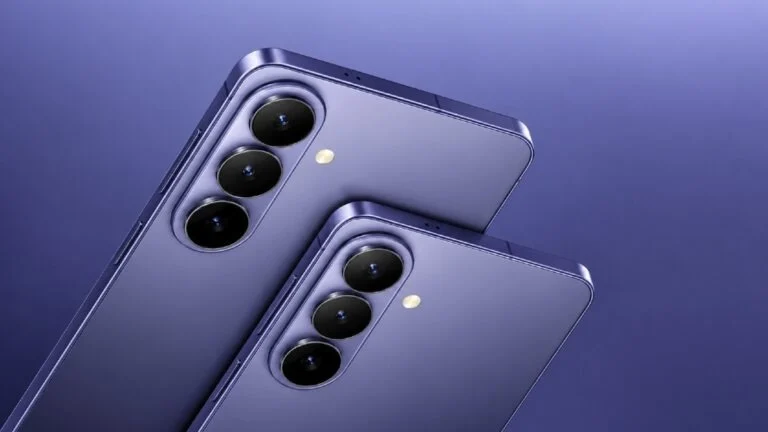
In a surprising departure from decades of consumer tech tradition, Samsung has upended this playbook. The South Korean tech giant has implemented sweeping price hikes across a significant portion of its premium Galaxy S26 lineup in the United States—without introducing a new generation, upgrading internal hardware, boosting processing power, or adding a single new feature.
The rationale behind these mid-cycle adjustments points to a deeper, structural shift within the global supply chain. Behind the rising price tags is a severe and persistent shortage of memory chips. As the explosive growth of artificial intelligence (AI) workloads and hyper-scale data centers strains global manufacturing capacity, the ripple effects are finally reaching everyday consumers shopping for their next pocket-sized computer.
1. Main Facts: The Anatomy of the Galaxy S26 Price Hikes
The increases are substantial, catching both retail analysts and consumers off guard. Across the core Galaxy S26 family, devices that have been on the market for months are suddenly commanding a higher price tag for the exact same hardware configuration.
The baseline Galaxy S26 (256 GB) has jumped from $899.99 to $999.99 in the U.S. market. Similarly, the mid-tier Galaxy S26+ with the same storage capacity has climbed from $1,099.99 to $1,199.99. Meanwhile, the top-tier Galaxy S26 Ultra has moved from $1,299.99 to $1,399.99. In each of these baseline configurations, buyers are now paying an extra $100 for zero hardware improvements.
The financial penalty grows steeper for power users seeking higher storage tiers. While the 512 GB variants across the board also absorbed a standard $100 markup, the pinnacle of the lineup—the Galaxy S26 Ultra with 1 TB of storage—experienced a staggering $200 price correction, leaping from $1,799.99 to $1,999.99. Buyers opting for the maximum capacity must now shell out two hundred dollars more for the identical device that rolled off assembly lines earlier in the year.
Galaxy S26 Series Price Adjustments (US Market)
| Model | Previous Price | Current Price | Price Difference |
|---|---|---|---|
| Galaxy S26 (256 GB) | $899.99 | $999.99 | +$100.00 |
| Galaxy S26 (512 GB) | $1,099.99 | $1,199.99 | +$100.00 |
| Galaxy S26+ (256 GB) | $1,099.99 | $1,199.99 | +$100.00 |
| Galaxy S26+ (512 GB) | $1,299.99 | $1,399.99 | +$100.00 |
| Galaxy S26 Ultra (256 GB) | $1,299.99 | $1,399.99 | +$100.00 |
| Galaxy S26 Ultra (512 GB) | $1,499.99 | $1,599.99 | +$100.00 |
| Galaxy S26 Ultra (1 TB) | $1,799.99 | $1,999.99 | +$200.00 |
Crucially, not every device in Samsung’s ecosystem has been touched by this wave of inflation. The budget-conscious fan favorite, the Galaxy S26 FE, remains anchored at $699.99 in the United States. Although the Fan Edition had previously debuted at a $50 premium over its predecessor, it has successfully skirted this latest round of component-driven adjustments.
Furthermore, Samsung’s high-profile foldable devices—including its latest Z-series foldables—have escaped untouched. The price adjustments are tightly concentrated within specific flagships of the traditional bar-form Galaxy S series and apply strictly to the American retail market, though industry experts warn similar regional adjustments could cascade globally.
2. Chronology: How the Flagship Pricing Strategy Evolved
To fully grasp the weight of these increases, one must look at the historical pricing trajectory of Samsung’s mobile division over the past several product cycles.
The Escalation Path
- Early 2024: Samsung managed to maintain remarkable price stability across its flagship Galaxy S lines. The baseline structures of the Ultra models, in particular, remained anchored, buffering consumers from early inflationary pressures.
- The S25 Generation Launch: When the Galaxy S25 series arrived, the baseline and plus configurations debuted at prices $100 higher than their S24 counterparts, signaling the early stages of margin tightening. However, the Ultra models largely resisted this initial push, holding firm at their traditional entry points.
- Mid-2026 (The S26 Cycle): Following the release of the Galaxy S26 series, standard market depreciation curves were expected to take over. Instead, persistent component shortages flipped normal retail patterns on their heads.
- Current Adjustments: Rather than lowering prices to clear inventory ahead of a future generation, Samsung took the unprecedented mid-cycle step of hiking prices across the board for the S26, driving cumulative entry-level increases to $200 above the launch values of older S-series generations.
This chronology illustrates a profound shift: smartphone pricing is no longer tethered strictly to product life-cycles or annual release cadences. Instead, it is being jerked around by the chaotic rhythms of foundational hardware supply chains.
3. Supporting Data: The AI Boom and the Memory Bottleneck
The root cause of Samsung’s pricing pivot lies far away from retail storefronts, deep within the humming corridors of server farms and semiconductor fabrication plants.
The Convergence of Competing Demands
Modern artificial intelligence platforms, massive cloud computing infrastructure, and generative AI models require staggering quantities of high-bandwidth memory (HBM) and high-density DRAM. At the same time, traditional electronics—personal computers, gaming consoles, automotive systems, and smartphones—continue to draw heavily from overlapping manufacturing pools.
This creates a high-stakes bottleneck. Semiconductor foundries are forced to prioritize lucrative enterprise-grade AI hardware, which commands enormous margins compared to consumer mobile chips. As fab capacity shifts toward servicing the insatiable needs of data centers, the available supply of memory components for consumer electronics shrinks dramatically.
Samsung’s Unique Market Paradox
Samsung occupies a fascinating and complex dual role in this ecosystem. On one hand, the South Korean multinational is one of the world’s leading manufacturers of memory chips, reaping the financial windfall of the AI data center boom. On the other hand, its massive mobile division is a downstream consumer of those very same components.
When upstream silicon costs skyrocket, Samsung’s mobile division cannot insulate itself from market realities. Sourcing memory components has simply become markedly more expensive, translating directly into elevated production costs per unit. When building the exact same smartphone becomes materially costlier, brands face a harsh binary choice: absorb the margin compression or pass the expense along to the end buyer. Samsung chose the latter.
4. Official Responses and Industry-Wide Impact
Samsung is not acting in a vacuum. The structural memory shortage is sending shockwaves across the entire consumer electronics sector, forcing competitors to rethink their pricing architectures as well.
Industry-Wide Admissions
Other major technology titans have acknowledged the same underlying pressures. Google recently signaled to investors and consumers that escalating memory costs would inevitably impact the hardware pricing of its ecosystem devices. Similarly, Apple integrated strategic price adjustments throughout parts of its catalog, signaling a broader industry consensus: the era of cheap, abundant silicon is temporarily on pause.
Industry analysts note that while companies are hesitant to alienate price-sensitive shoppers, the sheer magnitude of the silicon shortage leaves little room for corporate charity. When foundational raw materials surge, price adjustments cease to be optional profit-padding strategies and transform into defensive survival mechanisms for hardware divisions.
5. Implications: The New Reality of Tech Purchasing
The ripple effects of Samsung’s mid-cycle price hike extend far beyond a few hundred dollars extra on a high-end receipt. They permanently alter how consumers must approach buying electronics in an era defined by resource scarcity.
The Death of the "Wait and Save" Strategy
For generations, tech enthusiasts relied on a predictable rhythm: if a phone felt too expensive at launch, waiting six months guaranteed a discount. That strategy is officially broken. When foundational component costs rise mid-lifecycle, manufacturers may actively hike official retail prices after a product has launched.
Consumers can no longer assume that time works in their favor. A device can become significantly more expensive halfway through its shelf life without receiving a single camera upgrade, a faster processor, or an expanded feature set.
A Warning for Future Tech Purchases
This pricing shift introduces a volatile new variable into consumer decision-making. Historically, buying a phone depended on personal upgrade cycles, holiday promotions, and carrier trade-in deals. Today, buyers must also factor in geopolitical supply chains, silicon scarcity, and industrial AI demand.
As artificial intelligence continues to reshape global infrastructure, the components powering our data centers will continue to compete directly with the components in our pockets. For Samsung users—and the broader tech market—the message is clear: paying more for the exact same technology is no longer a theoretical risk. It is the new normal.




Leave a Reply