

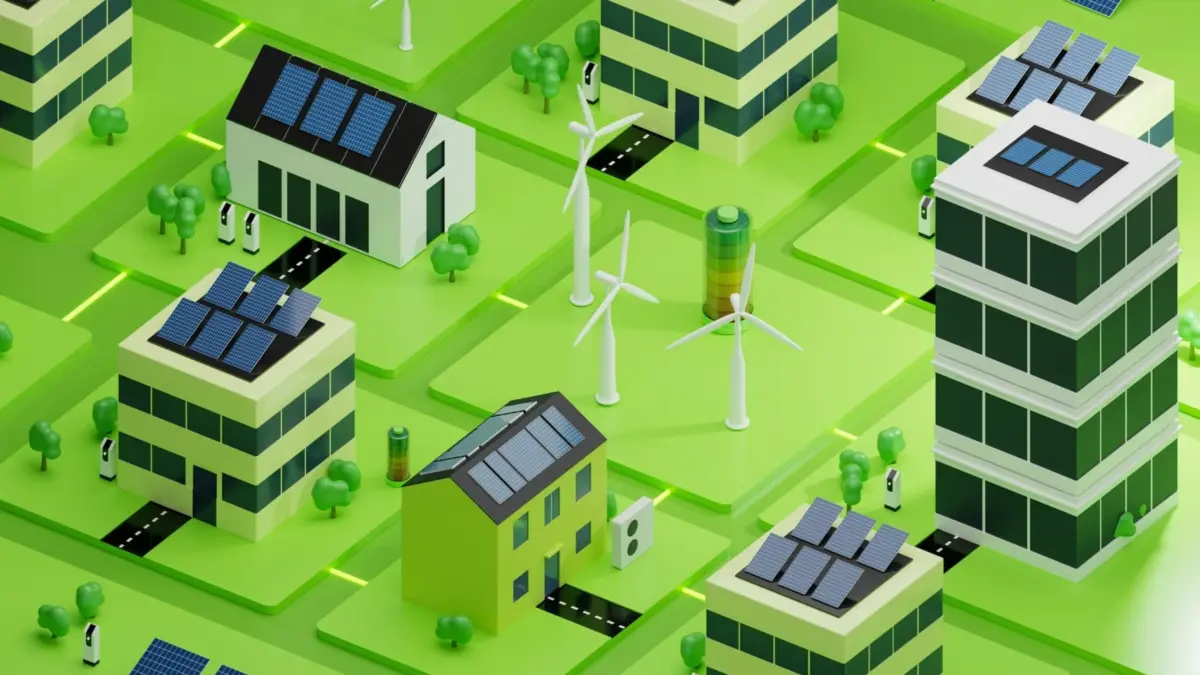
ORLANDO, Fla. — The transition toward a low-carbon economy in the American Southeast is no longer a distant theoretical goal; it is a rapidly accelerating economic and technological reality. A comprehensive report recently released by the Southern Alliance for Clean Energy (SACE) highlights significant, quantifiable progress across the region’s renewable energy sector. By outlining four major milestones, the organization has underscored how solar power, electric vehicles (EVs), and clean technology infrastructure are simultaneously benefiting everyday consumers, driving massive corporate sustainability initiatives, and reshaping the American labor market.
From the sun-drenched theme parks of central Florida to the rugged, winding school bus routes of rural Tennessee, clean energy is proving its adaptability, reliability, and financial viability. As utility costs continue to challenge households and corporate entities alike, the deployment of decentralized power systems and zero-emission transportation offers a blueprint for sustainable regional growth.
Main Facts: A New Era for Southeastern Renewables
The SACE assessment captures a transformative moment for the Southeast, traditionally known for its reliance on fossil fuels and regulated utility monopolies. Today, the region is emerging as a crucible for clean tech innovation, anchored by unprecedented investments in both generation and manufacturing.
At the heart of this regional transformation are four defining developments:
- Corporate Solar Adoption at Scale: Walt Disney World has significantly expanded its solar footprint, integrating massive photovoltaic arrays to power a substantial portion of its sprawling Orlando resort complex.
- Manufacturing and Labor Market Expansion: Solar manufacturing firms, led by industry giant First Solar, are generating tens of thousands of high-paying jobs while pioneering workforce inclusion initiatives for marginalized populations.
- Direct Consumer Savings: Residential solar solutions—particularly plug-and-play systems—and electric vehicles are delivering substantial annual financial relief to households grappling with historic electricity and fuel price inflation.
- Heavy-Duty Electrification in Challenging Terrain: Municipalities like Putnam County, Tennessee, have successfully demonstrated the operational reliability of electric school buses in demanding, mountainous topographies.
These milestones collectively illustrate that clean energy technologies have matured beyond niche applications. They are now foundational pillars of modern infrastructure, capable of supporting heavy industrial loads, fostering social mobility, and slashing regional greenhouse gas emissions.
Chronology: The Evolution of the Southeast’s Clean Energy Transition
To understand how the Southeast reached this pivotal juncture, it is necessary to trace the incremental policy shifts, technological cost reductions, and corporate commitments that have unfolded over the past decade.
Phase 1: Laying the Groundwork (2015–2019)
For years, the adoption of solar energy in the American Southeast lagged behind states like California and Arizona due to restrictive regulatory frameworks and abundant, relatively inexpensive fossil fuel resources. However, steady decreases in the global cost of photovoltaic (PV) modules began to shift the economic calculus. Forward-thinking municipalities and progressive corporations started commissioning small-scale pilot projects. In 2018, Walt Disney World took an early, highly visible step by unveiling its iconic 5,000-kilowatt "Hidden Mickey" solar facility, signaling to the tourism and hospitality sectors that renewable energy could reliably power complex entertainment infrastructure.
Phase 2: The Manufacturing Surge and Federal Catalysts (2020–2022)
As global supply chain vulnerabilities became apparent and federal incentives—such as the landmark climate legislation passed in 2022—came into effect, the region experienced an influx of clean manufacturing investments. Companies like First Solar recognized the strategic advantages of the American Southeast, leveraging logistical hubs and supportive state-level economic development policies to establish large-scale production facilities in states like Alabama, Louisiana, and Ohio. Simultaneously, workforce training initiatives began targeting non-traditional labor pools, planting the seeds for an inclusive green economy.
Phase 3: Mainstream Integration and Scaling (2023–Present)
The current era is characterized by mass integration. In 2023, federal programs like the Environmental Protection Agency’s (EPA) Clean School Bus Program began deploying zero-emission vehicles to school districts across challenging terrains, including the mountainous regions of Tennessee. Meanwhile, massive utility-scale solar projects—such as the Bronson Solar facility feeding the Walt Disney World grid—came online, capable of generating tens of thousands of kilowatts and powering tens of thousands of homes. Today, clean energy is deeply embedded in the region’s commercial, residential, and educational landscapes.
Supporting Data: Numbers Behind the Green Wave
The SACE findings are anchored by robust quantitative data that illustrate the sheer scale of environmental and economic impact generated by the southeastern clean energy transition.
Walt Disney World Solar Expansion
- Generation Capacity: The newly operational Bronson Solar facility produces up to 74,500 kW, supplementing the existing 5,000 kW "Hidden Mickey" installation.
- Equivalent Homes Powered: Combined, Disney’s solar infrastructure generates enough electricity to power approximately 19,000 households annually.
- Emissions Reductions: Implementation of these large-scale solar projects accounts for an estimated reduction of 140,000 metric tons of greenhouse gas emissions per year.
- Equivalent Gasoline Offset: This reduction is mathematically equivalent to removing roughly 33,000 gasoline-powered passenger vehicles from the road annually.
Labor Market and Economic Impact
- Job Creation: First Solar alone generated approximately 30,000 jobs within the solar manufacturing sector over the past year.
- Average Wages: Workers within these advanced manufacturing facilities command competitive compensation, with average annual incomes exceeding $100,000.
- Household Savings: Residential deployment of solar plug-and-play systems yields verified savings of up to $400 per year on domestic electricity bills.
- EV Savings in Georgia: Citizens transitioning to electric mobility in Georgia save an estimated $2,000 annually, factoring in the stark price difference between gasoline and residential electricity rates, alongside reduced mechanical maintenance costs.
Official Responses and Stakeholder Perspectives
The acceleration of renewable energy adoption in a traditionally conservative region has elicited strong commentary from industry analysts, environmental advocates, and community leaders.
The Southern Alliance for Clean Energy emphasized that the region’s progress dispels long-held myths regarding the economic impracticality of renewables in the American South. In its official statements, SACE highlighted that low-emission technologies are no longer subsidized luxuries, but rather cost-effective imperatives that directly alleviate cost-of-living pressures for working-class families.
Corporate stakeholders, including representatives from major manufacturing entities, have pointed to the predictability and long-term price stability of renewable energy as a primary driver for regional investment. By locking in predictable energy costs through long-term power purchase agreements (PPAs) and on-site generation, major enterprises are insulating themselves against the volatile price swings historically associated with global oil and natural gas markets.
Furthermore, social equity organizations have praised the intentional integration of marginalized communities into the green workforce. Programs such as Dream.org’s "Green Reentry Incubator" have drawn widespread praise from civic leaders for providing formerly incarcerated individuals with specialized training and direct pathways into high-paying, future-proof careers within the solar, clean mobility, and sustainable construction sectors.
Implications: The Future of Energy and Mobility in the Southeast
The milestones highlighted in the SACE report carry profound implications for the future trajectory of the American Southeast. As these technologies scale, several structural shifts are expected to transform the region’s socio-economic and environmental landscape.
1. Decentralization of Grid Infrastructure
The proliferation of utility-scale solar installations, coupled with residential and commercial plug-and-play photovoltaic systems, is fundamentally altering how electricity is generated and distributed. By decentralizing power production, regional grids become inherently more resilient against extreme weather events—such as hurricanes and severe storms—that frequently threaten southeastern transmission lines. Microgrids and localized solar-plus-storage solutions ensure critical infrastructure can maintain operations even during central grid failures.
2. Workforce Transformation and Social Mobility
The transition to a low-carbon economy is proving to be a powerful engine for socioeconomic uplift. As advanced manufacturing plants open across states like South Carolina, Alabama, and Louisiana, they bring high-wage technical careers to communities that have experienced decades of industrial decline. Initiatives designed to train returning citizens and economically disadvantaged groups ensure that the economic dividends of the green transition are distributed equitably, fostering long-term community stability.
3. Normalization of Zero-Emission Transportation
The successful deployment of electric school buses in rugged, mountainous terrains like Putnam County, Tennessee, shatters lingering skepticism regarding the operational limits of heavy-duty EVs. As school districts, municipal fleets, and commercial logistics providers witness firsthand the reliability and fuel-cost savings of electric mobility, adoption rates are expected to climb exponentially. This shift will drastically improve local air quality around schools and densely populated urban corridors, yielding measurable public health dividends.
Conclusion
The data compiled by the Southern Alliance for Clean Energy paints an optimistic picture of a region successfully navigating the complexities of the energy transition. By proving that sustainability and economic prosperity are mutually reinforcing, the Southeast is establishing a compelling precedent. Whether illuminating the magical kingdom of Walt Disney World with clean electrons, powering rural classrooms with zero-emission buses, or putting former inmates on the path to six-figure careers, the clean energy revolution in the American South has firmly taken root—and it shows no signs of slowing down.



Leave a Reply