

By Investigative Desk
Published in Education & Society
Main Facts: The Reality of Bogotá’s Lowest-Scoring Institutions
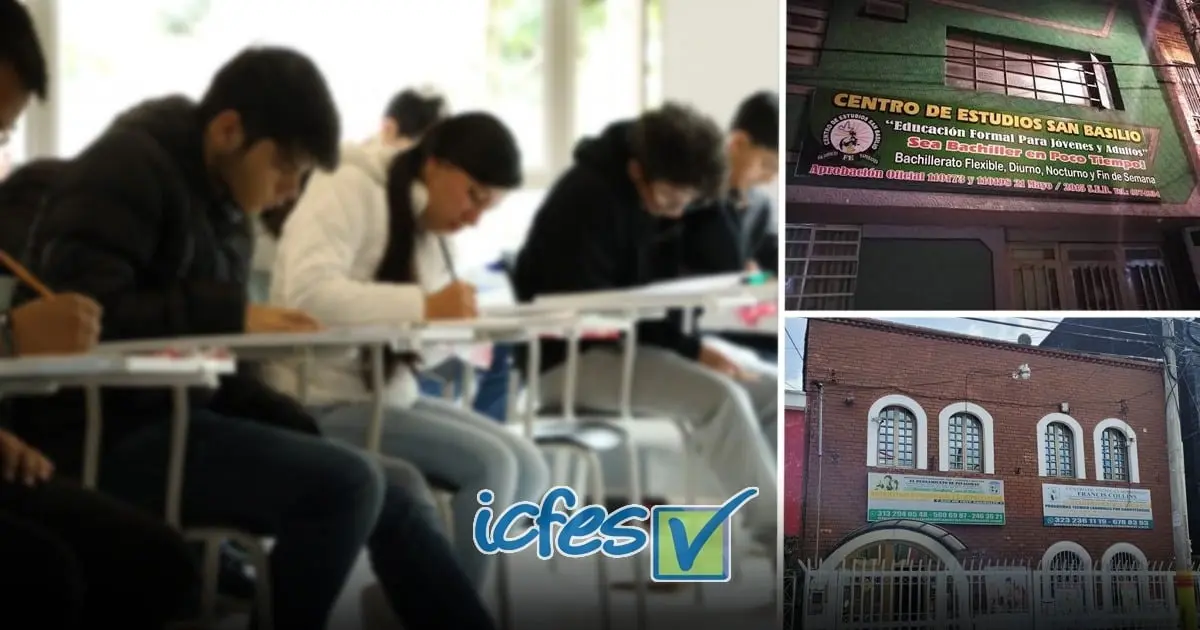
While public and private educational institutions in Bogotá generally maintain steady academic standings compared to other regions of the country—with no local school appearing among the 100 absolute lowest-scoring institutions nationwide (a list heavily dominated by departments like Chocó)—a deeper analysis of the ICFES Saber 11 results reveals a troubling localized trend. A total of 33 schools in the Colombian capital registered critically low averages in the 2025 state examinations.
At the center of this academic shortfall are three specific institutions dedicated to adult education, high school validation, and accelerated cycles. Institutions located in the localities of Suba and Teusaquillo recorded average scores significantly below the 200-point threshold, falling far short of the national average of 260 points.
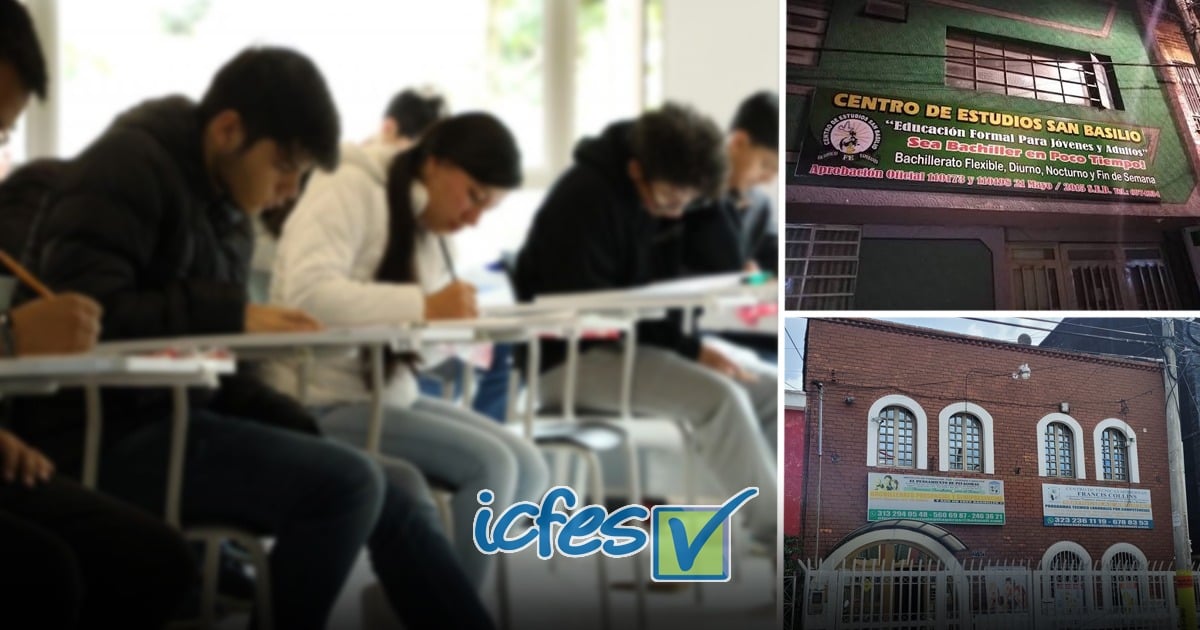
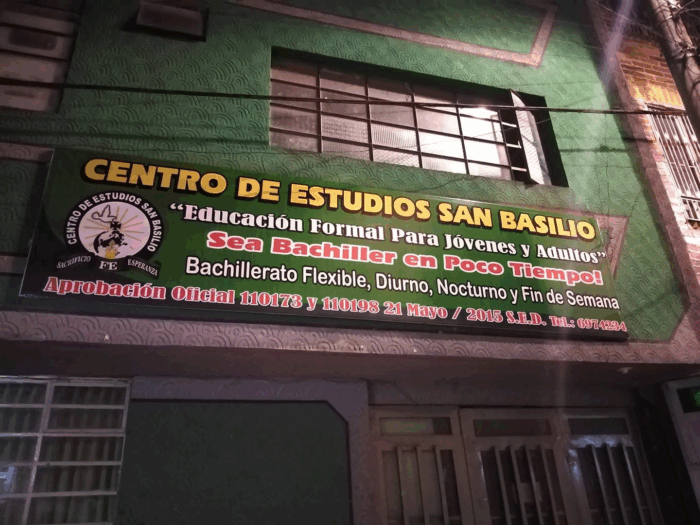
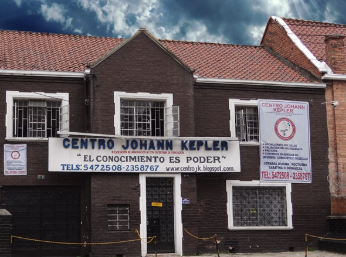
Leading this undesirable ranking is the Centro de Estudios San Basilio, situated in the northern locality of Suba. It registered the lowest average score in the entire city at 197.7 points out of 500. Following closely in second place is the Instituto de Educación Formal de Adultos El Pensamiento de Pitágoras, located in San Cristóbal, which plummeted to an average of 209 points. Rounding out the bottom three is the Johann Kepler institution, headquartered in Teusaquillo, which managed an average of 232 points, landing it firmly in Category D—the lowest possible performance tier on the national exam.

These findings have reignited a fierce national debate regarding the efficacy, quality control, and oversight of accelerated education models, commonly known as education by cycles, which promise fast-tracked high school diplomas for adults and youths.
Chronology: The Evolution and Oversight of Accelerated Education in Bogotá
To understand how these institutions reached these academic metrics, it is necessary to examine the timeline of high school validation models in Colombia and the trajectories of the schools involved:
- 1997: The Colombian government officially introduces the education-by-cycles model (educación por ciclos). Designed to expand coverage and combat educational exclusion, the system targets adults and school dropouts, allowing them to complete primary and secondary education in compressed, flexible timeframes.
- Late 1990s: Institutions like the Johann Kepler are founded, capitalizing on the growing demand for alternative adult education models in urban centers.
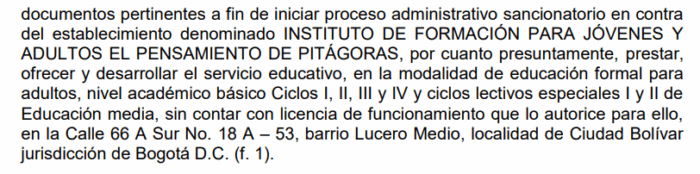
- 2020: The District Secretariat of Education (Secretaría Distrital de Educación) issues formal requirements and regulatory warnings to several alternative learning centers. Among them is El Pensamiento de Pitágoras, which faces scrutiny regarding its operational licenses and compliance with standards across its secondary branches, particularly in localities like Ciudad Bolívar.
- 2024: Enrollment surges in validation centers across Bogotá. El Pensamiento de Pitágoras reports approximately 995 active students, with a staggering 885 learners concentrated in "Cycle 6" (the equivalent of traditional 11th grade), making up 85% of its total student body. Meanwhile, the Centro de Estudios San Basilio registers 318 students across its programs.
- 2025 Saber 11 Evaluations: Official ICFES results are published, highlighting a severe underperformance among validation institutions. Three specific schools in Suba, San Cristóbal, and Teusaquillo score under 200 to 230 points, bringing structural flaws in accelerated learning models back into the public eye.
Supporting Data: A Closer Look at the Numbers
The quantitative evidence paints a stark picture of academic vulnerability among students in accelerated programs. While the national average for the Saber 11 exam hovers around 260 points, the bottom-tier institutions in Bogotá drastically underperform across key core competencies:
1. Centro de Estudios San Basilio (Suba)
- Average Score: 197.7 points (out of 500).
- Historical Context: Demonstrates a marginal improvement from previous years when scores averaged around 182 points, yet it remains the lowest-ranked institution in the capital.
- Weakest Areas: Mathematics and Social Sciences yielded critical averages of 36 and 35 points out of 100, respectively.
- Enrollment: 318 students matriculated across its various cycles.
2. El Pensamiento de Pitágoras (San Cristóbal / Ciudad Bolívar)
- Average Score: 209 points.
- Historical Context: Represents one of the most drastic academic regressions in the city. In prior years, the institution boasted averages as high as 325 points before suffering a collapse of over 100 points.
- Enrollment: Nearly 1,000 students (995 total), with a heavily lopsided demographic: 85% of the student population (885 individuals) is concentrated exclusively in Cycle 6, aiming for rapid graduation without foundational strengthening in earlier cycles.
3. Johann Kepler (Teusaquillo / Bosa / Suba)
- Average Score: 232 points.
- Classification: Placed historically and structurally in Category D, the lowest performance bracket defined by ICFES metrics.
- Weakest Areas: English proficiency proved to be the most severe obstacle, with an institutional average of just 43 points out of 100.
- Enrollment: 491 active students distributed across its central Teusaquillo hub and secondary operations in Bosa Laureles and Suba Lisboa.
Official Responses and Institutional Perspectives
The release of these scores has drawn varying reactions from educational authorities, institution owners, and policy experts.
Representatives from alternative validation centers frequently defend their pedagogical frameworks by highlighting the unique socio-economic realities of their student populations. Unlike traditional high schools—where adolescents progress through a standardized, uninterrupted 11-year cycle supported by full-time study habits—validation centers cater to working adults, parents, and youths who have experienced long academic hiatuses, economic displacement, or social marginalization.
School administrators argue that standardized tests like the Saber 11, designed primarily for traditional high school graduates, fail to measure the practical utility, resilience, and functional literacy gained by adults who successfully reintegrate into the educational system.

Conversely, municipal authorities and educational watchdogs emphasize that flexibility must not come at the expense of academic rigor. The District Secretariat of Education has reiterated its commitment to auditing institutions that operate under the cycle model. Officials stress that while accelerated learning is a vital tool for social mobility, institutions must possess the requisite pedagogical infrastructure, qualified teaching staff, and regulatory compliance to ensure students are genuinely prepared for higher education or the formal labor market.
Implications: The Future of Accelerated Education in Colombia
The underperformance of validation schools on the 2025 Saber 11 examinations has triggered a multi-layered debate with far-reaching implications for Colombia’s educational landscape:

1. The Quality vs. Accessibility Dilemma
The primary dilemma centers on the trade-off between educational inclusion and academic standards. On one hand, models like El Pensamiento de Pitágoras and Johann Kepler provide a second chance for thousands of citizens—such as the 885 students in Cycle 6—who would otherwise remain outside the formal educational system. On the other hand, producing graduates with average scores under 200 points severely limits their chances of accessing higher education or technical training programs that require competitive ICFES cutoffs.
2. Curriculum Compression and Student Preparedness
Allowing students to cover multiple grades within a single calendar year creates a risk of superficial learning. As evidenced by extreme deficiencies in mathematics (35 points) and English (43 points), compressed study plans often lack the deep cognitive reinforcement needed to master complex analytical concepts. This raises questions about whether these programs adequately prepare students or merely facilitate the bureaucratic issuance of high school diplomas.
3. Regulatory Reform and Oversight
The findings urge the Ministry of Education and local secretariats to tighten inspections. Ensuring that alternative institutions meet minimum instructional standards will be crucial to preventing the proliferation of "diploma mills" that prioritize enrollment volume over educational outcomes.
Ultimately, Bogotá’s low-scoring validation centers serve as a canary in the coal mine for alternative education in Colombia. If the city and the national government fail to bridge the gap between flexible schooling and high-quality instruction, accelerated programs risk becoming a revolving door of superficial credentials, leaving vulnerable populations unequipped for the demands of the modern workforce.