

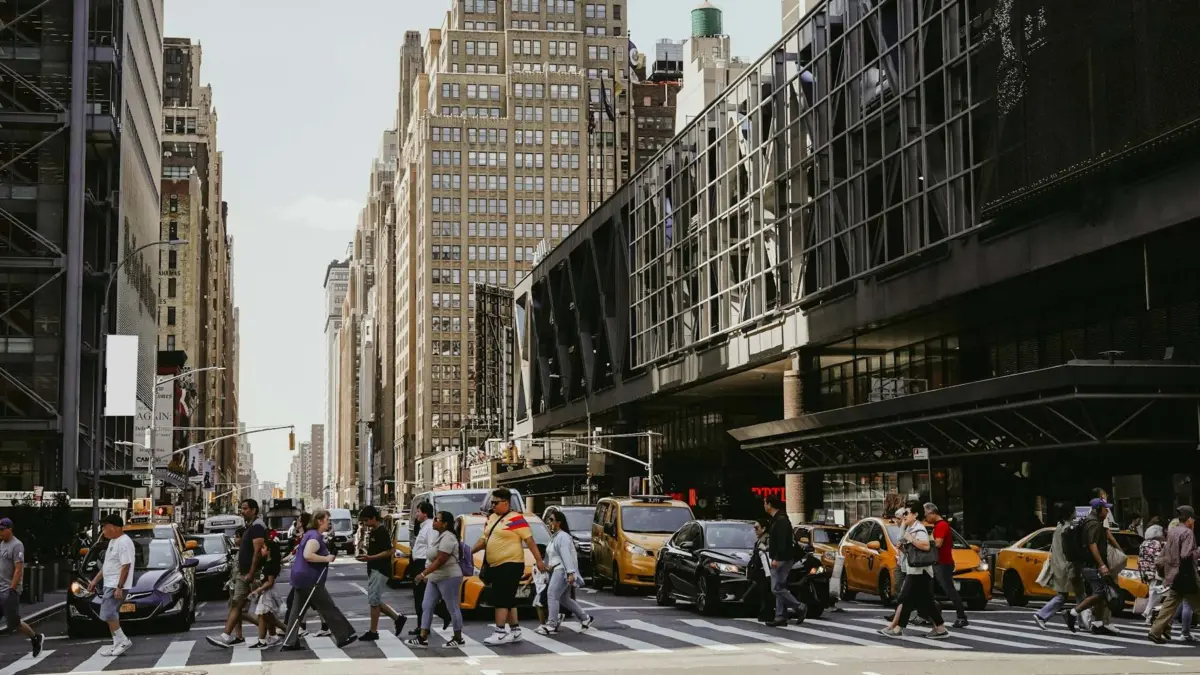
NEW YORK — Under a blazing August sun that reflected the warmth and passion of the Caribbean, Manhattan transformed into a sea of red, white, and blue on Sunday, August 9. Millions lined the iconic thoroughfares of the borough to celebrate the 44th annual Dominican Day Parade, a landmark cultural event honoring the profound heritage, history, and contributions of the Dominican diaspora.
While the daytime festivities unfolded with high energy, colorful floats, and rhythmic merengue and bachata echoing between skyscrapers, the conclusion of the event has ushered in a new phase for the city: managing heavy urban congestion. As evening approaches, New York City transportation authorities and the NYPD have issued widespread traffic alerts, urging motorists, commuters, and pedestrians to exercise caution and anticipate significant delays around the Sixth Avenue corridor, Bryant Park, and surrounding Midtown Manhattan arteries.
1. Main Facts
The 44th annual Dominican Day Parade brought monumental crowds to the heart of New York City, cementing its status as one of the largest and most vibrant cultural celebrations in the United States.
- Event Date: Sunday, August 9.
- Primary Location: The Sixth Avenue corridor, stretching through Midtown Manhattan, with focal points near Bryant Park and 42nd Street.
- Attendance: Hundreds of thousands of spectators, community members, and tourists participated in or observed the parade.
- Key Figures in Attendance: New York Governor Kathy Hochul, State Attorney General Letitia James, and local political figures, including Assemblyman/advocate Zohran Mamdani, walked the route to show solidarity and celebrate the community.
- Current Situation: As the event officially concluded in the late afternoon, massive crowds began to disperse, triggering coordinated city operations involving sanitation, crowd control, and phased street reopenings.
- Traffic Impact: Intermittent congestion and extended delays are expected through the evening hours, particularly in zones adjacent to Bryant Park and major Midtown intersections. Authorities have published explicit alternative routes to help commuters navigate the gridlock.
2. Chronology of the Day: From Morning Celebration to Evening Gridlock
Morning: The Buildup and Kickoff
As early as 8:00 AM on Sunday, August 9, early risers and enthusiastic parade-goers began securing prime viewing spots along Sixth Avenue. Police barricades had been erected days prior, and strict parking restrictions went into effect along the parade route and staging areas starting at dawn.
By 11:00 AM, the atmosphere along the Avenue of the Americas was electric. Vendors waved Dominican flags, brass instruments tuned up, and dance troupes stretched in preparation for the procession. The official ribbon-cutting ceremony took place shortly before noon, marked by speeches from community leaders and high-ranking government officials who praised the resilience and cultural richness of Dominican New Yorkers.
Afternoon: The Peak of the Festivities
Between 1:00 PM and 4:00 PM, the parade reached its peak. Elaborate floats representing various provinces of the Dominican Republic rolled down Sixth Avenue, accompanied by traditional Robalagallina characters, vibrant Guloyas dancers from San Pedro de Macorís, and contemporary Latin music artists.
Politicians marched alongside community organizers, paying tribute to historical figures and modern-day trailblazers within the diaspora. The celebration emphasized themes of education, entrepreneurship, and civic engagement, underscoring how deeply interwoven the Dominican community is with the social fabric of New York City.
Late Afternoon: The Sunset Dispersal
By 5:00 PM, the final floats reached the dissolution area, and the official program came to a close. However, the end of the parade signaled the beginning of a massive logistical challenge. Hundreds of thousands of attendees simultaneously attempted to access subway stations, bus lines, and parked vehicles.
Concurrently, the New York City Department of Sanitation (DSNY) mobilized dozens of sweepers, collection trucks, and sanitation workers to clear mountains of plastic containers, flags, and debris left in the wake of the celebration. This dual wave of pedestrian dispersal and municipal cleanup immediately impacted vehicular traffic, causing sudden bottlenecks across Midtown.
3. Supporting Data and Logistics
Managing a parade of this magnitude in one of the world’s most densely populated urban centers requires military-like precision across multiple municipal agencies.
Street Closures and Restrictions
The 44th edition of the parade necessitated sweeping vehicular restrictions that remained in place for the majority of the day. Key arteries impacted included:
- Sixth Avenue (Avenue of the Americas): Completely closed to vehicular traffic from 42nd Street up through the northern parade termination points.
- Cross-Streets: Intersecting avenues and side streets between 38th Street and 56th Street experienced intermittent or total closures to accommodate staging, crowd control, and emergency vehicle lanes.
- Bryant Park Perimeter: 42nd Street and surrounding zones near the park served as major pedestrian choke points, slowing both foot traffic and adjacent cross-town vehicle movement.
Public Transportation and Commuter Impact
Subway stations along the Sixth Avenue line—particularly the 42nd Street-Bryant Park station, 34th Street-Herald Square, and 47th-50th Streets-Rockefeller Center—experienced heavy surges. MTA personnel implemented crowd-control gating to manage platform capacities safely.
Buses operating crosstown (such as the M42 and M50) and uptown/downtown routes along Fifth, Sixth, and Seventh Avenues experienced severe bunching and rerouting throughout the afternoon. Transit authorities noted that recovery times for bus schedules would stretch well into the evening rush.
Recommended Alternative Routes
To mitigate the impact on evening travelers, the New York City Department of Transportation (NYDOT) strongly advised motorists to avoid Midtown Manhattan entirely if possible. Suggested bypasses included:
- The West Side Highway (Henry Hudson Parkway): Offering an unhindered north-south trajectory along the west coast of Manhattan.
- FDR Drive: The primary eastern corridor for bypassing central Manhattan traffic.
- Ninth Avenue and Tenth Avenue: Recommended for local north-south vehicular movement, as they remained clear of direct parade closures.
4. Official Responses and Leadership Presence
The cultural significance of the Dominican Day Parade drew a powerful bipartisan and cross-governmental display of support, highlighting the immense political weight and demographic footprint of the Dominican community in New York State.
Governor Kathy Hochul
Governor Kathy Hochul marched proudly along Sixth Avenue, engaging directly with festival-goers and local business owners. In statements released throughout the day, Hochul emphasized New York’s identity as a welcoming haven for immigrants.
"Today, we celebrate the vibrant culture, rich history, and undeniable contributions of the Dominican community that help make New York the greatest state in the nation," Governor Hochul stated. "From our workforce to our arts, politics, and culinary traditions, Dominican New Yorkers enrich our society every single day. We are proud to stand with you today and always."
Attorney General Letitia James
State Attorney General Letitia James also participated in the festivities, greeting crowds and acknowledging the historical struggles and triumphs of Dominican immigrants who settled in Washington Heights, the Bronx, and across the five boroughs.
"The Dominican community is an indispensable pillar of New York City," James remarked during the event. "This parade is not just a celebration of music and heritage; it is a testament to the perseverance, hard work, and leadership of generations who have built futures here while keeping their roots alive."
Local Leadership and Municipal Coordination
City council members, borough presidents, and local advocates—including Zohran Mamdani—joined the procession, addressing issues of representation, economic equity, and community development.
Behind the scenes, the NYPD, the Mayor’s Office of Media and Entertainment (MOME), and the DSNY coordinated real-time updates. Emergency management officials praised the peaceful nature of the event, noting that despite the massive gatherings, medical emergencies were handled swiftly by stationed EMS units, and no major security incidents were reported.
5. Broader Implications: Culture, Commerce, and City Resilience
The successful execution—and subsequent cleanup—of the 44th annual Dominican Day Parade carries several broader implications for New York City as it continues to host large-scale, world-class cultural events.
Economic Vitality and Small Businesses
Cultural parades of this scale act as massive economic catalysts for local commerce. Restaurants, bodegas, street vendors, and hospitality businesses across Manhattan experienced a surge in revenue. Dominican-owned establishments, in particular, saw a massive influx of patrons celebrating long into the weekend. However, the traffic gridlock and temporary street closures also highlight the delicate balancing act required to keep commerce flowing while accommodating massive public gatherings.
Urban Logistics and Crowd Management
As global tourism and local event participation return to pre-pandemic highs, the infrastructure of New York City faces continuous tests of resilience. The transition from a festive daytime celebration to an orderly evening commute underscores the efficiency—and occasional vulnerability—of Manhattan’s transit grid.
City planners continue to refine rapid-cleanup protocols and real-time communication strategies. By utilizing digital signage, social media transit alerts, and coordinated inter-agency response teams, the city aims to minimize the ripple effects of major events on everyday residents and workers who may not be participating in the festivities.
A Continuing Legacy
Ultimately, the temporary traffic congestion on Sixth Avenue and around Bryant Park serves as a minor footnote to a major historical and cultural triumph. The 44th Dominican Day Parade reinforced the message that New York City’s greatest asset is its diversity. As the sun sets on August 9 and the streets gradually return to their normal rhythm, the city bears the temporary marks of a community proudly claiming its space, celebrating its identity, and leaving an indelible stamp on the heart of the metropolis.


Leave a Reply