

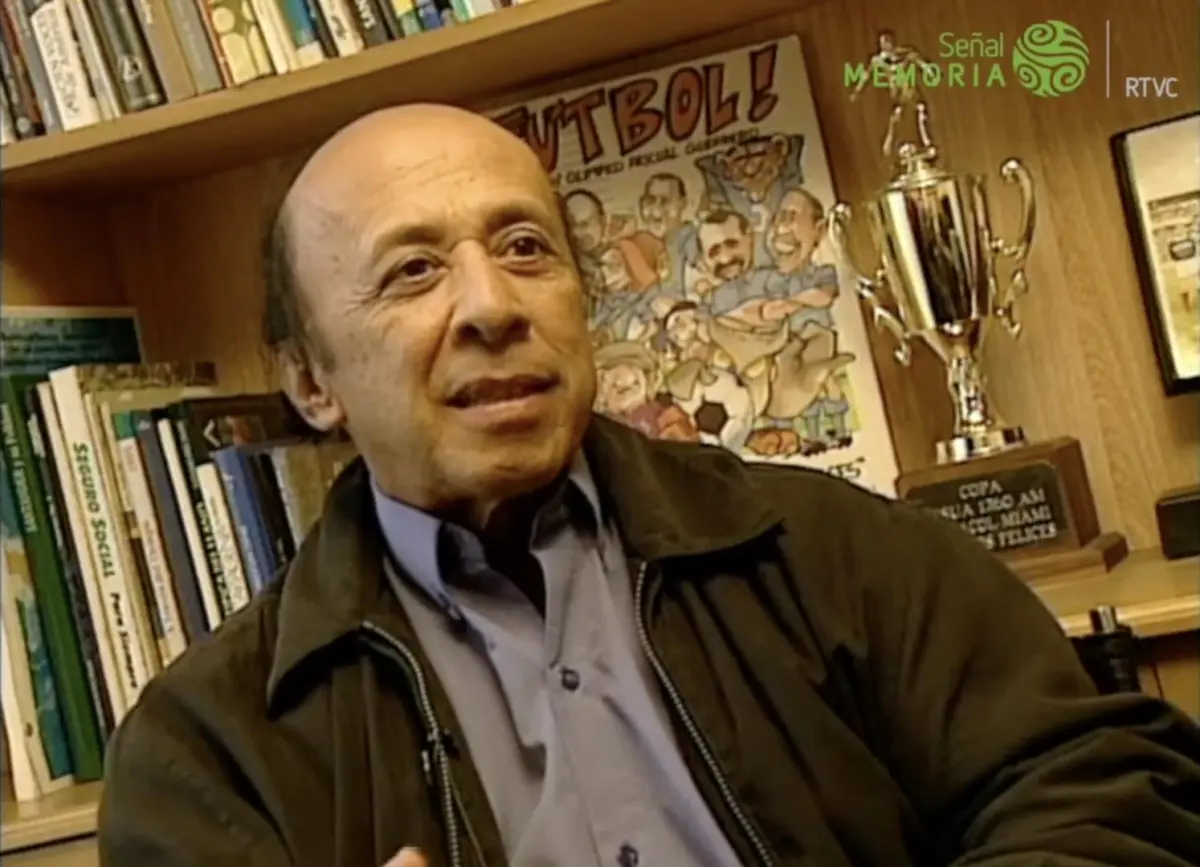
Colombia is mourning the loss of one of its most monumental broadcasting figures. Alfonso Lizarazo, the iconic television presenter, producer, philanthropist, and former Senator who revolutionized national entertainment by creating Sábados Felices, has passed away at the age of 85.
For over half a century, Lizarazo’s work shaped the cultural and media landscape of Colombia. From pioneering youth music movements in the 1960s to establishing the longest-running television comedy show in Spanish-language history, his career spanned the golden era of public broadcasting through to the modern media landscape. Beyond the screen, his extensive humanitarian efforts helped build hundreds of rural schools, solidifying his legacy as both a master entertainer and a dedicated civic leader.
Main Facts: The Passing of a Broadcasting Giant
Alfonso Lizarazo died at age 85, leaving behind an unprecedented legacy in Colombian media and public life. News of his passing triggered an outpouring of grief across the country, uniting media networks, public figures, comedians, and generations of viewers who grew up watching his signature broadcasts.
Lizarazo is best remembered as the creator, director, and host of Sábados Felices (Happy Saturdays), a weekly comedy institution that first aired in 1972. Under his leadership for more than a quarter of a century, the program became a cornerstone of weekend family entertainment, a launchpad for hundreds of comedic talents, and a cultural touchstone that provided levity during some of the most turbulent decades in modern Colombian history.
Beyond Sábados Felices, Lizarazo’s accomplishments include:
- Pioneering Public Television: Operating within the historic mixed-model system of the National Radio and Television Institute of Colombia (Inravisión), collaborating closely with Caracol Televisión.
- Media Entrepreneurship: Launching his own independent production company (programadora), Lizarazo TV, between 1981 and 1983.
- Cultural Innovations: Creating the Festival Internacional del Humor (International Humor Festival), bringing top global comedic acts to Latin American audiences.
- Philanthropy and Public Service: Spearheading the "Lleva una escuelita en tu corazón" (Carry a Little School in Your Heart) campaign, which financed the construction of approximately 200 rural schools, and serving as a Senator of the Republic from 1998 to 2002.
Chronology: The Life and Career of Alfonso Lizarazo
Early Life and Arrival in Bogotá (1940–1960)
Alfonso Lizarazo was born on December 29, 1940, in Bucaramanga, the capital of the Santander department. In 1958, at the age of 18, he moved to Bogotá with the ambition of establishing a professional career, initially without any direct intention of entering the communications industry. However, his natural charisma and voice quickly drew him toward radio broadcasting.
The ‘Estudio 15’ Era and Youth Culture (1960s)
By the mid-1960s, Lizarazo had become a influential figure in Colombian radio, particularly through Radio 15, a station that catered to the burgeoning youth culture. He became a champion of the Nueva Ola (New Wave) musical movement, fostering young rock and pop talent.
Recognizing the potential of television, he adapted this radio format into Estudio 15, a pioneering musical program that gave exposure to emerging local artists and established Lizarazo as a prominent tastemaker and producer.
       +-------------------------------------------------------+
       |   1940: Born in Bucaramanga, Colombia                 |
       |   1958: Relocates to Bogotá at age 18                     |
       |   1960s: Launches 'Estudio 15' youth radio/TV format      |
       |   1972: Creates 'Campeones de la Risa' on Inravisión     |
       |   1973: Program renamed 'Sábados Felices'                 |
       |   1981–1983: Operates independent firm 'Lizarazo TV'     |
       |   1984: Launches 'Festival Internacional del Humor'      |
       |   1990s: Launches 'Lleva una escuelita...' campaign       |
       |   1994: Abducted by illegal armed group; safely released  |
       |   1998–2002: Serves as Senator of the Republic            |
       +-------------------------------------------------------+
The Birth of ‘Sábados Felices’ (1972–1998)
In 1972, working within the public television framework administered by Inravisión and partnering with the production company Caracol Televisión, Lizarazo launched a new humor program called Campeones de la Risa (Champions of Laughter).
The format was an instant success. Shortly after its debut, the show was revamped, expanded, and renamed Sábados Felices. Lizarazo served as its main host and director for more than 25 years. During this period, he introduced recurring sketch segments, open competitions for amateur comedians, and charitable campaigns integrated into the broadcast.
In 1984, Lizarazo expanded his creative portfolio by founding the Festival Internacional del Humor, an annual televised gala that gathered world-class magicians, stand-up comedians, and variety acts in Bogotá.
Entrepreneurship with Lizarazo TV (1981–1983)
During the era of state-owned television channels leased to private production firms, Lizarazo founded and directed Lizarazo TV. Between 1981 and 1983, his company successfully bid for broadcast slots awarded by Inravisión, allowing him to produce and air original cultural and musical programming independently.
Humanitarian Initiatives, Kidnapping, and Politics (1990–2002)
In the early 1990s, Lizarazo leveraged the immense popularity of Sábados Felices to launch "Lleva una escuelita en tu corazón." Utilizing celebrity soccer matches (Los Cuentachistes vs. Estrellas de Televisión) and public fundraising, the campaign raised funds to build educational infrastructure in impoverished rural regions.
On November 13, 1994, while traveling through rural Colombia to support these charitable initiatives and organize recording sessions, Lizarazo was abducted by an illegal armed group. His kidnapping highlighted the pervasive security crisis gripping Colombia during that decade. Following widespread public outrage and humanitarian appeals, he was released unharmed.
Transitioning from entertainment to public policy, Lizarazo ran for national office in 1998 and was elected to the Senate of the Republic. He served a full four-year term until 2002, focusing heavily on legislation related to national culture, media regulation, and rural educational development.
Supporting Data: Quantifying an Unmatched Legacy
Lizarazo’s contributions to Colombian media and society can be measured through remarkable benchmarks:
Television Longevity and Impact
- 52+ Years on Air: Created in 1972, Sábados Felices remains on air today, holding the Guinness World Record as the longest-running television comedy sketch show in the world.
- Quarter-Century at the Helm: Lizarazo personally hosted and directed the program for over 25 consecutive years (1972–1998), appearing in more than 1,300 weekly episodes.
- Talent Discovery: His amateur comedy contests introduced scores of household names to Colombian pop culture, including Hugo Patiño, Jaime "El Flaco" Agudelo, Ómar Murillo, and Carlos "El Mono" Sánchez.
Key Metrics of Lizarazo's Career:
----------------------------------------------------------------------
Metric                                 Quantity / Span
----------------------------------------------------------------------
Years Hosting 'Sábados Felices'        25+ Years (1972–1998)
Rural Schools Constructed              ~200 Institutions
Guinness World Record Format           50+ Years Continuous Broadcast
Tenure in the Senate of Colombia      4 Years (1998–2002)
Independent Enterprise                 Lizarazo TV (1981–1983)
----------------------------------------------------------------------
Educational Philanthropy
- Schools Constructed: Approximately 200 primary and elementary schools were built across remote departments including Santander, Cundinamarca, Boyacá, and Tolima through the "Lleva una escuelita en tu corazón" campaign.
- Community Engagement: Tens of thousands of rural children gained access to formal school buildings through funds generated by Lizarazo’s televised benefit events.
Official Responses and Tributes
The announcement of Alfonso Lizarazo’s death prompted official statements from state institutions, media conglomerates, public figures, and former colleagues.
Media Networks and Cultural Institutions
Caracol Televisión, the network where Lizarazo produced his most celebrated work, issued a comprehensive statement honoring his legacy:
"Alfonso Lizarazo was not merely a presenter; he was an architect of Colombian popular culture. He understood the soul of the country and brought joy into millions of homes during times when Colombia needed it most. His vision created a school of humor that endures to this day."
RTVC Public Media System (formerly Inravisión) paid tribute to his pioneering work on public frequencies:
"The history of public broadcasting in Colombia cannot be written without Alfonso Lizarazo. From the early studios of Inravisión, he proved that public television infrastructure could serve as a stage for high-quality entertainment, artistic discovery, and profound social impact."
Comedians and Industry Colleagues
Comedians who worked alongside Lizarazo expressed deep personal gratitude for his guidance. Veteran performers noted that Lizarazo was meticulous about keeping the show’s humor family-friendly and relatable to everyday working-class Colombians.
Members of the Sábados Felices ensemble emphasized his dual role as a mentor and philanthropist, noting that he taught performers to view their platform not just as a tool for fame, but as a responsibility toward the less fortunate.
Broader Implications for Colombian Television and Society
Alfonso Lizarazo’s career reflects the evolution of Colombian broadcasting and leaves several lasting implications for the country’s cultural landscape.
1. Comedy as a Unifying Force in Times of National Crisis
During the 1980s and 1990s, Colombia experienced severe internal conflict, political instability, and drug-related violence. Sábados Felices served as a vital social buffer, offering a shared sense of identity and relief every Saturday evening. Lizarazo’s production philosophy proved that local humor could unite a fragmented nation across regional and socioeconomic lines.
2. The Model of Public-Private Broadcast Collaboration
Lizarazo worked through the historical programadora system, where private creators bid for broadcast space on state-owned networks managed by Inravisión. His success with programs like Estudio 15, Sábados Felices, and productions under Lizarazo TV demonstrated how independent producers could build enduring media franchises within a hybrid state-regulated system long before the privatization of Colombian television in 1998.
3. Entertainment as a Vehicle for Social Philanthropy
Lizarazo set a precedent for civic activism within Latin American entertainment. By directly linking television ratings and celebrity events to tangible infrastructure projects—such as building rural schools—he created a business model for civic philanthropy that demonstrated the power of mass media to drive social change.
Conclusion
With the passing of Alfonso Lizarazo, Colombia loses one of its most transformative media figures. As a host, producer, founder, and public servant, his work redefined the potential of national television. More than half a century after he first stepped in front of the Inravisión cameras, the formats he created remain active, the talents he discovered continue to perform, and the rural schools he built still educate young Colombians—a lasting tribute to a pioneer of Colombian entertainment.

Leave a Reply