

By Radio Nacional de Colombia (Enriched and Expanded Editorial Report)
Main Facts
The contemporary Colombian music scene continues to be a vibrant laboratory where ancestral roots and futuristic soundscapes collide. At the forefront of this sonic evolution is Maiguai, a Bogotá-based duo that has spent the last several years carving out a distinct niche for themselves. Comprising the expressive, evocative voice of Marisol Arévalo and the intricate, genre-bending guitar work of Álvaro Vargas, the project serves as a bridge between generations, geographies, and technological mediums.
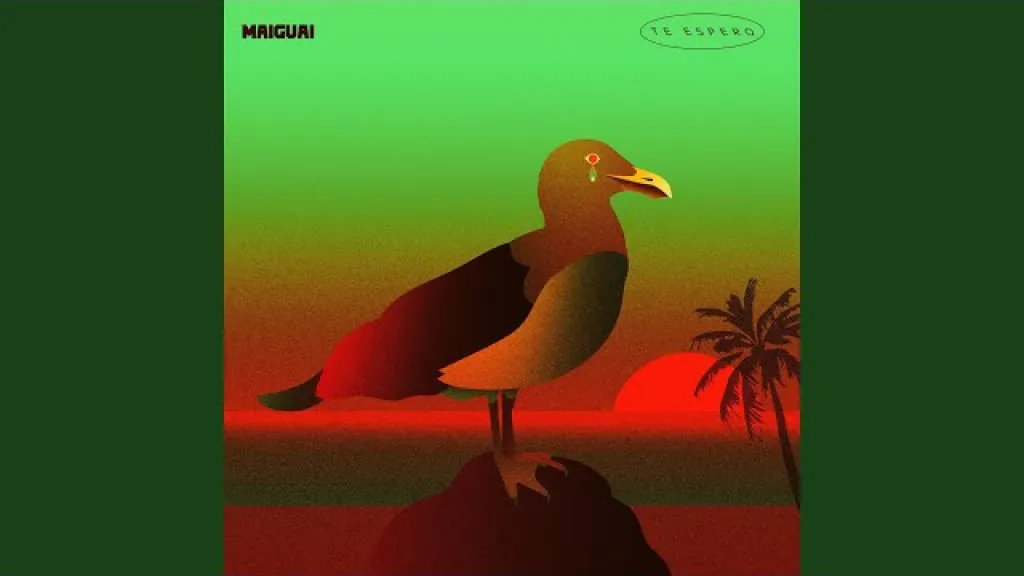
Their latest artistic statement arrives in the form of a new single titled "Te Espero" ("I Wait for You"). Sticking to their signature ethos, the track is an emotional and rhythmic exploration of long-distance longing, unrequited patience, and the universal pain of absent loves. Lyrically, the song captures a deeply human vulnerability, while its sonic architecture relies on a daring fusion: organic acoustic instrumentation sits side-by-side with cutting-edge electronic textures, pulsating cumbia beats, and traditional Latin American folkloric rhythms.
As part of a cultural initiative to democratize access to independent music and support local artistry, Radio Nacional de Colombia has partnered with the duo to feature "Te Espero" as the "Descarga de la Semana" (Download of the Week). Music enthusiasts, loyal fans, and curious listeners alike are granted a rare 24-hour window to legally and completely free-of-charge download the track directly from the official Radio Nacional website (www.radionacional.co), starting at 6:00 AM on Wednesday, June 17.
Chronology: The Evolution of Maiguai
To fully understand the weight of "Te Espero" within the band’s catalog, it is essential to trace the trajectory of Maiguai since their inception in the high-altitude, eclectic cultural hub of Colombia’s capital.
2018: The Genesis in Bogotá
Maiguai was officially born in Bogotá in 2018, conceived by Marisol Arévalo and Álvaro Vargas. Both musicians brought individual backgrounds steeped in acoustic performance and deep respect for Latin American folklore. However, rather than remaining strictly traditionalist, they shared a collective vision: to subvert the rigid boundaries of regional music. Operating out of home studios and underground rehearsal spaces in Bogotá, they began experimenting with digital audio workstations, synthesizers, and drum machines, marrying them with the warmth of the classical guitar and traditional vocal styles.
2019–2020: Finding a Footing and Early Releases
During their formative years, the duo focused on live improvisation and crafting a signature sonic identity. They released a series of early standalone singles that caught the attention of independent music curators and cultural radio stations across Colombia. By blending the cadence of Andean rhythms with coastal percussion and subtle electronic sub-bass, Maiguai established a reputation as sonic alchemists willing to take risks in a crowded alternative market.
2021–2022: Expanding Formats with EPs and First Studio Album
Transitioning from single-release cycles to more comprehensive bodies of work, Maiguai dropped their first extended plays (EPs), which allowed them to experiment with longer thematic arcs. These releases laid the groundwork for their debut full-length studio album. The album cemented their aesthetic: a seamless blend of organic folklore and nocturnal club electronics. Critics praised their ability to maintain emotional sincerity despite the heavy presence of digital production tools.
2023–Present: The Release of "Te Espero" and Ongoing Experimentation
With a matured sound, Maiguai entered the studio to work on new material, culminating in the release of "Te Espero." The track represents a refined synthesis of their earlier exploratory phases—balancing the raw melancholy of Arévalo’s vocal delivery with an impeccably produced, danceable, yet melancholic electronic backdrop.
Supporting Data: The Anatomy of Maiguai’s Sound
The cultural and musicological significance of Maiguai can be broken down through several key elements that define their production and artistic philosophy:
- Instrumentation and Production: The core of Maiguai’s music relies on the interplay between Álvaro Vargas’s acoustic/electric guitars and Marisol Arévalo’s vocals, which are frequently layered to create ethereal harmonies. Beneath these organic layers lie meticulously programmed MIDI beats, warm analog synthesizers, and heavily processed folkloric percussion samples (such as alegre and llamador drums).
- Thematic Resonance: Unlike purely club-oriented electronic music, Maiguai’s lyricism draws deeply from the storytelling traditions of Latin American folk. Themes of migration, nostalgia, geographical separation, and the ghosts of past romances ("amores ausentes") dominate their songwriting, giving their electronic beats a profound emotional grounding.
- The Colombian Alternative Boom: Maiguai operates within a broader, thriving ecosystem of contemporary Colombian artists—such as ChocQuibTown, Mitú, Bomba Estéreo, and Puerto Candelaria—who have successfully internationalized traditional rhythms by fusing them with global electronic music genres (house, techno, dub, and downtempo).
- Digital Distribution and Radio Support: Initiatives like Radio Nacional de Colombia’s "Descarga de la Semana" play a pivotal role in the discovery of independent acts. By offering 24-hour free legal downloads, platforms bypass the financial gatekeeping of modern streaming algorithms, allowing grassroots audiences direct ownership of the music.
Official Responses and Artist Perspectives
Speaking on the creative process behind "Te Espero," the members of Maiguai have consistently emphasized the importance of emotional honesty in electronic spaces.
"We don’t see electronics as a replacement for tradition, but as an amplifier," the duo shared in a recent press statement regarding their aesthetic choices. "When you sing about someone who is missing—about the physical and emotional distance of an absent love—the machinery of modern production allows us to mimic that vast, empty space. The synthesizers create the fog, while the voice and the guitar ground you in the human heart."
Cultural programmers at Radio Nacional de Colombia also highlighted the significance of platforming Maiguai’s work:
"Maiguai represents the very best of what contemporary Colombian music can achieve. They respect the roots from which they grow, yet they are unafraid to look forward. ‘Te Espero’ is a masterclass in mood, blending the sorrow of traditional folk songs with the hypnotic pulse of modern beats. We are proud to bring this track directly to homes across the country through our free 24-hour download initiative."
Implications: The Future of Latin American Electronic Folklore
The release of "Te Espero" and its promotion via state-supported public radio signals broader trends within the Latin American music industry and cultural landscape:
1. Decentralization of Regional Folklore
For decades, regional Latin American music was preserved in static, museum-like formats, often discouraged from mixing with modern commercial or electronic genres. Maiguai’s success proves that younger generations do not view tradition as fragile; rather, they see it as a living, malleable language capable of adapting to urban, digital realities. By incorporating cumbia beats and folkloric vocal techniques into electronic compositions, artists are keeping these traditions relevant to globalized youth audiences.
2. The Economics of Independent Music Distribution
In an era dominated by proprietary streaming platforms where artists often struggle to secure sustainable revenue, initiatives offering direct, free, legal downloads (such as Radio Nacional’s promotion) revive a sense of communal music ownership. It encourages listeners to actively participate in the dissemination of culture rather than acting as passive consumers of algorithmic playlists.
3. Mental Health and Nostalgia in Club Culture
"Te Espero" taps into a growing global appetite for "sad dance music"—tracks that invite the listener to move their body while simultaneously processing melancholic or introspective emotions. By addressing "amores ausentes" (absent loves) over a danceable cumbia-electronic pulse, Maiguai mirrors the psychological landscape of a modern diaspora and a hyper-connected yet isolated generation.
As "Te Espero" makes its way into the digital libraries of listeners across Colombia and beyond, Maiguai solidifies its status as a vital voice in the hemisphere’s alternative music scene—proving that looking backward into folklore and forward into electronics are not contradictory impulses, but two halves of the same artistic heartbeat.

Leave a Reply