

By Global Environmental Desk
Published: October 24, 2023
Main Facts
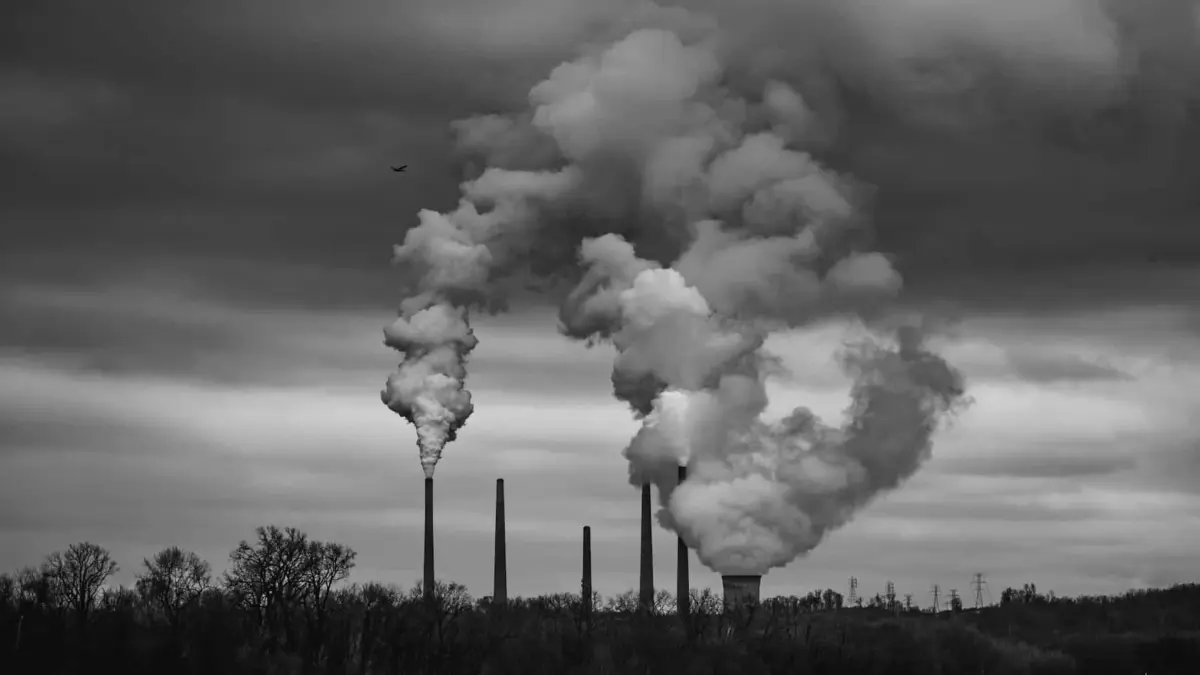
Air pollution remains one of the most pervasive, underestimated, and complex threats to modern civilization. According to comprehensive assessments by the United Nations Environment Programme (UNEP), the gravity of the air pollution crisis lies largely in its invisibility. While thick plumes of factory smoke or the apocalyptic orange haze of a raging forest fire immediately signal danger, a crystal-clear blue sky can be profoundly deceptive.
The air we draw into our lungs daily is a complex matrix of liquid droplets, solid particulate matter, and invisible gases. This pollution does not respect geographical boundaries; airborne toxins travel vast distances on prevailing winds, polluting remote rural regions just as effectively as dense urban centers.
Environmental scientists categorize these pollutants into two distinct groups:
- Primary Pollutants: Substances emitted directly from identifiable sources, such as soot from wildfires or exhaust pipes.
- Secondary Pollutants: Complex chemical compounds formed when primary pollutants react in the atmosphere, resulting in hazardous aerosols, ground-level ozone, and chemical vapors.
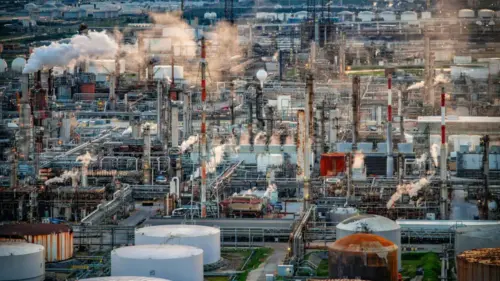
The crisis is heavily driven by both fixed sources—such as industrial manufacturing plants and domestic cooking setups—and mobile sources, primarily fossil-fuel-powered vehicles. Together, these systems release a cocktail of toxins that degrade atmospheric chemistry, damage infrastructure, and severely compromise public health on a global scale.
Chronology: How the Air Pollution Crisis Evolved
To understand how contemporary societies arrived at this atmospheric precipice, it is essential to trace the historical progression of air pollution and the growing international awareness surrounding it.
- The Industrial Revolution (Late 18th to 19th Century): The large-scale burning of coal to power steam engines and factories marked the dawn of anthropogenic air pollution. Cities like London and Pittsburgh became synonymous with thick, choking smogs ("smoke and fog") that darkened skies and caused widespread respiratory illness.
- The Mid-20th Century Environmental Awakening: Catastrophic pollution events forced governments to take notice. Most notably, the London Great Smog of December 1952 trapped toxic pollutants beneath a thermal inversion layer, resulting in thousands of premature deaths within days and shocking the public into demanding regulatory action.
- The Rise of Legislative Frameworks (1970s): Prompted by mounting scientific evidence, nations began enacting landmark environmental legislation. The United States passed the Clean Air Act of 1970, establishing national ambient air quality standards and compelling industries to monitor and restrict emissions.
- The Identification of Secondary and Super Pollutants (Late 20th Century): Scientists expanded their focus beyond basic soot and sulfur dioxide. Researchers identified complex regional phenomena, such as acid rain caused by nitrogen and sulfur emissions, as well as the critical role of short-lived climate pollutants (SLCPs) like methane and tropospheric ozone.
- The 21st Century Global Health Emergency: Modern atmospheric monitoring has revealed that air pollution is not merely an environmental aesthetic issue, but a profound global health crisis. International bodies like the World Health Organization (WHO) and UNEP have intensified warnings, linking poor air quality directly to millions of preventable deaths annually and tying emissions inextricably to the accelerating pace of global climate change.
Supporting Data and Scientific Insights
The metrics surrounding global air quality paint a grim picture of modern industrial life. Atmospheric research compiled by environmental agencies highlights several critical data points regarding the composition and impact of polluted air:
- The Global Death Toll: UNEP data reveals that poor air quality is directly responsible for approximately 6.4 million premature deaths worldwide each year.
- The Share of Global Warming: Short-lived supercontaminants—including methane, black carbon (soot), tropospheric ozone, and hydrofluorocarbons (HFCs)—are responsible for roughly 45% of current global warming. Because these substances have a shorter atmospheric lifespan than carbon dioxide, mitigating them offers a vital lever for slowing climate change in the near term.
- Monitored Criteria Pollutants: Environmental monitoring networks continuously track a specific suite of hazardous components defined by their severe health impacts:
- Particulate Matter ($PM2.5$ and $PM10$): Tiny microscopic solids or liquid droplets that bypass nasal filters to lodge deep within human respiratory pathways, lung tissue, and even enter the bloodstream.
- Nitrogen Dioxide ($NO_2$): A corrosive gas primarily produced by road traffic and industrial combustion that inflames the airways.
- Sulfur Dioxide ($SO_2$): A colorless, pungent gas largely generated by fossil fuel combustion at power plants, known for aggravating asthma and cardiovascular disease.
- Carbon Monoxide ($CO$): An odorless, toxic gas that reduces oxygen delivery in the body’s organs and tissues.
- Ground-Level Ozone ($O_3$): A powerful secondary pollutant formed when sunlight reacts with industrial emissions, triggering severe respiratory distress.
Official Responses and Institutional Warnings
International organizations and environmental ministries have increasingly elevated air pollution from a localized nuisance to an international security and health emergency.
The UN Environment Programme (PNUMA) has continuously urged global leaders to adopt a more technical, data-driven understanding of atmospheric chemistry. UNEP emphasizes that traditional mitigation strategies—such as simply moving polluting industries away from city centers—are entirely inadequate in the face of shifting wind patterns and secondary pollutant formation.
Global policy frameworks are shifting to address both long-term greenhouse gases and short-lived climate pollutants simultaneously. International bodies argue that robust environmental management policies must target:
- Stricter Industrial Regulations: Enforcing cleaner production technologies and mandating filters that capture fine particulate matter before it escapes into the atmosphere.
- Urban Mobility Transitions: Accelerating the phase-out of internal combustion engine vehicles in favor of zero-emission public transport networks and active mobility infrastructure.
- Waste Management Overhaul: Banning the open burning of municipal solid waste and agricultural residue, which releases dense clouds of toxic compounds and particulate matter directly into the lower atmosphere.
- Cross-Border Environmental Accords: Recognizing that air pollution does not stop at national borders, requiring collaborative regional agreements to monitor and curb transboundary emissions.
Implications for Public Health and the Global Economy
The intimate connection between air quality and human well-being extends far beyond occasional coughing fits or seasonal allergies. Breathing toxic air degrades the foundational health of populations, creating cascading social and economic crises.
Health Impacts
Chronic exposure to polluted air is a silent catalyst for a myriad of pathologies. Long-term inhalation of particulate matter and chemical gases damages lung tissue, reduces pulmonary function, and systematically increases the risk of chronic obstructive pulmonary disease (COPD), lung cancer, ischemic heart disease, and stroke. Vulnerable populations—including children whose lungs are still developing, the elderly, and individuals with pre-existing cardiovascular or respiratory conditions—suffer disproportionately, experiencing acute flare-ups and drastically reduced life expectancies.
Economic Consequences
The economic toll of air pollution is immense. Billions of dollars are lost annually due to:
- Healthcare Costs: Increased hospital admissions, emergency room visits, and long-term pharmacological treatments for chronic respiratory and cardiovascular illnesses.
- Lost Productivity: Absenteeism in the workforce due to illness, as well as reduced cognitive and physical performance on high-pollution days.
- Infrastructure Degradation: The corrosive chemical action of atmospheric pollutants wears down building materials, accelerates the degradation of roadways, and harms agricultural crop yields, threatening global food security.
A Call for Systemic Change
As global temperatures continue to rise, exacerbated by the very same energy systems that pump pollutants into the sky, the feedback loop between climate change and air pollution intensifies. Higher temperatures promote the chemical reactions that form ground-level ozone and dry out landscapes, fueling devastating wildfires that further degrade air quality.
Ultimately, experts warn that addressing the air pollution crisis requires a fundamental reimagining of how humanity generates energy, manages waste, and designs urban spaces. Without sweeping, legally enforced environmental policies and a rapid transition away from fossil fuels, the invisible air we breathe will remain one of the most lethal and pervasive threats to the future of global civilization.

Leave a Reply