

By Global News Desk
Published: October 10
Main Facts
When a powerful magnitude earthquake struck Pereira on August 10, the immediate aftermath was defined by a jarring acoustic transition. The vibrant soundscape of the city—traditionally characterized by live bands drifting from restaurant doors, acoustic guitars echoing through plazas, and the murmur of patrons in bustling nightlife districts—was abruptly overwritten. Sirens wailed through the corridors, heavy machinery tore through debris, and shouted commands replaced the melodies that ordinarily defined the Coffee Triangle’s cultural capital.
Beyond the physical devastation of infrastructure and the closure of key cultural venues, the disaster unleashed a severe economic and psychological shockwave across Pereira’s creative sector. Singers, instrumentalists, sound engineers, DJs, lighting technicians, and logistical personnel overnight found themselves stripped of their livelihoods.
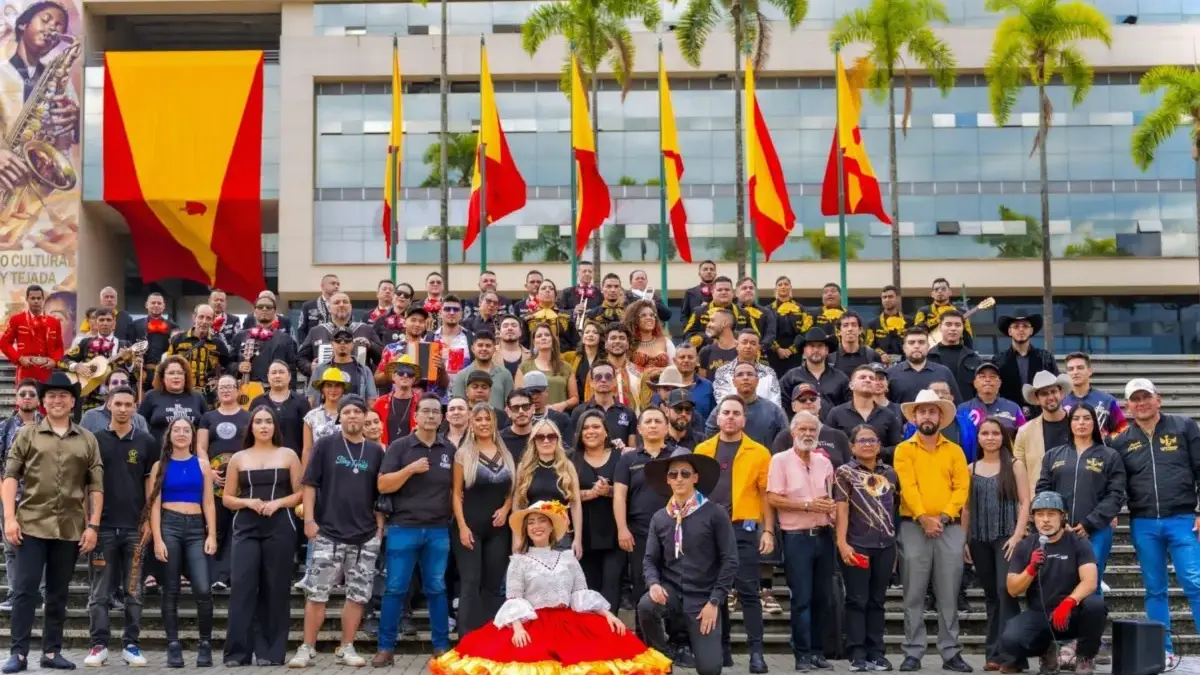
Yet, out of the rubble emerged an unprecedented grassroots movement: Pereira Resuena. Conceived by artists navigating the collective trauma of the disaster, the initiative transformed the silence of grief into a concerted campaign for cultural and economic recovery. Rather than asking what the city could provide them during a crisis, these creators asked what they could offer a fractured populace.
Far from a series of isolated charity gigs, Pereira Resuena has evolved into a structured organizational response. It addresses long-standing vulnerabilities in the creative economy—such as informality and weekly wage dependency—while building sustainable bridges between displaced artists and the commercial sector. Through census mapping, strategic alliances, and initiatives like Tarimas para Todos (Stages for Everyone), the collective is proving that the reconstruction of a city requires the revival of its soul.
Chronology of a Crisis and Cultural Awakening
Phase One: The Silence (August 10 – Late August)
In the immediate wake of the August 10 seismic event, Pereira entered a state of profound shock. The city’s cultural infrastructure sustained significant structural damage. Dozens of bars, restaurants, cafes, and grassroots live-music venues were forced to shutter indefinitely, either due to direct structural compromises or because municipal resources were funneled entirely into search, rescue, and humanitarian relief.
For the city’s creative class, the emergency triggered an existential crisis. The traditional association of music with celebration and leisure made public performance feel discordant, if not entirely insensitive, during a period of widespread mourning. Performers wrestled with the ethics of their trade: how does one sing when the community is in mourning?
Phase Two: The Harmony of Resilience (Late August – Early September)
As the initial rescue operations transitioned into damage assessment and recovery, a core group of local artists began to convene informally. Recognizing that the psychological toll on the city was as severe as the structural damage, figures like musician Juan Gufo and vocalist Aguasanta Carreyo galvanized their peers.
They concluded that music, rather than being an inappropriate distraction, was a vital tool for emotional processing. The philosophy crystallized around a powerful mantra coined by the founders: "Any of us can sound, but if we are together, Pereira Resuena."
By organizing under a unified banner, artists ceased competing for dwindling crumbs of work and instead pooled their networks, digital footprints, and institutional contacts.
Phase Three: Structural Mobilization (September – Present)
By early September, the movement transcended artistic catharsis and adopted administrative rigor. Recognizing that one-off benefit concerts would not sustain a workforce, the collective initiated a comprehensive mapping project. They partnered loosely with municipal data efforts to categorize local artists by genre, technical requirements, and financial vulnerability, creating a dynamic talent portfolio designed to pitch directly to businesses, hotels, and public institutions.
This phase saw the conceptualization of Tarimas para Todos, shifting the movement’s focus from emergency response to long-term economic reintegration.
Supporting Data: The Vulnerability of the Creative Economy
The seismic shock of August 10 did not create the vulnerabilities within Pereira’s cultural sector; rather, it threw decades-old systemic fragilities into sharp relief. Like many creative hubs across Latin America, Pereira’s artistic community has historically operated under precarious conditions.
Data compiled by the collective, alongside figures gathered by the Pereira Secretariat of Culture by early September, reveal the sheer scale of the disruption:
- Total Cultural Workforce: Official estimates place the broader cultural ecosystem of Pereira at more than 7,000 active participants, spanning visual arts, performance, technical support, and venue management.
- Directly Affected Registrants: By early September, the Secretariat of Culture’s census recorded 1,119 cultural workers who had formally reported direct impacts from the disaster.
- Economic Distress: Among those registered, between 700 and 800 individuals explicitly declared severe economic hardship resulting from lost venues and cancelled contracts.
- Musician Sub-Sector: Within the pool of those facing acute financial distress, approximately 500 were professional musicians and stage crew members.
These statistics underscore a precarious occupational reality: the vast majority of Pereira’s cultural workers rely on informal, hand-to-mouth, weekly earnings. Without performance venues, social security buffers, or formal employment contracts, the sudden shuttering of the night economy pushed hundreds of households to the brink of destitution within weeks.
Official Responses and Institutional Synergy
While Pereira Resuena was born from civil society, its long-term viability has necessitated active engagement with municipal authorities and the private sector.
The Pereira Secretariat of Culture has played a crucial baseline role through its post-disaster census, which provided the first accurate mapping of cultural asset loss following the earthquake. However, municipal resources have been heavily strained by infrastructural rebuilding—repairing roads, stabilizing residential zones, and assisting displaced families. Consequently, institutional budgets for cultural programming have faced severe redirection.
Recognizing this fiscal bottleneck, Pereira Resuena has positioned itself as an intermediary bridge between public bureaucracy and private enterprise. The collective has initiated direct dialogues with local business associations, shopping center management teams, and hospitality groups to pitch collaborative cultural calendars.
"We don’t just want a charitable handout for one day," Juan Gufo emphasizes regarding institutional and private sector relations. "We need a sustainable framework where artists are working on a rotational basis, integrating performance value into the commercial recovery of the city."
Furthermore, established veterans of the local music scene have stepped up to support emerging acts. Senior artists have integrated newcomers into their own contracted performances—a practice colloquially adopted by the collective where an established act insists, "If you hire me, I bring this emerging artist along to share the stage." This radical solidarity ensures that institutional or corporate recovery funds do not simply concentrate among a privileged few established legacy acts, but instead circulate through the entire talent pipeline.
Implications: Rebuilding Identity Through Art
The emergence of Pereira Resuena carries profound cultural, sociological, and economic implications for the Coffee Triangle region.
1. Decentralization of Artistic Competition
Historically, local music scenes function as hyper-competitive ecosystems where venues are scarce and booking agents hold disproportionate gatekeeping power. By pooling their databases, technical riders, and promotional channels, Pereira Resuena has permanently altered the local industry’s social architecture. Competitors have become collaborators, establishing a precedent of mutual aid that may outlive the immediate post-earthquake recovery phase.
2. Redefining the Role of Culture in Disaster Recovery
Traditional emergency management frameworks treat culture as a non-essential luxury to be restored only after concrete, water, and electricity are fully operational. Pereira Resuena challenges this top-down hierarchy. By arguing that music is an essential component of psychological first aid and social cohesion, the movement forces urban planners and local governments to integrate cultural workers directly into disaster recovery blueprints.
3. Institutionalizing Formalization
The crisis exposed the dangers of total informality within the arts. By cataloging hundreds of independent artists, assessing their technical needs, and creating structured portfolios, the collective is inadvertently laying the groundwork for a more formalized, professionalized creative economy in Pereira. This data collection empowers artists to negotiate collectively with corporate sponsors and municipal bodies in the future, reducing vulnerability to subsequent economic shocks.
4. A Cultural Renaissance Rooted in Empathy
As Aguasanta Carreyo eloquently notes: "We sing because we are alive, and we sing for those who cannot sing." The ultimate legacy of Pereira Resuena may well be the transformation of the city’s cultural identity. The music returning to Pereira’s streets today is not merely a replication of its pre-earthquake nightlife; it is infused with a deeper sense of community purpose, shared trauma, and hard-won resilience.
One month after the earth shook beneath their feet, the people of Pereira are discovering that rebuilding a city involves much more than pouring concrete. It requires tuning the instruments, opening the venue doors, and allowing the collective voice of a resilient community to rise once more above the silence.

Leave a Reply