

Bogotá, D.C. — Wednesday, July 15, 2026
In an expansive celebration of Colombia’s multifaceted cultural identity, Radio Nacional de Colombia has unveiled its highly anticipated weekly musical premiere. Bridging the gap between traditional heritage and contemporary innovation, the latest curation maps a sonic journey across the nation’s diverse landscapes. From the Andean peaks of Bogotá and the southern artisan warmth of Pasto, to the Caribbean azure of the San Andrés archipelago, this week’s selection highlights the richness of Colombian artistry.
At the forefront of this week’s rotation are visionary collaborations and boundary-pushing independent acts: accordionist Gregorio Uribe alongside singer-songwriter Lucio Feuillet; the soulful Caribbean dancehall and afrobeats exponent Obie P; and the quirky, neo-tropical psychedelic powerhouse Los Cotopla Boyz. Each release tells a distinct story of survival, heritage, daily life, and emotional vulnerability, reinforcing Radio Nacional’s commitment to championing both established innovators and emerging grassroots talent.
Main Facts: The Soundscape of the Week
The core of this week’s programming revolves around three major releases that encapsulate the dynamic nature of contemporary Colombian music:
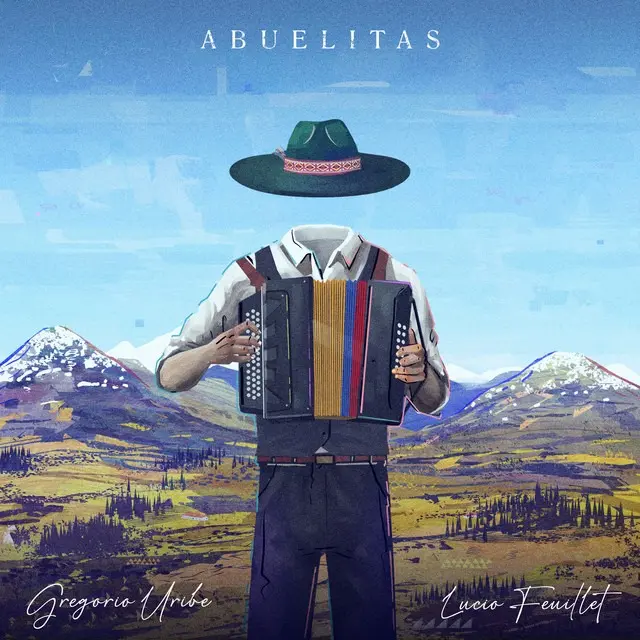
- “Abuelitas” – Gregorio Uribe featuring Lucio Feuillet: A sweeping cross-regional collaboration that serves as the lead single for accordionist Gregorio Uribe’s upcoming album. The track pairs the crisp, contemporary styling of Bogotá-based accordion work with the expressive vocal depth of Nariño native Lucio Feuillet. Inspired by the South American huayno, the song is an ode to biological grandmothers and ancestral female knowledge keepers.
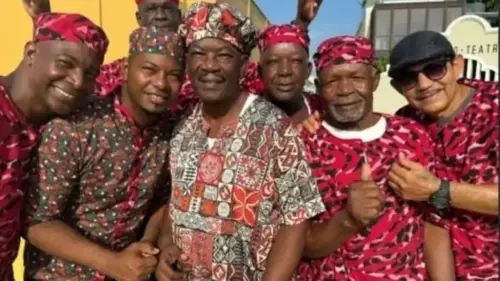
- “Him When Dee Dee” – Obie P: Hailing from the insular Caribbean department of San Andrés, urban artist Obie P pivots toward a deeply reflective space. Known for his long-standing dedication to dancehall and contemporary afrobeats, his latest release is an emotional testament born from a personal family crisis—the harrowing near-loss of his son—translating trauma into an anthem of faith, prayer, and endurance.
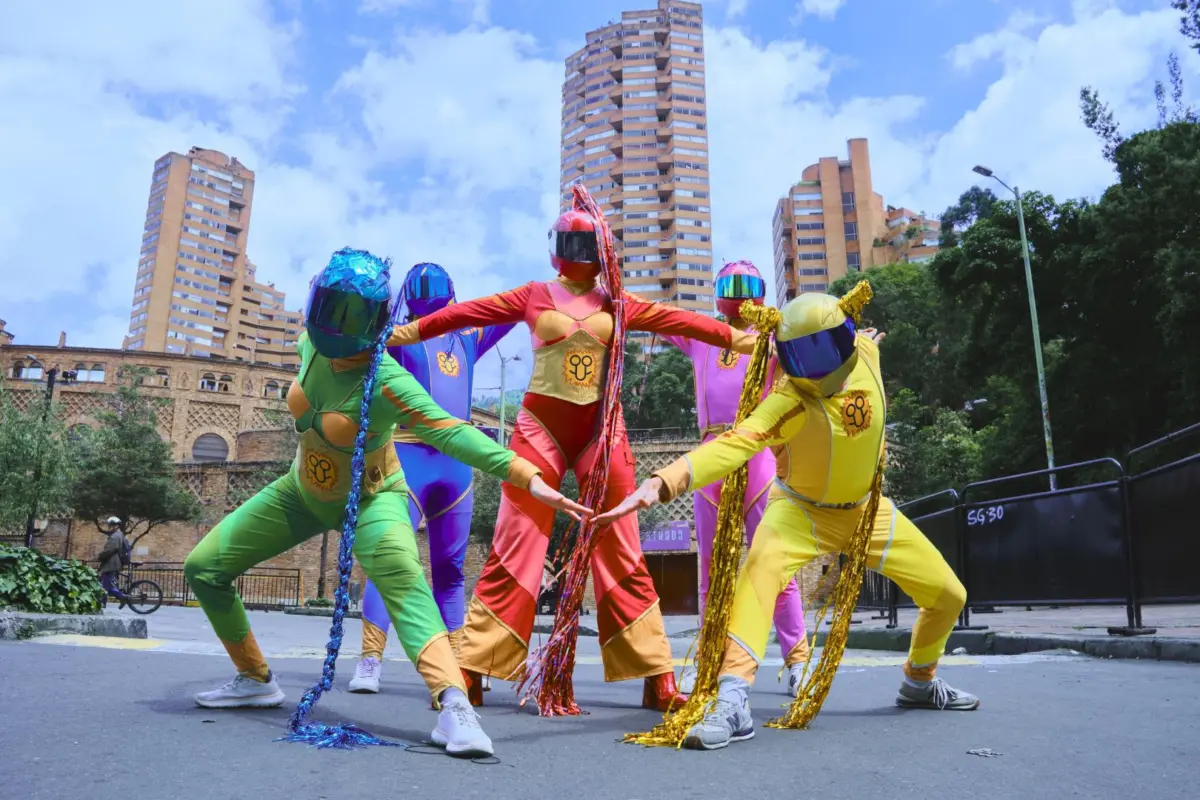
- “Bolegancho” – Los Cotopla Boyz: Representing the vanguard of the "nueva tropicanibal" and Bogotá’s alternative tropicalia since 2018, this academically trained ensemble blends psychedelic cumbia with high-energy performance art. Their track “Bolegancho,” an ode to a traditional artisanal liquor from Norte de Santander, breaks into the official station rotation after proving its mettle on Demo Estéreo, Radio Nacional’s flagship platform for emerging artists.
Chronology: The Evolution of Colombia’s Contemporary Sonic Wave
To understand the weight of this week’s premieres, one must examine the timeline of how these distinct musical movements converged within Colombia’s cultural ecosystem over the past decade.
2018–2022: The Roots of Neo-Tropicalia and Regional Exploration
- 2018: In the cultural hubs of Bogotá, a generation of conservatory-trained musicians began looking beyond traditional European classical structures, seeking to reinvent the tropical dance music of the mid-20th century. Among them, Los Cotopla Boyz emerged, adopting theatrical, high-energy stage personas that merged the chaotic charm of superhero tropes with deep-dive ethnomusicological studies of cumbia and porro.
- 2022: Los Cotopla Boyz solidified their underground reputation with the release of their debut studio album, Mamarrón vol. 1, notably pressed in a physical vinyl format—a nod to vintage sound preservation in a digital era. Concurrently, artists like Gregorio Uribe—who spent years bridging Colombian rhythms with big-band jazz in the international circuit—began mapping out comprehensive blueprints to unite disparate national regions through the accordion.
2023–2025: Insular Resilience and Cross-Border Collaborations
- 2023: In San Andrés and Providencia, artists within the raizal and urban scenes continued to navigate the post-hurricane recovery of the archipelago. Obie P, a stalwart of Caribbean dancehall, began experimenting more deeply with global afrobeats rhythms, utilizing the syncopated percussion of West Africa to mirror the migratory and cultural roots of the Colombian Caribbean.
- 2024: Lucio Feuillet expanded his footprint across the Colombian Andes and southern borders. His distinct brand of Pastuso singer-songwriter introspection gained traction among intellectual and popular circles alike, proving that Andean folk forms could converse fluidly with modern pop structures.
- 2025: Gregorio Uribe formalized his ambitious recording project: an album where every track features a regional guest artist accompanied solely by his solo accordion. This minimalist yet conceptually heavy framework sought to tear down historical regional silos separating the Andes, the Caribbean, the Llanos (plains), and the Pacific.
Mid-2026: The Convergence on National Airwaves
- June 2026: Los Cotopla Boyz drop their sophomore full-length production, Guau, no joda, featuring the comedic yet culturally rich track “Bolegancho.” The song is submitted to Demo Estéreo.
- July 15, 2026: Radio Nacional de Colombia officially integrates these diverse sonic threads into its national programming block, validating the grassroots efforts of independent creators and cementing the radio’s role as a democratic cultural bridge.
Supporting Data & Artistic Context
The geographical and stylistic breadth of this week’s premieres highlights a broader phenomenon within Latin American music production: the decentralization of cultural powerhouses. While Bogotá and Medellín remain major commercial hubs, regions like Nariño, Norte de Santander, and San Andrés are increasingly driving stylistic innovation.
| Artist / Project | Region of Origin | Primary Genre / Style | Key Inspiration / Theme | Associated Release / Album |
|---|---|---|---|---|
| Gregorio Uribe & Lucio Feuillet | Bogotá / Pasto (Nariño) | Contemporary Andean-Caribbean Fusion / Huayno | Ancestral wisdom, matriarchy, regional bridge-building | Upcoming multi-guest accordion project (“Abuelitas”) |
| Obie P | San Andrés y Providencia | Urban / Dancehall / Afrobeats | Faith, emotional survival, paternal love | Single: “Him When Dee Dee” |
| Los Cotopla Boyz | Bogotá (with Caribbean/Andean influences) | Nueva Tropicalia / Psychedelic Cumbia | Mundane urban adventures, artisanal Norte de Santander liquor | Album: Guau, no joda (“Bolegancho”) |
The Accordion as a National Thread
Gregorio Uribe’s approach to the accordion challenges the instrument’s traditional confines. While widely stereotyped in global markets purely as the engine of vallenato music from the Caribbean lowlands, Uribe deploys the instrument as a nomadic voice capable of navigating the pentatonic scales of the Andean huayno, the syncopations of the Pacific, and the rhythmic expansiveness of the Llanos. By pairing his Bogotá-born instrumentation with Lucio Feuillet’s Nariñense vocals, the track bridges the hyper-urban center of the country with its mountainous southern frontier.
The Insular Caribbean Narrative
Obie P’s transition into afrobeats reflects a wider trans-oceanic dialogue. The music of San Andrés has historically maintained closer linguistic and cultural ties with Jamaica, Nicaragua, and the broader Anglo-Caribbean than with the Andean interior of mainland Colombia. By infusing dancehall with afrobeats, Obie P taps into global Black diasporic currents while anchoring his lyrical content in raw, localized human vulnerability—moving away from bravado toward spiritual surrender following a near-tragedy with his child.
Academic Rigor Meets Popular Tradition
Los Cotopla Boyz represent an ongoing academic experiment in Colombian tropical music. Composed largely of musicians trained in formal conservatory environments, the band deliberately subverts academic elitism by dressing in frenetic, pop-culture-inspired gear and singing about prosaic, everyday experiences. Their celebration of "Bolegancho"—an artisanal beverage from the northern border department of Norte de Santander—bridges folkloric regional consumption with modern alternative rock-club aesthetics.
Official Statements and Curatorial Perspectives
Cultural programmers and the artists themselves have emphasized the unifying mission behind this week’s rotation.
Speaking on the conceptual framework of his upcoming album, Gregorio Uribe noted:
"This is not just about bringing different musicians together in a studio; it is about mapping a country that often forgets how to listen to itself. By stripping the arrangements down to my solo accordion and the specific voice of a regional master like Lucio, we are building a contemporary dialogue that unites the Andes, the Caribbean, the Llanos, and the Pacific without losing the individual soul of each territory."
Reflecting on the deeply personal nature of his latest afrobeats release, Obie P shared:
"Music has always been my outlet, but ‘Him When Dee Dee’ required me to strip away all the layers of the performer. When you walk through the shadow of almost losing your child, your relationship with the divine changes. This song is an open invitation for anyone walking through a dark valley to hold onto hope, to pray, and to wait for the light."
Cultural analysts from Radio Nacional de Colombia highlighted the importance of platforms like Demo Estéreo in sustaining the pipeline between underground experimentation and national broadcasting:
"Our mission is to reflect the true acoustic geography of Colombia. When an independent act like Los Cotopla Boyz transitions from our digital emerging-artist spaces into the core national rotation with a song about regional artisanal traditions, it proves that contemporary youth are finding profound value in our roots. We are witnessing a golden era where academic training and street-level folklore feed each other seamlessly."
Implications for the Colombian Music Industry
The convergence of these distinct projects on a national platform carries significant implications for the future of Colombia’s cultural economy and artistic identity.
- Decentralization of Production: As artists from Nariño, San Andrés, and Norte de Santander gain equal footing alongside Bogotá-based creators, the historic hegemony of central media markets is steadily eroding. Regional identities are no longer treated as exotic novelties for occasional export, but as foundational pillars of contemporary national pop culture.
- The Rise of Conceptual Collaborations: Gregorio Uribe’s model of regional guest curation signals a shift toward highly collaborative, conceptual album production. Rather than relying on standard commercial featuring models designed purely for streaming algorithms, artists are engaging in cross-regional musicology that fosters genuine cultural exchange.
- Validation of Independent and Alternative Digital Pipelines: The success of Los Cotopla Boyz—moving from independent vinyl releases and web-based talent incubators (Demo Estéreo) to official state radio rotation—demonstrates that institutional public media remains a vital safety net and growth engine for alternative artists who operate outside major multinational label structures.
- Emotional Vulnerability in Urban Genres: Obie P’s pivot toward spiritual introspection within dancehall and afrobeats signals a broader maturation within Colombia’s urban music scene. Artists are increasingly breaking away from rigid genre tropes of invulnerability, utilizing global rhythmic frameworks to process deep-seated personal and familial trauma.
As Radio Nacional de Colombia continues its weekly curation, listeners across the country are reminded that Colombia’s greatest cultural asset is not a single unified sound, but a perpetually shifting, resilient mosaic of regional voices in constant conversation with the world.

Leave a Reply