

Colombia is rapidly consolidating its position as one of the world’s premier destinations for nature, biodiversity, and cultural heritage. Boasting a unique geographical position that bridges the Andes, the Amazon, the Pacific, and the Caribbean, the country offers an unparalleled variety of ecosystems. This immense natural wealth has driven a major surge in travel interest, particularly during key domestic holiday windows such as the October school recess (semana de receso).
However, this growing interest presents a dual challenge: capitalizing on the economic benefits of tourism while rapidly adopting sustainable practices to minimize carbon footprints, protect delicate ecosystems, and support local communities.
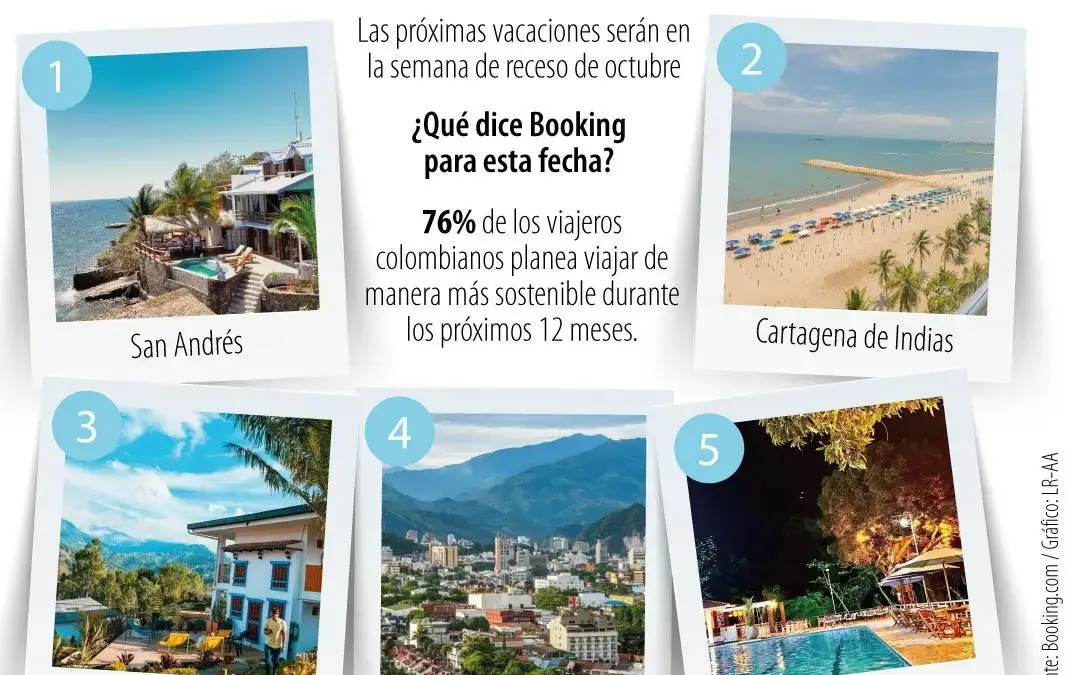
According to the latest consumer search insights from travel platform Booking.com, five Colombian destinations—San Andrés, Cartagena de Indias, Neiva, Villavicencio, and Salento—have registered the highest growth in travel searches compared to the same period in 2025. This surge in interest is accompanied by a profound shift in traveler consciousness. The platform’s Travel & Sustainability Report reveals that 76% of Colombian travelers plan to travel more sustainably over the coming year, signaling a market-driven demand for eco-conscious tourism infrastructure.
Chronology: The Evolution of Colombia’s October Travel Window
The October school recess, established by the Colombian government to boost domestic tourism during a historically slow period of the year, has evolved from a simple family holiday week into a critical barometer for the national tourism industry. Over the past decade, the dynamics of this travel window have shifted significantly:
- The Early Years (Pre-2015): The recess week was dominated by traditional "sun-and-beach" destinations, primarily Cartagena, Santa Marta, and San Andrés. Travel planning was largely traditional, with a heavy reliance on physical travel agencies and standardized all-inclusive packages.
- The Eco-Tourism Pivot (2016–2021): Following the 2016 peace agreement, previously inaccessible regions of Colombia opened up to domestic and international travelers. Destinations in the Coffee Axis (Eje Cafetero), Huila, and the Eastern Plains (Llanos Orientales) began to see steady growth. Travelers increasingly sought out nature-based, adventure, and cultural heritage experiences.
- The Post-Pandemic Conscious Travel Era (2022–Present): The pandemic accelerated a global shift toward open-air, nature-rich, and less-crowded destinations. By late 2025 and heading into 2026, this trend crystallized into a structured demand for sustainability. Travelers are no longer just seeking nature; they are actively searching for destinations, accommodations, and tour operators that demonstrate a measurable commitment to conservation and community equity.
Supporting Data: Analysis of Colombia’s High-Growth Destinations
The rising search volumes for the upcoming October recess highlight a diverse mix of coastal, cultural, and ecological destinations. Below is a detailed analysis of the five destinations leading the growth charts, including their environmental significance and key sustainable experiences.
                  OCTOBER RECESS SEARCH GROWTH & HIGHLIGHTS
┌─────────────────┬─────────────────┬──────────────────────────────────────────┐
│ Destination     │ Key Data Point  │ Primary Ecological/Cultural Distinction   │
├─────────────────┼─────────────────┼──────────────────────────────────────────┤
│ San Andrés      │ +62.3% Searches │ Seaflower Biosphere Reserve (UNESCO)     │
│ Cartagena       │ Most Searched   │ UNESCO Heritage Site / Corales del Rosario│
│ Salento         │ High Growth     │ Coffee Cultural Landscape (UNESCO)       │
│ Villavicencio   │ High Growth     │ Gateway to Llanos & Caño Cristales       │
│ Neiva           │ High Growth     │ Gateway to San Agustín (UNESCO)          │
└─────────────────┴─────────────────┴──────────────────────────────────────────┘
1. San Andrés: Protecting the Seaflower Biosphere
With a remarkable 62.3% increase in search volume, the island of San Andrés stands out as the fastest-growing destination on the list. It is also the only destination featured that holds an international biosphere designation.
San Andrés possesses one of the most extensive coral reef barrier systems in the Americas. It is a cornerstone of the Seaflower Biosphere Reserve, designated by UNESCO’s Man and the Biosphere (MAB) program in 2000. This reserve covers approximately 300,000 square kilometers of the Caribbean Sea, protecting marine biodiversity that is vital to the ecological balance of the entire region.
Experiences and Activities:
- Responsible Snorkeling and Diving: Visitors can explore the coral reefs under the strict supervision of certified eco-friendly dive centers that emphasize reef preservation, marine life protection, and the prohibition of single-use plastics.
- Cultural Immersion with the Raizal Community: Engaging with the native Raizal population through sustainable tourism initiatives helps preserve the island’s unique Creole language, traditional architecture, and local culinary heritage.
- Low-Impact Island Exploration: Utilizing electric golf carts or bicycles to traverse the island reduces carbon emissions and minimizes the environmental footprint on the island’s delicate freshwater aquifers.
2. Cartagena de Indias: Heritage and Marine Conservation
Cartagena de Indias remains the most searched Colombian destination overall on Booking.com. Known worldwide for its colonial charm, the city’s historic walled center and fortress have been recognized as a UNESCO World Heritage Site since 1984.
Beyond its historical allure, Cartagena serves as the primary maritime gateway to the Corales del Rosario and San Bernardo National Natural Park. This marine protected area preserves critical coral reefs, extensive mangrove forests, and seagrass meadows that shelter hundreds of marine species.
Experiences and Activities:
- Eco-Tours of the Mangroves in La Boquilla: Local fishermen lead canoe tours through the mangrove tunnels of the Ciénaga de Juan Polo, educating travelers on the vital role mangroves play in coastal defense and carbon sequestration.
- Sustainable Gastronomy Tours: Tourists can patronize restaurants that participate in "ocean-to-table" programs, ensuring that seafood is sourced sustainably from local, small-scale fishers using non-destructive methods.
- Heritage Walking Tours: Guided historical tours focus on the preservation of Afro-Colombian history, local crafts, and the architectural conservation of the walled city.
3. Salento: The Heart of the Coffee Cultural Landscape
Nestled in the department of Quindío within the Coffee Axis (Eje Cafetero), Salento is registered under UNESCO’s World Heritage list as part of the Coffee Cultural Landscape (designated in 2011). This is one of the few places globally where a productive, living agricultural landscape is protected as a heritage site.
Salento’s enduring popularity stems from its colorful architecture, traditional coffee culture, and its role as the gateway to the stunning Cocora Valley, home to the endangered Quindío wax palm (Ceroxylon quindiuense), Colombia’s national tree.
Experiences and Activities:
- Sustainable Coffee Farm Experiences: Travelers can visit organic coffee plantations (fincas) to learn about agroforestry, shade-grown coffee techniques, and fair-trade practices that support local farming families.
- Trekking in the Cocora Valley: Hikers can explore designated trails designed to minimize soil erosion and protect the native wax palms, with opportunities to participate in native tree replanting initiatives.
- Birdwatching: Salento and its surrounding cloud forests are premier birdwatching locations, offering glimpses of rare species like the Yellow-eared Parrot, supported by local conservation guides.
4. Villavicencio: Gateway to the Plains and Biodiversity
Known as the "Gateway to the Eastern Plains" (Llanos Orientales), Villavicencio offers travelers an entry point into a vast landscape defined by unique cultural traditions and rich biodiversity.
The surrounding department of Meta is home to ecological treasures like Caño Cristales (the "River of Five Colors"), located in the Sierra de la Macarena National Natural Park. Access to this fragile ecosystem is highly regulated, requiring travelers to work with licensed guides to prevent damage to the aquatic plants (Macarenia clavigera) that give the river its vibrant hues.
Experiences and Activities:
- Conservation at Bioparque Los Ocarros: This specialized park is dedicated exclusively to the conservation, rehabilitation, and study of the native fauna of the Orinoquia region, offering educational exhibits on spectacled caimans, anacondas, and giant otters.
- Llanero Cultural Immersion: Travelers can visit traditional ranches (hatos) that practice sustainable cattle ranching alongside wildlife conservation, experiencing the music, food, and cowboy traditions of the plains.
- Eco-Trekking and Wildlife Spotting: Guided excursions into the foothills of the Andes offer opportunities to spot diverse bird species, monkeys, and unique flora while supporting local conservation communities.
5. Neiva: Archaeology and Starry Skies
Neiva, the capital of the Huila department, serves as the starting point for travelers journeying to two of Colombia’s most extraordinary landscapes: the Tatacoa Desert and the San Agustín Archaeological Park (a UNESCO World Heritage Site since 1995).
San Agustín features the largest collection of religious monuments and megalithic sculptures in South America, created by a mysterious pre-Columbian culture that flourished between the 1st and 8th centuries. Meanwhile, the Tatacoa Desert is a renowned center for paleontology and astronomical observation.
Experiences and Activities:
- Astrotourism in the Tatacoa Desert: The Tatacoa Desert is a certified Starlight Destination, free from significant light pollution. Travelers can visit local observatories for guided stargazing sessions led by resident astronomers.
- Archaeological Tours in San Agustín: Certified local guides lead low-impact walking tours through the archaeological park, ensuring the preservation of the ancient volcanic stone statues and burial mounds.
- Cultural and Craft Workshops in Pitalito: Visitors can engage with local artisans who create traditional Chiva clay buses and other handicrafts, helping to keep ancestral artistic techniques alive.
Official Responses and Strategic Recommendations
In response to these shifting travel patterns and the growing demand for sustainable tourism, industry leaders and government agencies have issued a series of guidelines and strategic recommendations.
Booking.com Recommendations for the October Recess
To align traveler behavior with environmental conservation, Booking.com has outlined several key practices for those traveling during the school holiday:
- Choose Certified Accommodations: Travelers are encouraged to filter their searches for accommodations that have earned recognized sustainability certifications, indicating water-saving measures, waste reduction, and renewable energy use.
- Support Local Economies Directly: By hiring local guides, buying crafts directly from artisans, and eating at independent regional restaurants, tourists ensure that their economic impact directly benefits host communities.
- Minimize Plastic Waste: Especially in island destinations like San Andrés, travelers should carry reusable water bottles, avoid single-use plastics, and ensure all waste is disposed of or recycled correctly.
Government and Institutional Frameworks
The Colombian Ministry of Commerce, Industry, and Tourism (MinCIT) has continuously promoted its Sustainable Tourism Policy, which aligns with the country’s broader climate goals. This policy aims to position Colombia as a world-class destination for sustainable tourism by:
- Implementing carrying-capacity limits on highly sensitive ecological sites, such as Caño Cristales and the Cocora Valley, to prevent degradation from overtourism.
- Providing tax incentives and training programs for tourism businesses that adopt green technologies, reduce greenhouse gas emissions, and implement circular economy principles.
- Fostering community-based tourism networks that empower rural, Afro-descendant, and indigenous communities to manage their own tourism assets.
Implications: Balancing Economic Growth and Ecological Integrity
The surge in search interest for Colombia’s diverse destinations highlights several critical implications for the country’s future development:
Environmental Implications
The concentration of tourist interest in ecologically sensitive areas like San Andrés and the Coffee Axis places immense pressure on local infrastructure.
- Water Scarcity: Islands like San Andrés suffer from severe freshwater limitations. A sudden influx of tourists during peak seasons can strain desalination plants and deplete underground aquifers.
- Waste Management: Many secondary and tertiary destinations lack the waste-processing infrastructure required to handle high volumes of municipal solid waste, making waste reduction at the source essential.
- Habitat Fragmentation: Unregulated trail development and high visitor density in areas like the Cocora Valley can disrupt local wildlife corridors and accelerate soil erosion.
Economic Implications
On the economic front, the diversification of tourist destinations beyond the traditional urban hubs of Bogotá and Medellín is a highly positive trend.
- Regional Development: Increased search volumes for Neiva and Villavicencio indicate that tourism revenue is being distributed to regions that historically relied on agriculture or resource extraction.
- Job Creation: Sustainable tourism is labor-intensive, creating direct and indirect employment opportunities in hospitality, guiding, transport, and artisanal crafts.
Infrastructural Implications
To support this growing demand without compromising environmental integrity, significant investments in green infrastructure are required:
- Renewable Energy Integration: Hotels and resorts must transition to solar and other renewable energy sources, particularly in off-grid or ecologically sensitive regions.
- Sustainable Transportation: Developing low-carbon transport networks, including electric vehicle charging stations, shuttle buses, and improved bicycle infrastructure, is crucial to reducing the carbon footprint associated with domestic travel.
- Smart Tourism Technology: Utilizing digital reservation and ticketing systems can help local authorities monitor visitor numbers in real time, preventing overcrowding and ensuring a high-quality experience for tourists and residents alike.




Leave a Reply