


Main Facts
The pursuit of fat loss is a universal human endeavor, often likened to the elusive chase for happiness—we know we want it, but the roadmap to achieving it remains hazy for many. As we age, the physiological landscape of the human body shifts dramatically. Metabolic rates fluctuate, cellular regeneration slows, and the body’s capacity to recover from physical stress diminishes significantly.
For decades, conventional wisdom prescribed low-intensity steady-state cardio—such as walking, swimming, or cycling—coupled with general caloric restriction as the ultimate prescription for weight management, particularly for older adults. However, recent insights from exercise science and geriatric physiology flip this narrative on its head.
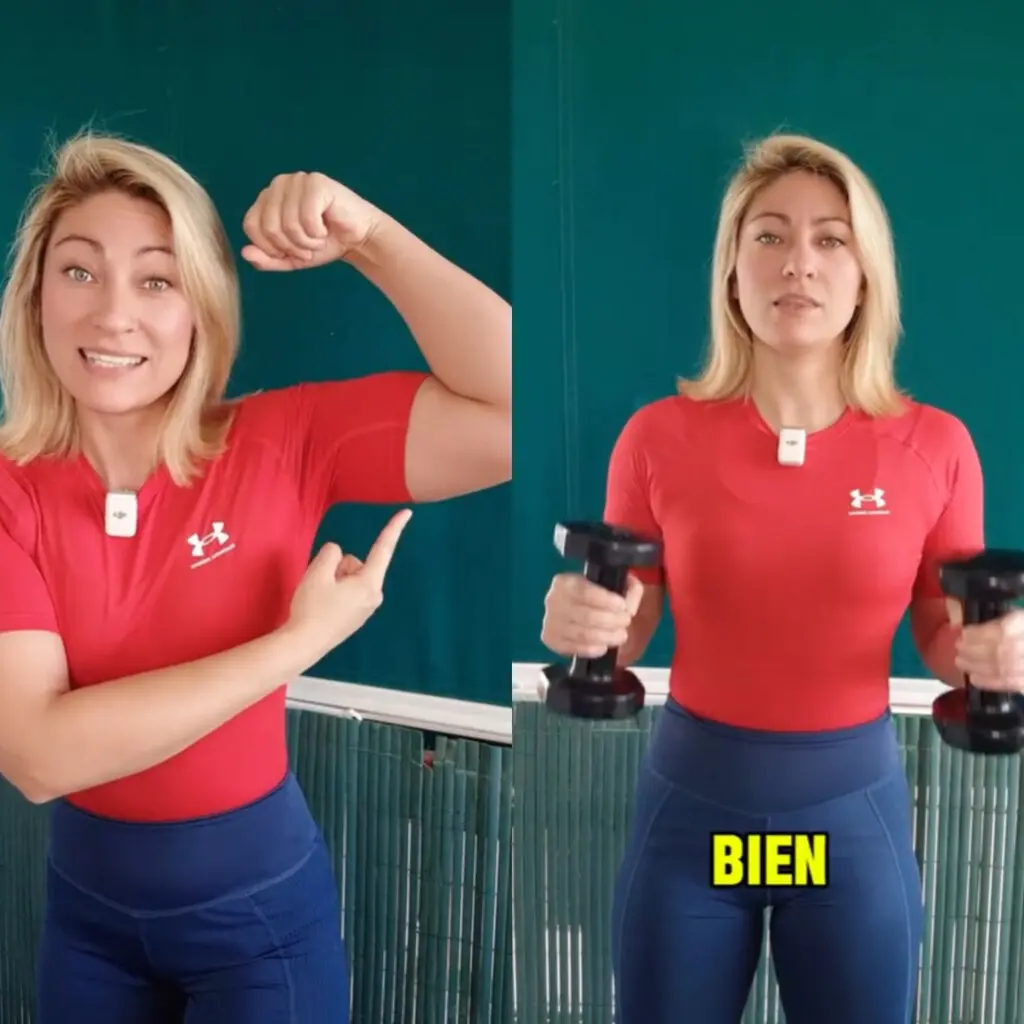
The core takeaway for individuals over 60 looking to optimize their body composition is stark and unequivocal: prioritize high protein intake and make resistance training the foundation of your fitness regimen.
While traditional cardio has its place in overall cardiovascular health, relying on it as the primary tool for weight loss past the age of 60 often leads to a dangerous pitfall: the rapid depletion of lean muscle mass. Losing weight on a scale is fundamentally different from losing body fat. When older adults restrict calories and engage exclusively in aerobic exercise, they frequently degrade their musculature. Because the aging body struggles intensely to recover and rebuild lost tissue compared to a body at age 25, sacrificing muscle mass during a poorly managed weight-loss phase can create a downward spiral of frailty, metabolic slowdown, and severely compromised functional independence.
Chronology
To understand why current fitness paradigms for older adults require a radical overhaul, it is helpful to look at how physical aging, muscle preservation, and nutritional science have evolved over time.

- Youth and Early Adulthood (Ages 20–39): During the first few decades of life, the human body enjoys robust anabolic signaling, high baseline hormone levels (such as testosterone and growth hormone), and rapid cellular recovery. A poor diet or a lack of structured exercise can still result in temporary weight fluctuations, but the physiological penalty for muscle loss is relatively forgiving and easy to reverse.
- Middle Age and the Onset of Sarcopenia (Ages 40–59): Natural muscle degradation—known clinically as sarcopenia—begins subtly around the fourth decade of life. Without intentional intervention, adults lose approximately 3% to 8% of their muscle mass per decade after age 30. Recovery times from injuries start to lengthen, and traditional diets begin to yield diminishing returns.
- The Critical Threshold (Age 60 and Beyond): Post-60, the rate of muscle, strength, and power loss transitions from a linear decline into an exponential curve. Cellular aging means that minor injuries or periods of enforced rest (such as a few weeks of immobilization) can cause permanent functional deficits. Historically, the medical community responded to this life stage by advising gentle, low-impact aerobic activities like walking. While well-intentioned to protect joints, this advice inadvertently accelerated muscle wasting when paired with age-related dietary habits, leaving millions of older adults weaker, more fragile, and less metabolically resilient.
- The Modern Paradigm Shift (Present Day): Contemporary sports science and longevity research have successfully decoupled chronological age from physical capacity. Landmark studies on octogenarians demonstrate that high-intensity resistance training and targeted protein supplementation can build muscle and restore functional performance even in the eighth and ninth decades of life. The modern approach redefines exercise for seniors: strength training is no longer an optional accessory; it is the core medical and physical prescription for healthy aging.
Supporting Data
The biological imperatives driving the need for protein and resistance training after 60 are supported by extensive physiological data:
- The Sarcopenic Curve: Research indicates that the loss of muscle mass accelerates sharply after the sixth decade of life. Left unchecked, this process undermines basal metabolic rate (BMR), as muscle tissue is metabolically active and burns more calories at rest than adipose (fat) tissue.
- Protein Anabolic Resistance: Aging cells experience a phenomenon known as "anabolic resistance," meaning they become less efficient at processing and utilizing amino acids to build muscle protein synthesis. Consequently, older adults require a higher relative protein intake than younger demographics to stimulate the same anabolic response. Science suggests a baseline target of approximately 1.5 grams of protein per kilogram of body weight per day during fat loss phases to adequately shield muscle tissue.
- The Satiety Factor: Clinical trials consistently demonstrate that protein triggers the release of satiety hormones (such as peptide YY and GLP-1) while suppressing ghrelin, the hunger hormone. Distributing protein intake across meals—targeting roughly 30 grams or more per meal—not only protects lean mass but naturally curtails caloric intake by controlling appetite.
- Resistance vs. Aerobic Efficacy: Comparative studies on body recomposition show that individuals who engage in progressive resistance training while maintaining a high-protein diet retain up to 100% of their muscle mass during a caloric deficit, ensuring that the weight lost comes almost exclusively from fat stores. Conversely, aerobic-only routines frequently result in a 30% to 50% loss of total weight coming from lean tissue.
Official Responses and Expert Consensus
Gerontologists, sports medicine physicians, and metabolic researchers are increasingly unified in their condemnation of outdated physical activity guidelines for the elderly.
For decades, institutional health recommendations defaulted to low-intensity walking or swimming for seniors, primarily out of fear of joint injury or acute cardiovascular events. However, leading voices in exercise physiology argue that these fears are largely unfounded when exercise is properly programmed.
"Treating older adults as fragile beings who should only walk on a flat track is a recipe for accelerated physical decline," notes a prominent review in geriatric wellness. Clinical consensus now dictates that progressive overload—the gradual increase of stress placed upon the musculoskeletal system during resistance training—is safe, vital, and necessary for individuals well into their 80s and 90s.
Nutritionists and dietitians also emphasize that dietary guidelines for older populations have historically underestimated protein requirements. Standard Recommended Daily Allowances (RDAs) for protein were often calculated to prevent deficiency rather than to optimize body composition, metabolic health, or functional longevity. Modern clinical nutrition guidelines actively advocate for elevating protein thresholds in older demographics to combat sarcopenia and support active metabolic aging.

Implications
The paradigm shift toward heavy protein intake and strength training for adults over 60 carries profound implications for public health, healthcare systems, and individual quality of life.
1. Reversing the Frailty Epidemic
By reframing exercise as a tool for muscular preservation rather than just calorie-burning, society can combat the rising tide of age-related frailty, falls, and loss of independence. Maintaining muscle strength directly correlates with better balance, greater bone density, and a lower incidence of debilitating fractures.
2. Redefining Fat Loss Priorities
The obsession with the bathroom scale has historically misled older dieters into crash diets and endless hours on treadmills, resulting in "skinny fat" body compositions—lower overall weight paired with higher relative body fat percentages and severely depressed metabolisms. Prioritizing resistance training shifts the goalposts toward metabolic health, aesthetic strength, and sustainable body recomposition.
3. A Call to Action for Clinical Practice
Medical professionals must update their lifestyle counseling for patients entering their sixth decade and beyond. Rather than a vague instruction to "stay active," prescriptions should specifically include resistance exercise guidelines and individualized protein targets.
Ultimately, the message is clear: whether your goal is to look better, feel more energetic, or protect your independence for the decades to come, the fountain of youth is forged in the weight room and fueled by quality protein. Age is merely a chronological data point; muscle, strength, and vitality are choices we can actively cultivate at any stage of life.



Leave a Reply