

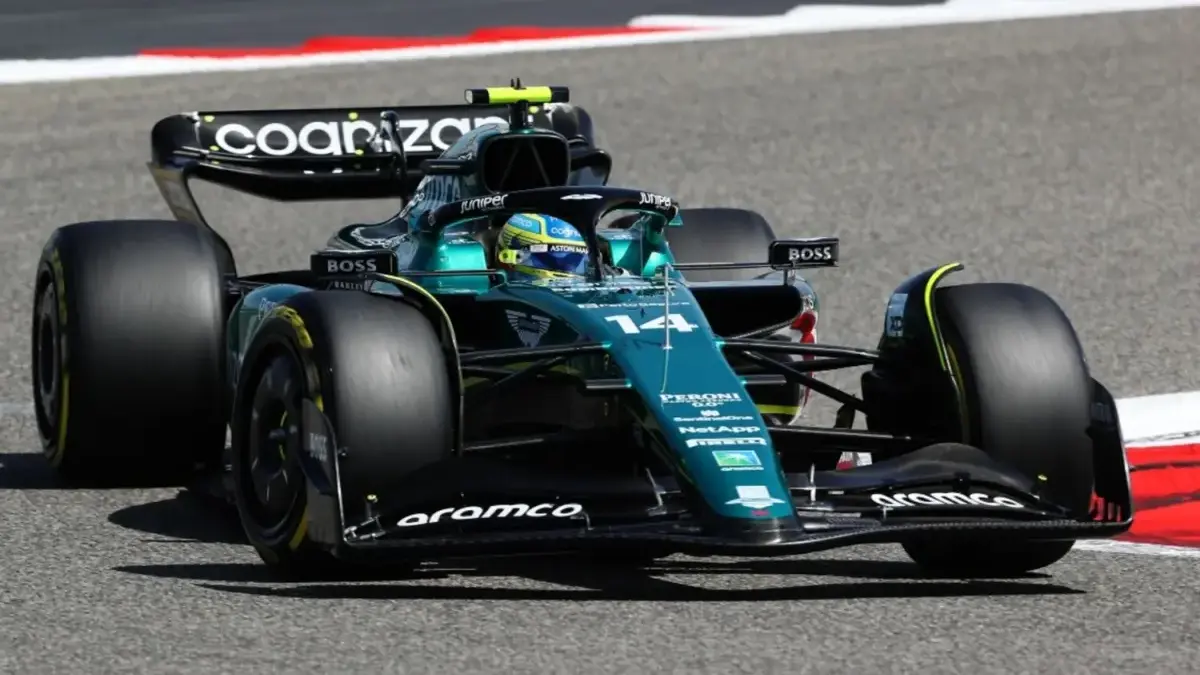
MADRID — Formula 1 is a sport defined by fine margins, high-speed drama, and relentless ambition. Yet, few narratives capture the psychological and competitive tension of the current grid quite like the predicament facing Fernando Alonso.
The two-time world champion finds himself at a critical juncture in his illustrious career. Plagued by an uncompetitive Aston Martin challenger, hampered by recurring power unit gremlins, and increasingly vocal about his disillusionment with the direction of modern Grand Prix racing, the Spaniard’s immediate and long-term future in the pinnacle of motorsport hangs in a precarious balance.
As the paddock reels from a disastrous weekend at the newly minted Madrid circuit, the collective anxiety surrounding Alonso’s next move extends far beyond the Silverstone-based team. It touches the very heart of Formula 1’s leadership, identity, and grid appeal.
Main Facts: The Anatomy of a Crisis
The primary catalyst for the current storm is the severe lack of performance and reliability plaguing Aston Martin’s 2024 campaign, culminating in a dismal home race at the Spanish Grand Prix in Madrid.
- The Race Result: Fernando Alonso crossed the finish line in a lowly 17th position, entirely out of contention for championship points and trailing the leaders by a massive margin.
- Mechanical Failures: The Spaniard suffered chronic power unit issues throughout the weekend, noting that his car nearly stalled during pit stops and under blue flags.
- Collateral Damage: Compounding his mechanical woes, Alonso sustained front-wing damage following an on-track skirmish with fellow compatriot Carlos Sainz, forcing an unscheduled pit stop that effectively ended any residual hopes of a recovery drive.
- Contractual Uncertainty: Alonso’s current agreement with Aston Martin is under intense scrutiny. High-level internal meetings are scheduled to determine whether the veteran driver will extend his tenure or walk away from the grid.
- External Pressure: The situation has escalated to such a degree that FIA President Mohammed Ben Sulayem has reportedly intervened in informal discussions to encourage the veteran driver to remain in the sport.
Chronology of a Disastrous Weekend in Madrid
The weekend in Madrid was billed as a national celebration of motorsport, with local fans packing the grandstands to support their hero. Instead, it unraveled into a masterclass of frustration.
Friday: The Early Warning Signs
From the moment the cars rolled out of the garage for Free Practice 1, the writing was on the wall. Aston Martin’s AMR chassis lacked mechanical grip and aerodynamic efficiency through Madrid’s high-speed and medium-speed technical sections. Alonso immediately reported a lack of throttle response and erratic behavior from the power unit, signaling an uphill battle for the rest of the weekend.
Saturday: Qualifying Woes and Blunt Assessments
Saturday’s qualifying session brought no relief. Alonso failed to extract the performance needed to escape the lower rungs of the elimination phases. Frustrated by the handling of the car and the heavy hybrid-dependent nature of modern F1 power units, Alonso didn’t mince words in the media pen.
His fiery post-qualifying critique sent shockwaves through the paddock: "Formula 1 cannot continue like this; we cannot wait until 2030 to have a decent sport." He further criticized the heavy electrification of the current regulations, arguing that it strips away raw driving skill and penalizes drivers who rely on aggressive, instinctive racecraft.
Sunday: The Grand Prix Nightmare
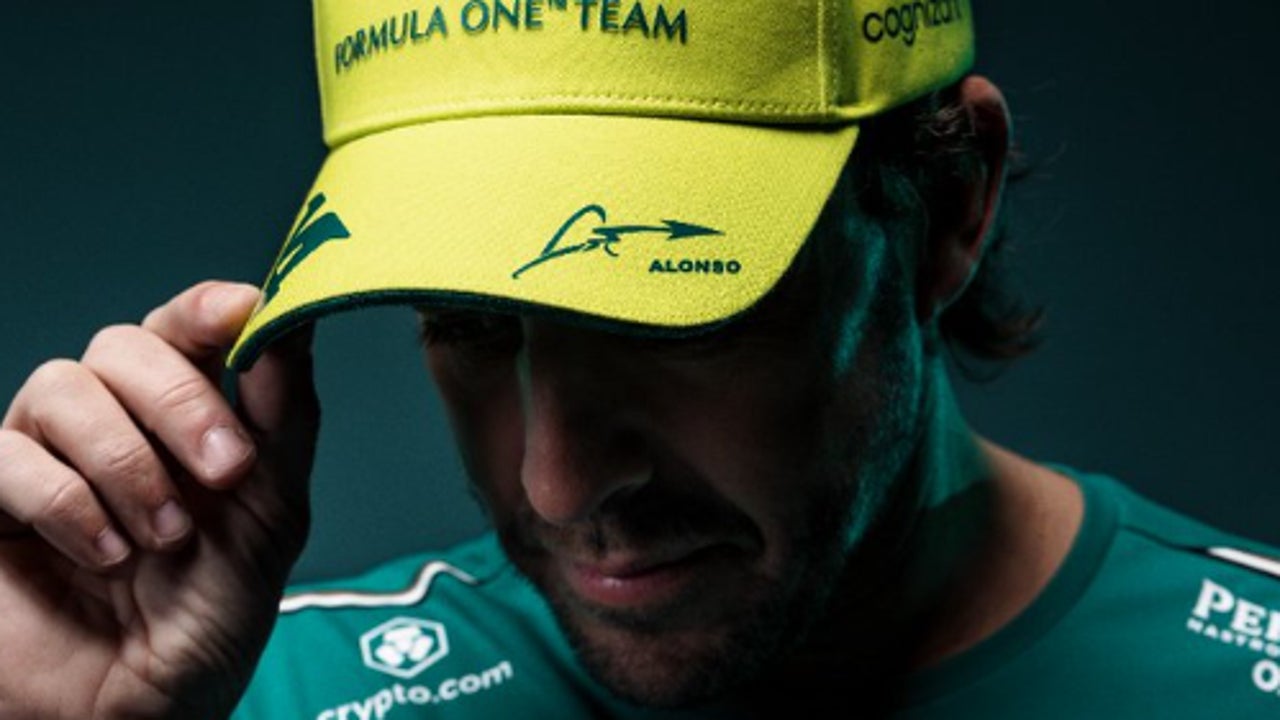
The race itself was an exercise in survival. Alonso’s start was compromised by sluggish power delivery, and his race unravelled entirely on the opening laps when contact with Carlos Sainz chipped his front wing. Forced into an early pit stop to replace the damaged component, Alonso was swallowed up by the pack.
Throughout the afternoon, television broadcasts captured the distressing sight of a two-time world champion battling handling imbalances and struggling to keep the car alive under blue flags. Crossing the line in 17th, Alonso stepped out of the cockpit visibly fatigued and deeply disillusioned.
Supporting Data and Technical Analysis
To understand Alonso’s frustration, one must look at the data governing Aston Martin’s current developmental trajectory. Despite heavy financial backing from Lawrence Stroll and a state-of-the-art new factory campus in Silverstone, the team has hit a performance ceiling with its current technical package.
- Power Unit Deficits: Operating under the twilight years of the current engine regulations, Aston Martin’s power unit supplier has struggled to match the raw output and energy deployment efficiency of rivals like Mercedes and Ferrari.
- Aero Inefficiencies: The correlation issues between the team’s older wind tunnel and on-track data have handicapped upgrades, forcing the team to pivot its focus heavily toward the major regulatory overhaul scheduled for the future.
- The New Era Infrastructure: On paper, Aston Martin’s future is extraordinarily bright. The team has finalized construction on a cutting-edge wind tunnel and secured the high-profile acquisition of legendary car designer Adrian Newey, alongside a future exclusive works engine partnership with Honda starting in 2026.
However, Alonso’s dilemma is rooted in the temporal gap between today’s misery and tomorrow’s promise. At 43 years of age, the veteran driver is acutely aware of the finite nature of his competitive window. Waiting out a prolonged development phase is a luxury he may not be willing to afford.
Official Responses: Inside the Paddock
The gravity of the situation has prompted a coordinated charm offensive from Aston Martin’s leadership, who view retaining Alonso not just as a sporting priority, but as a fundamental pillar of the team’s brand identity.
Mike Krack: "It Would Be Dramatic to Lose Him"
Aston Martin Team Principal Mike Krack was candid in his assessment of the Madrid weekend, acknowledging that the on-track chaos masked any true read on the car’s baseline pace. However, addressing Alonso’s future, Krack left no room for ambiguity.
"It would be dramatic to lose a driver of his caliber," Krack stated. "Fernando brings an intensity, a level of feedback, and a competitive benchmark that cannot be easily replaced. We are doing everything in our power to provide him with a machine worthy of his talent."
Pedro Martínez de la Rosa: The Voice of Reason and Persuasion
Team ambassador and former F1 driver Pedro Martínez de la Rosa offered a reassuring perspective on Alonso’s physical condition and mental readiness, dismissing any notion that age is catching up to the Spaniard.
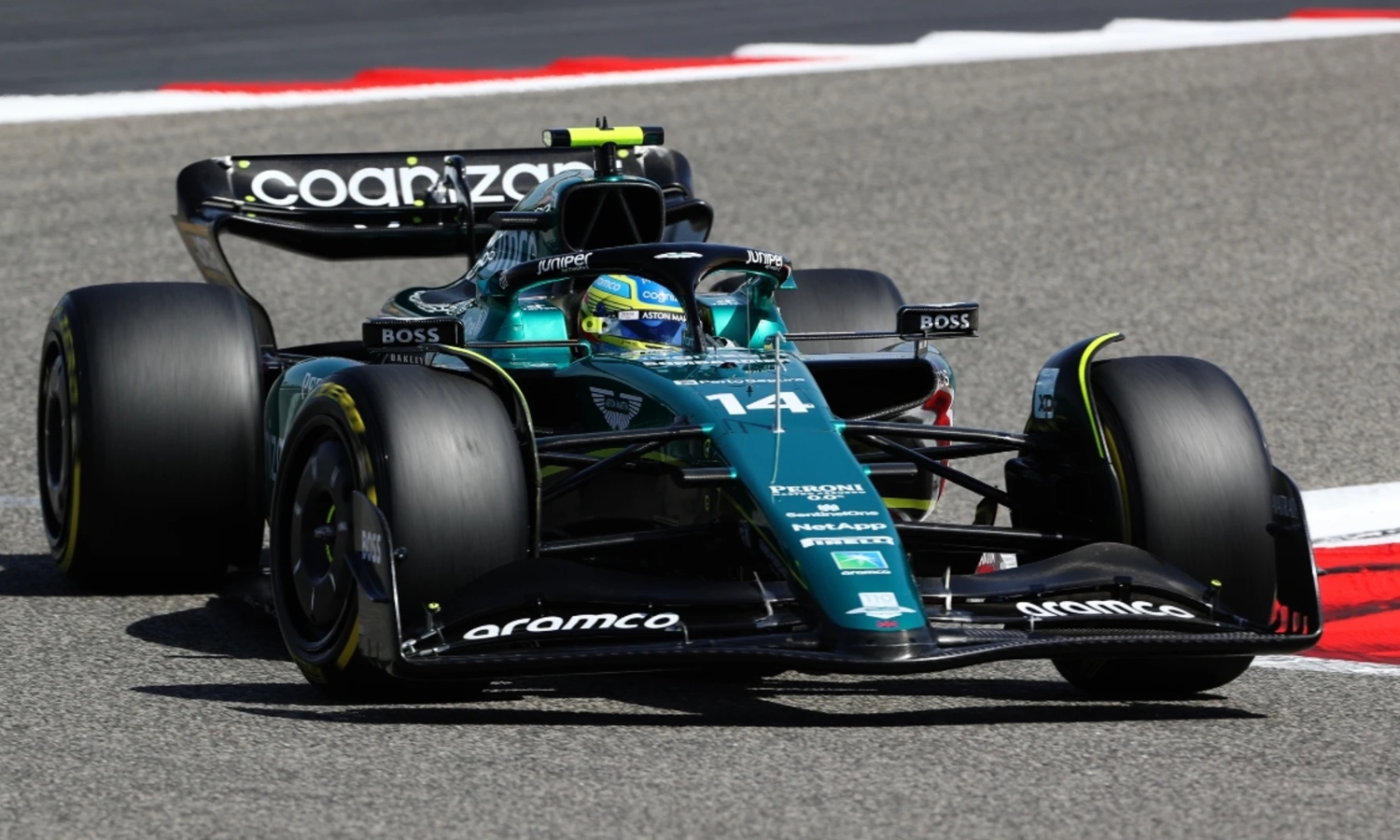
"I haven’t seen a single shred of evidence that he has lost his speed or his hunger," De la Rosa remarked. "He could easily compete well into his sixties if he wanted to. When he looks me in the face, he already knows what I’m going to tell him: ‘Man, stay.’"
De la Rosa confirmed that while Aston Martin prudently maintains a "Plan B" contingency list of alternative drivers in the event of an unexpected departure, their absolute focus—"Plan A, B, and C"—is securing Alonso’s signature for the upcoming seasons. He noted that the team is deliberately avoiding placing undue pressure on the driver, granting him the necessary space to evaluate his options.
The FIA Intervention
In a rare display of institutional concern, FIA President Mohammed Ben Sulayem has reportedly stepped in behind the scenes to discuss the matter with Alonso. The governing body is acutely aware that losing one of the sport’s most charismatic, experienced, and universally recognized global icons would be a severe blow to the entertainment value and commercial appeal of the world championship.
Implications: What Lies Ahead for Alonso and Formula 1?
The coming weeks will dictate the narrative arc of the 2024 season and beyond. Alonso has confirmed that crucial internal meetings are slated to take place, though an immediate public announcement is unlikely.
Several distinct pathways lay before the Asturian legend:
- The Aston Martin Renewal: Driven by loyalty to the long-term project, the lure of working alongside Adrian Newey, and the massive potential of the 2026 Honda works partnership, Alonso could commit to another multi-year stint in green, accepting short-term pain for long-term gain.
- Retirement from Formula 1: Weary of the political direction of the sport, the overly regulated power units, and uncompetitive machinery, Alonso could hang up his F1 helmet permanently.
- Pivoting to Endurance Racing: Should he exit the F1 grid, Alonso’s passion for motorsport remains undiminished. A return to the FIA World Endurance Championship (WEC) to chase further victories—such as adding to his legendary triumphs at the 24 Hours of Le Mans—remains a viable and attractive alternative.
Conclusion
For now, Fernando Alonso stands at the crossroads of his racing life. The Grand Prix in Madrid served as a stark, humbling reminder of the competitive wilderness Aston Martin currently inhabits. Yet, it also highlighted his irreplaceable value to the sport.
As Silverstone pulls out all the stops to convince its talisman to stay, the racing world watches with bated breath. Whether Alonso chooses to fight the battles of tomorrow with Aston Martin or seek new horizons elsewhere, his next decision will irrevocably shape the landscape of modern motorsport.

Leave a Reply