

SAN DIEGO, CALIFORNIA — In the modern era, electricity is the invisible circulatory system of society. Virtually every industry, from manufacturing and agriculture to the burgeoning digital architecture of data centers and artificial intelligence, relies on an uninterrupted flow of power to function. Yet, this high-stakes demand creates unprecedented volatility for electrical grids worldwide. As surging consumption meets the unpredictable rhythms of a rapidly changing climate, grid operators face a daunting challenge: keeping the lights on without triggering catastrophic system failures.
For decades, the traditional response to severe grid stress was the dreaded rolling blackout—a controlled, temporary interruption of service designed to prevent a total system collapse. For residents and businesses, these outages meant spoiled food, halted production lines, and immense frustration.
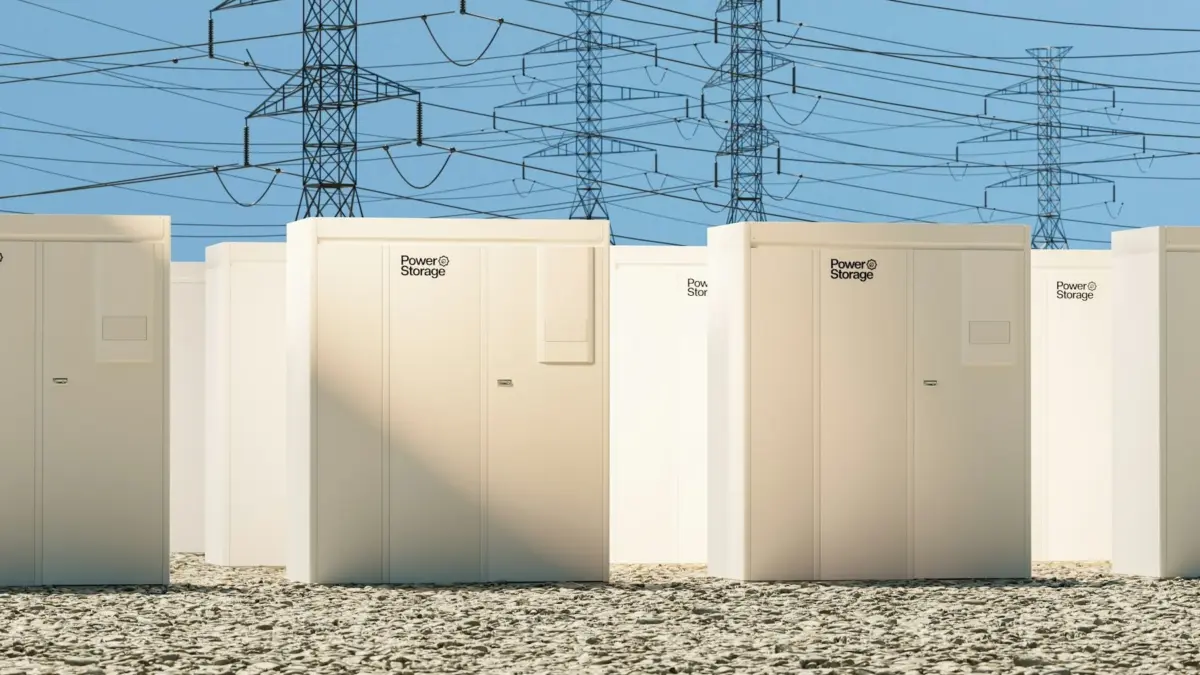
However, a quiet revolution in energy storage has fundamentally altered this narrative, at least in one major American metropolis. In San Diego, California, large-scale battery energy storage systems (BESS) have emerged as an indispensable shield against grid instability. Thanks to these technological buffers, San Diego has not experienced a single emergency rolling blackout since 2022, proving that the future of reliable energy is not just about generating power, but about knowing how to store it.
Main Facts: The Battery-Powered Renaissance in Southern California
At its core, the transformation of San Diego’s electrical grid relies on utility-scale lithium-ion and advanced chemical battery installations. These systems operate on a simple yet powerful premise: they act as colossal insurance policies for the electrical grid.
When peak demand periods arrive—typically driven by sweltering summer heatwaves, heavy air conditioning usage, and concurrent industrial activity—the demand for electricity frequently threatens to outpace supply. In the past, this imbalance forced grid operators to scramble, often resorting to emergency conservation warnings or rolling outages.
Today, San Diego’s battery storage infrastructure steps into the breach automatically. The moment demand spikes beyond the capacity of traditional generation, these batteries discharge stored electricity into the grid within milliseconds. This seamless transition prevents voltage drops, absorbs surplus energy during periods of high renewable generation, and stabilizes the entire distribution network.
- The Milestones: San Diego has maintained an unblemished record regarding rolling blackouts since 2022, largely due to the strategic deployment of battery reserves.
- The Scale of Investment: Major regional utilities, most notably San Diego Gas & Electric (SDG&E), currently maintain approximately 600 megawatts (MW) of dedicated battery storage capacity. Across the broader regional ecosystem, various utilities and independent operators boast a combined total of roughly 750 MW of active storage.
- The Macro Context: According to official data from the California Independent System Operator (California ISO), the state’s overarching electrical grid features a staggering capacity of approximately 70,000 MW, with an impressive 75% of power generation now originating from intermittent renewable sources such as wind and solar.
Chronology: From Vulnerability to Resilience
To understand how San Diego achieved this milestone of grid reliability, it is necessary to examine the chronological progression of California’s energy policy and infrastructure investments over the past decade.
Phase 1: The Renewable Push and Growing Instability (2010–2018)
As California aggressively pursued some of the most ambitious clean energy mandates in the world, the state began phasing out fossil-fuel-fired power plants in favor of wind and solar installations. While this transition was a major victory for environmental advocates, it introduced a significant engineering headache: the "duck curve."
Solar generation peaks during the middle of the day when demand is often moderate, and drops sharply in the evening just as residential energy consumption peaks. For years, grid operators struggled to balance this rapid drop-off, leading to heightened risks of grid overload and localized instability during extreme weather events.
Phase 2: Climate Pressures and the 2022 Turning Point (2019–2022)
By the early 2020s, climate change began exerting severe pressure on Western power grids. Record-breaking heatwaves swept across California, driving unprecedented demand for air conditioning. In August 2020, extreme heat pushed the state dangerously close to statewide rolling blackouts, prompting urgent conservation appeals like the famous "Flex Alerts."
Recognizing that the traditional grid could not withstand recurring climate extremes, San Diego and state regulators accelerated the integration of utility-scale battery storage. By 2022, critical BESS projects came online across San Diego County, fundamentally transforming how local utilities managed peak loads. That very year marked the last time San Diego experienced emergency-driven load shedding, establishing a new baseline of operational reliability.
Phase 3: Consolidation and Expansion (2023–Present)
With the battery safety net firmly in place, the 2023–2024 period has been defined by system expansion and optimization. Utilities like SDG&E have continuously scaled up their storage portfolios, ensuring that neighborhoods maintain uninterrupted power for essential services—such as residential cooling and public lighting—even during severe heat domes. The focus has shifted from emergency crisis management to long-term structural resilience, proving that high-penetration renewable grids can indeed achieve the reliability of legacy fossil-fuel systems.
Supporting Data: The Metrics of Modern Grid Management
The success of San Diego’s energy strategy is validated by hard data. Behind every stable lightbulb and humming refrigerator is a complex matrix of megawatts, gigawatt-hours, and response times.
| Metric Indicator | Data Point / Value | Significance |
|---|---|---|
| Last Rolling Blackout | Prior to 2022 | Marks the cessation of emergency load-shedding events in San Diego following BESS integration. |
| SDG&E Battery Capacity | ~600 MW | Represents the primary utility’s dedicated storage infrastructure driving local stability. |
| Regional Storage Total | ~750 MW | Combines utility and independent operator capacity deployed across the San Diego zone. |
| California ISO Total Capacity | ~70,000 MW | Demonstrates the immense scale of the state’s overarching master electrical grid. |
| Renewable Penetration | Up to 75% | Highlights the high volume of intermittent clean energy (solar/wind) that batteries must successfully balance. |
These numbers illustrate a vital engineering reality: modern grids cannot rely solely on generation capacity. As intermittent renewable energy accounts for three-quarters of California’s power mix, storage acts as the essential bridge that transforms ephemeral sunlight and wind into dispatchable, baseload-equivalent power.
Official Responses and Stakeholder Perspectives
The rapid pivot toward battery storage has garnered widespread praise from energy regulators, utility executives, and environmental scientists alike, though experts continue to emphasize the need for continued vigilance.
Utility Leadership
Executives at San Diego Gas & Electric have repeatedly emphasized that battery storage is no longer an experimental technology, but the backbone of modern utility operations. In corporate briefings, SDG&E representatives have highlighted that the 600 MW of operational storage currently managed by the company has fundamentally redefined risk management during extreme weather events. By insulating the grid from sudden demand spikes, utilities can protect critical infrastructure without resorting to carbon-intensive peaker plants.
Regulatory and State Authorities
The California Independent System Operator (California ISO) has consistently pointed to Southern California’s deployment model as a blueprint for other regions transitioning toward high-renewables portfolios. State regulators note that while expanding solar and wind infrastructure is vital for meeting climate goals, pairing those assets with multi-hour battery storage is the only way to guarantee grid security.
"We are no longer just building a cleaner grid; we are engineering a smarter, more flexible grid," noted a senior California energy policy advisor. "Batteries give us the time and the capacity to absorb shocks that would have previously plunged entire communities into darkness."
Environmental and Community Advocates
Environmental groups have lauded the shift away from fossil-fueled peaker power plants, which historically were fired up during high-demand periods and disproportionately polluted low-income urban neighborhoods. By replacing these dirty emergency generators with clean-charging battery banks, cities like San Diego are securing both climate stability and localized air quality improvements.
Broader Implications: What San Diego Teaches the World
The success of battery storage in San Diego carries profound implications for the global energy transition. As nations worldwide grapple with the dual crises of accelerating climate change and exponentially rising energy demand—driven heavily by the global expansion of artificial intelligence, cloud computing data centers, and the electrification of transportation—the grid management lessons learned in Southern California are universally applicable.
1. Decoupling Renewables from Intermittency
For decades, critics of clean energy argued that the sun does not always shine and the wind does not always blow. San Diego’s experience demonstrates that utility-scale battery storage effectively neutralizes this critique. By capturing surplus clean energy and injecting it back into the system on demand, storage technology bridges the gap between weather-dependent generation and 24/7 consumer demand.
2. Enhancing Urban Climate Resilience
As global temperatures rise, heatwaves are becoming longer, hotter, and more frequent. These meteorological events create a dangerous feedback loop: higher temperatures drive massive spikes in air conditioning use, which strains the electrical grid, increasing the risk of blackouts precisely when cooling is a matter of public health and safety. San Diego’s deployment of BESS units has proven that localized energy storage is an indispensable tool for urban climate adaptation.
3. Economic and Infrastructure Scalability
While the initial capital expenditure required to install utility-scale battery systems is substantial, the long-term economic savings—measured in avoided industrial downtime, prevented infrastructure damage, and reduced reliance on expensive fossil fuel spot markets—are immense. As battery chemistry continues to evolve, featuring longer discharge durations and safer, more sustainable materials, the economic case for storage will only strengthen.
Conclusion
San Diego’s journey from vulnerability to resilience offers a masterclass in modern grid engineering. By aggressively embracing battery storage technology starting in 2022, the region effectively solved the complex puzzle of integrating high levels of intermittent renewable energy while completely eliminating emergency rolling blackouts.
As California and the global community continue their march toward a zero-emission energy future, San Diego stands as a shining example of what is possible when proactive policy, technological innovation, and robust infrastructure investment intersect. The message from Southern California is clear: the energy transition is entirely viable, provided we have the foresight not just to generate clean power, but to store it for the moments that matter most.


Leave a Reply