

Date: Wednesday, September 23, 2026
Section: Global Briefing & Economic Outlook
Main Facts
The global economic and cultural landscape is undergoing a rapid metamorphosis, defined by aggressive corporate pivots, technological integrations, entertainment milestones, and profound demographic transformations.
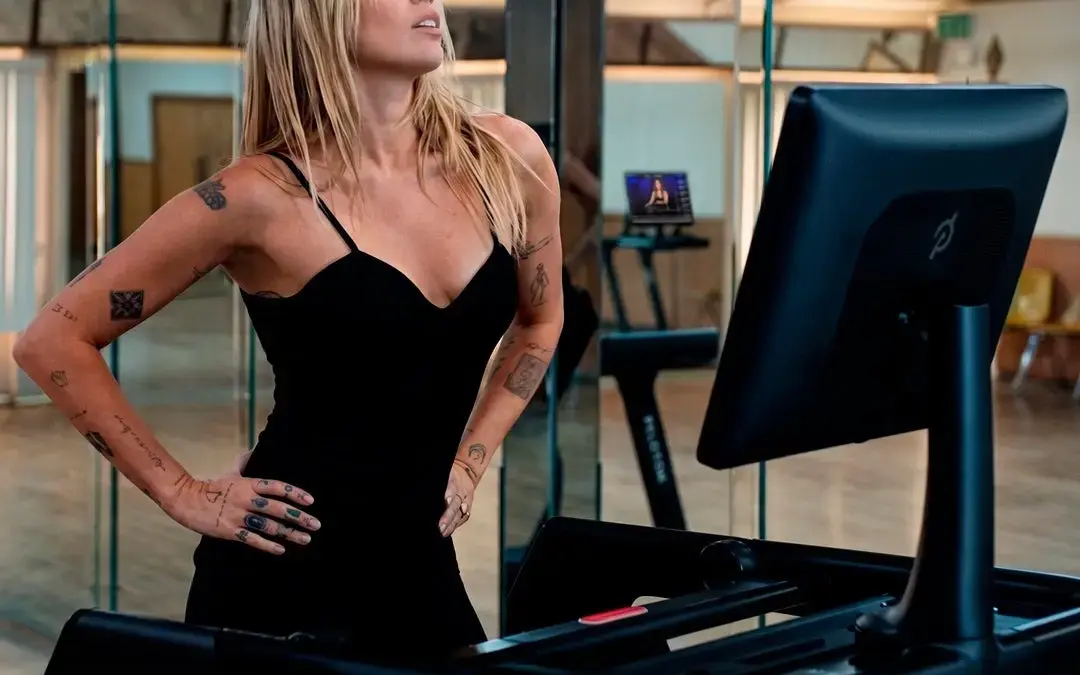
At the forefront of corporate reinvention is Peloton, the pioneer of connected fitness that debuted on the Nasdaq in 2019. After experiencing an unprecedented boom during the COVID-19 pandemic followed by a severe slump post-reopening, the company is betting its future on a triad of hardware, software, and artificial intelligence. Peloton has unveiled the Tread Flex—its first foldable and most affordable treadmill to date, priced at $2,195—alongside premium models and AI-driven coaching features. To bolster this launch, the brand rolled out its global campaign, "Let Yourself Run," fronted by pop icon Miley Cyrus.
In the tech sector, Google has officially entered the holiday hardware race by introducing its first-line Googlebooks. Developed in strategic collaboration with major hardware manufacturers including Acer, Asus, Dell, HP, and Lenovo, these devices start at $899 and deeply integrate Google’s Gemini AI, creating a seamless bridge with the Android ecosystem.
Meanwhile, in Latin America, the Movistar Arena in Bogotá is celebrating its eighth anniversary, marking a monumental milestone: the arrival of its six-millionth visitor. Since its inception, the venue has hosted over 600 national and international acts, remaining a vital engine for the regional entertainment economy.
On a deeply human level, a remarkable story emerged from the International Coffee Fair of Tolima, held in Chaparral. A local coffee grower auctioned a single pound of specialty coffee for over $1,500—starting from a modest $10 bid—to fund a memorable final day for his young sister, who was diagnosed with terminal leukemia.
Finally, structural shifts continue to pressure traditional industries. Corporate executives like Camilo Ruiz Castro are grappling with AI-induced digital fatigue, luxury jewelry icons like Rosa Tous are reflecting on the emotional permanence of heirlooms, and broader macroeconomic indicators reveal tightening credit markets, housing management debates, and declining birth rates reshaping educational infrastructure worldwide.
Chronology
To understand how these disparate events converged by late September 2026, it is essential to trace their historical trajectories and recent timelines:
- 2019: Peloton makes its high-profile debut on the Nasdaq stock exchange, setting the stage for rapid expansion.
- 2020–2021: The COVID-19 pandemic forces global lockdowns, catapulting Peloton’s home-fitness equipment sales to historic highs. Simultaneously, the Movistar Arena opens its doors, initiating a new era for live entertainment in the region.
- 2022–2024: Global economies reopen. Traditional brick-and-mortar gyms experience a massive resurgence, leading to a severe market correction, inventory gluts, and tumbling stock prices for pandemic darlings like Peloton. Management shifts focus toward digital subscriptions and software monetization.
- 2025: The Movistar Arena caps off a stellar operational year, recording over 900,000 attendees across 168 distinct events, pumping hundreds of billions into the local economy.
- September 2026 (Current Window):
- Mid-September: The International Coffee Fair takes place in Chaparral, Tolima, playing host to over 50 international buyers and witnessing the record-breaking charity coffee auction.
- September 22–23, 2026: Peloton officially unveils the Tread Flex, the "Let Yourself Run" campaign with Miley Cyrus, and its new AI training suites. Concurrently, Google announces its new line of Gemini-integrated Googlebooks ahead of the holiday shopping season.
Supporting Data
The scale of these developments is underscored by hard metrics across finance, entertainment, and commerce:
- Peloton Tread Flex Entry Price: $2,195, positioned as the brand’s most economical and accessible treadmill to date.
- Movistar Arena Milestones:
- Total accumulated attendees: 6,000,000 visitors.
- Total artists hosted since opening: Over 600 national and international acts.
- 2025 Annual Performance: 900,000+ attendees, 168 events, and an economic impact exceeding $500,000,000,000 (local currency scale).
- Specialty Coffee Auction:
- Starting bid: $10 per pound.
- Final winning bid: Over $1,500 per pound, driven by a pool of more than 50 international buyers at the Tolima Coffee Fair.
- Googlebooks Pricing: Starting at $899, engineered alongside hardware partners Acer, Asus, Dell, HP, and Lenovo.
- Demographic & Professional Shifts: Executives like Camilo Ruiz Castro (CEO of Scola Abogados, born 1987) report spending hours daily consuming AI-related content, highlighting the pervasive nature of modern digital information consumption.
Official Responses and Industry Statements
Corporate leaders and public figures have shared candid insights regarding these shifts in technology, lifestyle, and commerce:
-
On the Battle Against Digital Burnout:
Camilo Ruiz Castro, CEO of Scola Abogados, addressed the psychological toll of hyper-connectivity in the age of artificial intelligence. While admitting to spending hours consuming technical content, Ruiz Castro emphasized the necessity of human anchors:"I have an ideal help, and that is my wife. If it weren’t for her, I really would dedicate all my time to this."
-
On the Emotional Value of Design:
Rosa Tous (born 1966), gemologist and vice president of the global jewelry multinacional Tous, spoke about moving past the commercialization of luxury to focus on narrative heritage. Reflecting on pieces handed down through generations and a personal design that she refused to sell, Tous noted:"Jewelry tells stories and has meaning; they are not just objects of adornment."
-
On Corporate Strategic Pivots:
While official press releases from Peloton emphasize the hardware-software synergy of the Tread Flex and AI training modules, industry analysts view the partnership with pop culture icon Miley Cyrus for "Let Yourself Run" as a calculated effort to reclaim cultural relevance among younger, fitness-conscious demographics who migrated back to physical boutique fitness studios post-pandemic.
Implications
The convergence of these events points to several long-term implications for global markets, society, and daily life:
1. The Maturation of Connected Fitness and AI Integration
Peloton’s pivot away from purely stationary cycling toward comprehensive running solutions (via the Tread Flex) and AI-driven coaching indicates that fitness brands can no longer rely on hardware hardware sales alone. Survival in the post-pandemic era requires software ecosystems that adapt dynamically to user habits, combining physical equipment with intelligent, personalized virtual mentorship.
2. The Holiday Hardware Wars and AI Ubiquity
Google’s introduction of Googlebooks—priced competitively from $899 and built in tandem with traditional PC giants like Dell, HP, Lenovo, Asus, and Acer—signals that the race to embed multimodal AI (Gemini) directly into consumer operating systems has entered a crucial phase. As these devices hit the market for the winter shopping season, operating system ecosystems will become even more tightly woven into everyday professional and personal workflows.
3. Human Vulnerability in the Age of Hyper-Technology
The juxtaposition of high-powered tech executives fighting digital fatigue, luxury executives returning to sentimental craftsmanship, and local communities rallying around personal tragedy through high-value agricultural trade highlights a universal tension. As artificial intelligence and automation accelerate, society is placing a renewed premium on emotional grounding, human support systems, and authentic narrative value—whether found in a family heirloom, a supportive spouse, or a community coming together to alleviate human suffering through specialty coffee.
4. Macroeconomic Pressures on Traditional Institutions
The trailing mentions of shifting portfolio purchase rates, property management debates regarding residential vetting, and the cascading impacts of falling birth rates on educational infrastructure point to underlying structural strains. As demographic growth slows and credit conditions tighten, foundational social pillars—education, housing, and finance—must adapt to smaller cohorts and more cautious consumer behavior.
Ultimately, whether through the reimagining of home workouts, the integration of ambient AI, or the enduring power of human solidarity, the events of September 2026 underscore a world in transition, actively balancing technological innovation with deeply ingrained human needs.



Leave a Reply