

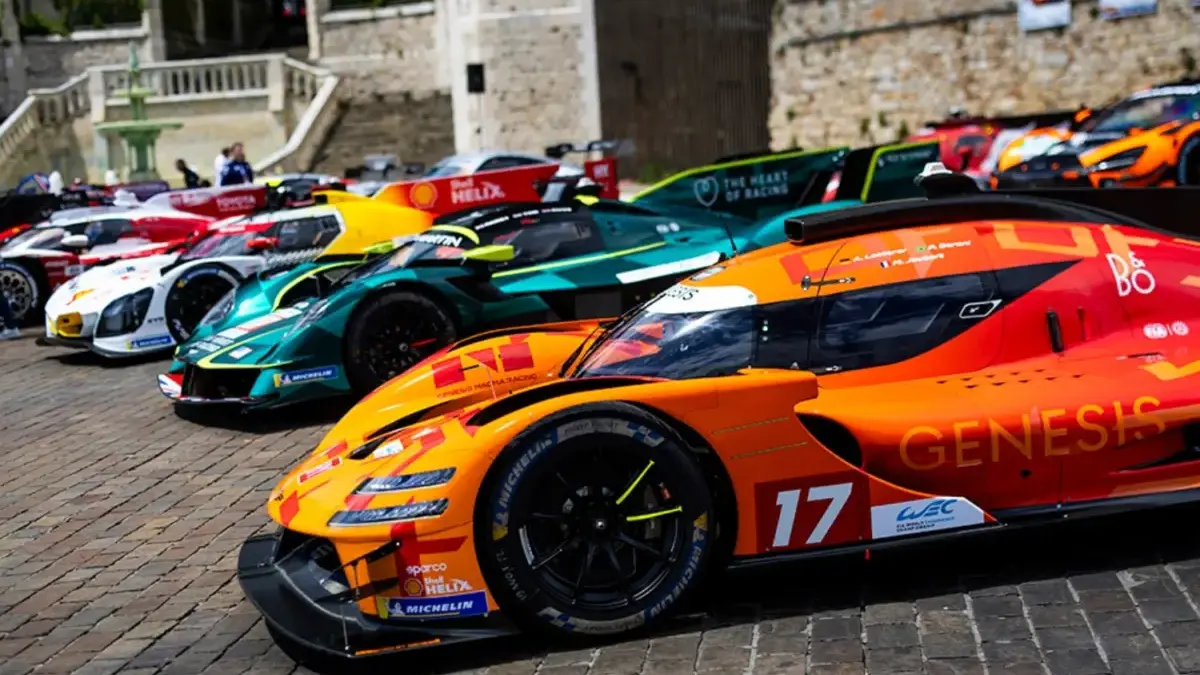
The international motorsport community was briefly sent into a state of shock following a high-profile media report suggesting an imminent fracture between the sport’s ultimate governing body and its premier endurance racing promoter. However, swift, coordinated, and resolute denials from the highest levels of motorsport have firmly put those rumors to bed.
The Fédération Internationale de l’Automobile (FIA) and the Automobile Club de l’Ouest (ACO) have officially confirmed that their longstanding partnership remains entirely secure. The agreement underpinning the FIA World Endurance Championship (WEC) is fully intact through the end of 2027, with advanced discussions already underway to extend the collaboration well into the next decade.
For teams, manufacturers, circuits, and millions of fans worldwide, this official reassurance ends days of intense speculation and secures the immediate and medium-term future of the world’s premier sports car championship.
Main Facts: What Sparked the Crisis?
The controversy erupted following an exclusive report published by the prominent German publication Auto Motor und Sport. According to the report, a major rift had developed between FIA President Mohammed Ben Sulayem and ACO President Pierre Fillon.
The core of the alleged dispute centered on control, technical governance, and financial structures. The article claimed that:
- Governance Clashes: Ben Sulayem was reportedly dissatisfied with the current promotional management of the WEC and desired a more centralized FIA grip over sporting and technical decisions.
- Tensions at the Top: A purported tense meeting between Ben Sulayem and Fillon suggested that executive relations had deteriorated.
- The Le Mans Threat: Most alarming for endurance racing enthusiasts, the report speculated that the FIA might launch an open tender for a new WEC promoter post-2027, a move that could have theoretically severed the championship’s tie with its crown jewel: the legendary 24 Hours of Le Mans, which is independently owned and operated by the ACO.
The report instantly triggered anxiety across the paddock. With the WEC currently experiencing a golden era defined by unprecedented manufacturer involvement, any threat to the institutional stability of the series sent shockwaves through the industry.
Chronology of Events: From Rumor to Resolution
- Mid-Week Leak: Auto Motor und Sport publishes its investigative piece outlining potential friction between the FIA and the ACO and raising doubts about a post-2027 promoter agreement.
- Immediate Industry Reaction: Paddock insiders, team principals, and manufacturers express quiet concern, while media outlets across the globe begin picking up the story.
- The FIA Steps In: Recognizing the potential damage to market confidence, the FIA issues a formal clarification to leading motorsport outlets, including Motorsport.com, completely shutting down the narrative of a rupture.
- Joint and Unified Messaging: Simultaneously, the WEC and the ACO release official statements highlighting their shared history, current stability, and active negotiations regarding a contract extension beyond 2027.
- Resumption of Normalcy: With the calendar for upcoming races—such as the 6 Hours of Fuji—proceeding as planned, the motorsport world pivots back to on-track battles, comforted by the unified front presented by the governing bodies.
Supporting Data and the Current State of the WEC
To understand why a rupture would have been catastrophic, one must look at the unprecedented health and growth of the WEC. Far from being a struggling championship in need of an administrative overhaul, the series is currently enjoying its most prosperous era since its inception in 2012.
Key Metrics of WEC’s Current Golden Era:
- Global Footprint: The 2026 season spans seven countries across multiple continents, showcasing a truly global calendar.
- Looking Ahead to 2027: The FIA World Motor Sport Council already approved the 2027 calendar earlier this June. It features a robust nine-round schedule, which includes the highly anticipated return of iconic British circuit Silverstone to the championship, alongside the traditional season finale at the Bahrain International Circuit (Sakhir).
- The Hypercar and LMGT3 Revolution: The introduction of the Hypercar and LMGT3 regulations has completely revitalized the grid.
- The LMDh and LMH Convergence: The brilliant technical convergence between the Le Mans Hypercar (LMH) and Le Mans Daytona h (LMDh) platforms allows manufacturers to compete simultaneously in both the WEC and the IMSA WeatherTech SportsCar Championship using the same machinery. This cross-pollination has drastically reduced development costs while maximizing global marketing value for brands.
Looking even further down the line, preliminary planning is already underway between the FIA and the ACO to formulate a brand-new Hypercar technical regulation framework targeted for introduction around 2030, ensuring long-term technological relevance and cost-efficiency.
Official Responses: A United Front
The speed and clarity of the responses from both organizations left no room for ambiguity. Both bodies recognized the necessity of calming the waters immediately to protect ongoing sponsorship talks, manufacturer commitments, and driver market stability.
In an official statement provided to Motorsport.com, the FIA emphasized that the championship’s meteoric rise is a direct result of cooperative governance:
"The FIA World Endurance Championship has experienced sustained growth since the introduction of the Hypercar and LMGT3 regulations, competing this season in seven countries. Discussions regarding a contract extension are already underway, and the current agreement with the ACO remains fully in place, without any fissures, through the end of 2027."
Echoing these sentiments, the WEC organization released a complementary statement reinforcing the historical ties that bind the two entities:
"This long-standing cooperation has underpinned the growth and global projection of the World Championship, which is currently experiencing a particularly strong momentum. Negotiations are moving forward in a highly constructive spirit, and both organizations maintain their absolute commitment to guaranteeing the continuous development and long-term success of the FIA WEC."
Motorsport experts and paddock insiders have interpreted the explicit mention of "ongoing extension talks" as a clear sign that relations are not only stable but actively progressing toward a formal renewal well before the 2027 deadline expires.
Implications for the Future of Endurance Racing
The swift neutralization of these rumors carries profound implications for the sport, ensuring that stability reigns supreme during a period of critical commercial expansion.
1. Manufacturer Confidence Maintained
Major automotive giants—including Ferrari, Porsche, Toyota, Cadillac, BMW, Alpine, Peugeot, and Lamborghini—have invested hundreds of millions of dollars into their respective Hypercar programs. These corporate boards demand regulatory stability and institutional predictability. Had the rumors of a civil war between the FIA and ACO proven true, these manufacturers might have reconsidered their long-term commitments. The unified stance ensures corporate boardrooms remain confident in the endurance racing ecosystem.
2. The Inviolability of Le Mans
At the heart of the sports car world sits the 24 Hours of Le Mans. Any administrative split that threatened to uncouple Le Mans from the World Endurance Championship would have fractured sports car racing in a manner reminiscent of open-wheel racing’s dark years in the late 1990s and 2000s. By cementing their partnership, the FIA and ACO have guaranteed that Le Mans remains the undisputed crown jewel and final objective of a unified global championship.
3. A Clear Roadmap Through 2030 and Beyond
With the 2027 calendar already approved, extension talks well underway, and long-term technical roadmaps pointing toward the next decade, the WEC is operating with an unprecedented level of strategic clarity. Teams can design cars, sponsors can plan multi-year activations, and fans can book tickets knowing the championship’s foundation is built on solid rock rather than shifting sand.
Conclusion
The unfounded reports of a 2027 fracture served as a stress test for the administrative alliance driving modern endurance racing. The test was passed with flying colors. Thanks to rapid, transparent, and resolute communication from both the FIA and the ACO, the storm has passed before it could cause any real damage.
As the paddock packs its gear for the upcoming rounds—starting with the grueling 6 Hours of Fuji this month—the focus shifts entirely back to where it belongs: fierce wheel-to-wheel combat under the lights, roaring hybrid power units, and the relentless pursuit of endurance glory. The future of the FIA World Endurance Championship has never looked brighter, more secure, or more united.


Leave a Reply