

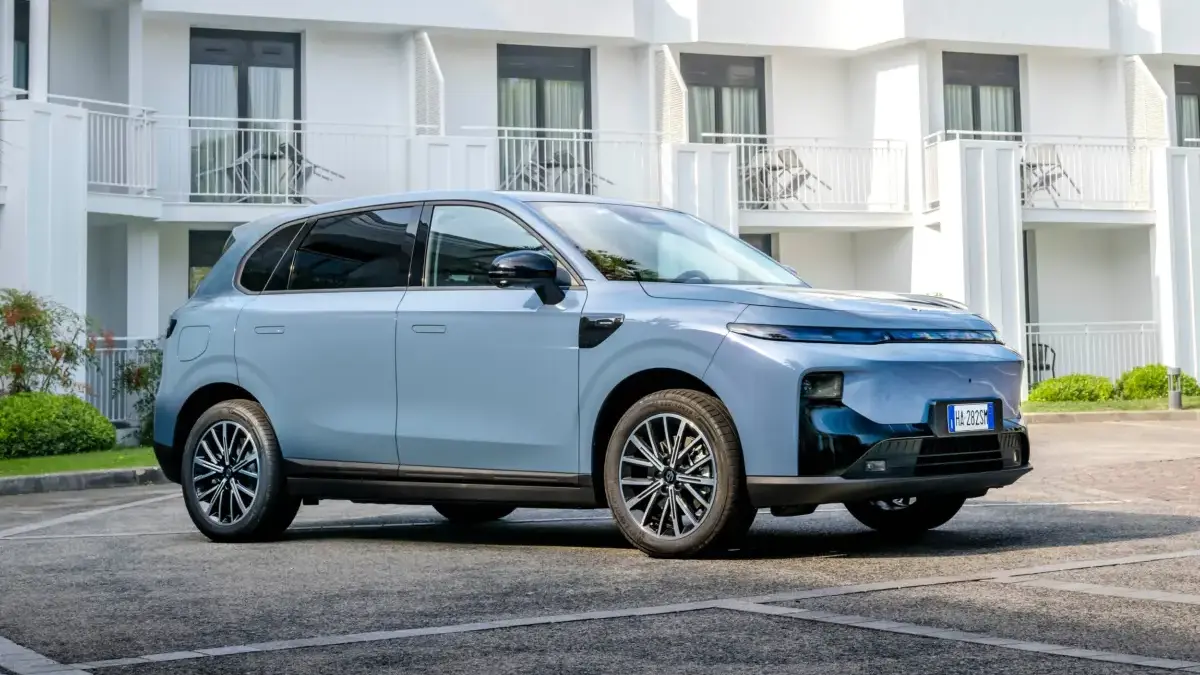
ZARAGOZA, SPAIN — In a landmark strategic maneuver reshaping the European electric vehicle (EV) landscape, Chinese automaker Leapmotor has officially commenced the pre-production phase of its flagship Leapmotor B10 SUV at Stellantis’ historic manufacturing facility in Figueruelas, Zaragoza.
This milestone marks a decisive turning point for the joint venture between China’s Leapmotor and European manufacturing giant Stellantis. By localizing production within the borders of the European Union, the companies aim to neutralize the prohibitive import duties imposed on Chinese-built EVs, cementing a robust bridge between Asian manufacturing prowess and European market integration.
Main Facts: The Figueruelas Operation and the B10
The introduction of the Leapmotor B10 to the Zaragoza assembly lines is far from a simple badge-engineering exercise or a superficial knockdown-kit assembly.
- Comprehensive Industrial Processes: The Figueruelas plant is executing full-scale manufacturing operations for the B10, encompassing heavy stamping, automated body welding, advanced anti-corrosion paint shops, and final general assembly.
- Regulatory Compliance: Because the vehicle undergoes core structural and manufacturing processes on European soil, it satisfies the strict criteria required by Brussels to be officially designated as of European origin for customs and regulatory purposes.
- The Tariff Dilemma: Prior to local production, battery-electric vehicles imported directly from Leapmotor’s Chinese facilities faced a cumulative 30.7% tariff—comprising a standard 10% EU base automotive tariff plus an additional 20.7% specific countervailing duty levied on Chinese state-subsidized EVs. Shifting production to Spain completely bypasses these punitive duties.
- Shared Ecosystem: The B10 joins a storied production roster at Figueruelas, which already builds high-volume European staples such as the Opel Corsa, the Peugeot 208, and the Lancia Ypsilon.
Chronology of an Accelerated Expansion
The journey from an ambitious cross-continental alliance to localized European production has moved at a breakneck speed, highlighting the urgency with which traditional and emerging automakers are adapting to shifting geopolitical trade policies.
Phase 1: The Foundation of Leapmotor International (2023–Early 2024)
The genesis of this manufacturing shift lies in the groundbreaking partnership between Stellantis and Leapmotor. Stellantis acquired a strategic 51% controlling stake in Leapmotor International, a joint venture granting the European conglomerate exclusive rights to export, sell, and manufacture Leapmotor products outside of Greater China. This partnership was structured specifically to leverage Stellantis’ massive industrial footprint, distribution network, and regulatory expertise in Europe.
Phase 2: Global Momentum and Production Records (Mid 2024–2025)
Propelled by aggressive pricing and competitive technological offerings, Leapmotor’s product lineup—anchored by the B10 and its stablemate, the B01—experienced explosive growth. In a remarkably short window of just 18 months, the company surpassed a cumulative 300,000 units produced globally. Of those, over 60,000 units found homes outside of mainland China, proving that the brand possessed genuine international appeal rather than relying solely on its hyper-competitive domestic market.
Phase 3: The European Adaptation and Pre-Production in Zaragoza (Late 2025)
Facing tightening EU trade barriers and retaliatory tariff structures, Stellantis fast-tracked plans to utilize its under-utilized or adaptable European facilities. Figueruelas was selected as the ideal strategic hub. By late 2025, factory retooling and pilot lines culminated in the official start of the B10’s pre-production phase, turning theoretical trade strategies into tangible metal on the factory floor.
Supporting Data: Sales Performance and Global Footprint
The urgency to secure European production lines is heavily justified by the extraordinary sales trajectory the Leapmotor B10 has enjoyed both domestically and internationally.
European Market Penetration
Spain has emerged as a critical testing ground for the brand’s consumer acceptance.
- In July, the Leapmotor B10 exploded onto the national sales charts, registering 506 matriculations and clinching the title of the best-selling electric SUV in the Spanish market.
- Momentum continued into August, with an additional 350 units sold, securing its dominance within the fiercely contested compact electric SUV segment.
Global Scale
On a worldwide scale, the B10 crossed a major threshold in August, surpassing 20,000 global sales in a single month. Significantly, over 10,000 of those units—nearly 50%—were destined for international export markets. Leapmotor products are now actively commercialized in more than 40 countries and regions worldwide.
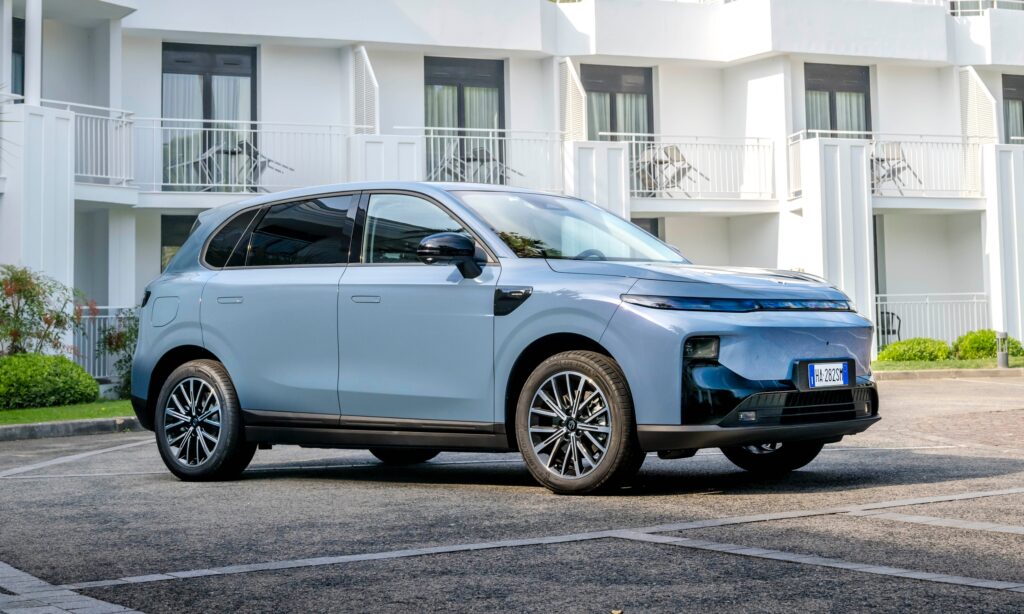
While its primary stronghold remains China, Western Europe has quickly blossomed into its most lucrative secondary market. Countries such as Germany, Italy, France, and Poland are seeing substantial month-over-month increases in registrations, heavily bolstered by the retail backing and dealership support provided by the Stellantis network.
Official Responses and Strategic Perspectives
Corporate leadership from both sides of the joint venture have emphasized that localizing production is not merely about cost-cutting, but about long-term commitment to the European consumer base.
Executives close to the Stellantis-Leapmotor alliance have noted that utilizing Spanish labor and infrastructure drastically shortens supply chain logistics for the European market. Instead of enduring weeks of maritime transit from Chinese ports—alongside escalating shipping costs and container shortages—vehicles built in Figueruelas can be delivered to continental dealerships via efficient overland and regional transport routes.
Regarding pricing strategies, corporate spokespeople have remained cautious. While bypassing the 30.7% tariff significantly widens profit margins and relieves immense financial pressure, management is currently evaluating whether to pass these savings directly to consumers through more aggressive retail pricing, or to reinvest the capital into offsetting rising raw material costs and maritime logistics overhead elsewhere in the supply chain.
Market Implications and the Road Ahead
The localization of the Leapmotor B10 in Zaragoza carries profound implications for the European automotive ecosystem, setting a precedent that other Chinese manufacturers are eager to replicate.
1. A Blueprint for Circumventing Trade Barriers
The "Stellantis-Leapmotor model" demonstrates how foreign EV brands can successfully bypass EU protectionist measures. Rather than fighting protracted legal battles or absorbing unsustainable tariffs that price their vehicles out of the market, partnering with an established European legacy automaker with idle or flexible plant capacity offers a frictionless entry into local manufacturing compliance.
2. Job Security and Industrial Evolution in Aragon
For the region of Aragon and the Figueruelas workforce, the integration of Leapmotor is a vital vote of confidence. As internal combustion engine (ICE) mandates loom and traditional vehicle lines face fluctuating demand, securing an electric vehicle contract from a high-growth brand ensures the plant’s long-term viability, safeguarding thousands of direct and indirect jobs in the local supply chain.
3. Heightened Competition in the Compact EV Segment
With production costs optimized and regulatory hurdles cleared, the Leapmotor B10 is poised to put immense pressure on legacy European manufacturers. Domestic brands that have struggled to produce profitable, sub-€30,000 electric SUVs will now face a rival built inside the EU that combines Chinese software-defined vehicle architectures with European assembly standards.
What Comes Next?
The current pre-production phase in Figueruelas serves as the final stress test for the factory’s tooling, supply chains, and quality control protocols. Full-scale serial production is slated to commence in the coming months, transforming Zaragoza into the undisputed continental heartland for the Leapmotor B10. As these "Made in Spain" EVs begin arriving at European dealerships, the true test of consumer reception—and the ultimate effectiveness of the EU’s trade defense mechanisms—will finally be revealed.


Leave a Reply