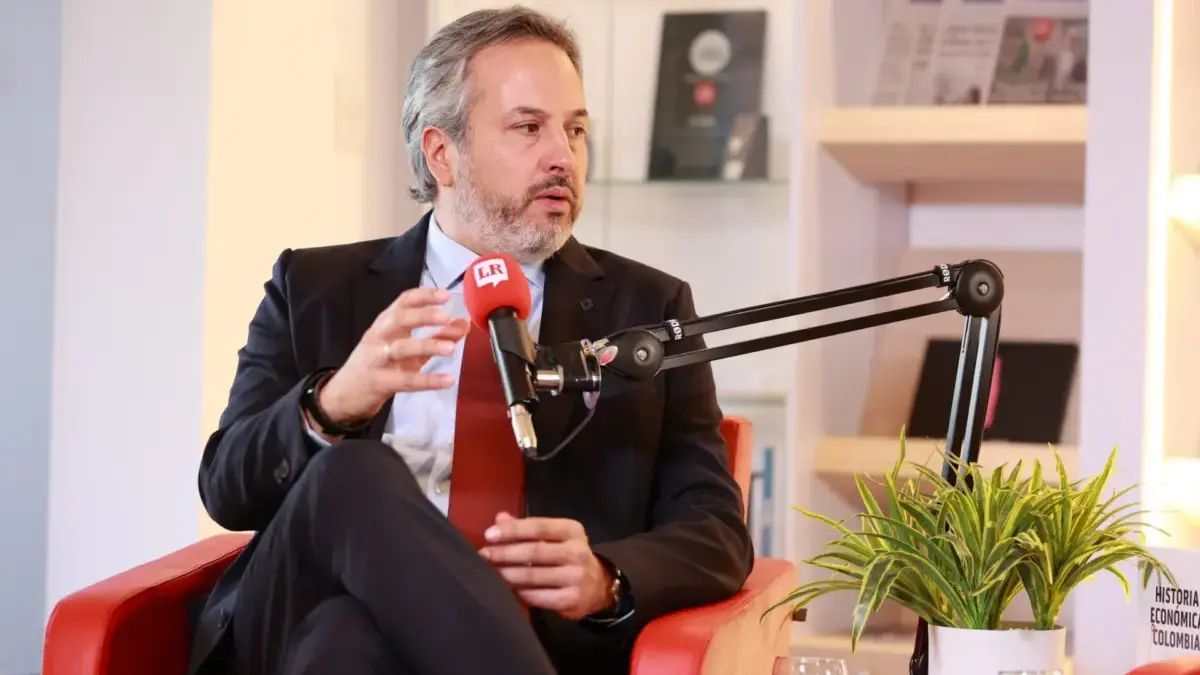
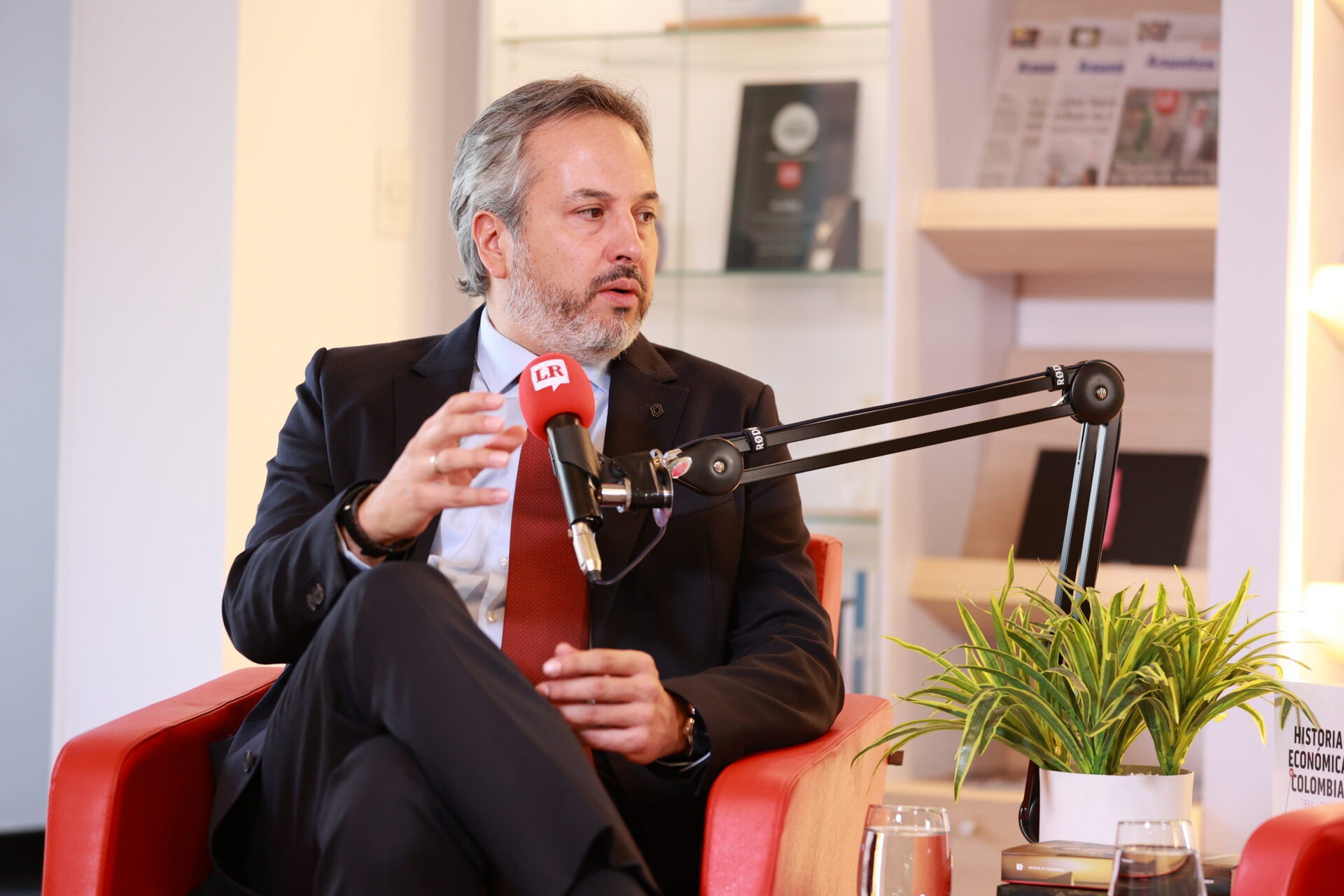
ENVIGADO, COLOMBIA — In a period marked by a strong post-pandemic recovery and shifting dynamics within the Latin American automotive sector, Renault-Sofasa is positioning itself to redefine Colombia’s role in the regional industrial landscape. Led by its President and CEO, Juan Camilo Vélez Martínez, the French automaker’s Colombian subsidiary is advancing plans to manufacture a highly anticipated, exclusive sport utility vehicle (SUV) designed for both domestic consumption and major export markets, including Brazil.
This strategic pivot comes alongside the roaring success of the Colombian-built Renault Kwid in Mexico and the upcoming national debut of the premium E-segment Renault Filante. However, realizing these ambitious manufacturing goals remains contingent on finalizing technical-economic validations with regional suppliers and securing long-term legal and regulatory stability from the Colombian government.
1. Main Facts: The Strategic Reorientation of Renault-Sofasa
Renault-Sofasa’s assembly plant in Envigado, Antioquia, is currently operating at the center of an ambitious industrial expansion. The facility is projected to produce 46,000 units this year, bolstered significantly by the success of the Renault Kwid. Following a $100 million USD investment to localize Kwid assembly in Envigado starting in May of last year, the model has achieved explosive demand in Mexico. Export orders from the Mexican market skyrocketed from 5,200 units to over 23,000 units in just twelve months, demonstrating the cost-competitiveness and quality of Colombian automotive manufacturing.
+-------------------------------------------------------------+
|                RENAULT-SOFASA AT A GLANCE                   |
+------------------------------------+------------------------+
| Plant Location                     | Envigado, Antioquia    |
| Projected Annual Production        | 46,000 units           |
| Recent Kwid Localization Investment| $100 million USD       |
| Current Export Footprint           | 11 countries           |
| Proposed Maximum Production Cap    | 77,000 units/year      |
| Current President & CEO            | Juan Camilo Vélez M.   |
+------------------------------------+------------------------+
Building on this momentum, the company’s leadership has revealed a two-pronged strategy to secure its future:
An Exclusive SUV Project: Renault-Sofasa is in the final stages of studying a next-generation SUV tailored specifically to Latin American topography and customer expectations. Crucially, this vehicle will not be manufactured at Renault’s other regional manufacturing hubs in Curitiba, Brazil, or Santa Isabel, Argentina.
The Premium Segment Expansion: To diversify its local portfolio beyond entry-level and mid-range vehicles, Renault will introduce the Renault Filante before the end of the year. Originally unveiled in South Korea, this premium E-segment vehicle represents Renault’s bid to capture market share in Colombia’s expanding luxury vehicle space.
Despite these opportunities, the company recently faced operational challenges following a major regional earthquake. While the Envigado production line remained unaffected and overland export corridors to South America remained open, commercial operations in the coffee-growing region (Eje Cafetero) suffered severe disruptions. Three major dealerships in Pereira were rendered completely inoperable—requiring demolition—while consumer demand contracted in cities like Cali, Armenia, and Manizales.
2. Chronology: Over Five Decades of Industrial Integration
To understand Renault-Sofasa’s current trajectory, it is necessary to examine the milestones that have transformed the Envigado plant from a local assembly shop into an export powerhouse:
[1969] - Sociedad de Fabricación de Automotores (Sofasa) is founded in Envigado.
  │
[2003] - Juan Camilo Vélez joins Renault, beginning a 20-year career across Europe and South America.
  │
[2015-2025] - Renault-Sofasa invests $1 trillion COP in plant upgrades and supplier development.
  │
[May 2024] - Assembly of the localized Renault Kwid begins in Colombia after a $100M USD investment.
  │
[July 2025] - Juan Camilo Vélez Martínez officially assumes the Presidency and General Direction of Sofasa.
  │
[Late 2025] - Kwid export orders to Mexico reach 23,000 units; preparations begin for the Filante launch.
  │
[Future] - Potential start of the exclusive SUV production, targeting 77,000 units annually.
1969 – Foundation and Early Growth: Established as the Sociedad de Fabricación de Automotores (Sofasa), the plant began assembling iconic vehicles like the Renault 4, which became deeply woven into Colombia’s socio-economic history. Over the decades, the facility transitioned from simple completely knocked-down (CKD) kit assembly to advanced manufacturing with deep local component integration.
2003 – Engineering Talent Cultivation: Juan Camilo Vélez Martínez joined the company under the mentorship of Germán Calle. Vélez went on to lead critical engineering and vehicle programs—including the Logan, Clio, and Sandero—across operations in France, Brazil, Argentina, and Colombia.
2015 to 2025 – A Decade of Capital Infusion: Over a ten-year period, Renault poured $1 trillion COP (Colombian Pesos) into its Colombian operations. This funding focused on technology transfers from European facilities, structural plant modernizations, and training programs for local tier-1 and tier-2 parts suppliers.
May 2024 – The Kwid Milestone: Renault-Sofasa initiated local manufacturing of the Renault Kwid, backed by a dedicated $100 million USD investment. This move transformed the Envigado plant into the primary source of the subcompact model for northern Latin America.
July 1, 2025 – Leadership Transition: Juan Camilo Vélez Martínez officially assumed the role of President and CEO of Renault-Sofasa, bringing more than two decades of global engineering and program management experience within the Renault Group to the position.
Present Day (Late 2025/2026) – The Next Frontier: Following the successful scaling of Kwid exports to Mexico, Sofasa is preparing for the local launch of the premium Filante SUV while finalizing feasibility studies for its exclusive, new SUV export project.
3. Supporting Data: Export Volumes, Investment Metrics, and Production Capacities
The viability of Renault-Sofasa’s future expansion is grounded in robust industrial and commercial figures. The plant currently exports to 11 countries across Central and South America, but the integration of the Brazilian market would represent an unprecedented scale-up. Brazil alone accounts for approximately 40% of all automotive sales in Latin America.
The Mexican Success Story
The decision to localize the Renault Kwid in Colombia has yielded remarkable export dividends. The following table illustrates the dramatic shift in demand from the Mexican market alone:
+-----------------------------------------------------------------+
|          RENAULT KWID EXPORT GROWTH TO MEXICO (UNITS)           |
+-----------------------------------+-----------------------------+
| Year 1 (Initial Export Volume)    | 5,200 units                 |
| Year 2 (Current Orders)           | 22,000 - 23,000 units       |
| Year-over-Year Growth Rate        | ~340%                       |
+-----------------------------------+-----------------------------+
Production Volume Scenarios for the New SUV Project
The manufacturing volume of the proposed next-generation SUV at the Envigado facility will depend directly on securing access to the Brazilian market. Renault-Sofasa has outlined two distinct operating models:
Scenario A: With Brazilian Market Access (Requires 3 Production Shifts)
========================================================================
[##################################################] 77,000 units/year

Scenario B: Without Brazilian Market Access (Standard Shifts)
========================================= 50,000 units/year
Scenario A (With Brazil): If the vehicle is approved for export to Brazil, the Envigado plant will transition to a round-the-clock, three-shift production schedule. This would boost annual output to 77,000 vehicles, pushing the factory close to its maximum technical capacity.
Scenario B (Without Brazil): If exports remain confined to Colombia and its traditional 11 export markets, production will stabilize at approximately 50,000 units per year.
4. Official Responses: Leadership Insights and Regulatory Prerequisites
In discussing these future initiatives, Juan Camilo Vélez Martínez emphasized that while Renault is fully committed to Colombia, the company’s global headquarters requires specific conditions to greenlight major new investments.
Technical and Supplier Validations
According to Vélez, the industrial feasibility of the new SUV relies on the readiness of local suppliers:
"The main thing is that we have all the technical-economic validation that we are finishing now with our suppliers, both of parts and of processes. We have spent decades transferring European manufacturing knowledge to our local supply chain, and this project will test the full maturity of that network."
The Call for Legal Stability
A recurring theme for multinational corporations operating in emerging markets is regulatory predictability. Vélez was explicit about the necessity of a stable legal environment in Colombia to justify capital expenditures that span decades:
"The second condition, which is very important, is to have legal stability (estabilidad jurídica). Automotive investments have payback periods of ten, fifteen, or twenty years. To convince the global board to allocate an exclusive product line to Envigado over other global facilities, we must have confidence that tax, labor, and industrial policies will remain predictable."
Disaster Recovery and Regional Solidarity
Addressing the commercial impact of the recent earthquake in western Colombia, Vélez expressed the company’s commitment to regional recovery while detailing the specific damages:
"Our first priority is solidarity with the victims; we are trying to make our contribution as a company to economic reactivation and to improve
the lives of all affected people. Financially, our impact has been commercial. We have three points of sale in Pereira, and all three were rendered inoperable, with some requiring complete demolition. We have also seen demand contract in Cali, Armenia, and Manizales. Fortunately, our export operations have not been impacted, as all shipments to South America are handled via land transport, avoiding affected maritime ports."
5. Implications: Navigating Trade Barriers and Premium Portfolios
The strategic decisions facing Renault-Sofasa carry significant implications for the Colombian economy, regional trade dynamics, and the evolution of the Latin American automotive market.
Boosting Colombia’s Trade Balance
If Renault-Sofasa secures the Brazilian market for its new SUV, the transition to a 77,000-unit annual production rate would make the company one of Colombia’s largest non-commodity exporters. This expansion would help diversify the country’s export basket, which remains heavily reliant on oil, coal, and coffee. Additionally, running three full production shifts would generate hundreds of direct manufacturing jobs in Antioquia and stimulate indirect employment across the domestic auto parts supply chain.
Navigating Mercosur and Regional Trade Agreements
Securing market access to Brazil is not merely an industrial challenge; it is a diplomatic and regulatory one. Brazil has historically protected its domestic automotive industry through complex tax regimes and local-content requirements. For Renault-Sofasa to successfully export a Colombian-made SUV to Brazil, it must navigate the trade agreements between Colombia and the Mercosur bloc, ensuring the vehicle meets the strict rules of origin criteria without incurring prohibitive tariffs.
Upmarket Migration with the Renault Filante
While the Kwid and the proposed new SUV focus on high-volume segments, the introduction of the Renault Filante represents a calculated risk to elevate the brand’s image in Colombia.
By entering the premium E-segment, Renault-Sofasa is targeting higher-income consumers who are less sensitive to inflation and macroeconomic fluctuations. Success in this premium segment could improve the company’s profit margins, offsetting the lower margins typically associated with entry-level models like the Kwid. Furthermore, introducing a vehicle originally designed for the highly competitive South Korean market allows Renault to gauge Colombian consumer appetite for advanced safety features, premium materials, and sophisticated powertrain technologies.






Leave a Reply