

Main Facts: A High-Stakes Dialogue Between Bogotá and Washington
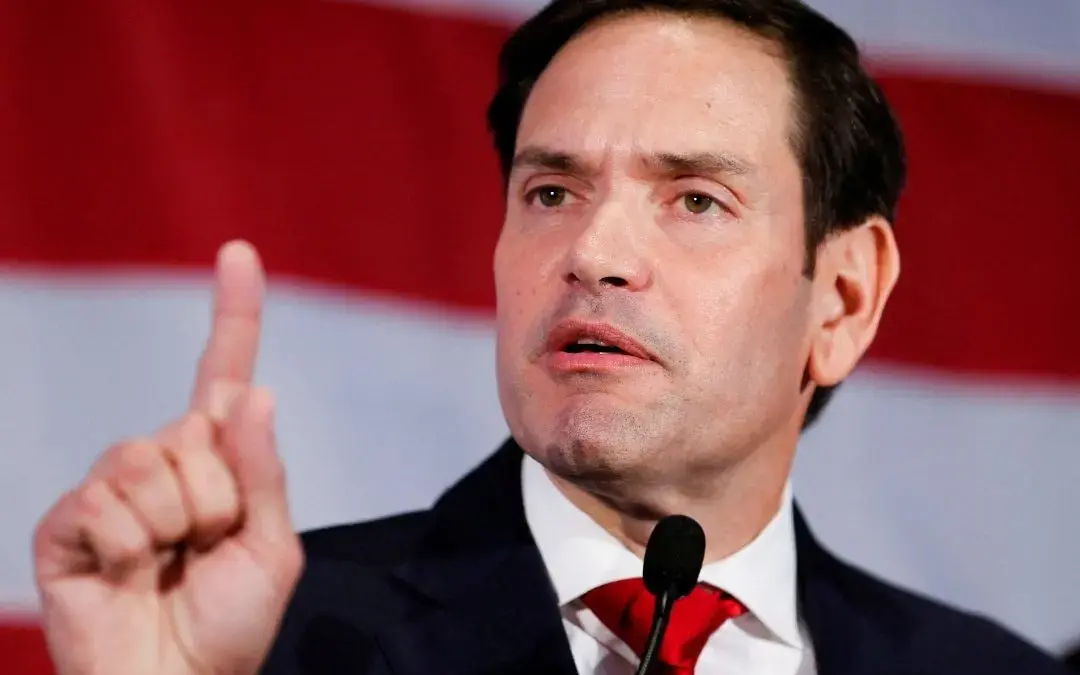
In a significant diplomatic engagement reflecting the ongoing strategic alignment between South America and the United States, Colombian President Abelardo De La Espriella held a formal telephone conversation with U.S. Secretary of State Marco Rubio. According to official confirmation released by the Presidencia de la República (the Administrative Department of the Presidency of Colombia), the call commenced at precisely 1:00 p.m. and lasted for more than 15 minutes, serving as a dedicated channel to review pressing bilateral issues, national security developments, and broader hemispheric concerns.
The high-level conversation centered on assessing the current political and security environment
within Colombia, addressing critical national developments, and evaluating the multifaceted challenges facing the Andean nation. Official sources indicated that both leaders emphasized the vital role of mutual support, continuous bilateral cooperation, and the institutional strengthening of the strategic partnership that has historically bound Bogotá and Washington together.
While the executive communique issued by the Colombian government highlighted that the exchange allowed both leaders to share distinct perspectives on the national context and issues of shared interest, the statement refrained from detailing specific policy agreements or concrete legislative measures resulting from the 15-minute dialogue. Nonetheless, the conversation underscores an active, direct diplomatic pipeline between the executive branch of the Colombian government and the diplomatic leadership of the United States, focused primarily on national security, economic stability, and regional counter-narcotics frameworks.
Chronology: The Timeline of High-Level Bilateral Engagements
The phone call between President De La Espriella and Secretary Rubio represents a crucial milestone in the recent timeline of diplomatic interactions between Colombia and the United States. To understand the broader trajectory of this dialogue, it is essential to trace the chronological sequence of diplomatic communications and structural meetings that laid the groundwork for this executive conversation.
+-----------------------------------------------------------------------------------+
| CHRONOLOGY OF RECENT DIPLOMATIC CONTACTS                                         |
+-----------------------------------------------------------------------------------+
| 1. Strategic Advisory Briefings (Early Bilateral Prep)                            |
|    - High-level preparatory meetings conducted by foreign ministry delegations.   |
|    - Focus on counter-narcotics, defense logistics, and bilateral trade flows.    |
+-----------------------------------------------------------------------------------+
| 2. Executive Inter-Institutional Consultations                                    |
|    - Ministerial review of regional migration patterns through the Darién Gap.    |
|    - Joint security intelligence assessments between Bogota and U.S. officials.  |
+-----------------------------------------------------------------------------------+
| 3. High-Level Telephone Summit (1:00 p.m. Call)                                   |
|    - President Abelardo De La Espriella confers with Secretary Marco Rubio.       |
|    - Review of national security, regional stability, and mutual cooperation.     |
+-----------------------------------------------------------------------------------+
| 4. Formal Press Release & Diplomatic Readout                                      |
|    - Presidencia de la República issues official statement emphasizing trust.     |
|    - Foreign ministry establishes working groups for follow-up initiatives.        |
+-----------------------------------------------------------------------------------+
Phase 1: Preparatory Diplomatic Channels
Prior to the executive call, technical delegations and diplomatic representatives from both nations engaged in preliminary consultations aimed at setting an agenda for high-level contact. These meetings focused on reviewing existing security protocols, evaluating intelligence-sharing agreements, and assessing bilateral trade metrics under the framework of the United States–Colombia Trade Promotion Agreement.
Phase 2: Executive Telephone Dialogue
At 1:00 p.m., President De La Espriella connected directly with Secretary of State Marco Rubio. Over the course of the 15-minute conversation, the two officials conducted a rapid yet comprehensive review of Colombia’s internal security situation, economic priorities, and key national events. The conversation provided an immediate channel for Washington to receive firsthand updates on Bogotá’s governance priorities and regional strategies.
Phase 3: Post-Call Institutional Alignment
Following the conclusion of the call, the Administrative Department of the Presidency issued a formal statement summarizing the key principles discussed. In parallel, foreign affairs advisors began formulating follow-up protocols to ensure that the themes of regional security, institutional trust, and stability raised during the call are integrated into ongoing inter-agency working groups.
Supporting Data: The Strategic and Economic Context of U.S.-Colombia Relations
The dialogue between President De La Espriella and Secretary Rubio occurs against a backdrop of deep economic, security, and humanitarian interdependencies. Colombia remains one of the United States’ primary strategic allies in Latin America, serving as a pillar for hemispheric stability, intelligence sharing, and trade.
===================================================================================
                  PILLARS OF U.S.-COLOMBIA BILATERAL COOPERATION
===================================================================================

 [Security & Defense]        [Trade & Economy]           [Regional Stability]
 --------------------        -----------------           --------------------
 • Joint Counter-Narcotics   • Trade Promotion Agreement • Migration Management
 • Intelligence Sharing      • Foreign Direct Investment • Border Security
 • Military Interoperability • Agricultural Export Flows  • Democratic Governance

===================================================================================
Economic and Commercial Interdependence
The economic relationship between Colombia and the United States remains a primary engine for regional growth. The United States continues to be Colombia’s largest foreign trading partner and principal source of Foreign Direct Investment (FDI). Key economic metrics defining this relationship include:
- Bilateral Trade Volume: Annual trade in goods and services between the two countries consistently reaches tens of billions of dollars, driven by Colombian exports of crude oil, coffee, cut flowers, and gold, alongside U.S. exports of refined petroleum, machinery, and agricultural goods.
- Foreign Direct Investment: U.S. companies account for a substantial percentage of total FDI in Colombia, particularly across the energy, infrastructure, telecommunications, and financial sectors.
- Trade Frameworks: The U.S.-Colombia Trade Promotion Agreement (TPA) continues to provide a structured legal framework designed to eliminate tariffs, protect intellectual property, and incentivize cross-border capital allocation.
Security and Counter-Narcotics Collaboration
Security cooperation represents the historical core of the bilateral relationship. Decades of joint initiatives have established sophisticated mechanisms for military interoperability, maritime interdiction, and intelligence coordination.
- Counter-Narcotics Operations: Joint maritime and aerial interdiction efforts target transnational criminal networks operating along Colombia’s Caribbean and Pacific coasts.
- Institutional Funding and Assistance: Foreign assistance programs managed through the U.S. Department of State and USAID continue to allocate financial resources toward strengthening judicial capacity, supporting rural development, and improving law enforcement infrastructure.
- Extradition and Judicial Protocols: The robust extradition treaty between Colombia and the United States remains an active operational tool in targeting high-profile cartel leaders and organized crime figures.
Regional Migration and Hemispheric Security
Colombia plays a central role in addressing human mobility and migration flows across the Western Hemisphere. The movement of migrants through the Darién Gap and the ongoing integration of millions of displaced Venezuelan nationals within Colombian territory require continuous operational and financial coordination with Washington. U.S. technical aid and humanitarian assistance remain crucial components in maintaining Colombia’s capacity to absorb these demographic pressures without destabilizing local municipal infrastructure.
Official Responses: Declarations from the Casa de Nariño
The official communication released by the Presidencia de la República provided a clear outline of the tone and narrative the Colombian executive branch sought to project following the high-level dialogue.
Emphasis on Strategic Partnership and Trust
In its official statement, the Colombian Government underscored that the exchange allowed both leaders to align their perspectives regarding national priorities and shared hemispheric goals.
"The dialogue permitted both leaders to share perspectives on the national context and matters of common interest for both nations. During the conversation, both officials analyzed the importance of mutual support, bilateral cooperation, and the strengthening of strategic relations between Colombia and the United States."
— Presidencia de la República de Colombia
The statement further highlighted Bogotá’s explicit intention to maintain direct, continuous, and transparent lines of communication with Washington, reiterating that the United States is viewed as a vital partner for national development and security.
"The Government emphasized its goal to maintain direct and permanent communication with the United States, considered a strategic partner, and to continue strengthening cooperation mechanisms to address shared challenges… Reaffirming the commitment of the Government to a bilateral relationship founded on trust, mutual respect, cooperation, and the defense of both nations’ interests."
— Presidencia de la República de Colombia
Analysis of Diplomatic Restraint in Official Statements
Diplomatic analysts noted that while the official release explicitly mentioned security, cooperation, and regional stability as central topics of conversation, it selectively omitted specific policy deliverables, operational metrics, or binding commitments. This level of broad diplomatic framing is standard practice for introductory or executive-level phone calls, which serve primarily to establish personal rapport, confirm overarching policy alignment, and delegate specific policy formulation to lower-level ministerial working groups.
Implications: Strategic Outlook for Bilateral and Regional Dynamics
The telephone conversation between President De La Espriella and Secretary Rubio carries broader implications for Colombia’s domestic governance, its foreign policy posture, and the security architecture of the Andean region.
+-----------------------------------------------------------------------------------+
|                        STRATEGIC IMPLICATIONS MATRIX                              |
+-----------------------------------------------------------------------------------+
| Security Operations  | Reinforces joint counter-narcotics and intelligence-sharing |
|                      | architecture across coastal and rural sectors.             |
+----------------------+------------------------------------------------------------+
| Market Confidence    | Sends positive signals to foreign investors, rating        |
|                      | agencies, and international financial institutions.        |
+----------------------+------------------------------------------------------------+
| Regional Diplomacy   | Reaffirms Colombia's position as a key non-NATO ally and  |
|                      | anchor for democratic stability in South America.          |
+----------------------+------------------------------------------------------------+
| Institutional Policy | Lays the foundation for upcoming bilateral working groups  |
|                      | on trade, migration control, and defense logistics.       |
+-----------------------------------------------------------------------------------+
1. Reinforcement of Security and Intelligence Alignment
By placing security and regional stability at the forefront of the conversation, President De La Espriella and Secretary Rubio signaled that counter-narcotics and border defense will remain central priorities in U.S.-Colombia relations. This dialogue reinforces operational coordination between U.S. southern defense commands and Colombian military leadership, ensuring uninterrupted intelligence exchanges aimed at disrupting transnational criminal syndicates.
2. Economic Stabilization and Investor Confidence
Direct access to high-ranking U.S. officials serves as a stabilizing signal for international markets, credit rating agencies, and private enterprise. Clear diplomatic alignment between Bogotá and Washington reduces perceived geopolitical risk for foreign direct investment in Colombia’s infrastructure, mining, energy, and technology sectors. Maintaining a predictable, secure framework reassures capital markets that Colombia remains a stable environment for foreign enterprise.
3. Diplomatic Positioning in South America
As political dynamics across Latin America fluctuate, Colombia’s explicit positioning as a reliable, strategic partner to the United States reinforces its standing in regional multilateral forums. The engagement highlights Colombia’s continued role as a key security partner in South America, capable of coordinating effectively with Washington on matters ranging from energy security to regional migration containment.
4. Future Bilateral Roadmap and Ministerial Working Groups
The 15-minute executive call is expected to serve as a catalyst for a series of lower-level bilateral engagements in the coming months. Joint working groups covering defense cooperation, trade integration, supply chain resilience, and humanitarian migration assistance are likely to meet in Bogotá and Washington to translate the executive conversation into concrete policy frameworks.
Through this high-level exchange, President De La Espriella and Secretary Rubio have reaffirmed the traditional architecture of U.S.-Colombia relations, demonstrating an intention to navigate complex regional challenges through direct dialogue, joint institutional frameworks, and sustained strategic cooperation.



Leave a Reply