

Bogotá, Colombia — In a culturally rich nation where geographic barriers have historically shaped distinct sonic landscapes, public media continues to serve as the ultimate bridge. Radio Nacional de Colombia has officially announced its premier musical releases for the week of July 15, 2026, delivering an expansive auditory journey that traverses the Andean mountains, the Caribbean Sea, the rolling plains of the Llanos, and the misty green heights of the Pacific.
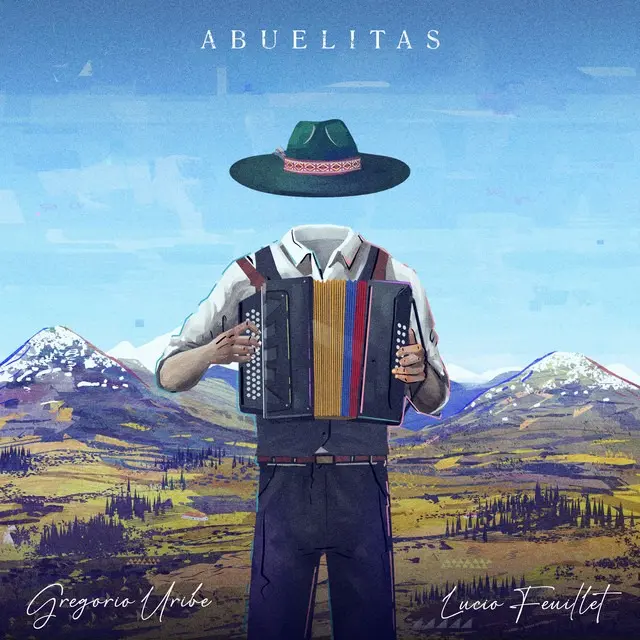
This week’s curated selection highlights a diverse spectrum of national identity, featuring collaborative efforts from acclaimed bogotano accordionist Gregorio Uribe and nariñense singer-songwriter Lucio Feuillet; an emotionally charged urban offering from San Andrés’s dancehall and afrobeats pioneer Obie P; and the quirky, academic-backed tropical psychedelia of Los Cotopla Boyz. Together, these releases encapsulate the restless evolution of contemporary Colombian music, proving that traditional roots and modern production are not mutually exclusive, but rather deeply symbiotic.
Main Facts: A Pan-Colombian Sonic Convergence
The latest wave of additions to Radio Nacional de Colombia’s rotation underscores the decentralization of the country’s mainstream music industry. Rather than focusing on a single genre or urban center, the broadcaster’s playlist mirrors Colombia’s complex cultural topography:
- The Andean-Southern Dialogue: Gregorio Uribe’s ambitious new accordion project pairs his virtuosic mastery of the instrument with regional heavyweights, kicking off with "Abuelitas," a collaboration featuring Pasto native Lucio Feuillet. The track draws direct inspiration from the South American huayno, serving as a heartfelt tribute to maternal ancestors and female knowledge-keepers.
- The Island Soul of Afrobeats: Hailing from the insular archipelago of San Andrés, urban artist Obie P brings international flavor with a deeply personal touch in "Him When Dee Dee." Moving away from purely commercial dancehall tropes, the track reflects a profound life-altering experience and serves as an anthem of faith, prayer, and resilience.
- The New Tropicalia of the Capital: Representing the vanguard of Bogotá’s independent scene, Los Cotopla Boyz bring their signature brand of "tropicanibal" and psychedelic cumbia to the official airwaves with "Bolegancho." The track—a joyous ode to an artisanal liquor from Norte de Santander—graduated to heavy rotation after winning over audiences on Demo Estéreo, the station’s dedicated platform for emerging talent.
Chronology: From Regional Isolation to National Airwaves
To understand the significance of this week’s playlist additions, one must examine the timeline of how contemporary Colombian music has shifted from localized folklore to interconnected, cross-genre experimentation.
2018–2022: The Roots of Modern Tropicalia
The journey of Los Cotopla Boyz began in 2018, when a collective of formally trained musicians in Bogotá decided to subvert traditional academic expectations. Inspired by the hypnotic grooves of psychedelic cumbia and the unbridled energy of tropical music, the band engineered a hyper-kinetic live show characterized by frenetic, superhero-esque personas and lyrics detailing everyday, prosaic adventures. By 2022, they solidified their cult status with the release of their debut studio project, Mamarrón vol. 1, which notably received a physical pressing on vinyl—a rare nod to audiophile culture within the modern tropical circuit.
Recent Years: The Evolution of Regional Accords
Concurrently, established artists like bogotano accordionist Gregorio Uribe were expanding the lexical boundaries of Colombian folk instruments. Recognizing that the accordion is too often confined strictly to vallenato or cumbia, Uribe conceptualized a comprehensive discographic journey designed to bridge the Andes, the Caribbean, the Llanos, and the Pacific through contemporary arrangements. This creative exploration laid the groundwork for his current album cycle, where his solo accordion acts as a foundational canvas for regional vocalists and tradition-bearers.
2024–2026: Insular Expressions and Digital Emulsion
In the Caribbean archipelago of San Andrés, artists like Obie P spent years refining a unique sonic identity that fuses Caribbean dancehall with the sweeping global momentum of afrobeats. Overcoming geographic isolation through digital distribution, Obie P’s career reached a poignant creative crossroads following a personal family health crisis, inspiring the introspective songwriting behind "Him When Dee Dee."
July 2026: The Convergence on Radio Nacional
Culminating these disparate timelines, the week of July 15, 2026, marks the official meeting point on Radio Nacional de Colombia. Through programs that continuously scour both major-label releases and grassroots digital platforms like Demo Estéreo, these three distinct artistic visions have been funneled into a single, cohesive national broadcast.
Supporting Data: The Anatomy of the Releases
To fully appreciate the scope of this week’s musical offerings, a closer look at the technical, geographical, and thematic makeup of each release reveals the meticulous craftsmanship driving Colombia’s modern soundscape:
| Artist / Project | Region of Origin | Primary Genre | Featured Release | Core Theme / Inspiration |
|---|---|---|---|---|
| Gregorio Uribe & Lucio Feuillet | Bogotá & Pasto (Nariño) | Contemporary Folk / Andean Fusion | "Abuelitas" | Tribute to biological grandmothers and indigenous/rural female knowledge-keepers (sabedoras); rooted in the South American huayno. |
| Obie P | San Andrés Archipelago | Dancehall / Afrobeats | "Him When Dee Dee" | A spiritual and emotional response to a near-tragedy involving his son; an invitation to faith, prayer, and patience. |
| Los Cotopla Boyz | Bogotá (with roots in Northern folklore) | Psychedelic Cumbia / Tropicalia | "Bolegancho" | An ode to an artisanal alcoholic beverage from Norte de Santander; emerging from their sophomore album Guau, no joda. |
Official Perspectives and Industry Implications
The inclusion of these specific tracks on a public broadcasting network carries profound implications for the cultural economy of Colombia. Industry analysts and cultural programmers note that public media plays an irreplaceable role in democratizing access to national airwaves, particularly for artists who operate outside the rigid, commercial formulas dictated by multinational record labels.
Gregorio Uribe, discussing his overarching project, has frequently emphasized that the accordion should not be viewed merely as a regional instrument of the Caribbean coast, but as a versatile voice capable of conversing with the cold winds of the Andes or the humid rhythms of the Pacific. By recruiting artists like Lucio Feuillet—whose work in Nariño champions the poetic and musical traditions of Colombia’s deep south—Uribe’s work actively repairs the historic cultural disconnect between the country’s central highlands and its border regions.
Meanwhile, the inclusion of Obie P highlights the vital cultural contributions of the Raizal population and the broader San Andrés archipelago. Historically underrepresented in mainland Colombian media outside of tourism campaigns or political discourse, insular artists are increasingly utilizing global urban templates—such as afrobeats and dancehall—to project their realities onto international stages. "Him When Dee Dee" demonstrates that Caribbean urban music can be both rhythmically infectious and emotionally vulnerable.
For Los Cotopla Boyz, the journey from indie academic circles to official rotation via Demo Estéreo validates the efficacy of institutional scouting programs for emerging talent. Public platforms that actively monitor web-based submissions ensure that raw, irreverent creativity—such as songs celebrating regional liquors like bolegancho—finds a home alongside more traditional folk compositions.
Broader Implications for Colombian Culture
As Colombia continues to navigate the complexities of peacebuilding, regional integration, and globalization, the arts remain a primary barometer of national cohesion. When a listener in Medellín, Leticia, or Bucaramanga tunes into Radio Nacional and hears the weeping notes of an Andean huayno filtered through a bogotano accordion, followed immediately by an Afro-Caribbean afrobeats track from San Andrés and a psychedelic cumbia about a Norte de Santander liquor, the psychological boundaries of the nation begin to dissolve.
This week’s releases prove that Colombian music is not a static museum piece, but a living, breathing ecosystem. By honoring ancestral figures ("Abuelitas"), processing profound personal trauma through rhythm ("Him When Dee Dee"), and celebrating local folklore with tongue-in-cheek academic precision ("Bolegancho"), these artists are actively constructing the soundtrack of a modern, multi-ethnic, and deeply interconnected nation.




Leave a Reply