

By Global Tech Desk
Published: October 2, 2025
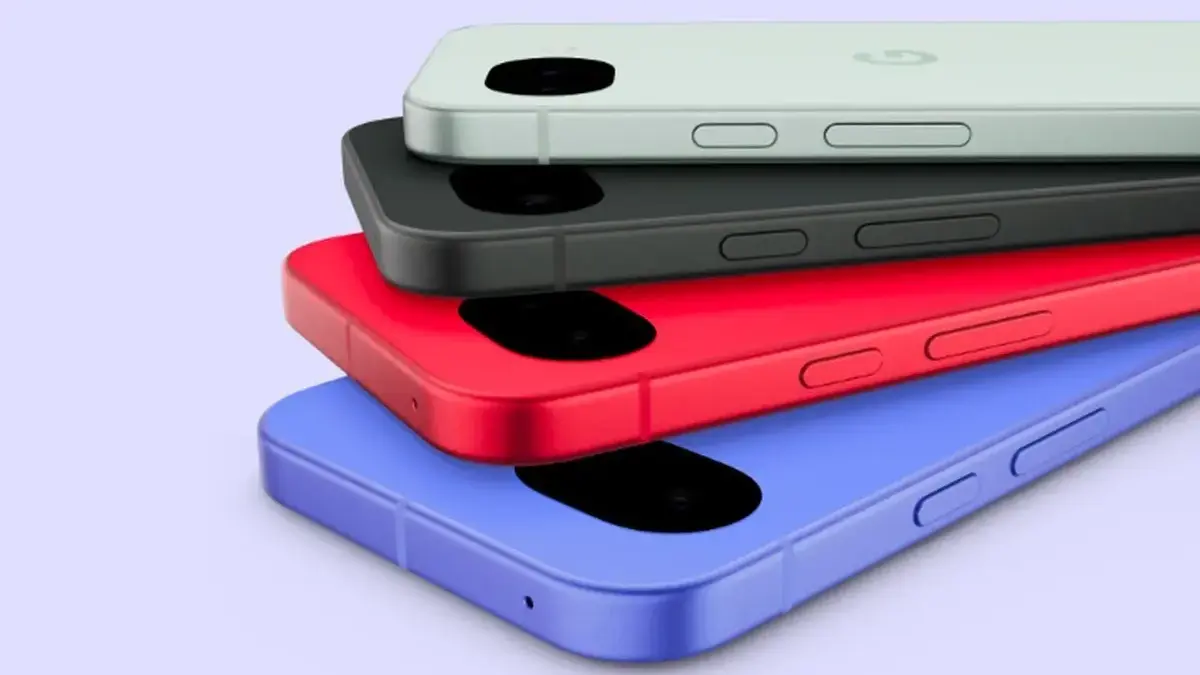
Purchasing Google’s flagship mid-range smartphone has suddenly become a more expensive endeavor, and crucially, this price hike arrives without a single hardware upgrade, refresh, or redesign. Months after its initial market debut, Google has altered the retail value of the Pixel 10a while leaving the device’s original specifications entirely untouched.
This unexpected decision significantly impacts one of the primary selling points that has long defined the Pixel "A" series: maintaining a substantial and comforting price gap beneath Google’s premium flagship tiers. With that financial advantage suddenly narrowed, prospective buyers now face a more complex purchasing landscape, forcing a closer reevaluation of what the device offers compared to increasingly competitive alternatives within Google’s own ecosystem and across the broader smartphone market.
Main Facts: The Pixel 10a Price Hike at a Glance
The most direct and immediate impact of Google’s sudden pricing adjustment is felt in the baseline cost of the device.
- The United States Market: The entry-level 128 GB configuration of the Pixel 10a has jumped from its original launch price of $499 to a new baseline of $599 in the United States. This represents a steep $100 increase, translating to roughly a 20% markup. Meanwhile, the higher-tier 256 GB configuration has seen a corresponding bump, now resting at $699.
- Global Rollout: This price adjustment is by no means isolated to the American market. Reports confirmed that international markets are facing proportional hikes. Canadian consumers are now looking at 849 CAD, buyers in the United Kingdom face a tag of £599, and European customers must shell out €649 for the same hardware.
- Unchanged Hardware: Despite the higher price tag, the internal and external components of the Pixel 10a remain frozen in time. The device continues to house the Tensor G4 processor, coupled with 8 GB of RAM and the exact same storage options that accompanied its launch.
Core Specifications Maintained
To understand the current value proposition, it is vital to look at what the Pixel 10a still packs under the hood:
- Processor: Google Tensor G4 (debuted with the Pixel 9 family).
- Display: 6.3-inch OLED panel supporting a smooth 120 Hz refresh rate.
- Battery: 5,100 mAh power cell.
- Camera Setup: 48-megapixel primary rear sensor.
- Longevity: Industry-leading commitment of seven years of full operating system and security updates.
Chronology: How the Pricing Strategy Unfolded
To fully grasp the gravity of this mid-cycle price adjustment, it is necessary to examine the timeline of events leading up to this moment in the mobile technology sector.
1. The Initial Launch Phase
When Google initially rolled out the Pixel 10a, it was celebrated as a masterclass in balancing cost and capability. Priced aggressively at $499 for the 128 GB model, it successfully targeted budget-conscious consumers who wanted access to clean Android software, robust camera capabilities, and Google’s burgeoning suite of artificial intelligence features without crossing into the $800+ territory occupied by traditional flagships.
2. The Pixel 11 Ecosystem Introduction
The groundwork for today’s price hike was actually laid weeks prior, during the launch event for the newer Pixel 11 family. When Google unveiled its latest generation of top-tier devices, industry analysts immediately noted that the new flagships carried higher price tags across the board compared to their predecessors.
During those launch briefings, subtle hints were dropped by company representatives indicating that broader macroeconomic trends and rising production costs would eventually necessitate adjustments across other devices already active in the marketplace. However, few consumers or tech journalists expected those warnings to materialize as an outright mid-lifecycle price hike on an existing "A-series" model rather than waiting for an outright successor.
3. The October 2 Adjustment
On October 2, retail channels across multiple continents simultaneously updated their listings. Without a press release, an accompanying software drop, or any form of marketing fanfare, the baseline price of the Pixel 10a officially shifted upward by $100. This sudden shift caught both consumers and retail partners off guard, turning what was once a predictable budget recommendation into a fluctuating economic variable.
Supporting Data: Shrinking the Gap Between Mid-Range and Flagship
The most significant consequence of the Pixel 10a costing $599 is how it alters the financial hierarchy within Google’s own product catalog. The economic breathing room that once separated the mid-range offering from the premium tier has dramatically compressed.
The New Math: Pixel 10a vs. Pixel 11
- Previous Price Gap: Previously, with the Pixel 10a starting at $499 and the standard Pixel 11 starting at $899, consumers faced a substantial $400 gap. This wide margin made the decision straightforward for budget-focused buyers willing to compromise slightly on peak performance.
- Current Price Gap: With the Pixel 10a now sitting at $599 and the Pixel 11 remaining firmly at $899, that barrier has shrunk by 25%. The gap is now a mere $300.
Generational Hardware Discrepancy
This narrowing price gap forces buyers to heavily scrutinize the technological distance between the two devices. The Pixel 10a relies on the Tensor G4 chip. In contrast, the newer Pixel 11 is powered by the Tensor G6, representing a two-generation generational leap.
The Tensor G6 is not merely a minor iterative bump; it plays a critical role in on-device machine learning tasks, power efficiency, thermal management, and complex AI processing—areas where Google is heavily marketing its software superiority. While real-world benchmarking tests are still evaluating the exact day-to-day performance delta between the G4 and G6 processors, the technical divide is undeniable. For only $300 more, consumers can now step into a device boasting architecture that is two generations newer, possessively shifting the cost-benefit analysis away from the 10a.
Official Responses and Industry Context
As of this writing, Google has not issued a formal, dedicated press release explicitly explaining the direct catalyst for the sudden price surge of the Pixel 10a. However, tech industry insiders and supply chain reports offer critical context.
The Component Cost Factor
Reports originating from major supply chain trackers indicate that the global electronics market has faced persistent upward pressure regarding the cost of raw materials, particularly concerning high-speed memory components (RAM and flash storage) and specialized silicon wafers. While these reports point to rising manufacturing overhead across the tech industry as a whole, Google has not officially tied these specific market dynamics to the Pixel 10a’s price revision, meaning a direct causal link cannot be definitively established purely through official documentation.
Precedents and Future Expectations
Industry analysts suggest that Google’s quiet price adjustment reflects a broader industry trend where companies can no longer absorb inflationary pressures and rising silicon development costs throughout a product’s lifecycle.
Furthermore, this adjustment creates a psychological and financial anchor for the upcoming Pixel 11a. While there is currently insufficient official data to predict the exact launch price of the next-generation mid-ranger, analysts warn that consumers should no longer automatically expect future "A-series" devices to anchor themselves at the traditional $499 entry point. The baseline has seemingly shifted upward, signaling the end of the ultra-accessible sub-$500 Google flagship alternative era.
Implications: A Redefined Catalog and Future Outlook
Google’s decision to hike the price of the Pixel 10a without offering any hardware improvements fundamentally alters the smartphone’s identity and its positioning within the global market.
1. The Loss of the "Budget Champion" Halo
For years, the Pixel "A" series succeeded because it was the undisputed king of value—offering near-flagship camera performance and clean software at a price that undercut the competition. By moving to $599, the Pixel 10a enters a fiercely competitive bracket dominated by aggressive Chinese manufacturers and heavily discounted older generation flagships from Apple and Samsung. At $599, consumers expect more than just a recycled spec sheet; they demand aggressive value propositions.
2. The Longevity vs. Raw Power Dilemma
The primary argument for purchasing a Pixel 10a at its new price point now relies almost entirely on non-hardware metrics. Buyers are essentially paying for Google’s industry-leading seven-year software and security support promise, combined with the proven, stable performance of the Tensor G4 ecosystem. For enterprise users or long-term buyers who value software lifespan over cutting-edge gaming performance or the latest AI chips, the device still holds a unique niche.
3. A Strategic Risk for Google
Ultimately, this quiet price increase represents a calculated risk for Google. By narrowing the gap between its mid-range offerings and its primary flagships, the company risks cannibalizing its own sales—either pushing hesitant consumers toward competitors who maintain more aggressive pricing, or forcing buyers to stretch their budgets that extra $300 to acquire the vastly superior Tensor G6-powered Pixel 11. As consumers adapt to this new pricing reality, the market will soon dictate whether Google’s gamble pays off or forces a recalibration of their mobile hardware strategy.




Leave a Reply