

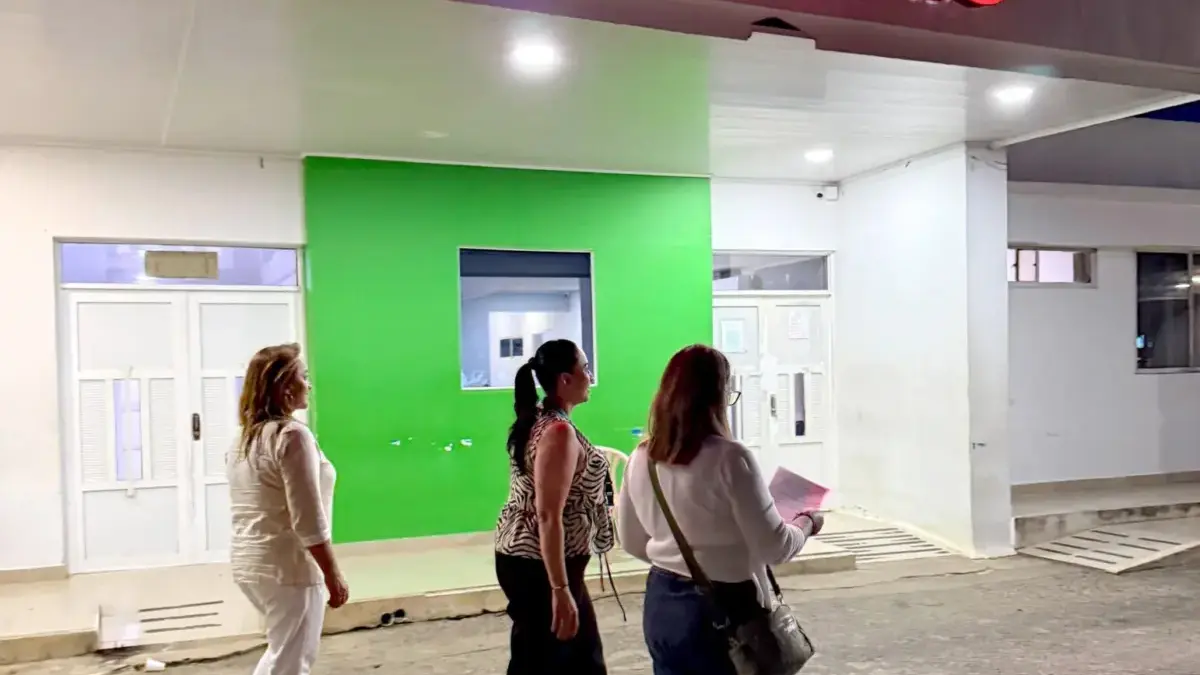
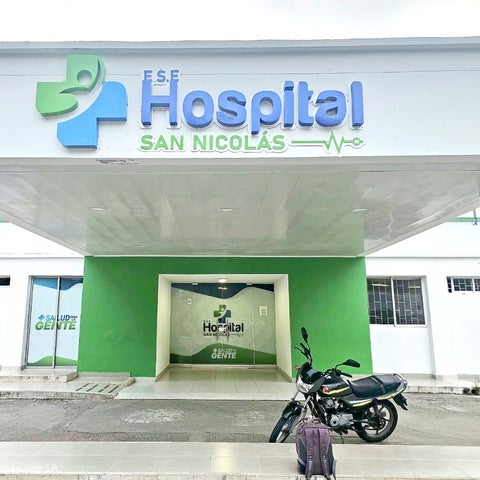
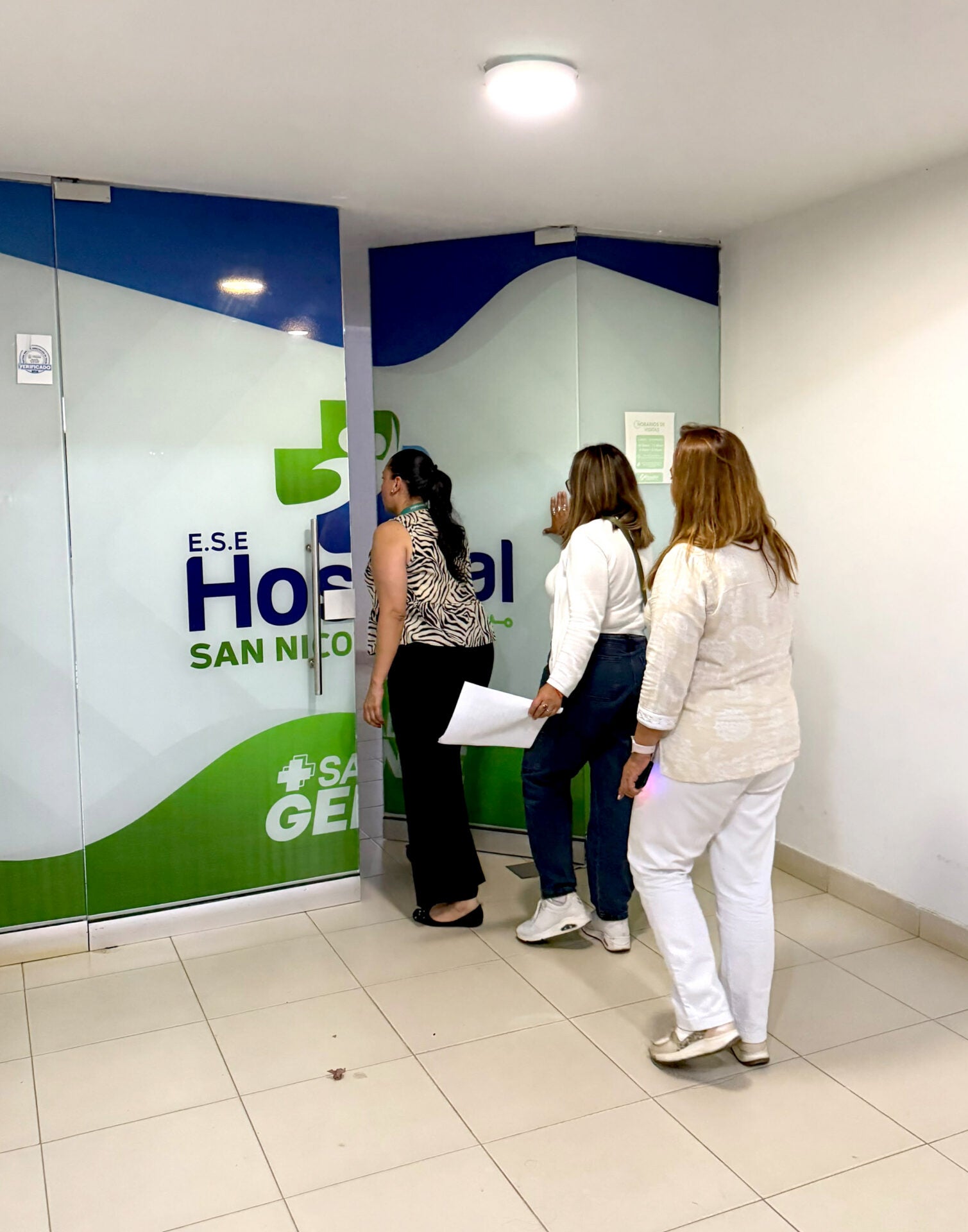
PLANETA RICA, CÓRDOBA — Colombia’s healthcare regulatory watchdog, the National Superintendency of Health (Superintendencia Nacional de Salud or Supersalud), has initiated an emergency audit at the San Nicolás Hospital in the municipality of Planeta Rica, Córdoba. The administrative and financial intervention comes in the wake of escalating complaints regarding severe disruptions in medical services, which reached a boiling point after hospital staff suspended their duties to protest two consecutive months of unpaid salaries.
The situation at San Nicolás Hospital highlights the ongoing financial fragility plaguing municipal public hospitals—known as State Social Enterprises (Empresas Sociales del Estado or ESEs)—across Colombia’s rural and semi-urban departments. As the audit team deploys on-site, the investigation is set to probe deep into the hospital’s financial management, its contract labor practices, and its precarious relationship with various Health Promoting Entities (Entidades Promotoras de Salud or EPS).
1. Main Facts: The Trigger of the Intervention
The primary catalyst for Supersalud’s sudden intervention was a coordinated work stoppage organized by the hospital’s medical, nursing, and administrative staff. Workers at San Nicolás Hospital declared a suspension of non-emergency services after completing sixty days without receiving their salaries. This labor dispute immediately impacted the local population, causing significant delays in outpatient consultations, elective procedures, and basic administrative services.
+------------------------------------------------------------------------+
|                      KEY FACTS OF THE CRISIS                           |
+------------------------------------------------------------------------+
| • Location: Hospital San Nicolás, Planeta Rica, Córdoba                |
| • Trigger: 2-month salary backlog leading to a healthcare worker strike|
| • Action: Supersalud deploys emergency audit commission                 |
| • Scope: Labor contracts (OPS vs. staff), EPS billing, and cash flows  |
| • Target: Restoring local healthcare access for vulnerable populations |
+------------------------------------------------------------------------+
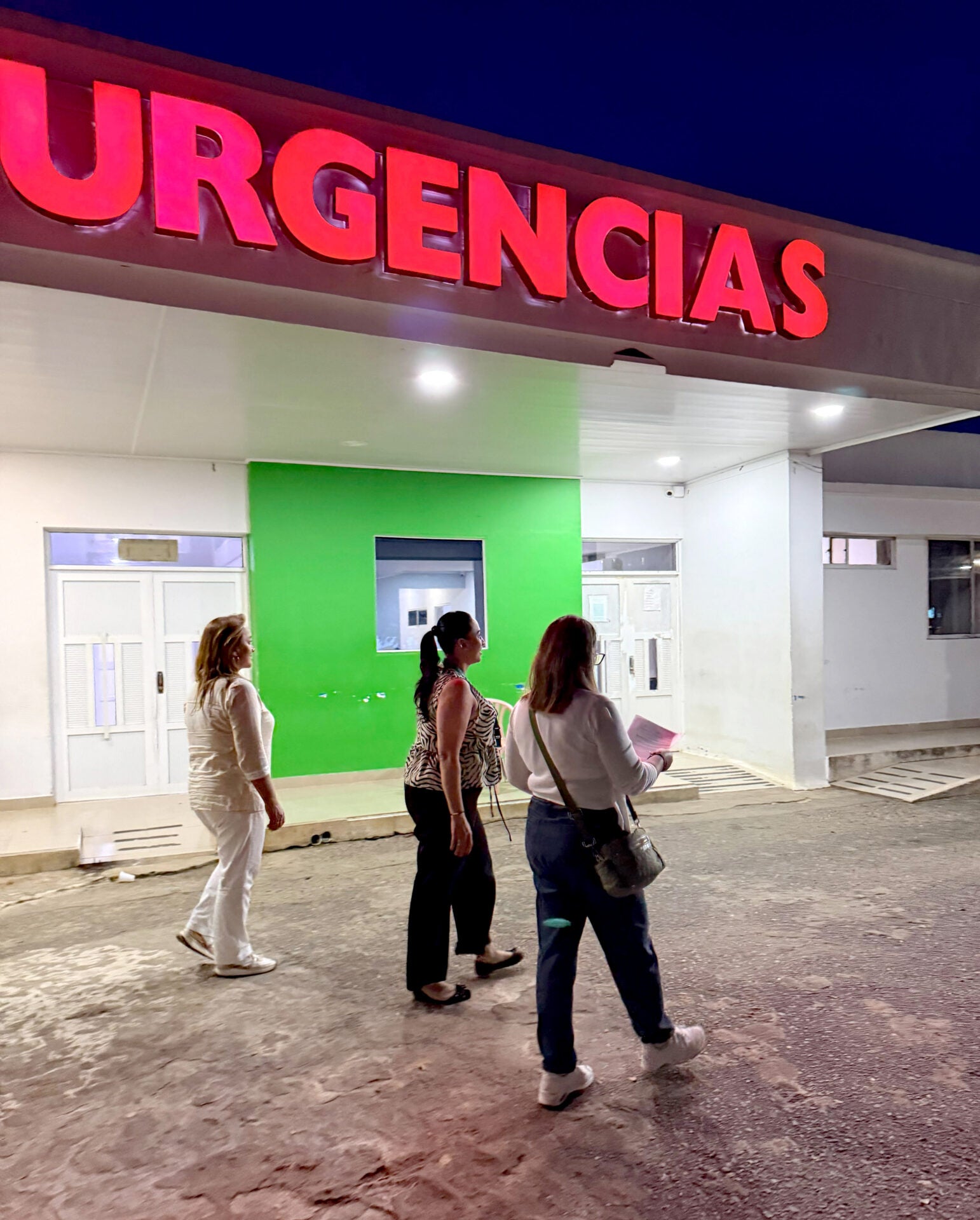
As complaints from patients and their families flooded local and national channels, Supersalud mobilized a specialized auditing delegation to Planeta Rica. The regulatory body’s immediate objective is twofold: to safeguard the fundamental right to health for the municipality’s residents and to investigate the underlying financial mismanagement or structural deficits that led to the non-payment of the hospital’s workforce.
During the initial phase of the visit, the audit team established formal working tables (mesas de trabajo) with labor representatives. These sessions allowed auditors to gather direct testimonies regarding the precarious working conditions of the hospital staff, the lack of essential medical supplies, and the overall deterioration of patient care.
2. Chronology of the Crisis
The crisis at San Nicolás Hospital did not emerge overnight; rather, it is the result of months of compounding financial strain and administrative bottlenecks.
                       CHRONOLOGY OF THE CRISIS

   Mid-2024              August 2024          September 2024          October 2024
      |                       |                     |                       |
      v                       v                     v                       v
Accumulation of         First month of        Second month of        Workers strike;
debts from EPS;         unpaid salaries       unpaid salaries;       Supersalud audit
cash flow dries up.     for hospital staff.   user services drop.    team arrives.
Phase 1: The Accumulation of Debt (Mid-2024)
Throughout the first half of the year, San Nicolás Hospital experienced a steady decline in cash flow. Local reports indicate that payments from several active and liquidating EPSs to the hospital began to lag, creating a severe deficit in the hospital’s operational budget.
Phase 2: The Salary Backlog (August–September 2024)
By the end of August, the hospital administration failed to disburse monthly salaries to both its permanent staff and its contract workers hired under Service Provision Orders (Órdenes de Prestación de Servicios or OPS). By late September, the backlog extended to a second full month, leaving hundreds of families without their primary source of income.
Phase 3: The Labor Strike and Service Collapse (Late September 2024)
Faced with mounting personal debts and a lack of clear answers from the hospital’s management, workers voted to suspend all non-essential activities. While emergency room (urgencias) services were legally maintained, general medicine, specialized consultations, and clinical laboratory services ground to a halt.
Phase 4: Supersalud’s Deployment (October 2024)
Following formal complaints submitted by both the workers’ unions and local patient advocacy groups, Supersalud ordered an immediate on-site audit. The regulatory team arrived at the facility to establish oversight, examine financial records, and act as a mediator between the disgruntled staff and the hospital’s executive administration.
3. Supporting Data: The Structural Crisis of Hospital Financing
To understand the crisis at San Nicolás Hospital, one must look at the complex financial architecture of the Colombian healthcare system, particularly the heavy reliance on contract labor and the volatile flow of payments from EPSs.
The "OPS" Labor Dilemma
A significant portion of Colombia’s public healthcare workforce is employed via Órdenes de Prestación de Servicios (OPS). These are short-term, fee-for-service contracts that do not carry the labor protections, severance benefits, or health insurance guarantees of permanent staff positions (personal de planta).
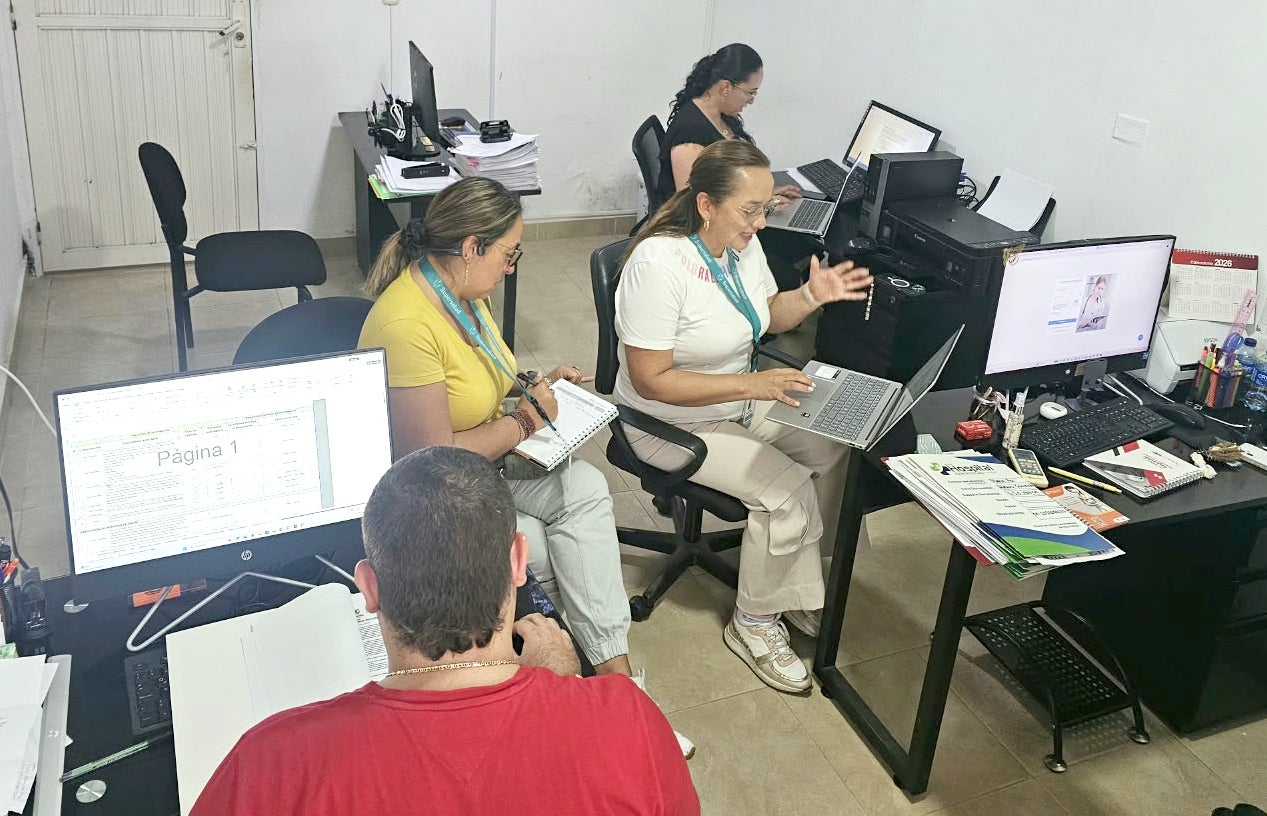
The audit team has specifically requested a comprehensive roster detailing the ratio of permanent staff to OPS contract workers. Historically, public hospitals use OPS contracts to cut costs, but during financial droughts, these contract workers are often the first to experience payment delays, with little to no legal recourse compared to unionized permanent staff.
The Flow of Funds: Billing, Direct Transfers, and Cartera
A central focus of the Supersalud audit is the hospital’s accounts receivable portfolio (cartera). Auditors are meticulously reviewing:
- The Billing and Coding Process: Evaluating whether the hospital is accurately and efficiently billing the EPSs for services rendered.
- Direct Transfers (Giro Directo): Analyzing the payments sent directly from the Administrator of the Resources of the General System of Social Security in Health (ADRES) to the hospital. Under current regulations, ADRES bypasses the EPS intermediaries to pay a percentage of funds directly to public hospitals to ensure liquidity. The audit will determine why these direct transfers were insufficient to cover payroll.
- Outstanding Debts: Investigating the total volume of historical debt owed to the hospital by defunct or liquidated EPSs, which often leaves public hospitals holding uncollectible accounts.
4. Official Responses and Stakeholder Perspectives
The audit has brought together various key players, each presenting distinct perspectives on who is responsible for the financial paralysis of the institution.
+-----------------------------------------------------------------------------------+
|                            STAKEHOLDER PERSPECTIVES                               |
+-----------------------------------------------------------------------------------+
| SUPERSALUD                                                                        |
| "We must ensure that administrative failures do not compromise the fundamental   |
| right to health or the dignity of healthcare workers."                            |
+-----------------------------------------------------------------------------------+
| HOSPITAL MANAGEMENT                                                               |
| "The crisis is systemic. Delays in EPS payments and uncollectible debts from      |
| liquidated entities have starved the hospital of necessary liquidity."            |
+-----------------------------------------------------------------------------------+
| THE WORKFORCE                                                                     |
| "We cannot feed our families on promises. Working without pay for two months      |
| while facing unsafe working conditions is unsustainable."                         |
+-----------------------------------------------------------------------------------+
The Regulatory Watchdog: Supersalud
Representatives from Supersalud have emphasized that their priority is to protect the patient. However, they recognize that quality patient care is impossible without a well-compensated and motivated workforce. The auditing team has stated that they will not leave the municipality until they have a clear diagnostic report of the hospital’s financial health and a concrete plan to resolve the outstanding payroll obligations.
The Hospital Administration
The General Manager (gerente) and the Statutory Auditor (revisor fiscal) of San Nicolás Hospital have been subjected to extensive interviews by the federal auditors. The administration’s defense rests heavily on the systemic failures of the broader Colombian health system. They argue that the hospital is caught in a cash-flow bottleneck, where the costs of providing care under inflation exceed the actual, delayed disbursements received from the EPS network.
The Workers’ Union
Spokespersons for the striking workers have expressed deep skepticism toward the hospital administration’s excuses. They point to potential internal inefficiencies, bloated administrative spending, and a lack of transparency in how the giro directo funds from ADRES were prioritized. "We understand that the system has problems, but payroll should always be the absolute priority," stated a nursing representative during the working tables.
5. Implications and the Broader Reform Context
The outcome of the audit at Hospital San Nicolás de Planeta Rica carries significant implications both locally and nationally.
Local Impact: The Vulnerability of Córdoba’s Rural Population
Planeta Rica is a key hub in the department of Córdoba. When its primary public hospital fails, the burden falls directly on low-income, uninsured, or subsidized patients who cannot afford private healthcare. A prolonged shutdown or reduction of services at San Nicolás forces patients to travel to Montería, the departmental capital, incurring travel costs they cannot afford and putting additional pressure on Montería’s already crowded tertiary-care hospitals.
National Context: The Debate Over Colombian Health Reform
The crisis in Planeta Rica serves as a case study in the national debate surrounding President Gustavo Petro’s proposed health reform. The current administration has consistently argued that the intermediary role of EPSs must be minimized or eliminated, advocating instead for a system where public funds flow directly and transparently to local clinics and hospitals (Centros de Atención Primaria en Salud). Proponents of the reform argue that occurrences like the strike in Planeta Rica are proof that the current EPS-centric model is unsustainable for rural Colombia. Conversely, critics of the reform argue that public hospitals suffer from local political patronage and administrative incompetence, suggesting that eliminating oversight from EPSs could exacerbate, rather than solve, these deep-seated financial crises.
Possible Regulatory Outcomes
Depending on the final findings of the Supersalud audit, several paths lie ahead for San Nicolás Hospital:
- A Mandatory Restructuring Plan: The hospital could be forced to adopt a strict fiscal recovery plan under close supervision, requiring a reduction in OPS contracts and a reorganization of its billing department.
- Fines and Sanctions: If administrative negligence or diversion of funds is discovered, personal financial sanctions could be levied against the manager and the statutory auditor.
- Full Administrative Takeover (Intervención): In the most severe scenario, Supersalud could remove the current management entirely and appoint a special agent to run the hospital, a measure previously taken in several other struggling public hospitals across the Caribbean region.
As the audit progresses, the residents of Planeta Rica and the hospital’s dedicated staff await a resolution that will not only pay the workers what they are legally owed but also secure the long-term survival of their most vital healthcare institution.



Leave a Reply