

By Global Agricultural Dispatch
Published in partnership with international trade and market analysis desks.
Main Facts
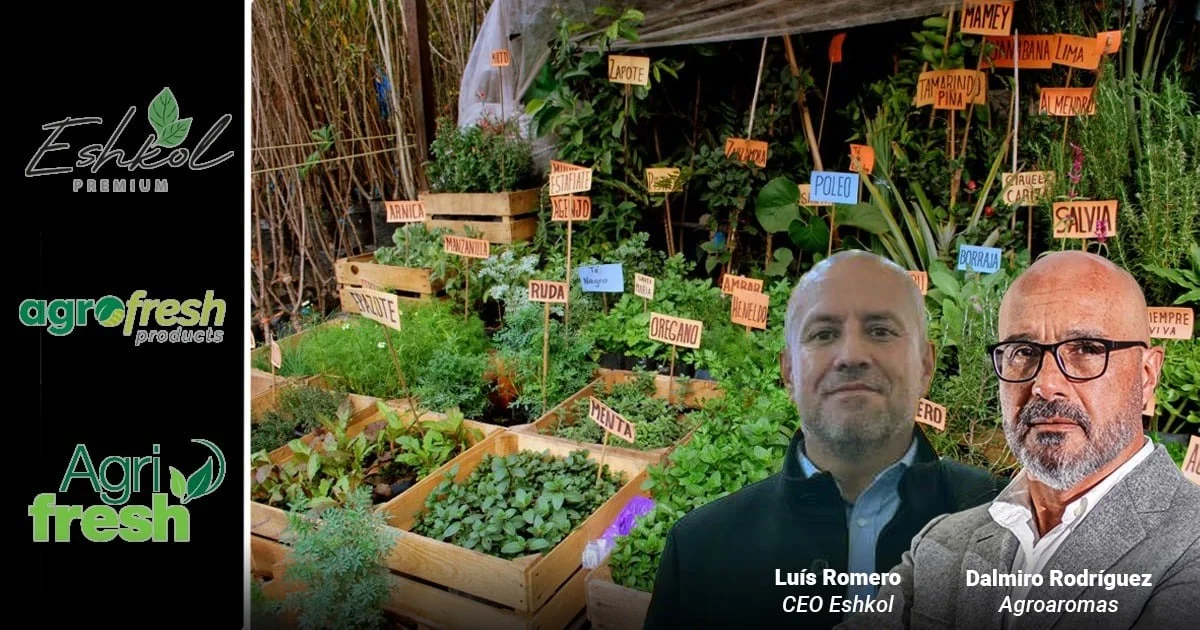
Thyme, rosemary, mint, basil, cilantro, and over 40 distinct varieties of fresh aromatic herbs are quietly revolutionizing Colombia’s agricultural export economy. Cultivated primarily across the fertile landscapes of Cundinamarca and Antioquia, these herbs are harvested, meticulously packaged, and flown out daily to stock the shelves of major supermarkets across North America and Europe.
Far from being a traditional corporate commodity, this burgeoning green wave is spearheaded by resilient family-owned enterprises. Companies like Eshkol Premium, Agroaromas, Agrofresh, and Agrifresh have transformed modest greenhouse projects and local garden plots into multimillion-dollar exporting powerhouses. Operating at the intersection of advanced agricultural technology and deep-rooted community farming, these businesses now generate tens of thousands of pounds of fresh produce weekly. They supply millions of consumers abroad while integrating hundreds of small-scale farmers into a formalized, high-yield global supply chain.
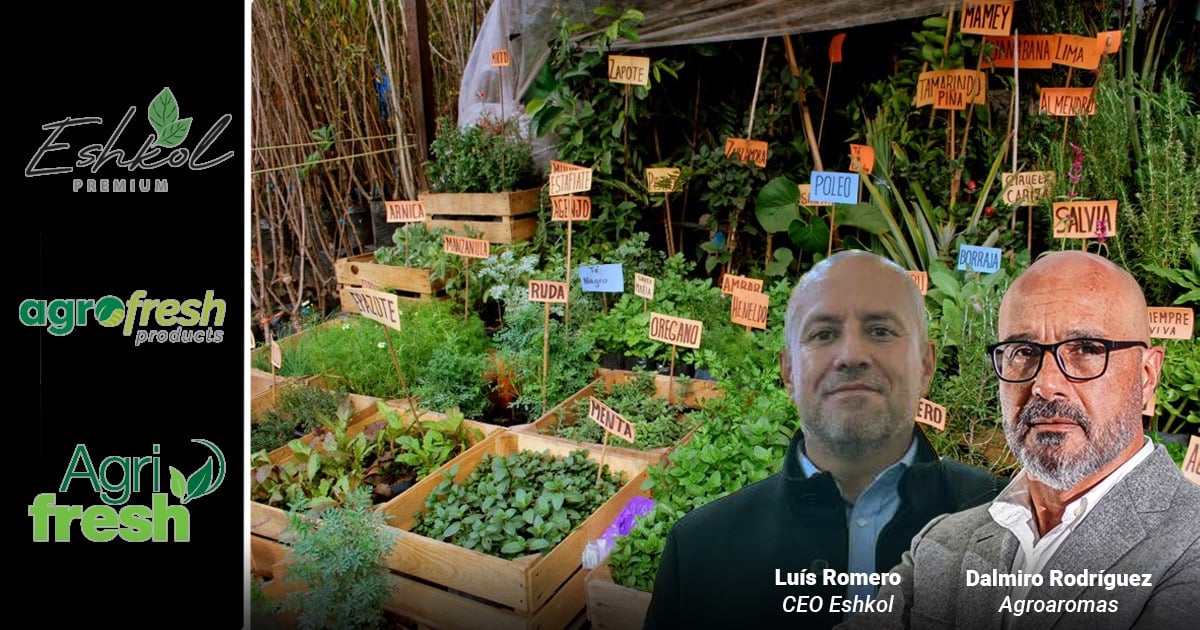
The industry’s geographic footprint spans several key departments. Cundinamarca leads the charge as the nation’s top exporting region, followed closely by Bogotá’s logistical hubs, Antioquia’s specialized growing networks, and the warmer microclimates of Tolima and Boyacá. Together, they have turned Colombia into a critical player in the international culinary herb sector, proving that high-value, non-traditional agriculture can thrive on a global scale.
Chronology: The Evolution of Colombia’s Herb Export Industry
The transformation of Colombia’s aromatic herb sector from local garden cultivation to international dominance did not happen overnight. It is a story of vision, perseverance, and strategic pivoting over the last three decades:
- Late 1990s – Early 2000s: The foundation is laid. Early pioneers, including families of Lebanese descent like the Helos, begin experimenting with commercial herb cultivation. Recognizing the potential for global trade, Agrifresh initiates its early operational steps at the turn of the century, setting the stage for formal export models.
- 2004: A crucial milestone is achieved as Agrifresh officially dispatches its first commercial international shipments, proving that fresh herbs from the Andean region can survive the logistical challenges of air freight and reach foreign markets in optimal condition.
- 2009: Agrofresh is established in Antioquia by the mother of current general manager Juan Fernando Echeverri Franco. Leveraging lifelong agricultural experience, the enterprise begins building a robust network of small-scale local producers, embedding community collaboration into its business DNA.
- April 2012: Eshkol Premium is founded in La Ceja, Antioquia, by Teresa Castro and her son Luis Felipe Romero Castro. Initially emerging from a small greenhouse operation that sold produce to intermediaries, the company takes a bold leap, shipping its inaugural direct cargo to Miami just two years later.
- 2015: Driven by surging international demand and the need for warmer microclimates to cultivate delicate crops like basil, Eshkol expands its operations into the department of Tolima, marking a significant territorial scaling of the business.
- 2017–2020: A generational handoff takes place across multiple firms. Younger leaders, such as Echeverri Franco upon graduating from the Catholic University of the East, step into executive roles, bringing modern administrative practices, enhanced technological adoption, and a stronger focus on ecological standards.
- 2024–2026: The sector solidifies its position within the upper echelons of the Colombian economy. Companies like Eshkol and Agroaromas ascend to rank among the 10,000 largest businesses in the country, boasting multi-billion-peso revenues and cementing North America as their primary stronghold.
Supporting Data and Market Intelligence
The scale of Colombia’s aromatic herb export industry is underscored by hard economic data and rigorous logistical metrics. Trade statistics from recent cycles illustrate a market heavily anchored in North American consumption, driven by specific geographic advantages and strict quality controls.

Destination Breakdown and Export Values
Recent trade data covering the period up to September highlights the dominance of the North American market:
- United States: Remains the undisputed primary destination, absorbing US$31.96 million—representing 80.6% of total exports. The market demonstrates a voracious appetite for mint, basil, and cilantro.
- Canada: Ranks second, accounting for US$3.61 million (9.1% of the total market share), with a preference for varieties such as parsley, rosemary, and thyme.
- Emerging Markets: European and regional destinations account for the remainder, including the United Kingdom (importing tarragon and dill), Germany, Switzerland, Australia, and Panama (demanding oregano and sage). Notably, major players like Agrifresh deliberately bypassed the European market due to prohibitive transatlantic freight costs and intense competition from African agricultural producers.
Regional Contributions to Export Revenue
The internal geography of Colombia’s herb production is divided between cultivation hubs and logistical centers:
- Cundinamarca: The leading producing department, generating US$14.19 million in export value. Farmers here have aggressively migrated toward aromatic crops due to their superior economic return compared to traditional staples.
- Bogotá D.C.: Generating US$12.47 million, the capital acts as the indispensable administrative, consolidation, and air-logistics backbone of the industry.
- Antioquia: Secures the third position with US$5.67 million, driven by highly specialized farming models and structured distribution networks.
- Tolima and Valle del Cauca: Contribute US$4.42 million and US$1.25 million, respectively, utilizing warmer climates to ensure year-round supply continuity.
Corporate Scale and Production Metrics
- Eshkol Premium: Operates across 40 hectares of land, employs 450 workers, and recorded revenues of COP $41.681 billion, placing it firmly among Colombia’s top 6,000 companies.
- Agroaromas: Registers revenues of COP $28.509 billion with a workforce of 189 employees. Its supply chain relies on a collaborative model where 30% of produce comes from owned lands and 70% is sourced from associated peasant families across the Bogotá savanna, Boyacá, and Tolima.
- Agrofresh: Exports an impressive 150,000 pounds of fresh herbs monthly to the United States and Canada, backed by an alliance with 40 small-scale growers in eastern Antioquia and Cundinamarca, each guaranteed a minimum purchase quota of 500 kilos weekly.
- Agrifresh: Processes and packs between 14 and 20 tons monthly out of its Cota plant, shipping 97% of its volume to its own U.S. commercialization subsidiary and 3% to Canada.
Official Responses and Industry Insights
The rapid professionalization of the sector has required strict adherence to international agricultural standards. Leaders within these companies emphasize that success abroad is directly tied to uncompromising quality, technological investment, and social responsibility.

Luis Felipe Romero Castro, founder and majority stakeholder of Eshkol Premium, reflects on the journey from a modest greenhouse in Rionegro to managing a multi-hectare operation spanning multiple departments: "What started as a localized experiment with a handful of culinary herbs has evolved into a sophisticated international operation. Our commitment has always been twofold: delivering absolute freshness to the American consumer and ensuring that local agricultural communities grow alongside us."
Dalmiro Rodríguez, general manager and driving force behind Agroaromas, points to the integration of foreign agricultural technology as a foundational pillar of their success: "To maintain year-round supply for major supermarket chains in the United States, you cannot rely solely on seasonal weather patterns. By investing in advanced Israeli agricultural technology, precision irrigation systems, and optimized greenhouse management, we have guaranteed consistent yields and premium quality for over 15 years."
Industry stakeholders also highlight the rigorous certifications required to maintain competitiveness in demanding foreign markets. Facilities and fields across Cundinamarca and Antioquia operate under strict compliance frameworks, including USDA Organic certifications for organic tracts and PrimusGFS audits, which validate global standards in good agricultural practices (GAP), good manufacturing practices (GMP), and food safety management.
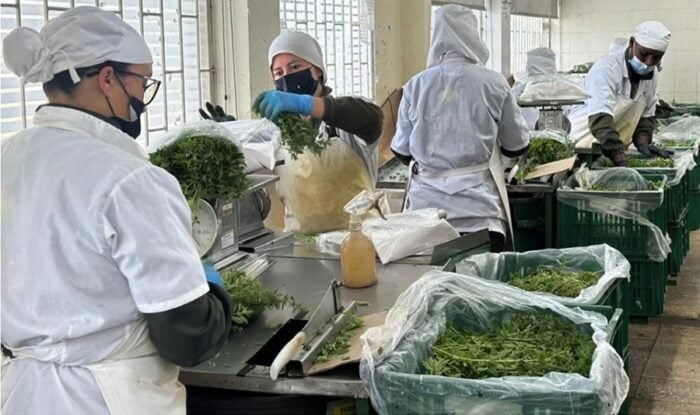
Furthermore, quality assurance protocols during the selection phase are unyielding. Processors evaluate every batch for uniform color, aromatic intensity, and structural integrity, ruthlessly eliminating any withered or imperfect foliage to meet exact foreign retail specifications before the produce is cleared for air transport.
Implications: Economic Impact, Rural Transformation, and Future Outlook
The rise of Colombia’s aromatic herb industry carries profound implications for the nation’s socioeconomic fabric, rural development, and future export diversification.
Socioeconomic Uplift and the Peasant Economy
At its core, the herb export boom represents a vital bridge between corporate enterprise and smallholder agriculture. Rather than displacing local farmers through industrial land-grabbing, the industry’s leading firms—such as Agroaromas, Agrofresh, and Agrifresh—rely heavily on outgrower networks. By partnering with small-scale producers in Boyacá, Cundinamarca, and Antioquia, these companies provide guaranteed purchasing minimums, technical assistance, and stable income streams. This model has transformed traditional subsistence farming into a lucrative, export-oriented occupation, significantly curbing rural poverty and migration in participating regions.
Diversification Beyond Traditional Commodities
For decades, Colombia’s agricultural identity on the global stage was synonymous with coffee, cut flowers, and bananas. While these sectors remain cornerstones of the economy, the explosive growth of non-traditional exports like fresh culinary herbs demonstrates a healthy diversification of the nation’s agricultural portfolio. It proves that Colombian soil and microclimates can successfully support high-value, perishable specialty crops that require sophisticated cold chains and rapid logistics.
Environmental and Ecological Shifts
As global consumer preferences shift decisively toward clean, sustainably sourced food, Colombian producers are proactively adapting. Companies are increasingly steering their production processes toward ecological transitions—integrating biological pest control, reducing chemical residues, and optimizing water usage through advanced irrigation. Meeting stringent international organic standards not only opens doors to premium retail segments in North America but also safeguards local ecosystems from intensive chemical degradation.
Challenges and the Road Ahead
Despite the sector’s remarkable trajectory, challenges remain. Exporters must continuously navigate fluctuations in international freight costs, stringent phytosanitary inspections, and the logistical pressures of maintaining an uninterrupted cold chain from Andean greenhouses to American and Canadian retail shelves. However, given the sustained, double-digit growth rates, robust family-led leadership, and unwavering foreign demand, Colombia’s aromatic herbs are well-positioned to remain a vibrant, permanent fixture in the global culinary landscape—proving that sometimes, the most profound economic transformations grow silently from the smallest of seeds.




Leave a Reply